
When your beloved pet isn’t feeling well, getting vet advice right now can feel like the most important thing in the world—and honestly, it often is. Whether your dog is limping, your cat won’t eat, or you’re noticing something just seems off, knowing how to access reliable veterinary guidance quickly can make all the difference in your pet’s recovery.
Table of Contents
- Why Immediate Vet Advice Matters for Your Pet’s Health
- Understanding Common Pet Medications and What They Do
- When to Seek Emergency Vet Advice Right Now
- How to Describe Your Pet’s Symptoms to Your Vet
- Medication Administration: Getting It Right
- Telehealth Vet Advice: Quick Access When You Need It
- Common Pet Health Issues and When to Call Your Vet
- Medication Side Effects: What’s Normal and What’s Not
- Nutrition and Medication: Important Interactions
- Building Your Pet Emergency Plan
- Frequently Asked Questions
- What To Do Now
- Summary: Getting the Vet Advice You Need, When You Need It
This article is for informational purposes only and is not a substitute for professional veterinary advice. Always consult a licensed veterinarian for diagnosis and treatment.
Pet emergencies don’t wait for business hours, and neither should your access to expert guidance. In this guide, we’ll walk you through how to get the veterinary support you need, when you need it most, and how to make informed decisions about your pet’s medications and care.
Why Immediate Vet Advice Matters for Your Pet’s Health
When your pet shows signs of illness or injury, time truly matters. Some conditions that seem minor on the surface can escalate quickly if left untreated. Getting vet advice right now instead of waiting days for an appointment can catch serious issues early.
Early intervention often means simpler treatment, faster recovery, and lower overall costs. Your veterinarian can assess symptoms you might not even realize are important and recommend the right course of action before a small problem becomes a major one.
Understanding Common Pet Medications and What They Do
Pet medications come in many forms—tablets, liquids, injections, and topical treatments. Each serves a specific purpose in treating or preventing disease. Understanding what your vet prescribes helps you administer care confidently and monitor for any side effects.
Common medication categories for pets include:
- Antibiotics: Fight bacterial infections in ears, skin, urinary tract, and respiratory systems
- Pain relievers: Help manage arthritis, post-surgery discomfort, and acute injuries
- Anti-inflammatory medications: Reduce swelling and discomfort from various conditions
- Antiparasitic treatments: Prevent or eliminate fleas, ticks, worms, and other parasites
- Allergy medications: Control itching and allergic reactions
- Digestive aids: Support stomach health and manage gastrointestinal upset
Your vet will explain which category your pet’s medication falls into and why it’s the right choice for their specific situation.
When to Seek Emergency Vet Advice Right Now
Some situations absolutely require immediate veterinary attention. Knowing the difference between urgent and routine helps you respond appropriately. If your pet is experiencing any of these signs, don’t wait—seek emergency vet advice immediately.
Seek emergency care if your pet shows:
- Difficulty breathing or gasping for air
- Loss of consciousness or extreme lethargy
- Inability to stand or walk
- Uncontrolled bleeding or severe trauma
- Repeated vomiting or inability to keep food down
- Seizures or convulsions
- Severe abdominal pain or distention
- Inability to urinate or defecate
- Signs of extreme pain or distress
Catching these emergencies early puts you in a great position to help your pet recover fully.
How to Describe Your Pet’s Symptoms to Your Vet
Getting vet advice right now is most effective when you can clearly communicate what’s happening with your pet. Vets rely on your observations since they’re not with your pet 24/7. The more detailed and specific you are, the better diagnosis and treatment your vet can provide.
When describing symptoms, include:
- When the symptom first started (hours ago, days ago, weeks ago)
- How the symptom has progressed (getting worse, staying the same, improving)
- Any triggers you’ve noticed (certain foods, activities, times of day)
- Your pet’s eating and drinking habits
- Changes in bathroom habits
- Any behavioral changes (lethargy, restlessness, aggression)
- Recent changes in environment or routine
- Any medications or supplements your pet is currently taking
Write these details down before your call or video consultation—you’ll be less likely to forget something important when you’re worried.
Medication Administration: Getting It Right
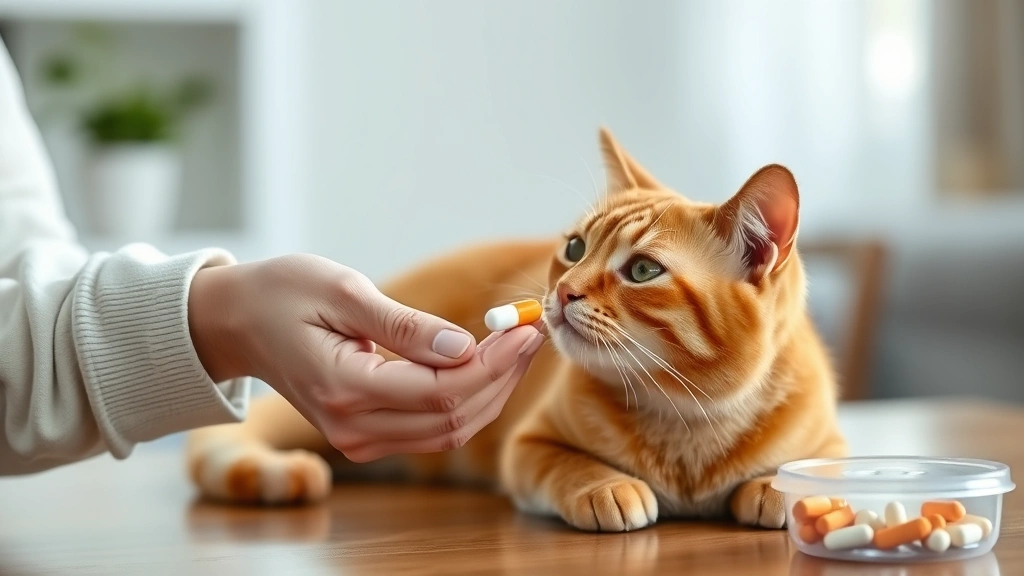
Once your vet prescribes medication, proper administration is crucial for effectiveness. Medications only work if given correctly and consistently. Your veterinarian will provide specific instructions, but here are general best practices.
Tips for giving medications:
- Set phone reminders so you don’t miss doses
- Use a pill organizer or calendar to track what you’ve given
- Give medications at the same time each day for consistency
- Follow food instructions exactly (some meds need food, others need empty stomach)
- Complete the full course even if your pet seems better
- Store medications as directed (some need refrigeration)
- Never skip doses or adjust timing without veterinary approval
If you’re struggling to give medication—whether your pet won’t take pills or you’re unsure about injection technique—call your vet immediately. They can show you tricks or adjust the form of medication to make it easier.
Telehealth Vet Advice: Quick Access When You Need It
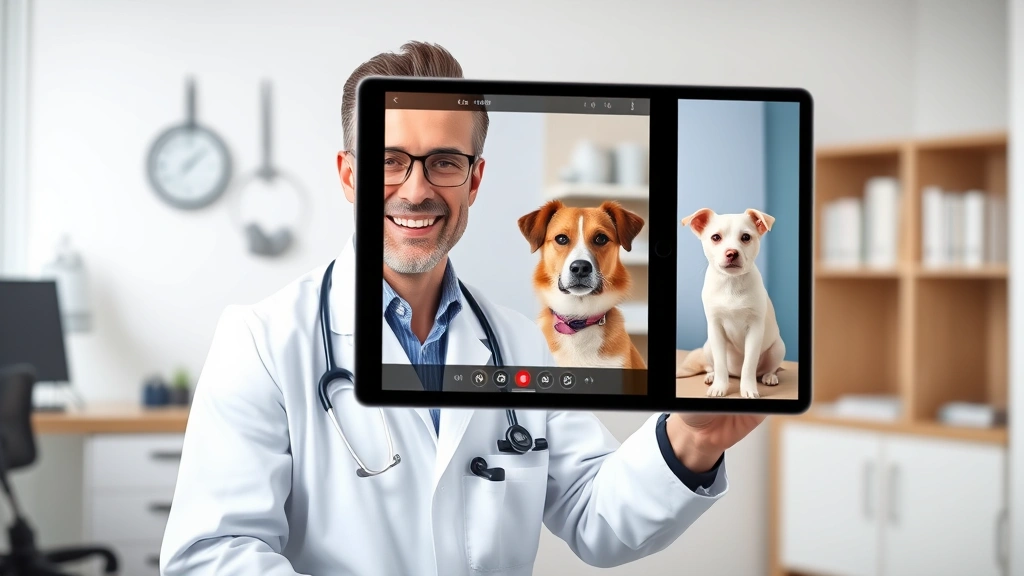
Modern telehealth has revolutionized how pet owners access veterinary guidance. The Pet Vet telehealth services offer a convenient way to get professional advice without leaving your home. If you’re unsure whether your pet needs urgent care, a quick telehealth check-in can give you peace of mind—no appointment needed.
Telehealth works best for:
- Initial symptom assessment and guidance
- Medication questions and side effect concerns
- Follow-up care after in-person visits
- Behavioral or nutritional questions
- Prescription refills and renewals
For conditions requiring physical examination, bloodwork, or imaging, your vet will recommend an in-person visit. Telehealth is a complement to traditional veterinary care, not a replacement.
Common Pet Health Issues and When to Call Your Vet
Not every health concern requires emergency care, but many warrant prompt veterinary attention. Understanding which issues need immediate response helps you prioritize effectively.
Call your vet today if your pet shows:
- Persistent coughing or sneezing (could indicate respiratory infection)
- Loss of appetite lasting more than one meal
- Diarrhea or constipation lasting more than 24 hours
- Limping or reluctance to move
- Excessive scratching or visible skin problems
- Ear discharge or head shaking
- Behavioral changes or unusual aggression
If your puppy isn’t eating or your dog is breathing fast, these warrant prompt evaluation. Getting vet advice right now rather than waiting can prevent complications.
Medication Side Effects: What’s Normal and What’s Not
Most pets tolerate medications well, but side effects can occur. Knowing what to watch for helps you catch problems early. Always ask your vet about potential side effects before starting any new medication.
Minor side effects that may resolve on their own:
- Mild drowsiness or increased alertness
- Slight appetite changes
- Mild nausea or loose stool
Contact your vet immediately if you notice:
- Severe vomiting or diarrhea
- Difficulty breathing
- Swelling of face, lips, or tongue
- Severe lethargy or collapse
- Tremors or seizures
- Behavioral changes (aggression, extreme anxiety)
Don’t stop medication without veterinary guidance, even if side effects occur. Your vet may adjust the dose, switch medications, or recommend managing side effects differently.
Nutrition and Medication: Important Interactions
What your pet eats can affect how medications work. Some foods enhance absorption, while others interfere with effectiveness. Diet choices matter especially for pets with allergies or chronic conditions.
Always ask your vet about:
- Whether medication should be given with or without food
- Any foods to avoid while on medication
- Whether supplements or treats might interfere with treatment
- How long to wait between medication and feeding
Some medications require an empty stomach for best absorption, while others cause stomach upset unless given with food. Following these instructions precisely maximizes your medication’s effectiveness.
Building Your Pet Emergency Plan
The best time to think about getting vet advice right now is before you actually need it. Having a plan in place reduces stress and ensures faster response when emergencies happen.
Create your pet emergency plan by:
- Identifying your primary vet and nearest emergency clinic (save numbers in your phone)
- Keeping a pet health record with vaccination dates and medical history
- Maintaining a list of any medications or allergies your pet has
- Knowing your pet’s normal vital signs (resting heart rate, breathing rate)
- Having recent photos of your pet for identification if lost during emergency
Share this information with family members and pet sitters so anyone caring for your pet can act quickly if needed.
Frequently Asked Questions
How quickly can I get vet advice right now?
Telehealth services like The Pet Vet often connect you with a veterinarian within minutes to hours, depending on demand. For true emergencies, visit your nearest emergency clinic immediately.
Can I give my pet over-the-counter medications without consulting a vet?
No—even over-the-counter products can be dangerous for pets or interfere with other treatments. Always consult your vet before giving any medication, supplement, or remedy.
What should I do if I miss a dose of my pet’s medication?
Give the missed dose as soon as you remember, unless it’s almost time for the next dose. Never double-dose. Call your vet if you’re unsure about timing.
Is telehealth vet advice as reliable as in-person visits?
Telehealth is excellent for initial assessment, medication questions, and follow-up care, but physical examination, bloodwork, and imaging require in-person visits. Your vet will recommend the best approach for your pet’s situation.
How can I tell if my pet’s condition is an emergency?
If your pet is having difficulty breathing, unconscious, unable to move, or in severe pain, seek emergency care immediately. When in doubt, contact your vet—they can help you determine urgency.
What To Do Now
- Save your veterinarian’s phone number and your nearest emergency clinic’s number in your phone contacts right now
- If your pet is showing concerning symptoms, document them in detail (when they started, how they’ve progressed, any triggers) before calling for vet advice right now
- Review any current medications your pet is taking and note the dosage, frequency, and any side effects you’ve observed
- Consider setting up a telehealth account with a service like The Pet Vet so you’re ready if you need quick guidance outside regular business hours
- Create a simple pet health record including vaccination dates, medical history, current medications, and allergies to share with any veterinarian
Summary: Getting the Vet Advice You Need, When You Need It
Accessing vet advice right now is easier than ever, thanks to modern telehealth options and emergency services. The key is knowing when to seek help, how to describe your pet’s symptoms clearly, and understanding how to administer medications properly once prescribed.
Your pet depends on you to advocate for their health. Whether you’re dealing with a sudden emergency, managing a chronic condition, or simply have questions about medication, don’t hesitate to reach out to your veterinarian. They’re there to help you keep your furry family member healthy and happy.
Remember: when in doubt, it’s always better to ask. Your vet would rather answer questions than have you worry alone.