
A virtual kitten vet appointment can be a lifesaver when your little furball isn’t acting like themselves, and you’re wondering whether it’s something that needs immediate attention or can wait. If you’re a new kitten parent, the uncertainty can feel overwhelming—especially when you’re not sure what symptoms warrant a call to the vet or how to manage your kitten’s health between visits.
Table of Contents
- What Is a Virtual Kitten Vet Appointment?
- When Should You Schedule a Virtual Kitten Vet Appointment?
- How to Prepare for Your Virtual Kitten Vet Appointment
- Common Kitten Health Issues Addressed in Virtual Appointments
- What to Expect During Your Virtual Kitten Vet Appointment
- Medication Management Through Virtual Appointments
- Tips for Getting the Most Out of Your Virtual Appointment
- When You Need an In-Person Visit Instead
- Cost and Accessibility of Virtual Kitten Vet Appointments
- Building a Long-Term Relationship With Your Kitten’s Vet
- Frequently Asked Questions
- What To Do Now
- Summary
This article is for informational purposes only and is not a substitute for professional veterinary advice. Always consult a licensed veterinarian for diagnosis and treatment.
The good news? Modern telehealth veterinary services have made it easier than ever to get professional guidance without leaving your home. Whether your kitten is dealing with digestive upset, behavioral concerns, or you just need peace of mind, understanding how a virtual kitten vet appointment works—and what to prepare—can make the experience smooth and productive.
What Is a Virtual Kitten Vet Appointment?
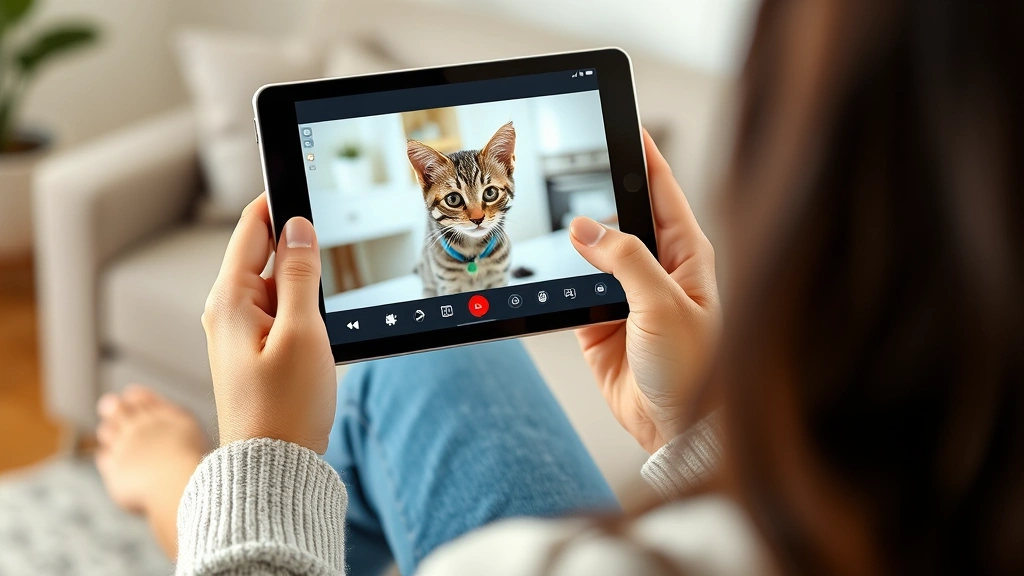
A virtual kitten vet appointment is a video or phone consultation with a licensed veterinarian who can assess your kitten’s symptoms, answer your questions, and provide guidance on care. These appointments work best for non-emergency situations where a visual exam and conversation are sufficient to help your kitten.
Unlike in-person visits, telehealth appointments eliminate travel time, reduce stress for anxious kittens, and often cost less. You’ll connect with a vet from the comfort of your home using a smartphone, tablet, or computer.
When Should You Schedule a Virtual Kitten Vet Appointment?
Virtual appointments are ideal for addressing concerns that don’t require hands-on physical examination or lab work. Consider scheduling one if your kitten is experiencing:
- Mild digestive issues like occasional vomiting or soft stools (if you’re unsure whether it’s urgent, a quick telehealth check-in can give you peace of mind—no appointment needed)
- Behavioral questions or anxiety-related concerns
- Loss of appetite or eating changes
- Persistent coughing or sneezing
- Medication refills or follow-up questions
- General wellness questions or preventive care advice
However, if your kitten shows signs of severe distress, trauma, difficulty breathing, or uncontrolled bleeding, seek emergency veterinary care immediately rather than waiting for a virtual appointment.
How to Prepare for Your Virtual Kitten Vet Appointment
Preparation makes all the difference in getting the most out of your telehealth visit. A well-organized appointment means the vet has the information they need, and you leave with clear answers.
Gather Medical Records and History
Have your kitten’s vaccination records, previous lab results, and any medication history readily available. If your kitten was recently adopted or you’re new to their health history, jot down what you know about their background.
Write Down Symptoms and Timeline
Before the appointment, list when symptoms started, how often they occur, and any patterns you’ve noticed. For example: “Vomited twice in the last three days, mostly after eating quickly” is far more helpful than “seems off.”
Prepare Your Environment
Choose a quiet, well-lit space where you can see and hear the vet clearly. Have your kitten nearby but not necessarily on camera the entire time—the vet will let you know when they need a visual.
Make a List of Questions
Write down everything you want to ask, from symptom-specific concerns to general wellness topics. This prevents you from forgetting important questions during the call.
Common Kitten Health Issues Addressed in Virtual Appointments
Many of the most frequent kitten concerns can be effectively evaluated through telehealth. Understanding which issues are commonly handled virtually can help you decide if a virtual appointment is right for your situation.
Digestive Concerns
If your kitten is experiencing mild vomiting or diarrhea, a vet can ask detailed questions about frequency, appearance, and any triggers. Learn more about addressing these issues in our guides on cat vomiting online and kitten diarrhea online. Catching digestive issues early puts you in a great position to prevent complications.
Appetite and Eating Issues
Changes in eating habits can signal various concerns, from stress to illness. A virtual consultation allows you to discuss your kitten’s eating patterns and receive personalized advice. For more information, explore our resource on cat not eating online.
Behavioral and Anxiety Concerns
Kittens can experience anxiety, fear, or behavioral challenges as they adjust to their new home. Virtual appointments are perfect for discussing these issues without adding the stress of a vet clinic visit. Check out our guides on kitten anxiety online and talking to a vet about cat anxiety. Early intervention with behavioral concerns often leads to better outcomes.
Respiratory Symptoms
Coughing, sneezing, or nasal discharge might warrant a virtual check-in. The vet can assess whether these symptoms suggest a minor upper respiratory infection or something requiring in-person evaluation. Learn more in our article about cat coughing online.
What to Expect During Your Virtual Kitten Vet Appointment
Understanding the flow of a telehealth visit can ease any nervousness you or your kitten might feel. Most virtual appointments follow a similar structure.
Initial Check-In
The vet will confirm your kitten’s name, age, and the reason for the visit. This is your chance to give a brief overview of what’s been happening.
Detailed Discussion
The vet will ask specific questions about symptoms, eating habits, bathroom behavior, activity level, and any recent changes. Be as detailed as possible—even small details matter.
Visual Assessment
The vet may ask you to show your kitten on camera to observe their appearance, behavior, and overall condition. They might ask you to gently check certain areas or describe what you see.
Recommendations and Next Steps
Based on the consultation, the vet will provide guidance on home care, whether medication might be needed, or if an in-person visit is necessary. They’ll explain their reasoning so you understand the plan.
Medication Management Through Virtual Appointments
One of the most practical benefits of a virtual kitten vet appointment is the ability to discuss and manage medications without leaving home. Vets can review your kitten’s current medications, discuss potential side effects, and adjust treatment plans as needed.

If your kitten requires medication, the vet can send a prescription to your preferred pharmacy. Always ask about proper administration techniques, timing with meals, and what to watch for. If you’re unsure whether your pet needs urgent care or just a medication refill, a quick telehealth check-in can give you peace of mind—no appointment needed.
Never give your kitten medication without veterinary guidance, and always follow the vet’s instructions carefully. If your kitten seems to have a negative reaction to any medication, contact your vet immediately.
Tips for Getting the Most Out of Your Virtual Appointment
A few simple strategies can dramatically improve the quality of your telehealth experience and the guidance you receive.
- Be Honest and Detailed: Share everything you’ve observed, even if it seems minor. Vets rely on your description since they can’t perform a full hands-on exam.
- Take Notes: Write down the vet’s recommendations, any medication names or instructions, and follow-up steps. You can reference these later if you have questions.
- Ask for Clarification: If something isn’t clear, ask the vet to explain it differently. Understanding the plan is crucial for your kitten’s care.
- Follow Up as Directed: If the vet recommends a follow-up appointment or in-person visit, schedule it promptly. Some conditions need monitoring or hands-on evaluation.
- Keep Records: Save the visit summary and any prescription information for your records.
When You Need an In-Person Visit Instead
While virtual appointments are incredibly convenient, some situations require an in-person examination. If your kitten needs blood work, urinalysis, physical palpation, or if the vet suspects a condition requiring hands-on assessment, they’ll recommend scheduling an in-person visit.
Trust your vet’s judgment on this. Sometimes what seems minor requires a thorough physical exam to rule out serious conditions. Your kitten’s safety is always the priority.
Cost and Accessibility of Virtual Kitten Vet Appointments
Virtual appointments are often more affordable than traditional vet visits, with fewer overhead costs passed on to pet owners. Pricing varies by platform and vet, but many telehealth services offer competitive rates.
Additionally, virtual appointments eliminate travel time and can be scheduled during evenings or weekends, making veterinary care more accessible for busy pet parents. If you’re on a tight budget, this accessibility can be a real advantage.
Building a Long-Term Relationship With Your Kitten’s Vet
Using virtual appointments doesn’t mean you can’t develop a meaningful relationship with your kitten’s veterinarian. Consistent telehealth visits allow the vet to become familiar with your kitten’s baseline health, personality, and history.
Over time, this familiarity makes the vet better equipped to spot changes and provide personalized care. Consider mixing virtual appointments with occasional in-person wellness visits for comprehensive care.
Frequently Asked Questions
Can a vet prescribe medication through a virtual appointment?
Yes, licensed vets can prescribe medication via telehealth in most cases. The prescription is typically sent electronically to your pharmacy or mailed to you.
Is a virtual appointment appropriate for a kitten’s first vet visit?
It’s ideal to have an initial in-person visit so the vet can perform a thorough physical exam and establish baseline health records. Virtual appointments work best for follow-ups or specific concerns.
What if my kitten won’t cooperate during the video call?
Don’t worry—kittens are naturally curious and may not stay still. The vet understands this. Just do your best to show your kitten on camera when needed, and describe what you observe if your kitten won’t cooperate.
How quickly can I get a virtual appointment?
Many telehealth platforms offer same-day or next-day appointments, depending on vet availability. This is one of the major advantages over traditional vet clinics.
Will a virtual appointment replace my kitten’s annual wellness exam?
No. Annual in-person exams are essential for vaccinations, physical assessments, and preventive care. Virtual appointments supplement routine care but don’t replace it.
What To Do Now
- Assess Your Kitten’s Symptoms: If your kitten is showing signs of illness or behavioral concerns, determine whether a virtual appointment might help you get answers quickly.
- Choose a Telehealth Platform: Research reputable veterinary telehealth services like The Pet Vet and read reviews to find one that fits your needs and budget.
- Gather Your Kitten’s Information: Compile medical records, vaccination history, and current medication lists so you’re prepared when you book an appointment.
- Schedule Your Virtual Appointment: Book a consultation at a time that works for you, and prepare your quiet space and list of questions in advance.
- Follow Through on Recommendations: After your appointment, implement the vet’s guidance and schedule any recommended follow-up visits promptly.
Summary
A virtual kitten vet appointment offers convenient, accessible veterinary care for many common kitten health and behavioral concerns. By preparing thoroughly, communicating clearly with your vet, and understanding when in-person care is necessary, you can provide your kitten with excellent health support.
Whether your kitten is dealing with digestive issues, anxiety, eating changes, or you simply need professional guidance, telehealth makes it easier to connect with a licensed veterinarian. Remember that virtual care complements—but doesn’t replace—regular in-person wellness exams and emergency care when needed.
Your kitten’s health and happiness are worth the investment in quality veterinary care, and modern telehealth makes that care more accessible than ever before.
This article is for general education and is not a substitute for care from your own veterinarian. Learn about The Pet Vet and our editorial policy.