
Discovering warts in cats can be unsettling for any pet owner, but the good news is that these growths are usually manageable and often benign. If you’ve noticed small, rough bumps on your cat’s skin, you’re not alone—many cat owners face this concern. Understanding what causes these growths and what treatment options exist can help you feel more confident about your next steps.
Table of Contents
- What Are Warts in Cats?
- Common Signs Your Cat May Have Warts
- Why Do Cats Develop Warts?
- Treatment Option 1: Topical Antiviral Creams
- Treatment Option 2: Immune-Boosting Supplements
- Treatment Option 3: Cryotherapy (Freezing)
- Treatment Option 4: Surgical Removal
- Treatment Option 5: Laser Therapy
- Treatment Option 6: Interferon Therapy
- Treatment Option 7: Watchful Waiting with Supportive Care
- Preventing Warts in Cats: Key Steps
- When to Seek Urgent Veterinary Care
- The Role of Nutrition in Recovery
- Managing Stress During Treatment
- Recovery Timeline and Expectations
- Frequently Asked Questions
- Summary: Taking Action for Your Cat’s Health
- What To Do Now
This article is for informational purposes only and is not a substitute for professional veterinary advice. Always consult a licensed veterinarian for diagnosis and treatment.
What Are Warts in Cats?
Warts are small, benign skin growths that develop when certain viruses infect the outer layer of your cat’s skin. Unlike the warts you might see on humans, feline warts are typically caused by feline papillomavirus (FPV). These growths often appear as rough, raised bumps and can vary in size from tiny pinpoints to larger nodules.
The good news? Most warts in cats are harmless and don’t cause pain or discomfort. However, they can occasionally become irritated if your cat licks or scratches at them, which is why monitoring and early intervention matter.
Common Signs Your Cat May Have Warts
Spotting warts early makes treatment easier and more effective. Here are the telltale signs to watch for:
- Rough, bumpy skin texture that feels different from normal fur
- Small raised growths on the face, ears, or paws
- Crusty or scaly appearance on the affected area
- Mild itching or scratching at the location
- Hair loss around the warty growth
If you notice any of these signs, don’t panic. Catching this early puts you in a great position to help your cat feel comfortable again. A quick telehealth check-in can give you peace of mind and confirm whether what you’re seeing is truly a wart or something else.
Why Do Cats Develop Warts?
Feline papillomavirus spreads through direct contact with an infected cat or contaminated surfaces. Cats with weakened immune systems—whether from age, stress, or underlying health conditions—are more susceptible to developing warts. Outdoor cats or those in multi-cat households may have higher exposure risk.
Environmental factors like poor nutrition, stress, or concurrent illness can also lower your cat’s immune defenses, making them more vulnerable. Understanding the cause helps you take preventive steps for the future.
Treatment Option 1: Topical Antiviral Creams
Many veterinarians recommend topical antiviral treatments as a first-line approach for mild warts. These creams work by boosting your cat’s local immune response and helping the body fight the virus naturally. They’re applied directly to the affected area and are generally well-tolerated.
The advantage here is minimal systemic side effects since the medication stays localized. However, you’ll need to prevent your cat from licking the area—sometimes easier said than done! Your vet may recommend an Elizabethan collar if your cat is persistent about grooming the treated spot.
Treatment Option 2: Immune-Boosting Supplements
Supporting your cat’s immune system from the inside out can help the body naturally clear the viral infection. Supplements containing lysine, beta-glucans, or other immune modulators may help reduce wart severity and prevent recurrence. These work best as part of a comprehensive wellness approach rather than standalone solutions.
Many cats tolerate these supplements well when mixed into wet food or given as treats. Consistency matters—most veterinarians recommend giving immune support for several weeks to see meaningful results.
Treatment Option 3: Cryotherapy (Freezing)
Cryotherapy involves freezing the wart with liquid nitrogen, causing the tissue to die and eventually fall off. This procedure is quick, relatively painless, and highly effective for individual warts. Your veterinarian performs this in-clinic, and most cats recover within days.
The downside is that cryotherapy works best for accessible warts and may not prevent new growths if the underlying viral infection isn’t addressed. It’s often combined with immune support for the best outcomes.
Treatment Option 4: Surgical Removal
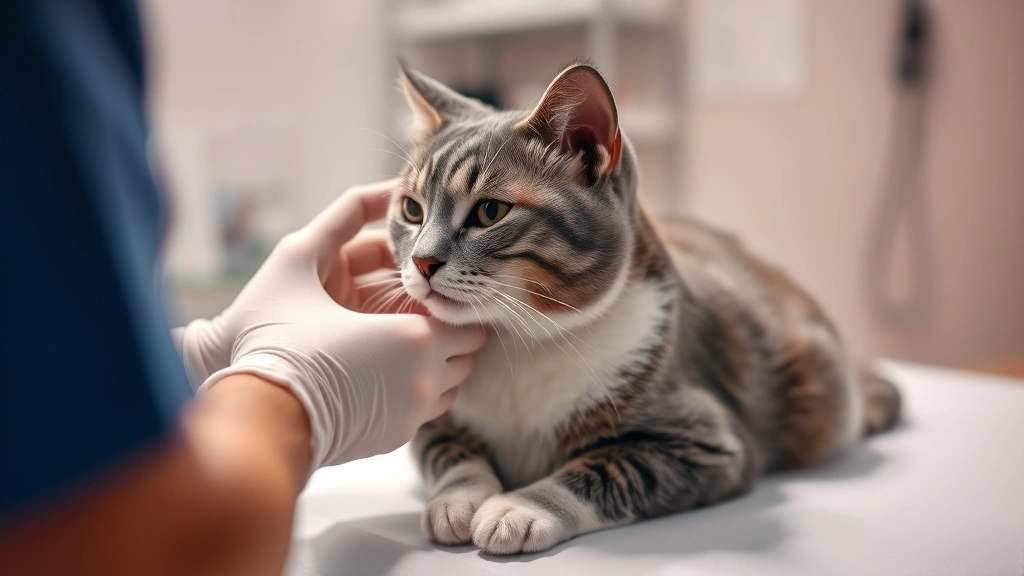
For larger warts or those causing discomfort, surgical removal might be necessary. Your veterinarian can remove the growth under local or general anesthesia, depending on the size and location. The removed tissue is typically sent for biopsy to confirm it’s benign.
Recovery is straightforward for most cats, though you’ll need to keep the surgical site clean and prevent licking during healing. This option is especially useful when warts interfere with eating, vision, or mobility.
Treatment Option 5: Laser Therapy
Laser therapy uses focused light energy to remove warts with precision and minimal damage to surrounding tissue. It’s particularly useful for multiple small warts or those in sensitive areas. Recovery is often faster than traditional surgery, and scarring is typically minimal.
Not all veterinary clinics offer laser therapy, so you may need to seek a specialist. The cost is higher than other options, but many cat owners find the precision and quick healing worth the investment.
Treatment Option 6: Interferon Therapy
Interferon is a protein that enhances immune function and has shown promise in treating feline papillomavirus infections. This treatment may be recommended for cats with multiple warts or those not responding to topical approaches. It can be administered orally or by injection, depending on your cat’s needs.
This option requires close monitoring and follow-up appointments with your veterinarian. It works best when combined with other supportive care measures.
Treatment Option 7: Watchful Waiting with Supportive Care
Many warts in cats regress naturally as the immune system clears the infection. If your cat’s warts aren’t causing discomfort or affecting quality of life, your veterinarian might recommend monitoring rather than aggressive treatment. This approach involves regular check-ins and supportive care to boost immunity.
Focus on maintaining optimal nutrition, reducing stress, and ensuring your cat stays healthy overall. Sometimes patience and good preventive care are all that’s needed. Your vet can guide you on when intervention becomes necessary.
Preventing Warts in Cats: Key Steps
While you can’t completely prevent exposure to feline papillomavirus, you can reduce risk and severity:
- Maintain excellent nutrition with high-quality cat food to support immune function
- Minimize stress through environmental enrichment and routine
- Limit exposure to other cats if your pet is immunocompromised
- Keep your cat indoors to reduce viral exposure from outdoor environments
- Regular veterinary check-ups catch early signs before warts progress
A strong immune system is your cat’s best defense. If your cat has other health concerns like feline upper respiratory infections or anemia in cats, addressing those can indirectly help prevent wart development.
When to Seek Urgent Veterinary Care
Most warts don’t require emergency treatment, but certain situations warrant prompt veterinary attention. If a wart becomes infected, bleeds, or grows rapidly, contact your veterinarian right away. Similarly, if your cat stops eating or shows signs of pain around the affected area, don’t wait.
If you’re unsure whether your pet needs urgent care, a quick telehealth check-in can give you peace of mind—no appointment needed. Many cases can be evaluated and triaged effectively through video consultation.
The Role of Nutrition in Recovery
What your cat eats directly impacts immune strength and healing capacity. Ensure your cat’s diet includes adequate protein, essential fatty acids, and vitamins A, C, and E—all crucial for skin health and viral resistance. If you’re uncertain about your cat’s current diet, ask your veterinarian for recommendations.
Some foods may actually weaken immunity. Learn more about foods cats should avoid to optimize your cat’s nutritional foundation during treatment.
Managing Stress During Treatment
Stress suppresses immune function, which can slow wart healing or increase recurrence risk. Help your cat feel calm and secure during treatment by maintaining routine, providing quiet spaces, and minimizing environmental changes. Cat calming supplements may help anxious cats stay relaxed during the healing process.
A calm cat is a healthier cat. Small adjustments to your home environment can make a meaningful difference in treatment outcomes.
Recovery Timeline and Expectations
Recovery timelines vary depending on the treatment chosen. Topical treatments may take 2-4 weeks to show results, while cryotherapy often shows improvement within 7-10 days. Surgical removal provides immediate results but requires a healing period of 10-14 days. Immune-boosting approaches may take 4-8 weeks to demonstrate effectiveness.
Your veterinarian will provide a more specific timeline based on your cat’s individual situation. Regular follow-up appointments help track progress and adjust the treatment plan if needed.
Frequently Asked Questions
Are warts in cats contagious to humans?
No, feline papillomavirus does not infect humans. You cannot catch warts from your cat, so there’s no need to avoid contact or take special precautions beyond basic hygiene.
Can warts in cats turn into cancer?
Most feline warts are benign and do not become cancerous. However, your veterinarian may recommend biopsy if a growth looks unusual or changes rapidly, ensuring proper diagnosis.
Do all cats need treatment for warts?
Not necessarily. If warts aren’t bothering your cat or affecting quality of life, watchful waiting with supportive care may be appropriate. Your vet will help determine if intervention is needed.
How long do warts typically last in cats?
Without treatment, warts may persist for weeks to months as the immune system works to clear the infection. With treatment, many cats see improvement within 2-8 weeks depending on the approach.
Can warts come back after treatment?
Yes, recurrence is possible if the underlying viral infection isn’t fully cleared or if immunity remains compromised. Maintaining strong immune support helps prevent regrowth.
Summary: Taking Action for Your Cat’s Health
Warts in cats are typically manageable, benign growths that respond well to various treatment approaches. Whether you choose topical treatments, immune support, professional removal, or watchful waiting, the key is early detection and consistent care. Your cat’s individual situation—age, overall health, number of warts, and location—will guide the best treatment choice.
Remember that most cats recover well from warts with proper veterinary guidance. Stay proactive about your cat’s health, maintain strong nutrition and stress management, and don’t hesitate to reach out to your veterinarian with concerns.
What To Do Now
- Schedule a veterinary consultation to confirm the diagnosis and rule out other skin conditions that may look similar
- Document the warts with photos and notes about size, location, and any changes you’ve noticed over time
- Discuss treatment options with your veterinarian based on your cat’s age, health status, and the severity of the warts
- Start immune-boosting measures immediately, including high-quality nutrition and stress reduction, regardless of other treatments chosen
- Schedule follow-up appointments to monitor progress and adjust the treatment plan if needed
Your cat is counting on you, and taking these steps shows you’re already on the right path to helping them feel better. If you have questions about whether your cat needs immediate evaluation, consult with your veterinarian or consider a convenient telehealth visit for quick guidance.