
If your dog is limping after playtime, struggling to climb stairs, or just seems stiffer in the mornings, you’re probably wondering about Adequan Canine RX vs alternatives for joint pain relief. Watching your best friend slow down is heartbreaking, but the good news is that modern veterinary medicine offers several effective options to help your dog move comfortably again.
Table of Contents
- What Is Adequan for Dogs?
- How Adequan Works in Your Dog’s Body
- Common Signs Your Dog Might Benefit from Joint Treatment
- Alternative Joint Treatments to Consider
- Adequan vs. Oral Supplements: Which Works Better?
- Cost Comparison: What You’ll Actually Pay
- Related Conditions That Affect Joint Health
- What To Expect During Adequan Treatment
- Potential Side Effects and Safety Considerations
- Frequently Asked Questions
- Making the Right Choice for Your Dog
- What To Do Now
- Summary: Your Dog’s Path to Better Mobility
This article is for informational purposes only and is not a substitute for professional veterinary advice. Always consult a licensed veterinarian for diagnosis and treatment.
Joint problems in dogs are incredibly common—especially as they age or after injuries. The key is finding the right treatment approach for your individual dog. Let’s explore what Adequan offers and how it stacks up against other joint care solutions.
What Is Adequan for Dogs?
Adequan is a prescription medication that contains polysulfated glycosaminoglycan (PSGAG), a compound that works to protect and repair joint cartilage. Think of it as a targeted repair system for the wear and tear happening inside your dog’s joints.
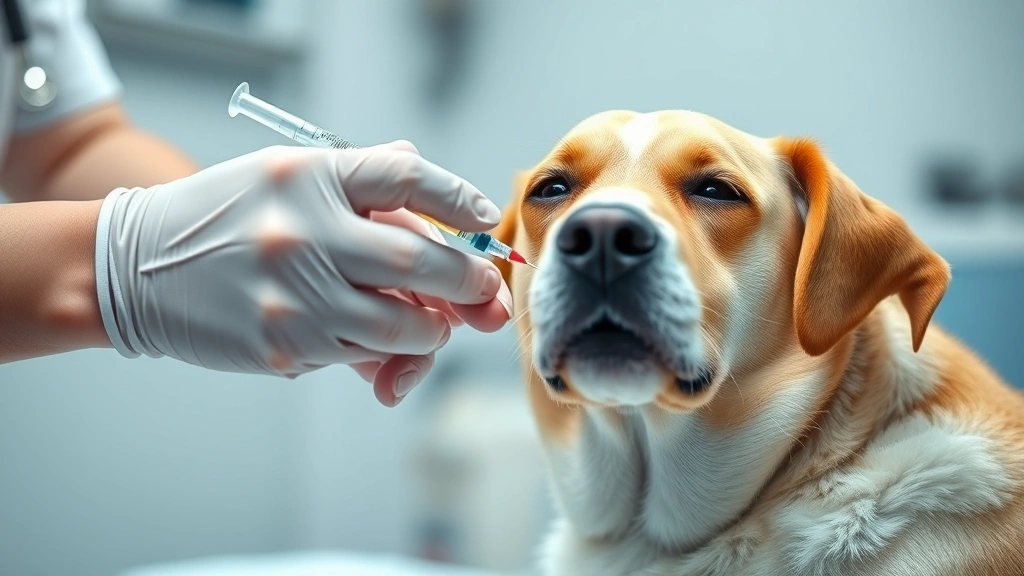
The medication is typically given as injections, either intramuscularly or intra-articularly (directly into the joint). Many veterinarians recommend it for dogs experiencing osteoarthritis, joint degeneration, or cartilage damage from injuries.
What makes Adequan stand out is its mechanism: it doesn’t just mask pain like some other treatments. Instead, it actively works to slow cartilage breakdown and promote healing within the joint itself. This is why many vets consider it a disease-modifying treatment rather than just a pain reliever.
How Adequan Works in Your Dog’s Body
Understanding how Adequan functions can help you appreciate why your vet might recommend it. The medication helps by:
- Inhibiting enzymes that break down cartilage
- Improving blood flow to the affected joint
- Reducing inflammation in the joint space
- Stimulating the production of protective joint fluid
- Promoting cartilage repair and regeneration
The treatment typically requires an initial series of injections followed by maintenance doses. Your veterinarian will develop a schedule tailored to your dog’s specific condition and response to treatment.
Common Signs Your Dog Might Benefit from Joint Treatment
Before diving into treatment options, it’s important to recognize when your dog actually needs joint support. Common indicators include:
- Limping or favoring one leg, especially after rest
- Difficulty standing up or climbing stairs
- Reluctance to jump, run, or play
- Stiffness that improves with gentle movement
- Swelling around joints
- Behavioral changes like increased irritability or withdrawal
Catching these signs early puts you in a great position to help—early intervention often leads to better long-term outcomes. If you notice any of these symptoms, a conversation with your veterinarian is the next step.
Alternative Joint Treatments to Consider
While Adequan is effective, it’s not the only option available. Here’s how other treatments compare:
Oral Supplements and Nutraceuticals
Glucosamine, chondroitin, and MSM supplements are available over-the-counter and work differently than Adequan. These compounds support joint health by providing building blocks for cartilage and reducing inflammation.
The advantage? They’re non-prescription, affordable, and have minimal side effects. The challenge? Results take longer to appear, and effectiveness varies significantly between individual dogs. Many pet owners use these as maintenance therapy alongside other treatments.
NSAIDs (Non-Steroidal Anti-Inflammatory Drugs)
Prescription NSAIDs like carprofen, meloxicam, and firocoxib are pain relievers that also reduce inflammation. They work quickly and are excellent for managing acute pain and swelling.
However, NSAIDs don’t repair cartilage like Adequan does—they primarily control symptoms. Long-term use requires monitoring for potential side effects on the liver and kidneys, which is why regular veterinary check-ups are essential.

Platelet-Rich Plasma (PRP) and Stem Cell Therapy
These cutting-edge treatments harness your dog’s own healing cells to repair joint damage. PRP concentrates healing factors from blood, while stem cell therapy uses regenerative cells to rebuild cartilage.
These options are more expensive and less widely available than Adequan, but they show promising results for severe cases. They’re often considered when traditional treatments haven’t provided enough relief.
Physical Therapy and Rehabilitation
Don’t overlook the power of controlled exercise, hydrotherapy, and professional rehabilitation. Physical therapy strengthens muscles around damaged joints, improves mobility, and reduces pain naturally.
Many dogs benefit most from combining physical therapy with medical treatments. It’s a non-invasive approach that works synergistically with medications like Adequan.
Adequan vs. Oral Supplements: Which Works Better?
This is the question every dog owner asks. The truth? It depends on your dog’s specific situation.
Adequan’s advantages: Faster action, more direct delivery to joints, disease-modifying properties, and often more dramatic results in moderate-to-severe cases.
Oral supplements’ advantages: Lower cost, easier administration, good for mild cases or long-term maintenance, and no injection anxiety for needle-sensitive dogs.
Many veterinarians recommend starting with Adequan for dogs with obvious joint problems, then transitioning to oral supplements for maintenance once improvement is seen. Others use both simultaneously for maximum benefit.
Cost Comparison: What You’ll Actually Pay
Budget matters when managing chronic conditions. Here’s a realistic breakdown:
- Adequan: Initial treatment series (4-8 injections) typically costs $400-$800, with maintenance injections running $100-$200 per month
- Oral glucosamine/chondroitin: $20-$60 monthly depending on quality and dog size
- Prescription NSAIDs: $30-$100 monthly for ongoing pain management
- PRP or stem cell therapy: $2,000-$5,000+ per treatment
Your dog’s size, severity of condition, and local veterinary pricing will affect these estimates. Some pet insurance plans cover Adequan, so check your policy.
Related Conditions That Affect Joint Health
Joint problems don’t exist in isolation. Conditions like spondylosis in dogs often accompany osteoarthritis, requiring a comprehensive treatment approach. Additionally, muscle wasting in dogs frequently occurs when dogs reduce activity due to joint pain, creating a cycle that treatment can help break.
Understanding these connections helps explain why your veterinarian might recommend multiple interventions working together. Treating just the pain without addressing muscle support, for instance, leaves your dog vulnerable to further deterioration.
What To Expect During Adequan Treatment
If your vet recommends Adequan, here’s what the typical timeline looks like:
- Weeks 1-4: Initial injection series; some dogs show improvement within days, others take 2-3 weeks
- Weeks 4-8: Continued improvement as the medication accumulates in joint tissues
- Weeks 8+: Maintenance phase with less frequent injections to sustain benefits
Not every dog responds identically. Some experience dramatic improvement in mobility and pain levels, while others see more modest but still meaningful gains. Your vet will monitor your dog’s progress and adjust the treatment plan accordingly.
Potential Side Effects and Safety Considerations
Adequan is generally well-tolerated, but like any medication, it carries potential considerations. Some dogs may experience mild soreness at injection sites or temporary behavioral changes.
Serious side effects are rare but can include allergic reactions or gastrointestinal upset. This is why your veterinarian takes a complete medical history before starting treatment and monitors your dog during the initial series.
If you’re unsure whether your dog is tolerating Adequan well or experiencing side effects, a quick telehealth check-in with your veterinarian can give you peace of mind—no appointment needed. Early communication prevents small concerns from becoming larger problems.
Frequently Asked Questions
How long does it take for Adequan to work in dogs?
Some dogs show improvement within 3-5 days, but most experience noticeable benefits within 2-4 weeks. The medication works cumulatively, so patience is important during the initial treatment phase.
Can I use Adequan alongside other joint supplements?
Yes, many veterinarians recommend combining Adequan with oral glucosamine or other supplements for enhanced benefits. Always confirm with your vet before adding supplements to prevent interactions.
Is Adequan safe for senior dogs?
Adequan is often prescribed for senior dogs since they’re more prone to joint problems. However, your vet will assess your individual dog’s kidney and liver function before recommending it.
How often does my dog need Adequan injections long-term?
After the initial treatment series, maintenance typically involves injections every 6-12 weeks, though this varies based on your dog’s response and condition severity.
What’s the difference between Adequan and NSAIDs like carprofen?
Adequan repairs cartilage and slows degeneration, while NSAIDs primarily manage pain and inflammation. They work differently and are often used together for optimal results.
Making the Right Choice for Your Dog
Selecting the best joint treatment isn’t one-size-fits-all. It depends on your dog’s age, weight, condition severity, budget, and overall health status. The most important step is having an honest conversation with your veterinarian about your dog’s symptoms, your treatment goals, and what you’re realistically able to commit to.
Some dogs thrive on Adequan alone, others benefit from combining it with oral supplements and physical therapy, and some do well with just high-quality supplements and lifestyle modifications. Your vet’s experience with your specific dog gives them invaluable insight.
What To Do Now
Ready to help your dog feel better? Here are your next steps:
- Schedule a veterinary examination: Get a professional assessment of your dog’s joint health and any underlying conditions that might affect treatment choice
- Discuss all available options: Ask your vet specifically about Adequan, oral supplements, NSAIDs, and any other treatments they’d recommend for your dog’s situation
- Create a treatment plan: Work with your vet to develop a comprehensive approach that might include multiple therapies working together
- Plan for monitoring: Establish a timeline for reassessing how your dog is responding and adjusting treatment as needed
- Explore financial assistance: Ask about payment plans, pet insurance coverage, or pharmaceutical assistance programs if cost is a concern
Summary: Your Dog’s Path to Better Mobility
Adequan Canine RX offers a scientifically-backed approach to joint repair that many dogs respond to beautifully. However, it’s one tool among several effective options. The best choice combines your dog’s specific needs, your veterinarian’s professional recommendation, and realistic expectations about what treatment can achieve.
Your dog’s joint health journey is unique. Whether you choose Adequan, supplements, NSAIDs, or a combination approach, the fact that you’re researching and taking action means your dog is already in better hands. Early intervention and consistent management make a real difference in quality of life.
Don’t let joint pain steal your dog’s joy. With the right treatment plan in place, many dogs return to their playful, comfortable selves. Your veterinarian is your partner in making that happen.