
If your cat is straining to urinate, crying in the litter box, or having accidents around the house, you’re likely worried—and for good reason. Cat urinary tract infection home treatment can help ease your cat’s discomfort while you work with your veterinarian to address the underlying issue. Urinary tract infections (UTIs) are surprisingly common in cats, and catching them early means you can start helping your feline friend feel better sooner.
Table of Contents
- Understanding Cat Urinary Tract Infections
- Why Hydration Is Your First Line of Defense
- Dietary Adjustments for Urinary Health
- The Power of Cranberry Supplements
- Creating a Stress-Free Litter Environment
- Warmth and Comfort Measures
- Probiotics and Gut Health Support
- When to Seek Immediate Veterinary Care
- Monitoring Progress and When Home Treatment Isn’t Enough
- Frequently Asked Questions
- What To Do Now
- Summary: Supporting Your Cat Through Recovery
This article is for informational purposes only and is not a substitute for professional veterinary advice. Always consult a licensed veterinarian for diagnosis and treatment.
The good news? There are several supportive home care strategies that, combined with professional veterinary guidance, can make a real difference in your cat’s recovery. Let’s walk through what you need to know.
Understanding Cat Urinary Tract Infections
A urinary tract infection in cats occurs when bacteria or other pathogens colonize the urinary system, typically the bladder or urethra. Your cat’s body is trying to fight off the infection, which is why you’re seeing those distressing symptoms.
It’s important to understand that while home remedies can provide comfort and support, they work best alongside professional veterinary care. Your vet can confirm the infection through urinalysis and recommend appropriate treatment. Catching this early puts you in a great position to help your cat recover quickly.
Why Hydration Is Your First Line of Defense
The single most important thing you can do at home is encourage your cat to drink more water. Increased fluid intake helps flush bacteria from the urinary system naturally.
- Provide multiple water bowls throughout your home—cats often prefer water away from their food and litter box
- Consider a cat water fountain, as many cats are attracted to moving water and drink more from them
- Wet food (canned or fresh) adds moisture to your cat’s diet without requiring them to drink more from a bowl
- Some cats respond well to broth (unsalted, no onions or garlic) mixed into their water or offered separately
This simple strategy can significantly reduce symptom severity while your cat receives professional treatment.
Dietary Adjustments for Urinary Health
What your cat eats plays a surprisingly important role in urinary tract health. Certain foods and nutrients can support your cat’s natural defenses against infection.
Moisture-rich diets are particularly beneficial. Switching to wet food temporarily—or mixing wet food with dry kibble—increases overall water intake and promotes more frequent urination, which helps flush the urinary tract. Additionally, foods formulated for urinary health often contain specific mineral balances that support bladder function.
You might also explore human foods cats can eat that have natural anti-inflammatory properties, though always check with your vet first. Some cat owners find that kidney-supportive diets also benefit urinary tract health due to their balanced mineral content.
The Power of Cranberry Supplements
Cranberry has been studied extensively for urinary tract health in both humans and pets. The active compounds in cranberries may help prevent bacteria from adhering to bladder walls, making infection less likely to take hold.
For cats, cranberry supplements come in several forms: capsules, powders, or liquids designed for feline use. Always choose pet-specific products, as human supplements may contain ingredients unsafe for cats. Your veterinarian can recommend appropriate dosing and whether cranberry is suitable for your individual cat.
This remedy works best as a preventative or supportive measure rather than a cure on its own, but many cat owners report positive results when combined with other home care strategies.

Creating a Stress-Free Litter Environment
Stress can worsen urinary tract issues in cats—in fact, stress-related urinary problems are extremely common in felines. During recovery, make litter box time as comfortable and low-stress as possible.
- Provide multiple litter boxes (the rule is one per cat plus one extra) placed in quiet, accessible locations
- Keep boxes clean, scooping at least twice daily—bacteria thrive in dirty litter
- Use soft, unscented litter if your cat tolerates it; some cats find traditional litter irritating when already experiencing urinary discomfort
- Place boxes away from food, water, and high-traffic areas
- Consider adding a second box specifically for urination if your cat seems hesitant to use the regular one
A calm, clean litter environment reduces stress and encourages your cat to urinate regularly, which naturally flushes the urinary tract.
Warmth and Comfort Measures
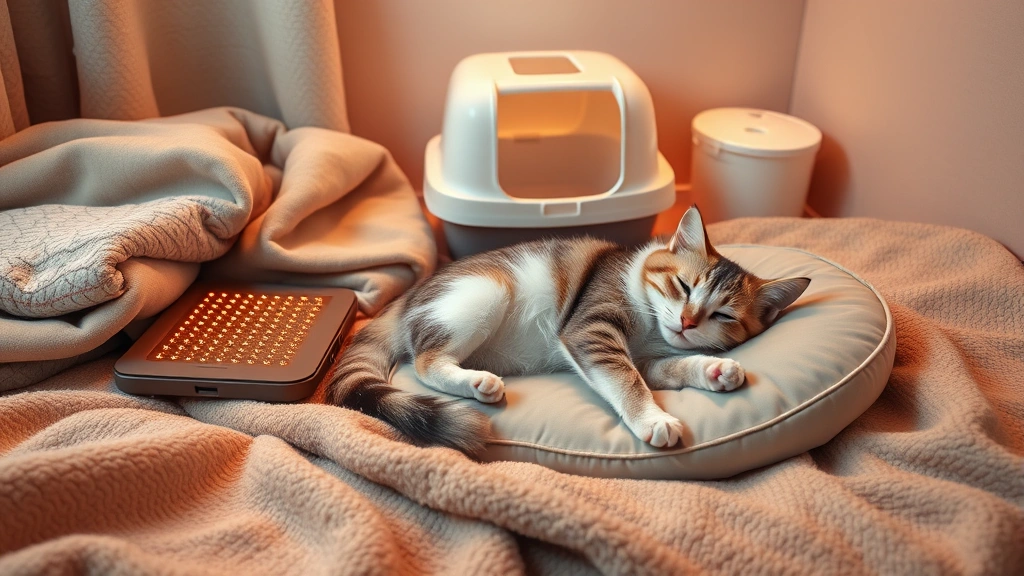
When your cat is experiencing urinary discomfort, providing warmth can help ease pain and encourage relaxation. Cats often appreciate heated spaces during recovery.
Consider placing a heating pad (on low setting, never directly against skin) near your cat’s favorite resting spot, or offer a warm blanket in a quiet area where your cat can retreat. Warmth promotes blood flow to affected areas and can provide soothing comfort—much like how a heating pad helps humans with similar issues.
Additionally, ensure your cat has a quiet, safe space away from other pets or household activity where they can rest undisturbed during recovery.
Probiotics and Gut Health Support
The connection between gut health and urinary tract health is stronger than many pet owners realize. A balanced microbiome supports your cat’s immune system, which helps fight infection more effectively.
Pet-specific probiotics designed for cats may help restore healthy bacterial balance, especially if your cat has been on antibiotics. Look for products containing feline-appropriate strains like Lactobacillus or Bifidobacterium. Again, always consult your vet before starting any supplement regimen.
This is a gentle, supportive measure that works alongside—not instead of—professional veterinary care.
When to Seek Immediate Veterinary Care
While home treatment can provide comfort and support, certain symptoms require urgent professional attention. Don’t delay if your cat shows these signs:
- Complete inability to urinate (straining with no output)
- Blood in urine
- Severe lethargy or collapse
- Vomiting or loss of appetite lasting more than a few hours
- Signs of pain (crying, aggression when touched)
If you’re unsure whether your cat needs urgent care, a quick telehealth check-in can give you peace of mind—no appointment needed. The Pet Vet’s online consultations let you describe symptoms to a licensed veterinarian from home, helping you determine the best next step.
Monitoring Progress and When Home Treatment Isn’t Enough
As you implement these home care strategies, track your cat’s symptoms daily. Note changes in litter box frequency, straining, accidents, or pain levels. This information is invaluable for your veterinarian.
If symptoms don’t improve within 2-3 days of starting home treatment, or if they worsen, professional intervention is necessary. Your vet may recommend antibiotics, prescription urinary diet, or further diagnostic testing to rule out other conditions like bladder stones or crystals.
Remember: home remedies are most effective when used as a complement to, not a replacement for, veterinary care.
Frequently Asked Questions
Can I treat my cat’s UTI without antibiotics?
Home remedies can provide comfort and support, but bacterial UTIs typically require antibiotics prescribed by a veterinarian. Your vet will determine if antibiotics are necessary based on urinalysis results.
How long does it take for home treatment to work?
Some cats show improvement in 2-3 days with increased hydration and comfort measures, but professional veterinary evaluation is important to confirm the infection and ensure appropriate treatment.
Is cranberry safe for all cats?
Most cats tolerate cranberry supplements well, but some may have sensitivities. Always use pet-specific products and discuss with your vet before starting, especially if your cat has other health conditions.
What’s the difference between a UTI and FLUTD?
UTI refers to bacterial infection, while FLUTD (feline lower urinary tract disease) is a broader category including infections, crystals, and idiopathic inflammation. Your vet can distinguish between these conditions.
Can stress really cause urinary problems in cats?
Yes, stress is a significant trigger for feline lower urinary tract issues. Reducing stress through environmental enrichment, multiple litter boxes, and calm spaces is an important part of prevention and recovery.
What To Do Now
- Schedule a veterinary appointment or telehealth consultation to confirm the UTI diagnosis and rule out other conditions. If you’re unsure about urgency, The Pet Vet can provide a quick assessment.
- Increase water intake immediately by adding multiple water bowls, considering a fountain, and switching to wet food—this is your most powerful home remedy.
- Clean and optimize litter boxes by adding an extra box, scooping twice daily, and placing them in quiet, accessible locations away from stress.
- Discuss supplements with your vet, including cranberry products and probiotics, to determine which are appropriate for your individual cat.
- Monitor symptoms daily and keep detailed notes to share with your veterinarian about your cat’s progress and any changes in behavior or litter box habits.
Summary: Supporting Your Cat Through Recovery
Cat urinary tract infection home treatment centers on three pillars: hydration, comfort, and stress reduction. While these supportive measures can ease your cat’s discomfort, professional veterinary care remains essential for proper diagnosis and treatment.
The strategies outlined here—increased water intake, dietary adjustments, a clean litter environment, and gentle comfort measures—work best when paired with your veterinarian’s guidance. If you’re uncertain about next steps or concerned about your cat’s symptoms, don’t hesitate to reach out. The Pet Vet’s telehealth platform makes it easy to get professional advice without the stress of a clinic visit.
Your cat is lucky to have an owner who’s taking action and seeking solutions. With proper care and attention, most cats recover well from urinary tract infections and return to their happy, healthy selves.
External Resources:
For more information on feline urinary health, consult the American Veterinary Medical Association (AVMA), PetMD’s feline health guides, or ask your veterinarian for evidence-based recommendations specific to your cat’s situation.