
If your cat is straining to urinate, making frequent trips to the litter box, or crying out in pain, you’re likely dealing with a cat urinary tract infection home treatment situation that feels urgent and stressful. This is especially frustrating for pet owners because urinary issues can develop quickly, and the discomfort your cat experiences is real and sometimes heartbreaking to watch. The good news? Catching this early puts you in a great position to help your cat feel better, and there are several evidence-based home care strategies that can support recovery alongside professional veterinary guidance.
Table of Contents
- Understanding Cat Urinary Tract Infections
- Why Professional Diagnosis Matters First
- Remedy 1: Increase Water Intake and Hydration
- Remedy 2: Provide a Clean, Stress-Free Litter Environment
- Remedy 3: Incorporate Prescription or Supportive Urinary Diets
- Remedy 4: Use Cat Urinary Supplements
- Remedy 5: Maintain Proper Nutrition and Immune Support
- Remedy 6: Apply Gentle Warmth and Comfort Measures
- Remedy 7: Monitor Symptoms and Track Progress
- Table of Contents
- When to Seek Immediate Veterinary Care
- How Long Does Recovery Take?
- Preventing Future Urinary Tract Infections
- What To Do Now
- Frequently Asked Questions
- Summary: Taking Control of Your Cat’s Urinary Health
This article is for informational purposes only and is not a substitute for professional veterinary advice. Always consult a licensed veterinarian for diagnosis and treatment.
Understanding Cat Urinary Tract Infections
A cat urinary tract infection occurs when bacteria or other pathogens colonize the bladder, urethra, or kidneys. Think of it this way: the urinary system is normally sterile, but when harmful microorganisms breach that barrier, inflammation and infection follow. This leads to the painful, urgent symptoms cat owners recognize immediately.
What makes UTIs particularly tricky in cats is that they can escalate quickly. A simple bladder infection can progress to a more serious kidney infection if left untreated. This is why combining home remedies with professional veterinary care is so important—home treatment alone isn’t enough, but it can significantly enhance your cat’s comfort and recovery speed.
Why Professional Diagnosis Matters First
Before diving into home remedies, it’s crucial to understand that a vet needs to confirm the diagnosis. Cats can show urinary symptoms for several reasons: urinary blockages, bladder stones, feline idiopathic cystitis, or actual bacterial infections. Each requires different treatment approaches, and some—like blockages—are medical emergencies.
Your veterinarian will likely perform a urinalysis or urine culture to identify the specific pathogen. This diagnostic step is crucial because it determines which remedies and potential medications will work best. If you’re unsure whether your pet needs urgent care, a quick telehealth check-in can give you peace of mind—no appointment needed.
Remedy 1: Increase Water Intake and Hydration
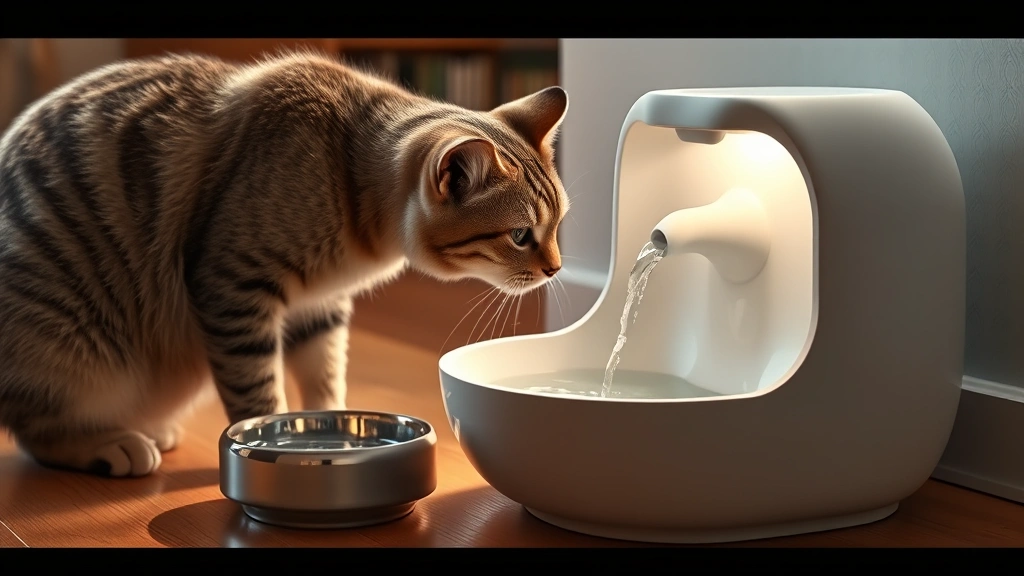
One of the most effective home remedies is encouraging your cat to drink more water. Increased hydration dilutes urine and flushes bacteria from the urinary tract naturally. It’s one of the gentlest, safest interventions you can implement immediately.
Here’s how to boost your cat’s water intake:
- Provide multiple water bowls throughout your home (cats prefer having options)
- Switch to a cat water fountain—many cats drink more from flowing water
- Offer wet food or broth-based meals alongside dry kibble
- Keep water bowls away from litter boxes and feeding areas
- Change water daily and ensure bowls are clean
Why this works: Frequent urination naturally flushes pathogens out of the system. Think of it as a gentle internal cleanse that happens automatically when your cat drinks more.
Remedy 2: Provide a Clean, Stress-Free Litter Environment
Stress is a major trigger for feline urinary issues, and an unsanitary litter box makes everything worse. Cats are fastidious creatures, and a dirty box can discourage them from urinating regularly, which allows bacteria to multiply.
Create an optimal litter setup:
- Clean litter boxes daily (ideally twice daily during infection)
- Provide one box per cat, plus one extra
- Use unscented, dust-free litter
- Place boxes in quiet, accessible locations away from noise
- Consider a larger box—some cats avoid small ones when in pain
Why this works: A clean, inviting litter environment reduces stress hormones that worsen inflammation and encourages frequent urination, which naturally flushes the urinary tract.
Remedy 3: Incorporate Prescription or Supportive Urinary Diets
Certain therapeutic diets are specifically formulated to support urinary health. These diets adjust mineral content and pH levels to create an environment less favorable to bacterial growth. Your vet may recommend a prescription urinary diet during treatment and recovery.
Additionally, consider exploring senior cat kidney diet options if your cat is older, as aging cats face higher UTI risk. For longer-term support, feline kidney support diet strategies can prevent recurrence.
Why this works: These diets modify urine composition to inhibit bacterial growth while supporting overall urinary tract health.
Remedy 4: Use Cat Urinary Supplements
Certain supplements have research backing for urinary tract support. Cranberry extract, D-mannose, and probiotics are commonly recommended to help prevent bacterial adhesion to bladder walls and support healthy flora.
Before adding any supplement, always check with your vet. Some supplements can interact with medications or may not be appropriate for your cat’s specific condition. Learn more about cat urinary supplements and which ones have veterinary support.
Why this works: These supplements contain compounds that make it harder for bacteria to attach to urinary tract tissues, reducing infection severity and recurrence risk.
Remedy 5: Maintain Proper Nutrition and Immune Support
A strong immune system is your cat’s best defense against infection. Proper nutrition—adequate protein, essential amino acids, and key vitamins—supports immune function and tissue healing. Avoid toxic human foods for cats and stick to species-appropriate diets.
Focus on high-quality cat food with named protein sources and minimal fillers. During recovery, your cat’s body is working hard to fight infection, so nutrition quality matters significantly.
Why this works: Robust nutrition fuels white blood cells and antibodies that combat infection at the source.
Remedy 6: Apply Gentle Warmth and Comfort Measures
Cats in pain appreciate comfort. Gentle warmth can ease discomfort in the lower abdomen. Provide a warm, quiet space where your cat can rest undisturbed during recovery.
Consider:
- A heating pad on low setting (never direct contact with skin)
- Warm (not hot) compresses held gently near the lower abdomen
- A cozy, elevated bed in a quiet corner
- Reduced handling and stress from other pets or children
Why this works: Warmth increases blood flow to affected tissues and provides psychological comfort, which reduces stress hormones that can worsen inflammation.
Remedy 7: Monitor Symptoms and Track Progress
Careful observation is a powerful home care tool. Track your cat’s urination frequency, litter box behavior, pain levels, and appetite. This information is invaluable for your vet and helps you catch any worsening signs early.
Keep a simple log noting:
- Number of litter box visits daily
- Signs of straining or pain
- Appetite and water intake changes
- Any behavioral shifts
- Urine color or odor changes
Why this works: Early detection of improvement or deterioration allows for timely adjustments to treatment, preventing complications.
Table of Contents
- Understanding Cat Urinary Tract Infections
- Why Professional Diagnosis Matters First
- Remedy 1: Increase Water Intake and Hydration
- Remedy 2: Provide a Clean, Stress-Free Litter Environment
- Remedy 3: Incorporate Prescription or Supportive Urinary Diets
- Remedy 4: Use Cat Urinary Supplements
- Remedy 5: Maintain Proper Nutrition and Immune Support
- Remedy 6: Apply Gentle Warmth and Comfort Measures
- Remedy 7: Monitor Symptoms and Track Progress
When to Seek Immediate Veterinary Care
Home remedies are supportive, but some situations require urgent professional attention. If your cat shows any of these signs, contact your vet or emergency clinic immediately:
- Complete inability to urinate (this is a medical emergency)
- Blood in urine
- Severe lethargy or collapse
- Vomiting or loss of appetite lasting more than a few hours
- Fever (elevated body temperature)
- No improvement after 2-3 days of home care
Catching complications early puts you in a great position to prevent serious kidney damage or urinary blockages. Don’t hesitate to reach out to your vet if anything feels off.
How Long Does Recovery Take?
Recovery timelines vary depending on infection severity, your cat’s age, and whether antibiotics are prescribed. Most uncomplicated urinary tract infections show improvement within 3-5 days of treatment, though complete resolution may take 1-2 weeks.
Home remedies work best when combined with veterinary care. If your vet prescribes antibiotics, continue them for the full course even if symptoms improve—stopping early can lead to antibiotic resistance and infection recurrence.
Preventing Future Urinary Tract Infections
Once your cat recovers, prevention becomes the priority. Many of the home remedies above—increased hydration, clean litter boxes, stress reduction, proper nutrition—also prevent recurrence.
Additional prevention strategies:
- Maintain consistent hydration year-round
- Schedule regular wellness exams (especially for senior cats)
- Manage stress through environmental enrichment and play
- Consider pet hydration after surgery protocols if your cat undergoes procedures
- Monitor for early warning signs and act quickly
What To Do Now
Taking action immediately can make a real difference in your cat’s comfort and recovery speed. Here are your next steps:
- Schedule a veterinary appointment or telehealth consultation to confirm the diagnosis and rule out serious complications like blockages. If you’re unsure whether your pet needs urgent care, a quick telehealth check-in can give you peace of mind—no appointment needed.
- Start increasing water intake today by adding a water fountain, offering wet food, and placing multiple bowls throughout your home. This is safe to begin immediately while awaiting professional evaluation.
- Deep-clean all litter boxes and commit to daily cleaning during recovery. A fresh, inviting litter environment reduces stress and encourages frequent urination.
- Create a symptom log to track your cat’s progress and share with your vet. Note litter box frequency, pain signs, appetite, and any changes in behavior.
- Discuss supplements and dietary support with your vet once diagnosis is confirmed. Ask specifically about urinary support supplements and whether a prescription diet is recommended.
Frequently Asked Questions
Can I treat a cat urinary tract infection at home without seeing a vet?
Home remedies are supportive but not a substitute for professional diagnosis. Your vet needs to confirm it’s a UTI and rule out serious conditions like blockages. Home care works best alongside veterinary treatment.
How long does cat urinary tract infection home treatment take to work?
Most cats show improvement within 3-5 days when home remedies are combined with veterinary care. Complete resolution typically takes 1-2 weeks, depending on infection severity and whether antibiotics are prescribed.
Is cranberry good for cats with urinary tract infections?
Cranberry supplements may help prevent bacterial adhesion to urinary tract tissues, but always consult your vet before adding any supplement. Some formulations aren’t appropriate for all cats, especially those with specific health conditions.
What foods should I avoid giving a cat with a UTI?
Avoid foods high in magnesium and phosphorus, which can worsen urinary issues. Ask your vet about prescription urinary diets, and check our guide on toxic human foods for cats to ensure you’re not accidentally feeding harmful items.
How can I prevent my cat from getting another urinary tract infection?
Maintain consistent hydration, keep litter boxes clean, reduce stress, and provide high-quality nutrition. Regular wellness exams help catch early signs before infections develop. Many prevention strategies overlap with the home remedies mentioned above.
Summary: Taking Control of Your Cat’s Urinary Health
A cat urinary tract infection home treatment approach combines professional veterinary care with supportive at-home strategies. Increased hydration, clean litter environments, proper nutrition, stress reduction, and careful monitoring create the ideal conditions for recovery.
Remember: home remedies are most effective when paired with veterinary diagnosis and guidance. Your vet may recommend antibiotics, prescription diets, or supplements tailored to your cat’s specific situation. By acting quickly and implementing these seven proven remedies, you’re giving your cat the best chance at a swift, complete recovery.
Your cat is counting on you, and you’re doing the right thing by seeking information and taking action. Reach out to your vet today—or use a telehealth service for quick guidance—and start implementing these home care strategies right away. Your cat will feel better soon.