
Arthritis in dogs often creeps in quietly, long before your dog starts limping outright. Many owners assume their pet is just slowing down with age, but joint pain can begin years earlier than most people realize. Learning to recognize the early, subtle signs can help you get your dog comfortable sooner and slow the progression of joint damage with the right veterinary support.
Table of Contents
- What Is Arthritis in Dogs?
- Why Active Dogs Are Especially Prone to Joint Wear
- Early Warning Signs You Might Miss
- Subtle Behavioral Changes That Signal Pain
- Morning Stiffness vs. Normal Sleepiness
- Changes in Activity Level and Play
- Difficulty With Stairs, Jumping, and Getting Up
- Weight Gain and Its Impact on Joints
- Licking, Chewing, or Grooming Specific Joints
- When to Schedule a Vet Visit
- How Vets Diagnose Arthritis
- Treatment and Management Options
- Home Modifications to Support Joint Health
- Exercise Adjustments for Arthritic Dogs
- Long-Term Outlook and Living Well With Arthritis
What Is Arthritis in Dogs?
Arthritis, also called osteoarthritis or degenerative joint disease, happens when the cartilage that cushions your dog’s joints wears down over time. Without that cushioning, bones can rub together, causing inflammation, pain, and reduced mobility. It’s one of the most common chronic conditions in dogs, affecting joints like the hips, knees, elbows, and spine.
Unlike a sudden injury, arthritis usually develops gradually. That slow progression is exactly why it’s so easy to miss in the early stages. Your dog isn’t going to yelp in pain or suddenly stop walking; instead, the changes tend to be small and easy to write off as normal aging or a lazy day.
Why Active Dogs Are Especially Prone to Joint Wear
Dogs with high energy levels and a strong drive to run, jump, and change direction quickly, like the Border Collie, put a lot of repetitive stress on their joints throughout their lives. Years of sprinting after a ball, herding livestock, or competing in agility can accelerate wear on cartilage, especially if the dog was very active as a puppy before its joints were fully developed.
This doesn’t mean active breeds are doomed to develop arthritis, but it does mean owners of high-drive dogs should pay closer attention as their companions enter middle age. A dog that used to run for hours without slowing down is a dog whose joints have absorbed a lot of impact over the years, and that history matters when you’re watching for early symptoms.
Early Warning Signs You Might Miss
The earliest signs of arthritis are often so mild that owners chalk them up to a bad night’s sleep or a long day of play. Your dog might seem a little slower to greet you at the door, or take an extra second before jumping onto the couch. These moments can look like nothing on their own, but when you start noticing a pattern, it’s worth paying attention.
Because dogs are experts at hiding discomfort, early arthritis rarely looks dramatic. It shows up as small hesitations and slight changes in how your dog moves through daily routines, which is exactly why owners need to know what to look for before the condition progresses further.
- Slight stiffness after resting, especially first thing in the morning
- Reluctance to jump into the car or onto furniture
- Slower to rise from lying down
- Shortened walks or less enthusiasm for exercise
- Occasional limping that seems to resolve on its own
Subtle Behavioral Changes That Signal Pain
Pain doesn’t always show up in the legs first. Many dogs with early arthritis become quieter, more withdrawn, or less interested in play sessions they used to love. You might notice your dog choosing to nap in another room instead of following you around the house, or seeming less tolerant of children or other pets touching their back end.
Irritability is another sign that’s easy to misread. A dog that snaps or growls when picked up or touched near a sore joint isn’t being difficult; it’s communicating discomfort the only way it knows how. If your normally easygoing dog seems more guarded or grumpy lately, joint pain is worth ruling out.
Morning Stiffness vs. Normal Sleepiness
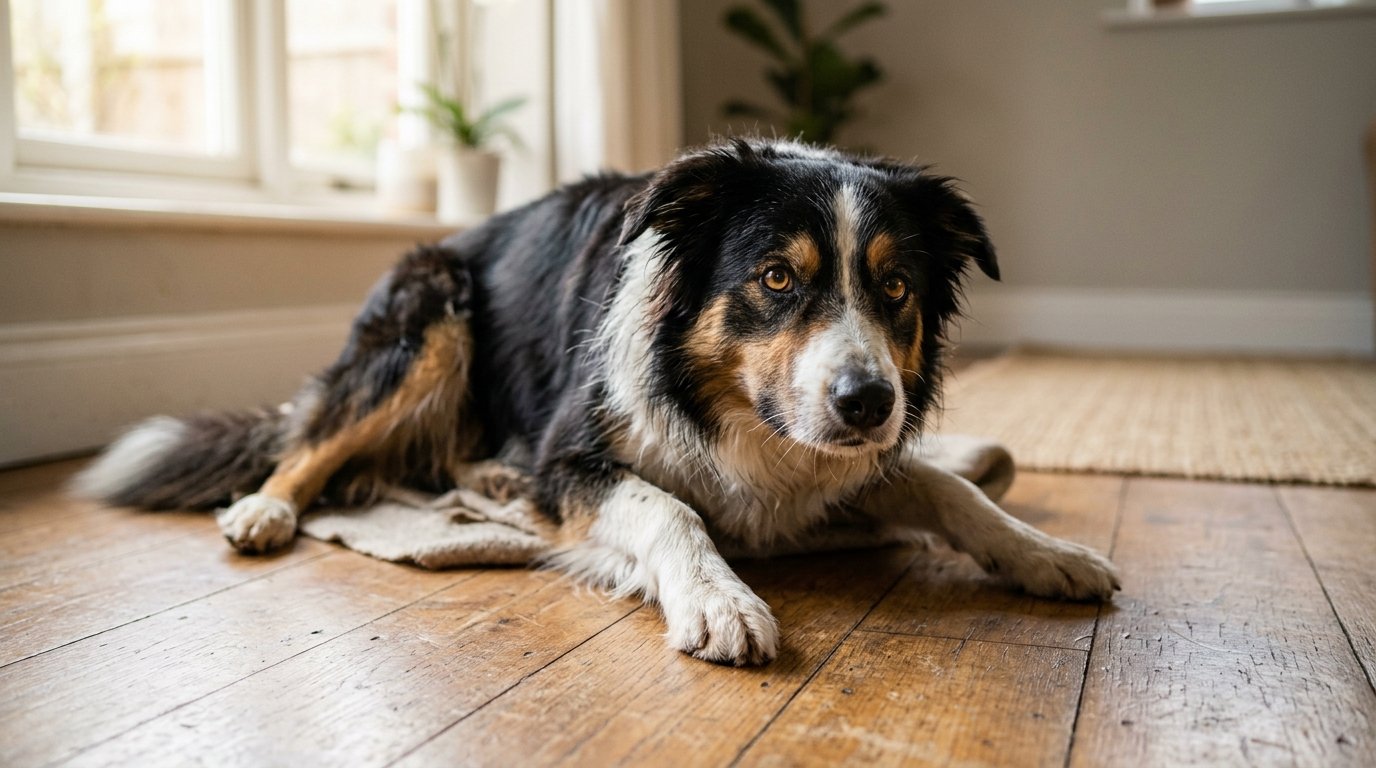
Almost every dog is a little groggy right after waking up, so it can be hard to tell the difference between normal sleepiness and true joint stiffness. The key difference is how long it takes for your dog to loosen up. A healthy dog shakes off grogginess within a minute or two of moving around, while a dog with arthritis may walk stiffly or favor a leg for much longer before things start to feel normal.
Cold weather often makes this stiffness more obvious, since joints tend to feel tighter in low temperatures. If you notice your dog seems noticeably worse on cold mornings or after lying on a hard floor for a long stretch, that’s a pattern worth mentioning to your veterinarian.
Changes in Activity Level and Play
Dogs with early arthritis often start pacing themselves without you realizing it. Instead of sprinting the entire length of the yard, they might jog partway and then trot the rest. Fetch sessions that used to last twenty minutes might now end after five, not because your dog has lost interest, but because their joints are telling them to stop.
This kind of self-limiting behavior is one of the sneakiest signs of arthritis because it can look like your dog is simply maturing or becoming less playful with age. But a genuine drop in stamina, especially in a dog that used to have boundless energy, deserves a closer look rather than being dismissed as a personality shift.
Difficulty With Stairs, Jumping, and Getting Up
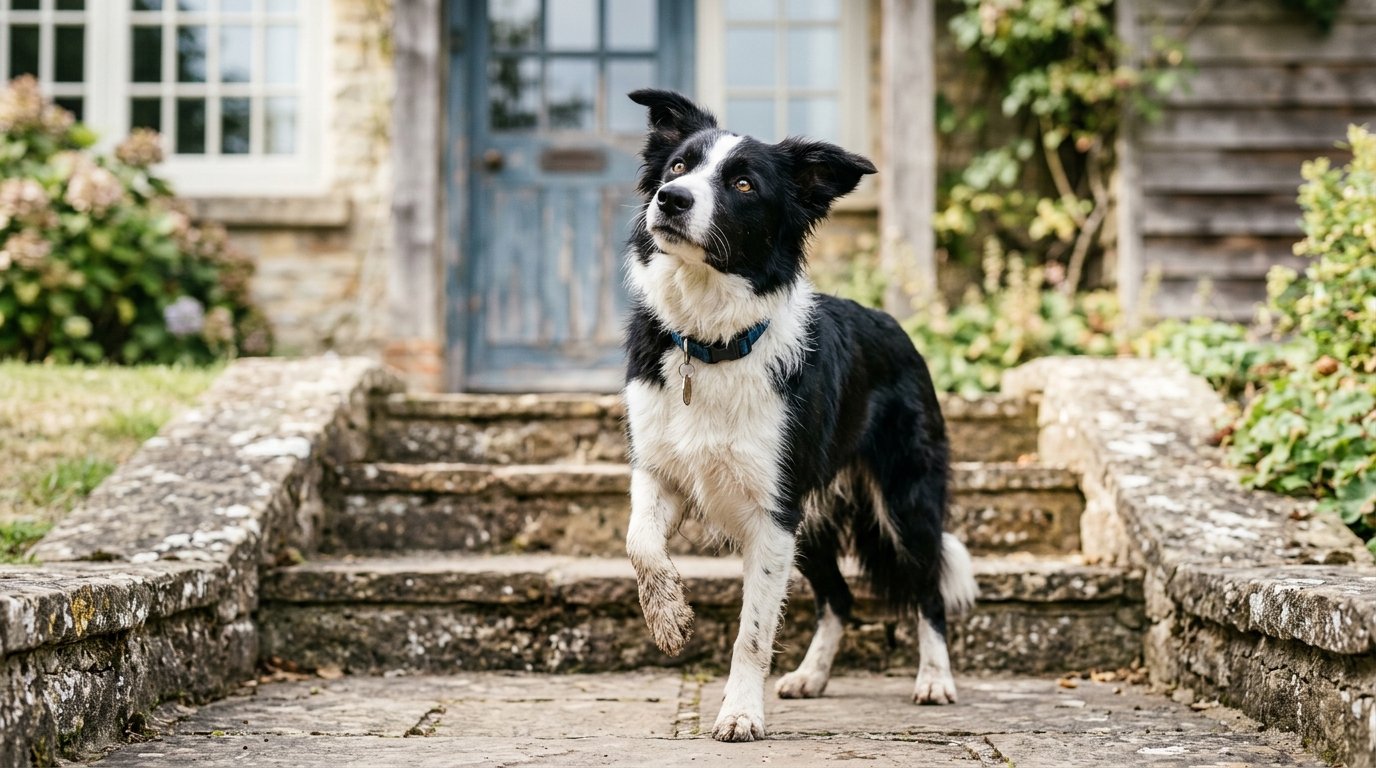
Watch how your dog handles stairs, both going up and coming down. Dogs with sore joints often hesitate at the top or bottom, take steps one at a time instead of bounding up normally, or start avoiding stairs altogether when given the choice. Jumping into vehicles or onto beds can become a two-step process, with your dog pausing to gather themselves before attempting the leap.
Getting up from a lying position is another useful thing to observe. A dog with healthy joints pops up smoothly, while a dog developing arthritis may struggle, shift their weight several times, or push off with their front legs to compensate for weakness or pain in the back end.
- Hesitating before stairs or taking them slowly
- Needing a running start to jump onto furniture
- Struggling to stand after lying down for a while
- Sitting or lying down slowly instead of dropping normally
- Avoiding certain surfaces like hardwood or tile
Weight Gain and Its Impact on Joints
Extra body weight puts direct pressure on already vulnerable joints, which can speed up cartilage breakdown and make existing arthritis pain considerably worse. Dogs that become less active due to early joint discomfort often gain weight as a result, creating a frustrating cycle where pain leads to less movement, which leads to weight gain, which leads to more pain.
If your dog has started to slow down and you’ve also noticed the waistline expanding, these two things are likely connected. Keeping your dog at a healthy weight is one of the simplest and most effective ways to protect their joints, and your veterinarian can help you figure out an appropriate target weight and feeding plan.
Licking, Chewing, or Grooming Specific Joints
Some dogs respond to joint pain by focusing attention on the area that hurts. You might notice your dog licking or chewing at a knee, hip, or paw more than usual, sometimes to the point of causing a bald patch or irritated skin. This behavior is often mistaken for allergies or boredom, but it can also be a dog’s way of trying to soothe an aching joint.
If you notice repetitive licking centered on one particular limb or joint, it’s worth watching closely and mentioning to your vet, especially if it’s paired with any of the other signs already mentioned. Persistent focus on one specific area is rarely random.
When to Schedule a Vet Visit
Any time you notice a pattern of stiffness, reluctance to move, or behavior changes that last more than a few days, it’s time to schedule an appointment. You don’t need to wait until your dog is visibly limping or in obvious pain; catching arthritis early gives you far more options for slowing its progression and keeping your dog comfortable.
It’s especially important to see a vet promptly if the stiffness comes on suddenly, is limited to one leg, or is accompanied by swelling, heat around a joint, or a complete refusal to bear weight. These signs could point to an injury rather than gradual arthritis, and they need prompt evaluation rather than a wait-and-see approach.
- Stiffness or limping lasting more than a couple of days
- Noticeable reluctance to walk, climb, or play
- Swelling, warmth, or sensitivity around a joint
- Sudden lameness or refusal to put weight on a leg
- Behavior changes like withdrawal or irritability alongside physical signs
How Vets Diagnose Arthritis
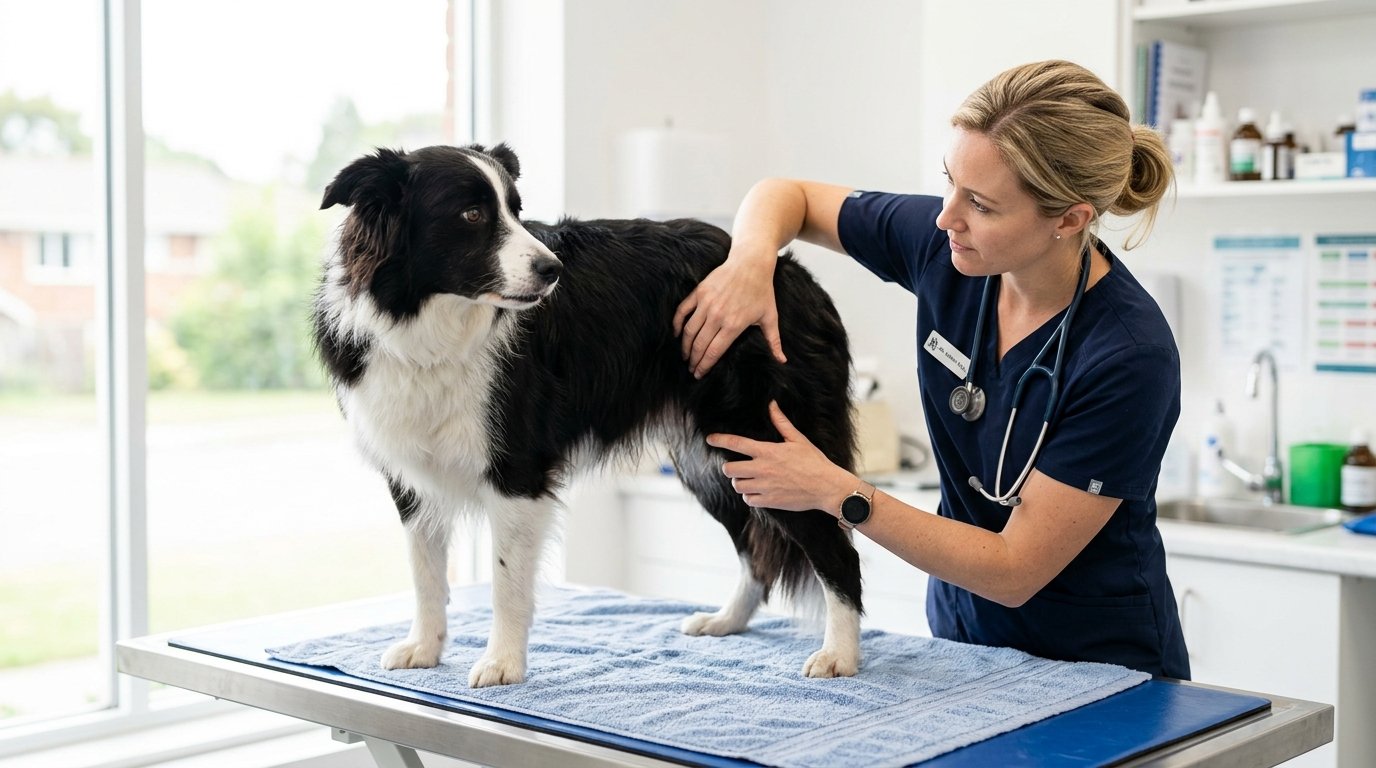
Diagnosing arthritis usually starts with a thorough physical exam, where your vet will watch your dog walk, feel each joint for swelling or pain, and check the range of motion in the legs and spine. They’ll also ask about your dog’s history, including breed, activity level, and how long you’ve noticed changes at home.
X-rays are often used to confirm the diagnosis and see how much joint damage has occurred, since arthritis can look different from one dog to the next. In some cases, your vet may recommend additional tests to rule out other conditions that can cause similar symptoms, since not every case of stiffness or limping is arthritis.
Treatment and Management Options
There’s no single treatment that works for every dog with arthritis, which is why your veterinarian will likely put together a management plan tailored to your dog’s specific needs. This might include prescription pain relief or anti-inflammatory medication, joint supplements, weight management, and changes to exercise routines. Never give your dog human pain medication or adjust dosages on your own, since some common over-the-counter drugs are dangerous for dogs.
Many dogs also benefit from complementary therapies such as hydrotherapy, physical rehabilitation, or acupuncture, which can help maintain mobility and reduce discomfort alongside more traditional treatments. Your vet is the best person to help you decide which combination of therapies makes sense for your dog’s age, breed, and overall health.
Home Modifications to Support Joint Health
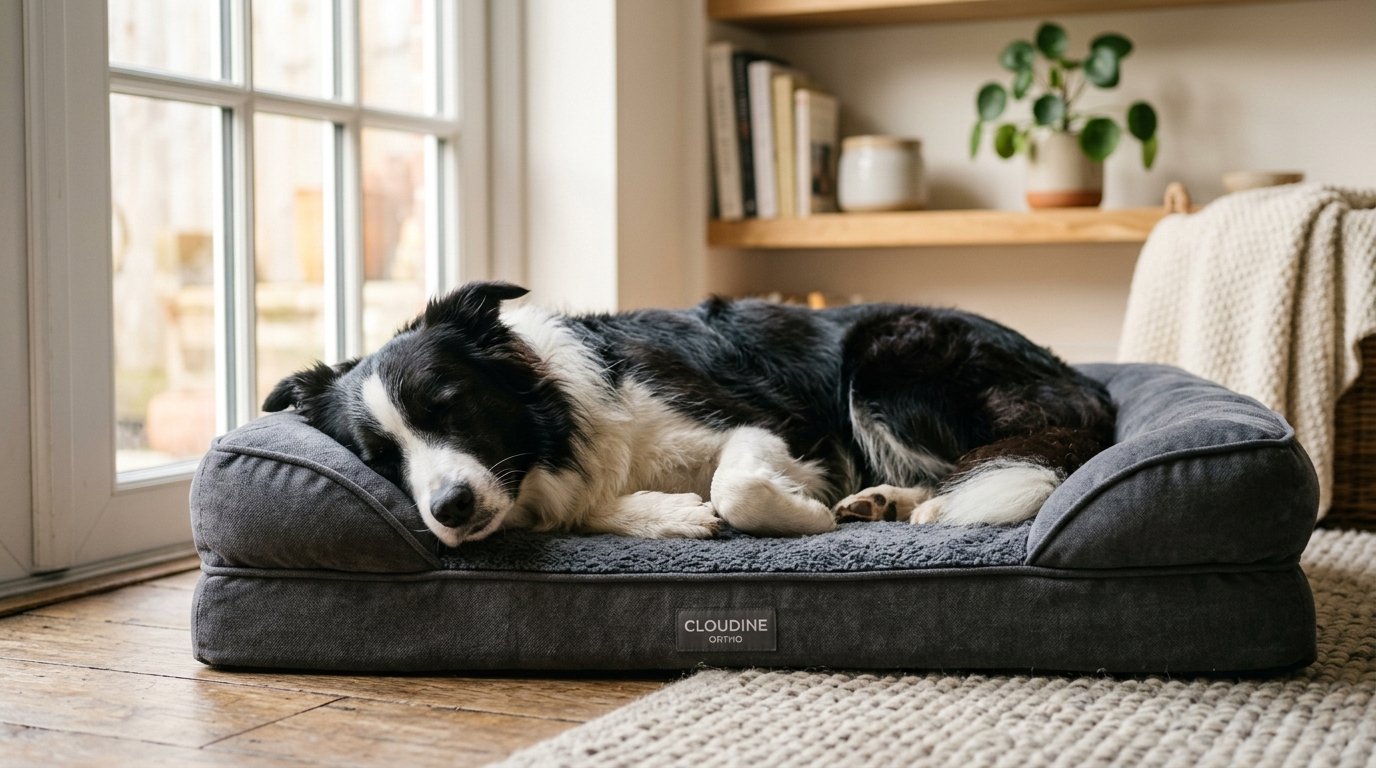
Small changes around the house can make a real difference for a dog with sore joints. Adding ramps or steps near the couch, bed, or car can eliminate painful jumping, while placing non-slip rugs over hardwood or tile floors gives your dog better traction and confidence when moving around. Orthopedic dog beds also help by providing extra cushioning for pressure points.
Keeping food and water bowls at a comfortable height and making sure your dog has easy access to a warm, draft-free resting spot can also reduce daily strain. These adjustments won’t cure arthritis, but they can meaningfully improve your dog’s comfort and independence as part of a broader management plan from your vet.
- Ramps or steps for furniture and vehicles
- Non-slip rugs or mats on slippery floors
- Supportive orthopedic bedding
- Raised food and water bowls
- A warm, cushioned resting area away from drafts
Exercise Adjustments for Arthritic Dogs
Dogs with arthritis still need regular movement, but the type and intensity of exercise matters. Short, frequent walks on flat, even ground are generally easier on the joints than long hikes or high-impact activities like intense fetch sessions or jumping for frisbees. Swimming is often recommended because it lets dogs move their joints without bearing full body weight.
Your vet can help you build an exercise plan that keeps your dog active without overdoing it, since both too much activity and too little can make joint pain worse. For naturally energetic dogs, this adjustment can be an emotional one for owners as well, since it often means finding new, gentler ways to keep a high-drive dog mentally engaged.
Long-Term Outlook and Living Well With Arthritis
Arthritis is a chronic, progressive condition, but that doesn’t mean your dog’s quality of life has to decline dramatically. With early detection, consistent veterinary care, and thoughtful adjustments at home, many dogs with arthritis continue to enjoy an active, happy life for years after diagnosis. The goal isn’t to eliminate the condition, but to manage it well enough that your dog stays comfortable and engaged with the world around them.
Staying observant is the most powerful tool you have. Keep track of how your dog moves, plays, and rests, and don’t hesitate to bring even small changes to your vet’s attention. Catching arthritis early and staying consistent with treatment gives your dog the best possible chance at a comfortable, mobile life for years to come.
This article is for general education and is not a substitute for care from your own veterinarian. Learn about The Pet Vet and our editorial policy.