

Separation Anxiety in Australian Shepherds: Why This Breed Struggles to Be Left Alone
Australian Shepherds bond intensely with their people, which can make alone time genuinely distressing without the right support.

Australian Shepherds bond intensely with their people, which can make alone time genuinely distressing without the right support.

Weight management in Dachshunds is critical because even a few extra pounds can strain their long backs and worsen back disease risk.
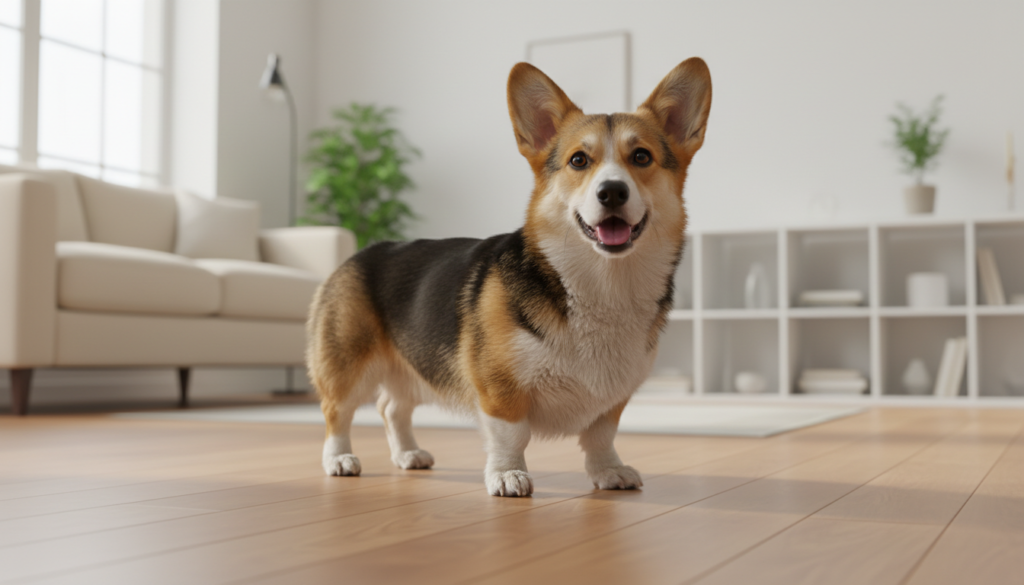
Why Pembroke Welsh Corgis face elevated back disease risk and the everyday habits that help protect their spines.

Progressive retinal atrophy can slowly rob a Siamese cat of its sight, so knowing the early warning signs matters.
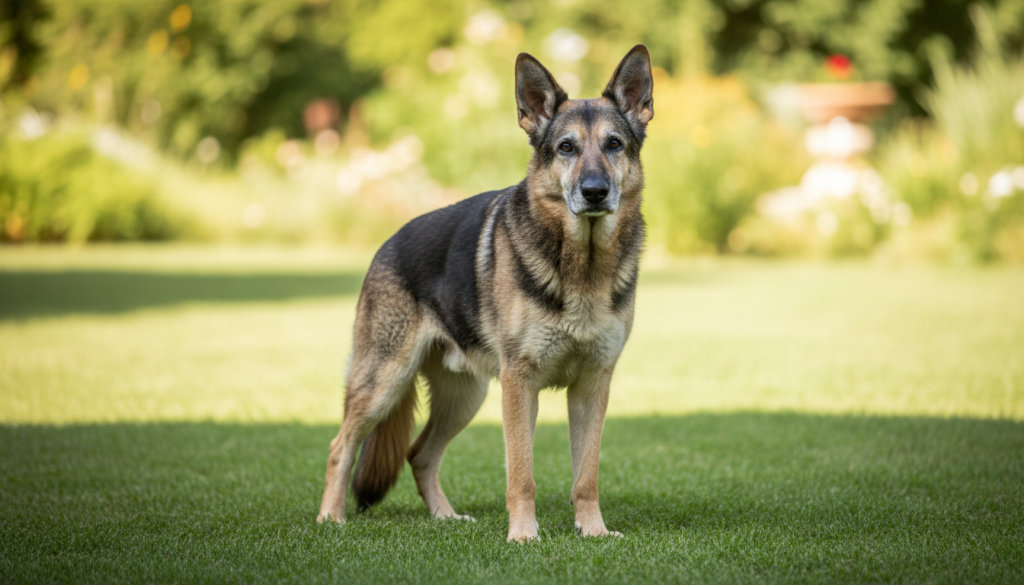
Degenerative myelopathy in German Shepherds causes slow, progressive hind-leg weakness that owners often mistake for normal aging.

Ragdoll separation anxiety is common because of how deeply this breed bonds with people, here’s how to spot it and help.
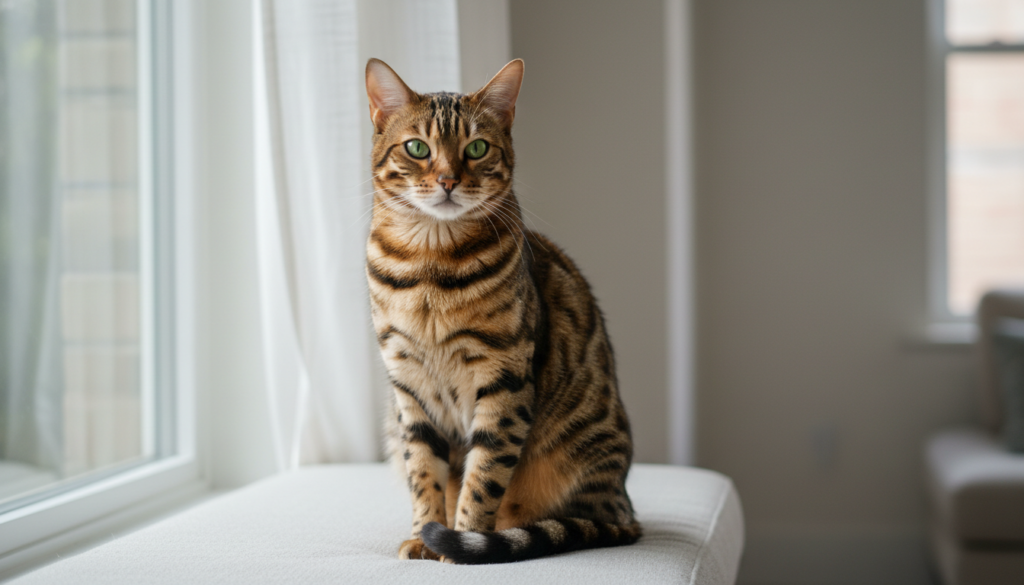
Bengal cat coat care explained: what normal shedding, glitter, and marbled or spotted patterns look like, and when changes need a vet visit.
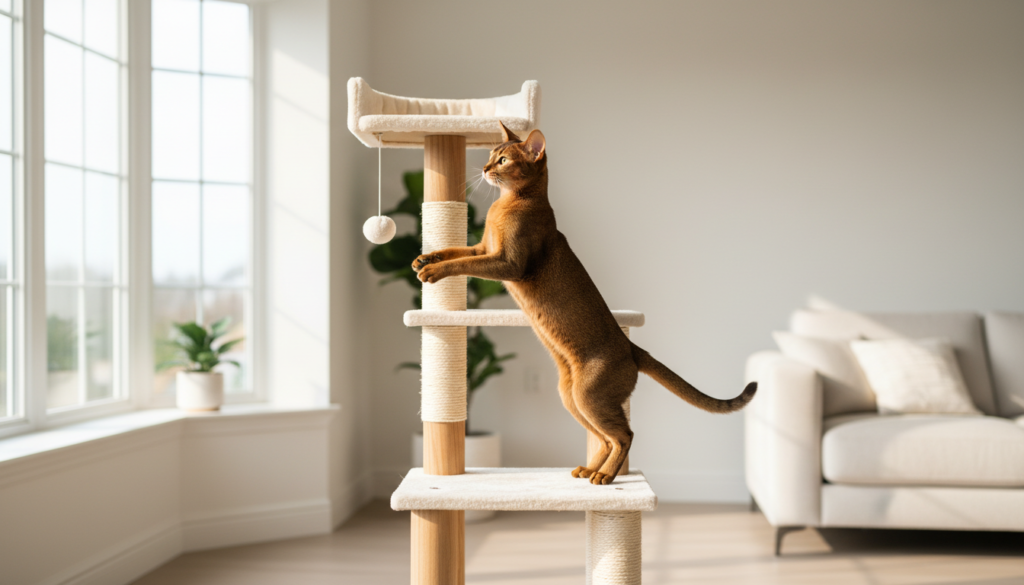
Abyssinian cat activity levels run high, and understanding this breed’s drive to move and explore helps you prevent boredom-driven problems.
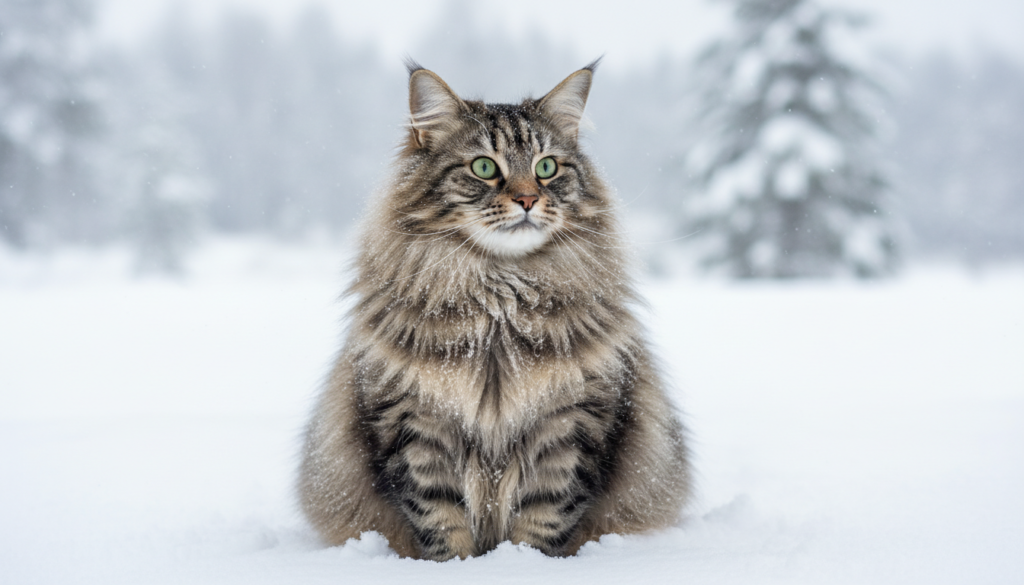
Norwegian Forest Cats are built for cold climates, but that doesn’t mean winter is risk-free for this hardy breed.

Beagle ear infections are common because of the breed’s long, floppy ears—here’s why they happen and how to manage them.