
Hyperthyroidism in cats is one of the most common hormonal conditions affecting older felines, and it can sneak up on even the most attentive owner. Your once-calm cat may suddenly seem restless, hungry all the time, and yet somehow losing weight. This article walks you through the signs, how vets diagnose the condition, and the treatment options available so you can feel prepared to help your cat feel like themselves again.
Table of Contents
- What Is Hyperthyroidism in Cats?
- Why Hyperthyroidism Develops
- Early Signs You Might Notice
- Changes in Appetite and Weight
- Behavioral Changes to Watch For
- Coat and Skin Changes
- Heart and Cardiovascular Effects
- Digestive Symptoms
- How Vets Diagnose Hyperthyroidism
- Treatment Option: Medication
- Treatment Option: Radioactive Iodine Therapy
- Treatment Option: Surgery
- Treatment Option: Dietary Management
- Living With a Hyperthyroid Cat
- Monitoring and Follow-Up Care
- When to Call the Vet
What Is Hyperthyroidism in Cats?
Hyperthyroidism happens when a cat’s thyroid gland, located in the neck, produces too much thyroid hormone. This hormone controls metabolism, so when levels get too high, nearly every system in the body speeds up. The result is a cat whose body is essentially running in overdrive, burning through energy and nutrients faster than it can keep up.
This condition is most often seen in middle-aged and senior cats, and it tends to develop gradually. Because the early signs can be subtle or mistaken for normal aging, many owners don’t notice anything is wrong until the changes become more pronounced. That’s part of why regular veterinary checkups become so important as your cat gets older.
Why Hyperthyroidism Develops
In most cases, hyperthyroidism is caused by a benign growth on one or both thyroid glands that causes them to overproduce hormone. Vets aren’t entirely sure why these growths form, though age seems to be the biggest factor. Rarely, a more aggressive form of thyroid cancer can be the cause, which is one reason a proper veterinary workup matters.
There isn’t a single known cause you can point to and avoid, so this isn’t something you could have prevented through diet or lifestyle choices alone. What you can control is how quickly you catch it, since early detection tends to make treatment simpler and more comfortable for your cat.
Early Signs You Might Notice
The earliest signs of hyperthyroidism are often easy to overlook because they can look like normal aging or a personality shift. Your cat might seem a little more energetic than usual, almost kitten-like again, which can feel like a good thing at first. Some owners describe their cat as suddenly wanting to be fed more often or meowing more at odd hours.
Because these changes happen slowly, it helps to think back over the past several months rather than just the last few days. If something feels different about your cat’s energy, appetite, or body condition, it’s worth mentioning to your vet even if you’re not sure it means anything.
- Increased restlessness or activity, especially at night
- A noticeably ravenous appetite
- Unexplained weight loss despite eating well
- A thinning or unkempt-looking coat
- More frequent vocalizing or meowing
Changes in Appetite and Weight
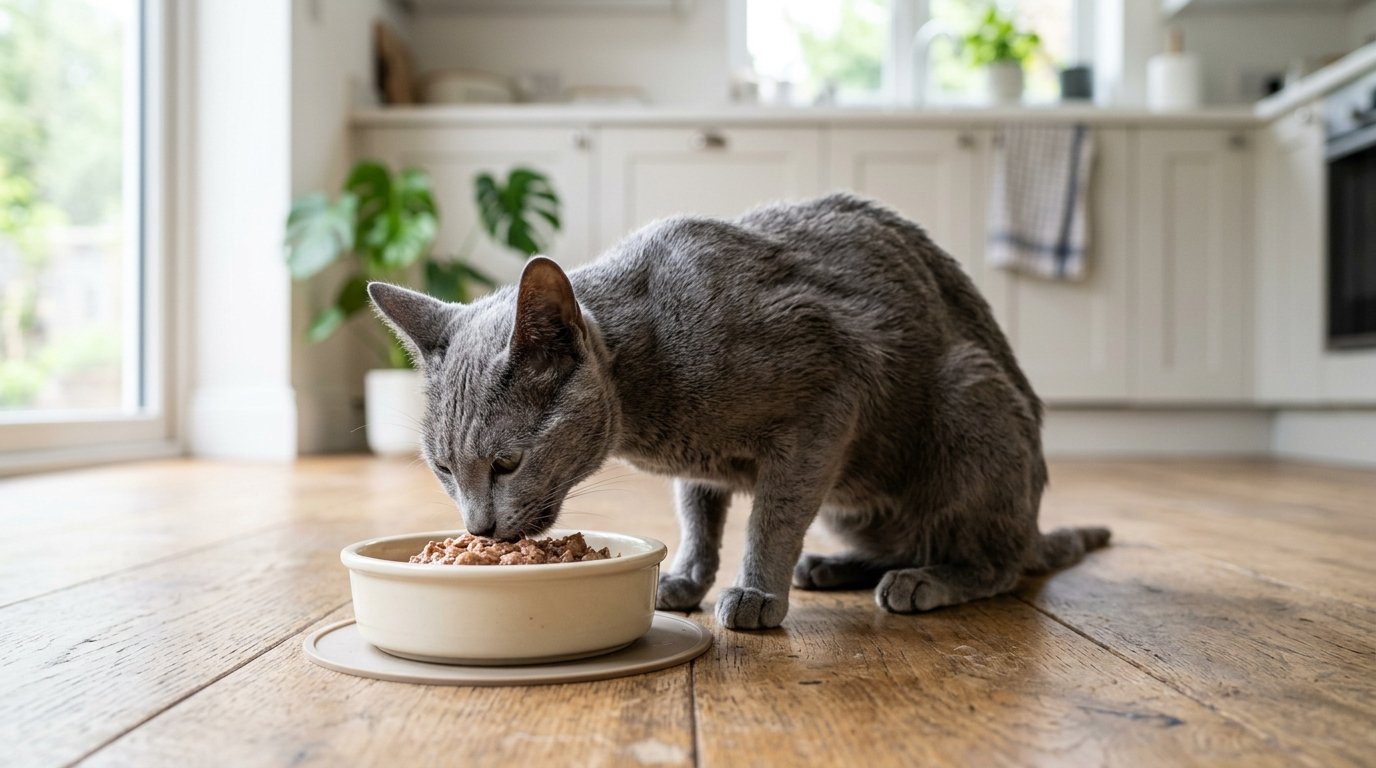
One of the hallmark signs of hyperthyroidism is a cat that eats more but continues to lose weight. This happens because the excess thyroid hormone speeds up metabolism so much that the body burns calories faster than the cat can take them in, even with a bigger appetite. Owners sometimes feel reassured because their cat is eating well, but weight loss alongside a big appetite is actually a red flag, not a good sign.
If you’ve noticed your cat’s ribs or spine becoming easier to feel, or their once-round belly looking leaner, it’s worth getting them weighed at your vet’s office. Weight changes can be gradual, so a scale is often more reliable than the naked eye for catching this early.
Behavioral Changes to Watch For
Because hyperthyroidism affects the whole body, including the nervous system, behavior changes are common. Some cats become noticeably more anxious, hyperactive, or irritable, pacing around the house or seeming unable to settle. Others may become more vocal, especially at night, calling out in ways that feel out of character.
It can be easy to chalk this up to a cat simply getting older and grumpier, but a genuine personality shift, especially paired with other symptoms on this list, is worth discussing with your veterinarian. These behavioral changes often improve significantly once the underlying thyroid issue is treated.
Coat and Skin Changes
A cat’s coat often reflects their overall health, and hyperthyroidism can cause it to look greasy, matted, or unkempt even in cats that groom themselves diligently. This happens partly because the body is directing energy elsewhere and partly because the cat may simply feel unwell enough to groom less thoroughly.
You might also notice your cat’s claws growing faster or becoming thicker than usual, requiring more frequent trims. While coat changes alone don’t confirm hyperthyroidism, they’re a useful clue when combined with other symptoms your vet will want to know about.
Heart and Cardiovascular Effects
Excess thyroid hormone puts a strain on the heart, often causing it to beat faster and work harder than it should. Over time, this can lead to changes in the heart muscle itself, sometimes resulting in a secondary heart condition. This is one of the more serious risks of untreated hyperthyroidism, which is why vets often listen closely to the heart during an exam.
Signs of heart strain can include a faster than normal heart rate, a heart murmur that wasn’t there before, or in more advanced cases, difficulty breathing. These signs warrant prompt veterinary attention rather than a wait-and-see approach.
Digestive Symptoms
Some cats with hyperthyroidism develop digestive symptoms like vomiting, diarrhea, or increased thirst and urination. These signs can overlap with several other feline health conditions, which is part of why blood work is so important for reaching an accurate diagnosis rather than guessing based on symptoms alone.
If your cat has started drinking noticeably more water or their litter box habits have changed, don’t try to diagnose the cause yourself. Your vet can run tests to determine whether hyperthyroidism, kidney issues, or something else entirely is behind the change.
How Vets Diagnose Hyperthyroidism
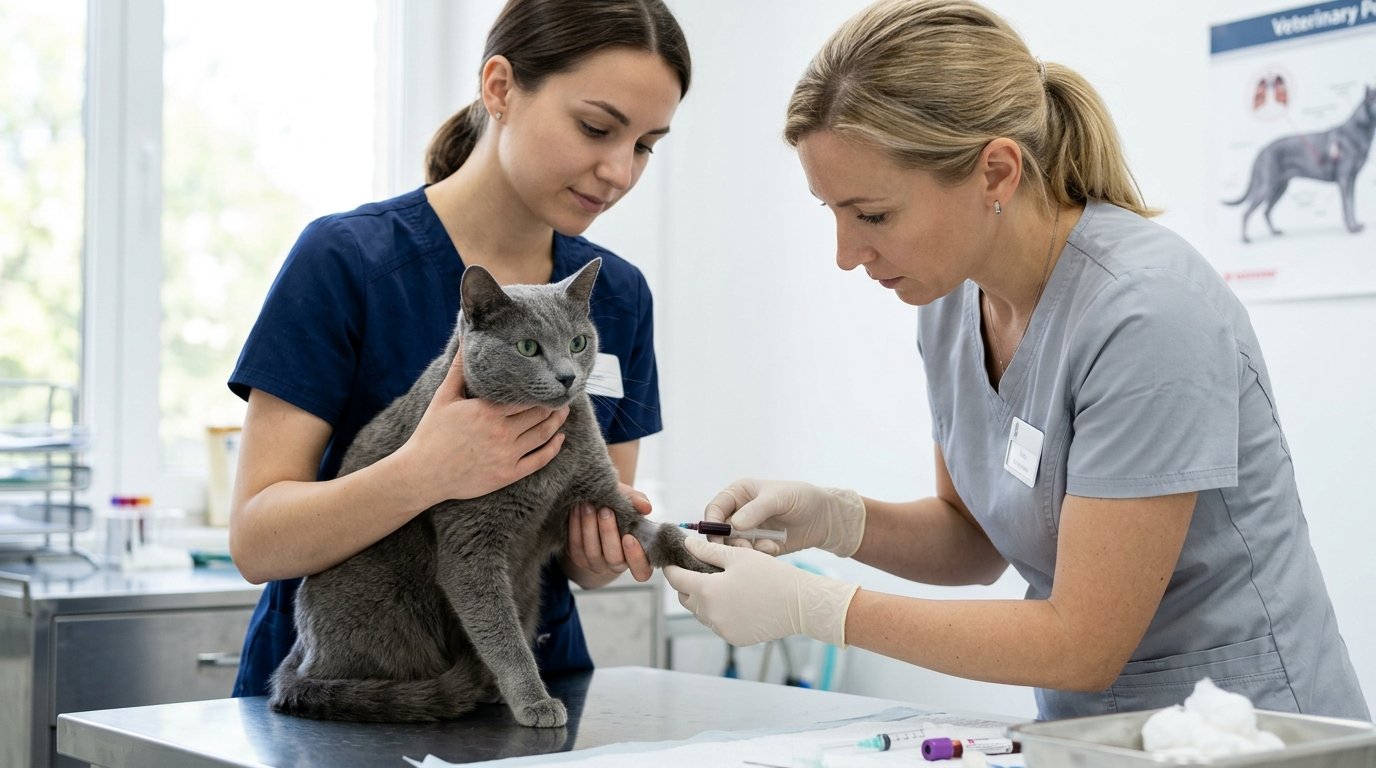
Diagnosing hyperthyroidism typically starts with a physical exam, where your vet may feel the neck for an enlarged thyroid gland and listen to the heart and lungs. From there, blood work is used to measure thyroid hormone levels along with checking kidney function and other organ values, since hyperthyroidism can sometimes mask underlying kidney disease.
In some cases, your vet may recommend additional testing or repeat blood work over time, especially if the initial results are borderline. This thorough approach helps make sure your cat gets the right treatment plan rather than one based on incomplete information.
Treatment Option: Medication
Anti-thyroid medication is one of the most common ways to manage hyperthyroidism in cats. These medications work by reducing the amount of hormone the thyroid gland produces, helping to bring levels back into a normal range. Medication is often a lifelong commitment, since it manages the condition rather than curing it.
Your vet will determine the right medication and monitoring schedule for your individual cat, and it’s important to follow their guidance closely rather than adjusting doses on your own. Regular follow-up blood work helps make sure the treatment is working as intended and that your cat isn’t experiencing side effects.
Treatment Option: Radioactive Iodine Therapy
Radioactive iodine therapy is considered by many vets to be a highly effective treatment because it targets and destroys the overactive thyroid tissue while typically sparing normal tissue. It usually requires a short hospital stay at a specialized facility, since the cat needs to be monitored until radiation levels decrease to a safe range.
This option can offer a long-term solution for many cats, but it isn’t the right fit for every situation, particularly if a cat has other significant health issues. Your vet can help you weigh whether this treatment makes sense based on your cat’s overall health and your circumstances.
Treatment Option: Surgery
Surgical removal of the affected thyroid gland, known as a thyroidectomy, is another treatment option, particularly when only one gland is involved. As with any surgery, it carries some risks, and your vet will evaluate your cat’s overall health before recommending this route.
Surgery can offer a definitive solution, but it does require anesthesia and a recovery period. Your vet will discuss the pros and cons compared to other treatment options so you can make an informed decision together.
Treatment Option: Dietary Management
There are also prescription diets formulated to be low in iodine, which can help manage thyroid hormone production for some cats. This approach requires strict adherence, meaning your cat can’t eat any other food, treats, or hunt outdoors, which makes it more practical for some households than others.
Dietary management isn’t the right fit for every cat or every home, especially multi-cat households where keeping one cat on an exclusive diet is difficult. Your vet can help determine whether this option realistically fits your cat’s lifestyle.
- Requires the cat to eat only the prescribed food, with no exceptions
- Not ideal for cats that go outdoors or live with other cats
- Works best under close veterinary supervision
Living With a Hyperthyroid Cat
Once treatment begins, many owners notice their cat calming down, gaining back healthy weight, and returning to more typical behavior. It can take some time to find the right treatment approach and dosage, so patience during this adjustment period is important.
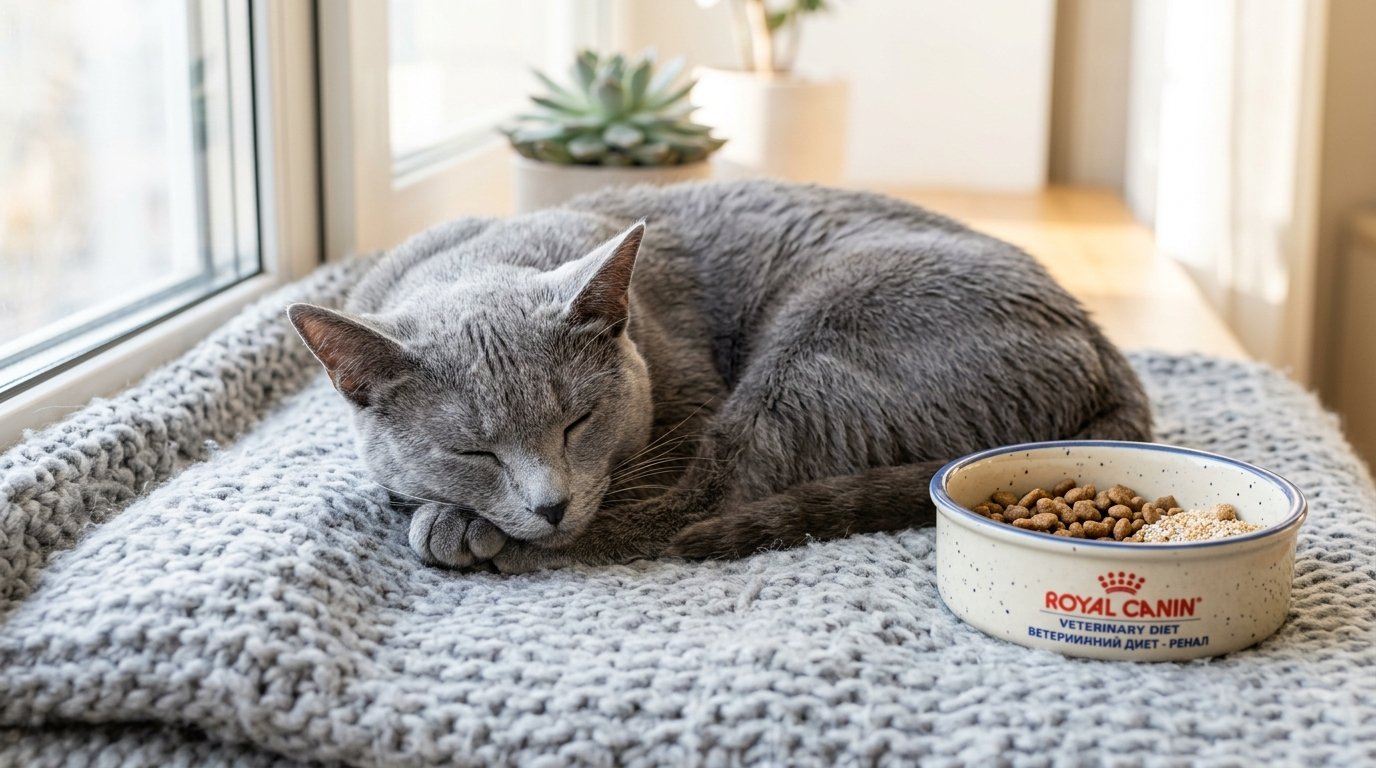
Keeping a comfortable, low-stress environment at home can support your cat’s recovery. Consistent feeding times, a quiet resting space, and minimizing major changes to routine can all help your cat feel more settled while their body adjusts.
Monitoring and Follow-Up Care
Whatever treatment path you choose, ongoing monitoring is a key part of managing hyperthyroidism successfully. Your vet will likely recommend periodic blood work to track thyroid hormone levels, kidney function, and overall health, since these values can shift as treatment takes effect.
Staying consistent with follow-up appointments, even when your cat seems to be doing well, helps catch any changes early. This is especially important because treating hyperthyroidism can sometimes unmask underlying kidney issues that need their own management plan.
- Follow-up blood work as recommended by your vet
- Watching for changes in appetite, weight, or energy
- Reporting any new symptoms promptly, even if they seem minor
When to Call the Vet
If your cat is eating more but losing weight, seems unusually restless or vocal, or has a coat that looks different than usual, it’s time to schedule a veterinary visit. These signs don’t confirm hyperthyroidism on their own, but they’re worth having checked out rather than waiting to see if things improve.
Never attempt to diagnose or treat this condition at home, and avoid giving any medication without veterinary guidance. Hyperthyroidism is manageable with the right care, and your vet is your best partner in figuring out what’s going on and finding a treatment plan that fits your cat’s needs.
This article is for general education and is not a substitute for care from your own veterinarian. Learn about The Pet Vet and our editorial policy.