
If you’ve noticed your dog’s eyes constantly watering, staining their fur, or producing thick discharge, you might be dealing with tear duct blockage in dogs—a surprisingly common condition that worries many pet parents. The good news? It’s usually manageable, and catching it early makes all the difference in your pup’s comfort and recovery.
Table of Contents
- What Is Tear Duct Blockage in Dogs?
- Common Signs Your Dog May Have a Blocked Tear Duct
- Why Tear Duct Blockage Happens
- Solution 1: Warm Compresses and Gentle Cleaning
- Solution 2: Medicated Eye Drops and Ointments
- Solution 3: Oral Antibiotics for Secondary Infections
- Solution 4: Tear Duct Flushing (Nasolacrimal Duct Flushing)
- Solution 5: Surgical Intervention for Chronic Cases
- Prevention and Long-Term Care
- When to Seek Urgent Care
- Frequently Asked Questions
- What To Do Now
- Summary
This article is for informational purposes only and is not a substitute for professional veterinary advice. Always consult a licensed veterinarian for diagnosis and treatment.
What Is Tear Duct Blockage in Dogs?
Tear ducts are tiny channels that drain tears from your dog’s eyes into their nose. When these ducts become blocked—whether from debris, inflammation, or structural issues—tears back up and overflow onto the face instead of draining properly. This creates the telltale wet fur and staining you see under their eyes.
The condition affects dogs of all ages and breeds, though some flat-faced breeds like Bulldogs and Pugs are more prone to it due to their facial structure. Understanding what’s happening helps you feel more confident about getting your pup the help they need.
Common Signs Your Dog May Have a Blocked Tear Duct
Recognizing the symptoms early is your first line of defense. Here are the key signs to watch for:
- Excessive tearing or eye discharge—more than the typical morning eye gunk
- Reddish-brown staining around the eyes and on the fur
- Crusty buildup in the corner of the eyes
- Squinting or eye sensitivity to light
- Swelling around the eye area or a small lump near the inner corner of the eye
- Pawing at the face or rubbing eyes frequently
- Foul-smelling discharge, which may indicate a secondary infection
Catching these early puts you in a great position to help your dog feel better quickly. Many cases respond beautifully to prompt attention.
Why Tear Duct Blockage Happens
Several factors can trigger a blocked tear duct in your dog. Understanding the root cause helps your vet choose the best treatment path.
Anatomical issues are common culprits. Some dogs are born with narrower tear ducts or abnormal drainage angles, making blockages more likely. Trauma or injury to the face can also damage the duct structure over time.
Infections and inflammation frequently cause temporary blockages. Bacterial infections, allergies, or even something as simple as dust irritation can swell the duct lining and restrict flow. Gum disease in dogs can sometimes contribute to tear duct problems, as the structures are interconnected.
Foreign material like hair, debris, or mucus buildup can also physically clog the duct. In some cases, a tumor or polyp (though rare) might obstruct the drainage pathway.
Solution 1: Warm Compresses and Gentle Cleaning
Before jumping to invasive treatments, your vet may recommend starting with conservative care at home. This is often the first line of defense and works surprisingly well for mild blockages.
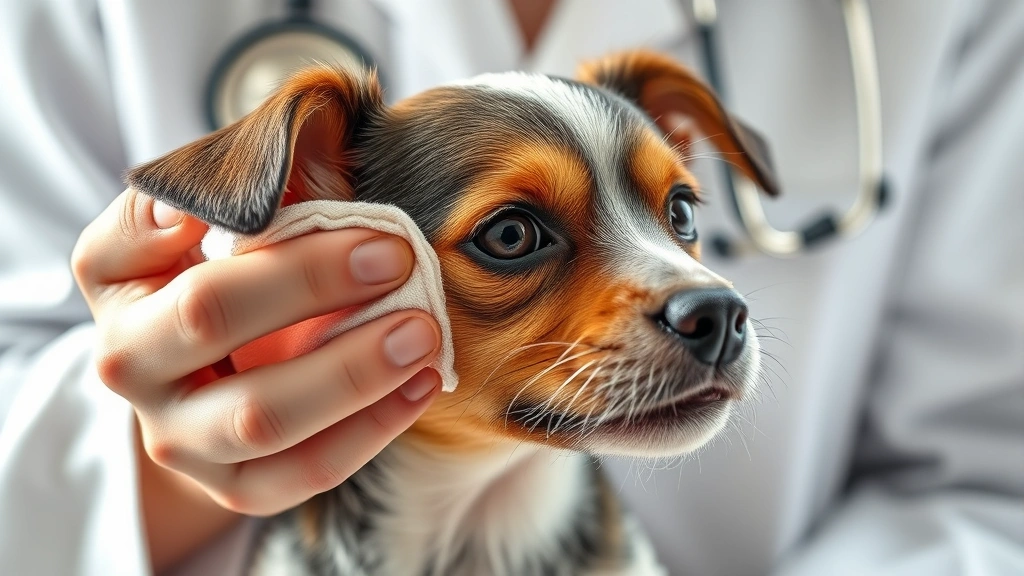
Applying a warm, damp cloth to the affected eye for 5–10 minutes several times daily helps reduce inflammation and may encourage natural drainage. Use clean water or a saline solution recommended by your vet—never use tap water directly, as it can introduce bacteria.
Gentle cleaning removes crusty discharge and prevents secondary infections. Use a soft cloth or gauze pad, and always wipe from the inner corner outward to follow the natural tear flow. Be patient and gentle; your dog’s eye is sensitive, and a calm approach builds trust.
This approach works best for mild cases caught early. Many pet parents see improvement within a week or two of consistent care.
Solution 2: Medicated Eye Drops and Ointments
Your veterinarian may prescribe medicated eye drops or ointments to address inflammation, infection, or to help flush the duct naturally. These medications can be game-changers for many dogs.
Antibiotic drops may be recommended if bacteria are involved, while anti-inflammatory formulations reduce swelling that’s restricting flow. Some vets suggest lubricating drops to keep the eye comfortable while the blockage resolves.
Applying drops correctly matters. Gently pull down the lower eyelid, place the drop in the pocket created, and allow your dog to blink naturally. If your pup resists, try warming the bottle slightly or asking your vet to demonstrate the technique during your visit.
Consistency is key—missed doses can slow progress. Set phone reminders if needed, and keep a log of when you’ve applied treatment. Most dogs tolerate drops well once they adjust to the routine.
Solution 3: Oral Antibiotics for Secondary Infections
When tear duct blockage leads to a secondary bacterial infection, your vet may prescribe oral antibiotics. This addresses the infection while other treatments work on clearing the blockage itself.
Secondary infections are common because backed-up tears create a moist environment where bacteria thrive. Signs include thick, discolored discharge, increased swelling, or a foul odor. Fortunately, antibiotics work quickly, and you’ll often notice improvement within 3–5 days.
Always complete the full course of antibiotics as prescribed, even if your dog seems better. Stopping early can allow the infection to return stronger.
Solution 4: Tear Duct Flushing (Nasolacrimal Duct Flushing)
For blockages that don’t respond to conservative treatment, your vet may recommend a professional tear duct flush. This procedure gently irrigates the duct to clear debris and restore normal drainage.
The procedure is typically performed under light sedation to keep your dog comfortable and still. Your vet uses a saline solution to flush the duct from the eye opening, and the fluid should drain out through the nose if the duct is patent (open). If blockage is present, the vet can often dislodge it during this process.
Recovery is quick—most dogs feel normal within hours. Your vet will provide post-procedure care instructions, which usually include continued eye drops and monitoring for a few days.
Success rates are high with this approach, and many dogs experience immediate relief. If you’re unsure whether your pet needs this procedure, a quick telehealth check-in can give you peace of mind—no appointment needed.
Solution 5: Surgical Intervention for Chronic Cases
When blockages are severe, recurrent, or caused by structural abnormalities, surgery may be the best long-term solution. Several surgical options exist, depending on the underlying cause.
Dacryocystorhinostomy (DCR) is a procedure that creates a new drainage pathway if the natural duct is damaged or permanently blocked. This is more involved but offers lasting results for chronic cases.
Punctal plug placement may help in some situations by redirecting tears or preserving moisture. Your vet will discuss which approach suits your dog’s specific situation.
Surgery is typically reserved for cases where conservative methods have failed or when the blockage is clearly structural. Your vet will discuss the risks, benefits, and expected outcomes before recommending this route. Most dogs recover well and enjoy long-term relief.
Prevention and Long-Term Care
Once your dog’s tear duct blockage is resolved, a few preventive steps can reduce the risk of recurrence.
- Keep the eye area clean—gently wipe away any discharge daily
- Manage allergies and infections promptly—these are common triggers
- Avoid irritants like smoke, dust, or harsh chemicals near your dog’s face
- Monitor for early signs—increased tearing or staining warrants a vet call
- Maintain overall health—good nutrition and hydration support immune function
Regular vet check-ups catch issues before they become serious. If your dog has a history of tear duct problems, mention it at each visit so your vet can monitor closely.
When to Seek Urgent Care
Most tear duct blockages are manageable on an outpatient basis, but certain signs warrant faster attention. If your dog experiences severe eye pain, sudden vision changes, or a large swollen mass near the eye, contact your vet immediately or visit an emergency clinic.
Signs of a serious infection—like fever, lethargy, or thick, foul-smelling discharge—also need prompt evaluation. Don’t wait on these symptoms; infections can spread quickly in the delicate eye area.
Frequently Asked Questions
Can tear duct blockage in dogs go away on its own?
Mild blockages caused by temporary inflammation or minor debris sometimes resolve naturally with time. However, most cases benefit from veterinary treatment to prevent complications and speed recovery.
Is tear duct blockage painful for dogs?
Blockages themselves may cause mild discomfort, but secondary infections or eye irritation can be painful. That’s why prompt treatment helps your dog feel better faster.
How long does it take to treat tear duct blockage?
Mild cases may improve within 1–2 weeks of home care and drops. More severe cases or those requiring flushing might take 2–4 weeks. Surgical cases have longer recovery but often provide permanent relief.
Will my dog need lifelong treatment?
Not necessarily. Many dogs are treated successfully and never experience blockage again. Those with chronic or recurrent issues may benefit from periodic monitoring or preventive care.
Can I treat tear duct blockage at home without a vet?
While warm compresses and gentle cleaning can help mild cases, a vet should evaluate your dog to rule out infection and determine the best treatment plan. Professional guidance ensures your pup gets the right care.
What To Do Now
- Schedule a vet appointment—bring a photo or video of the discharge and tearing to help your vet assess severity
- Start gentle eye cleaning—use warm water and a soft cloth to remove crusty discharge 2–3 times daily while awaiting your visit
- Avoid home remedies that aren’t vet-approved—stick to what your veterinarian recommends to prevent complications
- Keep detailed notes—track when symptoms started, what they look like, and any changes you notice
- Ask your vet about telehealth follow-ups—if you need quick guidance between visits, a telehealth consultation can save time and stress
Summary
Tear duct blockage in dogs is a manageable condition that responds well to prompt, appropriate treatment. Whether your pup needs gentle home care, medicated drops, professional flushing, or surgical intervention depends on the severity and underlying cause—but your vet will guide you through the best option.
The key is recognizing the signs early and acting quickly. Excessive tearing, eye staining, and discharge are your dog’s way of telling you something’s not right. With treatment, most dogs experience significant improvement and return to their happy, comfortable selves.
Remember, you’re not alone in this. Thousands of pet parents navigate tear duct issues every year, and veterinarians have excellent tools and experience to help. Your dog is lucky to have someone paying close attention to their health.