
Polycystic kidney disease in Scottish Fold cats is a condition that can quietly affect kidney health for years before you notice anything wrong. Because Scottish Folds already carry unique genetic traits tied to their folded ears, it helps to understand how this separate kidney condition develops, what signs to watch for, and how your vet can help your cat live a comfortable life even with reduced kidney function. Here’s what every Scottish Fold owner should know.
Table of Contents
- What Is Polycystic Kidney Disease
- Why This Matters for Scottish Folds
- How Cysts Affect Kidney Function
- Early Signs to Watch For
- When to See the Vet
- How Vets Diagnose PKD
- Treatment and Long-Term Management
- Supporting Your Cat at Home
- Diet Considerations
- The Role of Genetics and Breeding
- Monitoring as Your Cat Ages
- What to Expect Long-Term
- A Final Word on Awareness
What Is Polycystic Kidney Disease
Polycystic kidney disease, often shortened to PKD, is a condition where fluid-filled cysts form within the kidney tissue. These cysts are present from birth, but they tend to be very small at first, sometimes too small to detect on an ultrasound in a young kitten. Over time, the cysts gradually grow larger and more numerous, slowly replacing healthy kidney tissue and interfering with the kidney’s ability to filter waste from the blood.
This is a progressive disease, which means it tends to worsen gradually rather than causing a sudden crisis. Some cats with PKD live for many years with only mild kidney changes, while others develop more significant kidney dysfunction in middle age. The speed of progression can vary quite a bit from one cat to another, even within the same litter, which is part of what makes monitoring so important.
While PKD has been documented in various cat breeds over the years, it has historically been more commonly discussed in certain pedigreed lines, and genetic research continues to refine our understanding of how it’s inherited. If you have a Scottish Fold, talking with your vet about screening options and family history, if available, can help you stay ahead of any changes.
Why This Matters for Scottish Folds
Scottish Folds are already a breed that owners need to watch closely because of the cartilage and joint differences linked to their signature folded ears, a separate condition covered elsewhere on this site. Layering awareness of kidney health on top of that might feel like a lot, but it simply means building a relationship with a vet who understands the breed and can keep an eye on multiple systems over your cat’s lifetime.
Because PKD symptoms can be subtle for a long time, breed awareness gives you a head start. Instead of waiting for obvious signs of illness, you and your vet can use routine wellness exams, bloodwork, and imaging to catch kidney changes early, sometimes years before your cat would show any outward symptoms at all.
How Cysts Affect Kidney Function
Healthy kidneys are made up of tiny filtering units that work continuously to remove waste products and excess fluid from the bloodstream while keeping important substances like proteins and electrolytes in balance. When cysts form within this tissue, they essentially take up space that would otherwise be doing this filtering work.
As cysts enlarge over months and years, more and more functional kidney tissue gets compressed or displaced. The kidney has a fair amount of reserve capacity, so cats can lose a significant portion of their kidney function before bloodwork starts to show clear abnormalities. This is why many cats with PKD appear completely normal for years before any decline becomes apparent.
Eventually, if enough kidney tissue is affected, the kidneys may struggle to keep up with the body’s filtering needs, leading to a buildup of waste products in the blood. This is the point where cats typically start to show outward signs of illness, which is why earlier detection through screening is so valuable.
Early Signs to Watch For
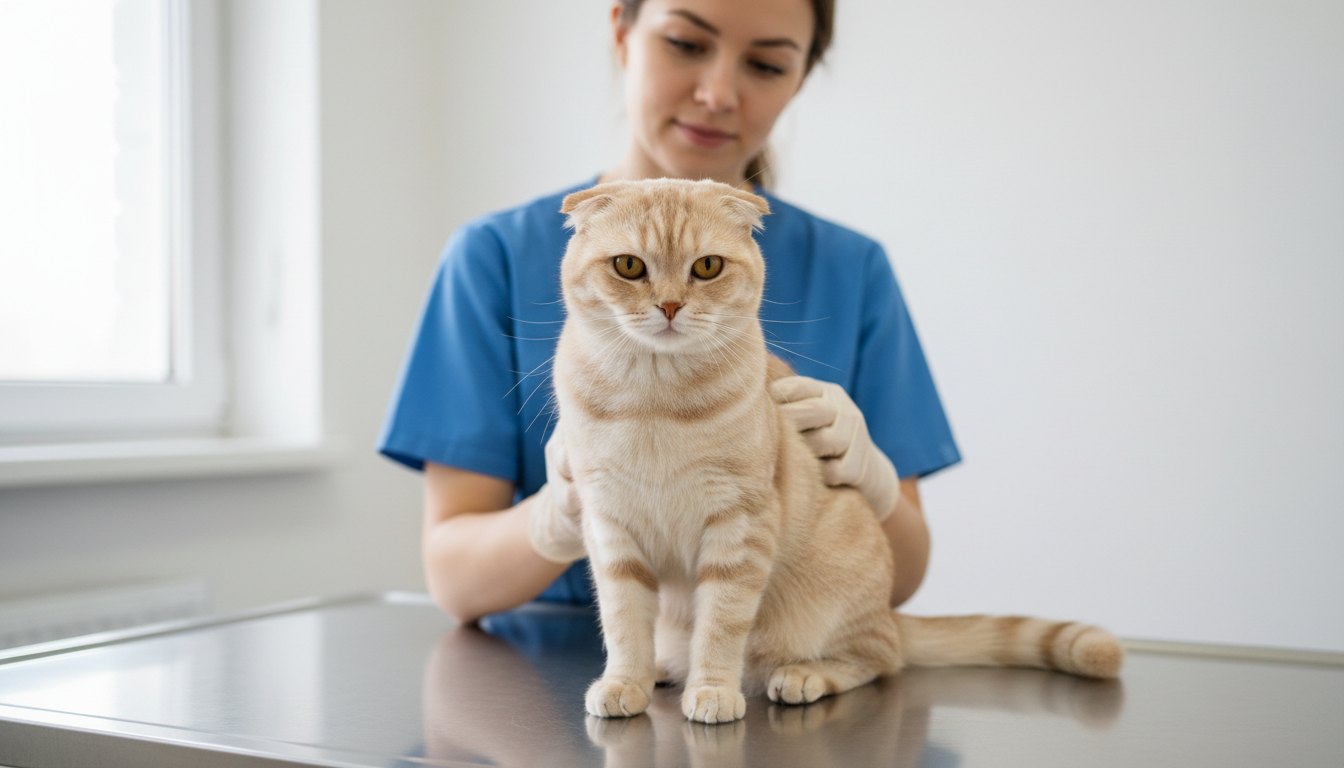
In the early stages, most cats with PKD show no signs at all. This is exactly why the disease can be tricky to catch without proactive screening, especially in a breed where owners may be more focused on joint comfort than kidney health. As the disease progresses, though, there are some changes worth paying attention to.
None of these signs are exclusive to kidney disease, and they can overlap with many other conditions. That’s exactly why it’s so important to bring any of these changes to your vet’s attention rather than trying to guess the cause yourself.
- Increased thirst and more frequent trips to the litter box
- Weight loss despite a normal or even increased appetite
- A duller coat or decreased interest in grooming
- Lethargy or a general decrease in activity and playfulness
- Occasional vomiting, especially if it becomes a regular pattern
When to See the Vet
If you notice any combination of increased thirst, changes in litter box habits, weight loss, or a drop in your cat’s usual energy, it’s time to schedule a vet visit. These changes are rarely something to watch and wait on, especially in a breed where kidney health deserves extra attention.
You should also bring your cat in for an exam if you notice decreased appetite, bad breath with an unusual ammonia-like odor, or any signs of discomfort when your cat uses the litter box. Sudden lethargy, repeated vomiting, or a cat that seems to be hiding more than usual are signs that warrant a prompt visit rather than waiting for a routine checkup.
Your vet is the only one who can determine whether these signs point to kidney disease or something else entirely. Never try to diagnose or treat your cat at home based on symptoms alone, since many conditions can look similar on the surface but require very different management.
How Vets Diagnose PKD
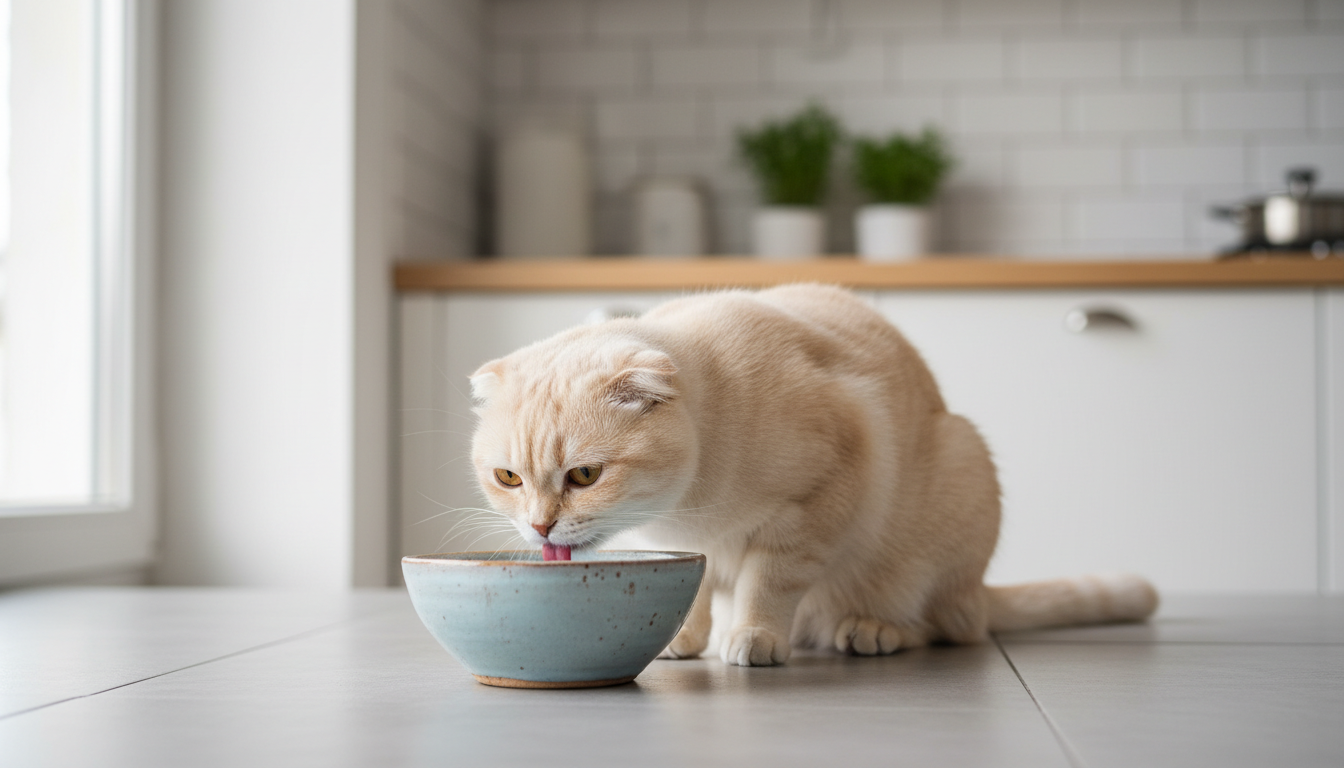
Diagnosing polycystic kidney disease typically starts with a thorough physical exam and a conversation about your cat’s history and any symptoms you’ve noticed. From there, your vet will likely recommend bloodwork to check kidney values and a urinalysis to see how well the kidneys are concentrating urine, since both can offer early clues about kidney function.
Ultrasound imaging is often the most direct way to visualize cysts within the kidneys. A skilled ultrasonographer can often identify fluid-filled cysts even when they’re relatively small, which makes this a valuable tool for both diagnosing the condition and monitoring how it changes over time. In some cases, genetic testing may also be available and can be a useful tool, particularly for breeding decisions.
Your vet may recommend repeating some of these tests periodically, even if your cat seems healthy, simply to track any changes in kidney function over time. This kind of baseline monitoring can make a real difference in catching progression early.
Treatment and Long-Term Management
There is currently no cure for polycystic kidney disease, and treatment instead focuses on supporting kidney function and managing symptoms as they arise. Many cats with mild to moderate disease live comfortably for years with little to no intervention beyond regular monitoring.
As kidney function declines, your vet may recommend dietary changes designed to ease the workload on the kidneys, along with strategies to help manage hydration, blood pressure, and any secondary issues like nausea. Every cat’s situation is different, so management plans should always be built around your individual cat’s bloodwork, symptoms, and overall health rather than a one-size-fits-all approach.
It’s worth emphasizing that any medication, supplement, or diet change should go through your vet first. Kidney disease management is highly individualized, and what works well for one cat could be inappropriate or even harmful for another.
- Prescription kidney support diets recommended specifically by your vet
- Fresh water available at all times, with some cats benefiting from fountains or multiple water stations
- Regular rechecks of bloodwork and blood pressure to track changes
- Medications or supplements only as directed by your vet, never adjusted on your own
Supporting Your Cat at Home
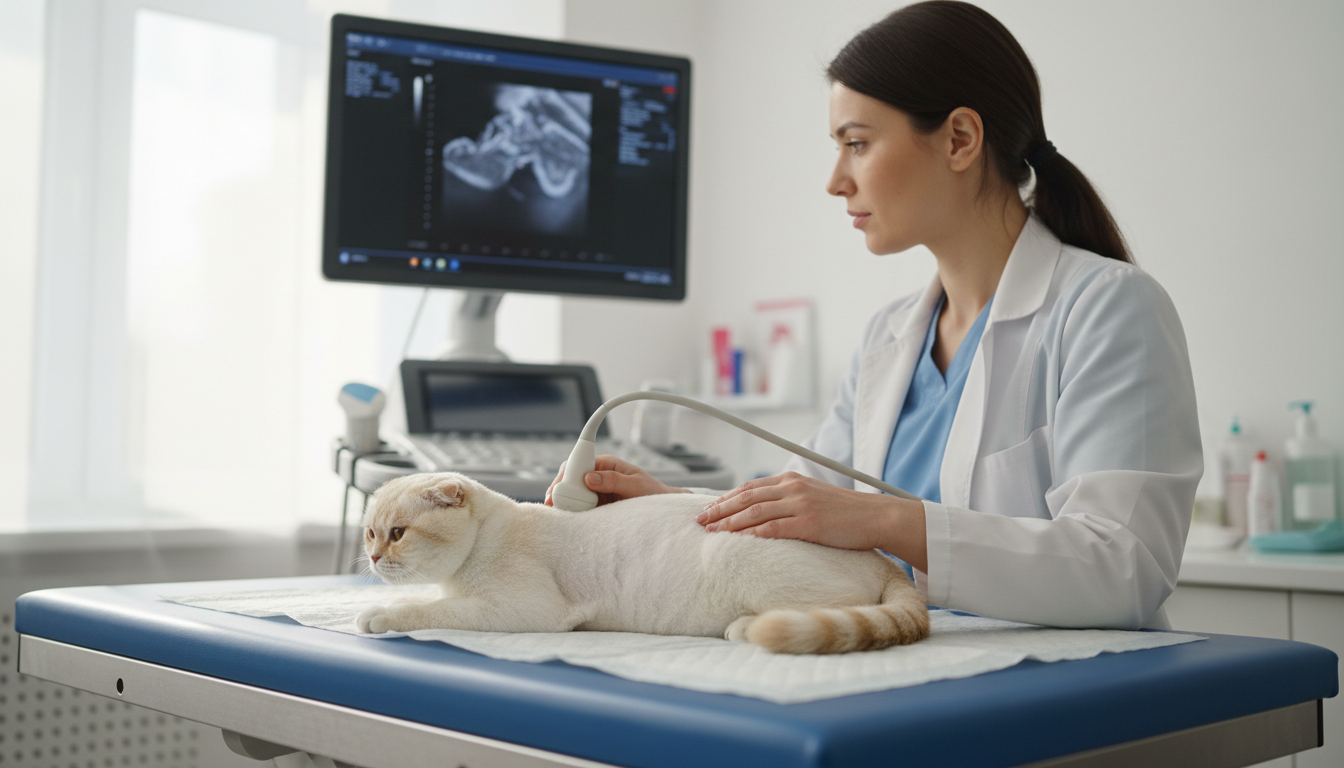
Living with a cat who has PKD often means paying closer attention to the small details of daily life. Making sure fresh water is always available and easy to access, including on every floor of your home if you have stairs, can encourage your cat to stay well hydrated.
Litter box habits are also worth monitoring closely. Keeping boxes clean and easily accessible helps you notice changes in urination frequency or volume sooner, which can be an important early indicator if kidney function starts to shift. Weighing your cat regularly, even with a simple household scale, can help you catch gradual weight loss that might otherwise go unnoticed between vet visits.
Stress reduction also plays a role in supporting overall health for cats managing a chronic condition. A predictable routine, a calm environment, and plenty of comfortable resting spots can all help your cat feel secure, which may support their overall wellbeing even though it doesn’t directly treat the kidney disease itself.
Diet Considerations
Nutrition plays an important supporting role once kidney changes are identified, though the right diet depends entirely on your cat’s specific bloodwork and stage of disease. Your vet may recommend a prescription renal diet, which is typically formulated with adjusted protein, phosphorus, and sodium levels designed to ease the kidneys’ workload.
It’s important not to switch your cat to a kidney diet or any specialized food without your vet’s guidance, since cats in earlier stages of PKD may not need the same dietary adjustments as cats with more advanced disease. Making changes too early or without proper testing could mean your cat misses out on nutrients they still need.
Transitioning to a new diet should always be done gradually, mixing small amounts of the new food with the old over a week or two, since cats can be particular eaters and sudden changes may lead to them refusing food altogether. Your vet or a veterinary nutritionist can help you navigate this transition if it becomes necessary.
The Role of Genetics and Breeding
Because PKD is understood to have a hereditary component in some lines, responsible breeding practices play an important role in reducing how often it appears in future generations. If you’re considering adding another Scottish Fold to your home, asking the breeder about health testing and family history for both kidney and joint conditions is a reasonable and important question to raise.
Genetic testing options continue to evolve, and your vet can help you understand what’s currently available and how reliable it is for predicting risk. If you already have a cat diagnosed with PKD and are involved in breeding decisions, your vet can help guide conversations about whether that cat should continue to be bred.
For most pet owners, though, the practical takeaway is less about genetics and more about awareness. Knowing that PKD exists within the breed gives you a reason to ask your vet about appropriate screening rather than waiting for symptoms to appear.
Monitoring as Your Cat Ages
As cats get older, routine wellness visits become even more valuable, particularly for breeds with known kidney considerations. Many vets recommend more frequent bloodwork and urinalysis screening for senior cats in general, and this becomes especially relevant if PKD has already been identified or is suspected.
Blood pressure monitoring is another piece of the puzzle, since kidney disease and high blood pressure can be closely linked in cats. Catching elevated blood pressure early can help protect other organs, including the eyes, from additional complications down the road.
Keeping a simple log of your cat’s water intake, litter box habits, appetite, and weight can be genuinely useful information to bring to these appointments. Small trends that might be hard to recall from memory become much clearer when you have a few months of notes to share with your vet.
What to Expect Long-Term
The long-term outlook for a cat with polycystic kidney disease varies enormously depending on how much kidney tissue is affected and how early the condition is caught. Some cats live full, comfortable lives with only mild kidney changes that never progress to serious illness. Others may eventually develop chronic kidney disease requiring more intensive management.
Because every cat’s situation is different, it’s hard to predict exactly what the future holds without ongoing veterinary guidance. Regular monitoring allows your vet to adjust the management plan as needed, which often means your cat can enjoy a good quality of life for a long time even with this diagnosis.
Staying engaged with your vet’s recommendations, keeping up with recheck appointments, and responding promptly to any new symptoms are the best tools you have for supporting your cat through this condition over the years ahead.
A Final Word on Awareness
Polycystic kidney disease isn’t something that should cause panic, but it is something worth knowing about if you share your home with a Scottish Fold. Awareness simply means you’re better equipped to notice subtle changes and seek veterinary input sooner rather than later.
Every cat is an individual, and having a breed-related condition on your radar doesn’t mean your cat will ever develop symptoms. It simply means you have one more reason to prioritize regular veterinary checkups and to trust your instincts if something about your cat’s health seems off.
If you ever have concerns about your Scottish Fold’s kidney health, energy levels, thirst, or litter box habits, don’t hesitate to reach out to your vet. They’re your best resource for turning general breed awareness into a specific, personalized plan for your cat.
This article is for general education and is not a substitute for care from your own veterinarian. Learn about The Pet Vet and our editorial policy.