
Weight management in Dachshunds matters more than it does for almost any other breed, because this dog’s unique long-backed, short-legged body has almost no room for error. A few extra pounds that another breed might carry without issue can translate into real strain on a Dachshund’s spine, joints, and overall health. If you share your life with one of these affectionate, stubborn little dogs, understanding why weight control is so important—and how to do it safely—can genuinely protect their quality of life for years to come.
Table of Contents
- Why Weight Matters So Much for This Breed
- How to Tell If Your Dachshund Is Overweight
- The Direct Link Between Weight and Back Problems
- Feeding the Right Amount
- Exercise That Is Safe for a Long-Backed Dog
- Life Stages and Changing Needs
- When Weight Gain Signals a Health Issue
- Working With Your Vet on a Weight Plan
- The Emotional Side of Saying No
- Supporting a Healthy Back Alongside a Healthy Weight
- Signs That Warrant a Vet Visit
- Building Sustainable Habits for the Long Run
- A Final Word on Protecting Your Dachshund
Why Weight Matters So Much for This Breed
Dachshunds were bred with a long spine and short legs, a body shape that makes them wonderful at tunneling after badgers but also puts constant mechanical stress on their back. When a Dachshund carries extra weight, that weight does not distribute evenly the way it might on a longer-legged, more proportionate dog. Instead, it adds direct pressure to the vertebrae and the discs that cushion them, which are already working harder than they would in most other breeds.
This matters because Dachshunds are already predisposed to back problems due to their body shape, and obesity is one of the most significant controllable risk factors that can make those problems worse or bring them on sooner. Veterinarians consistently see that overweight Dachshunds tend to have more pain, more mobility issues, and a harder recovery if they ever need back surgery. Keeping your Dachshund at a healthy weight is not just about appearance or general health, it is one of the most protective things you can do for this specific breed’s long-term comfort and independence.
How to Tell If Your Dachshund Is Overweight
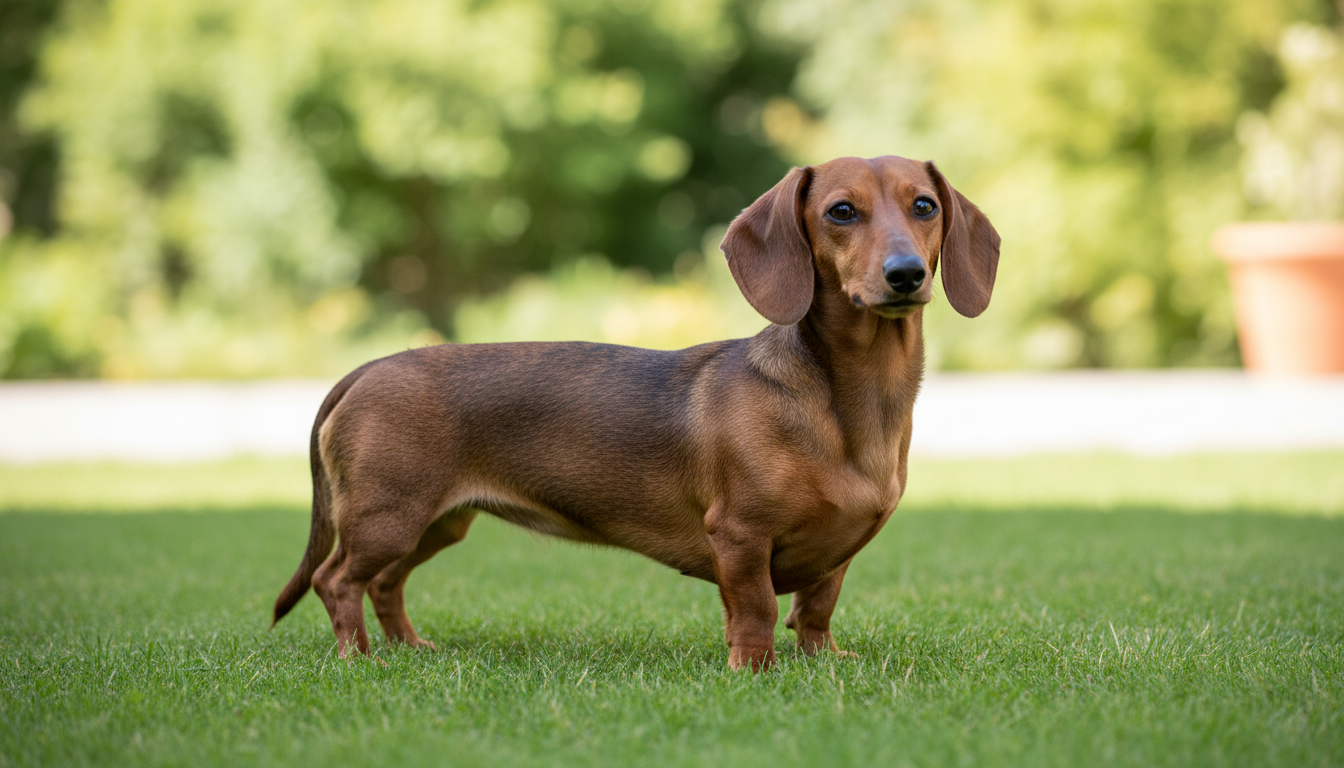
Because Dachshunds have such an unusual shape to begin with, it can be tricky for owners to judge whether their dog is carrying too much weight just by looking at them. A good rule of thumb is to feel along your dog’s ribcage with your hands. You should be able to feel the ribs fairly easily under a thin layer of fat, without having to press hard. If you cannot feel the ribs at all, or if your dog’s belly sags noticeably when viewed from the side, these are signs that extra weight has crept on.
Looking at your dog from above can also help. A healthy-weight Dachshund should have a visible waist, a slight narrowing behind the ribs before the hips, rather than a straight or outward-curving line from chest to hip. If you are ever unsure, your vet can assess your dog’s body condition score at a routine visit and give you an honest, objective answer rather than relying on guesswork at home.
- Ribs should be easy to feel without heavy pressure
- A visible waist should be present when viewed from above
- The belly should not sag or swing when your dog walks
- Your vet can assign a body condition score for an objective check
The Direct Link Between Weight and Back Problems
The connection between body weight and spinal health in Dachshunds is one of the most important things an owner can understand. Extra weight increases the load placed on the intervertebral discs every time your dog jumps, twists, or even just walks around the house. Over time, this added stress can accelerate the degeneration of those discs, making a back injury more likely and often more severe when it does happen.
It is also worth knowing that if a Dachshund ever needs back surgery, carrying excess weight can complicate both the surgery itself and the recovery period afterward. Extra pounds make it harder for a dog to rebuild strength and mobility during rehabilitation, and they place additional strain on a spine that is already healing. Keeping your dog lean is one of the few factors within your control that can meaningfully lower the chances of a serious back episode or improve the outlook if one occurs.
Feeding the Right Amount
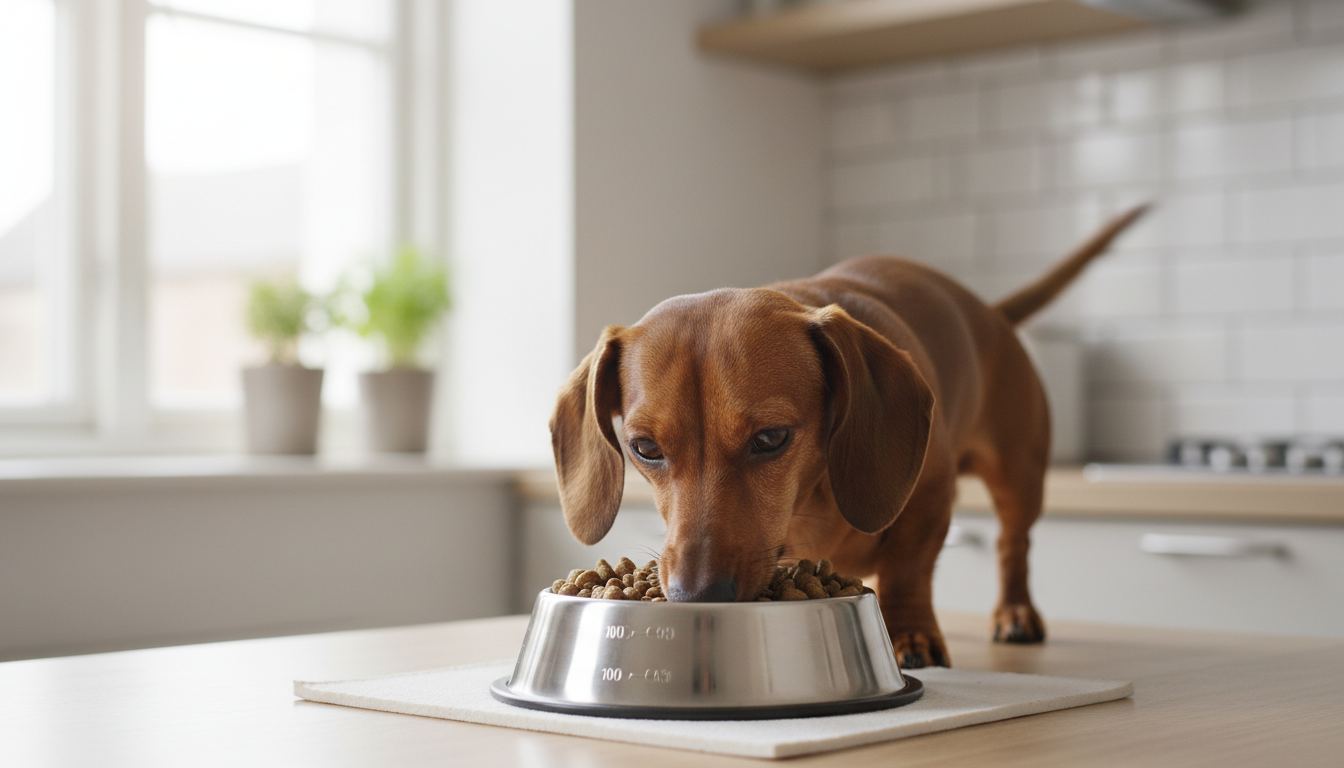
One of the most common reasons Dachshunds gain weight is simply that their owners are feeding more than the dog actually needs. These are small dogs with modest calorie requirements, and it is easy to overestimate how much food they should have, especially when they give those famous pleading eyes at every meal. Using a measuring cup rather than eyeballing portions, and following feeding guidelines based on your dog’s ideal weight rather than their current weight, can make a real difference.
Treats are another major contributor to weight gain in this breed. Because Dachshunds are small, even a few extra treats a day can represent a significant percentage of their daily calorie needs. If you want to use treats for training or bonding, consider breaking them into smaller pieces or choosing lower-calorie options, and factor them into your dog’s overall daily food allowance rather than treating them as separate from mealtime.
- Measure meals with a proper cup rather than guessing
- Base portions on your dog’s ideal weight, not current weight
- Account for treats as part of total daily calories
- Avoid feeding from the table, which adds up quickly
Exercise That Is Safe for a Long-Backed Dog
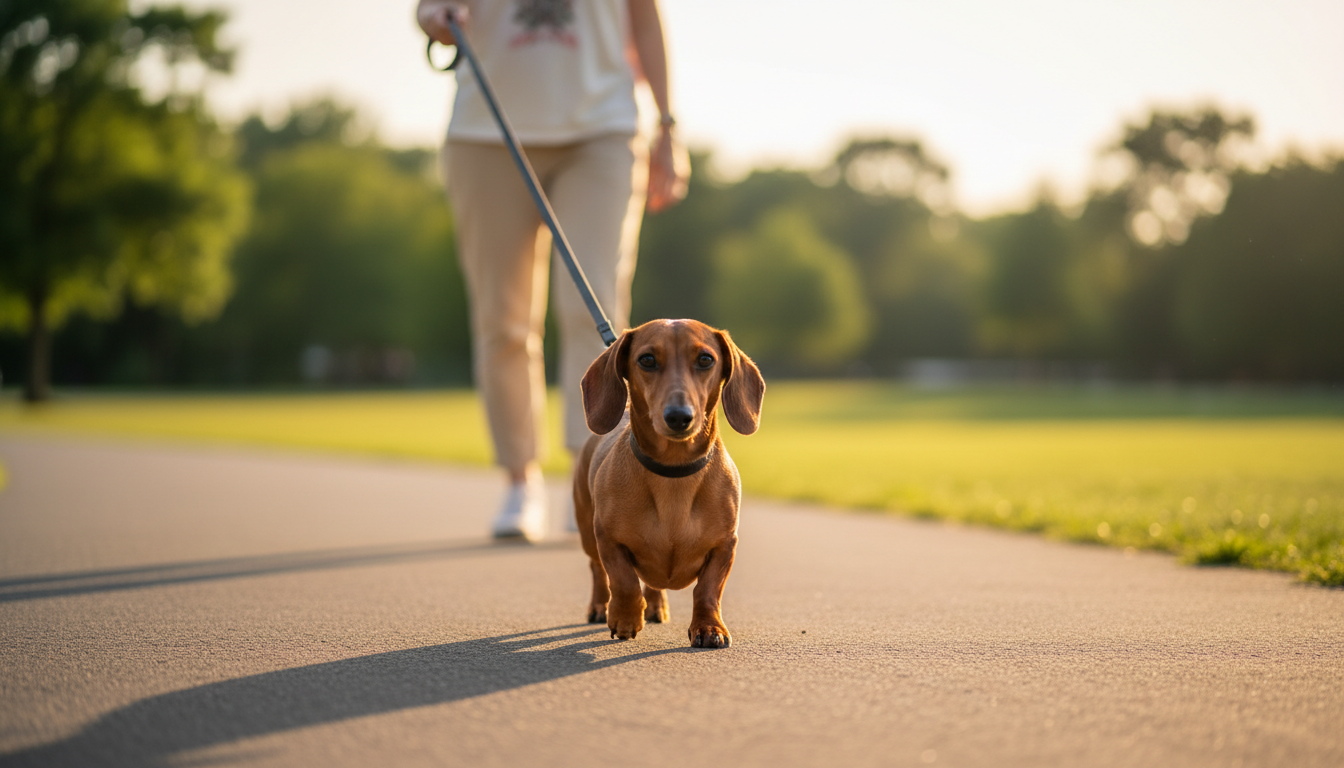
Regular exercise is an important part of weight management in Dachshunds, but it needs to be approached thoughtfully given this breed’s spinal vulnerabilities. Daily walks are generally a safe and effective way to help your dog burn calories and maintain muscle tone, including the core muscles that help support the back. Keeping walks consistent, rather than doing a big burst of activity once a week, tends to work better for both weight control and joint health.
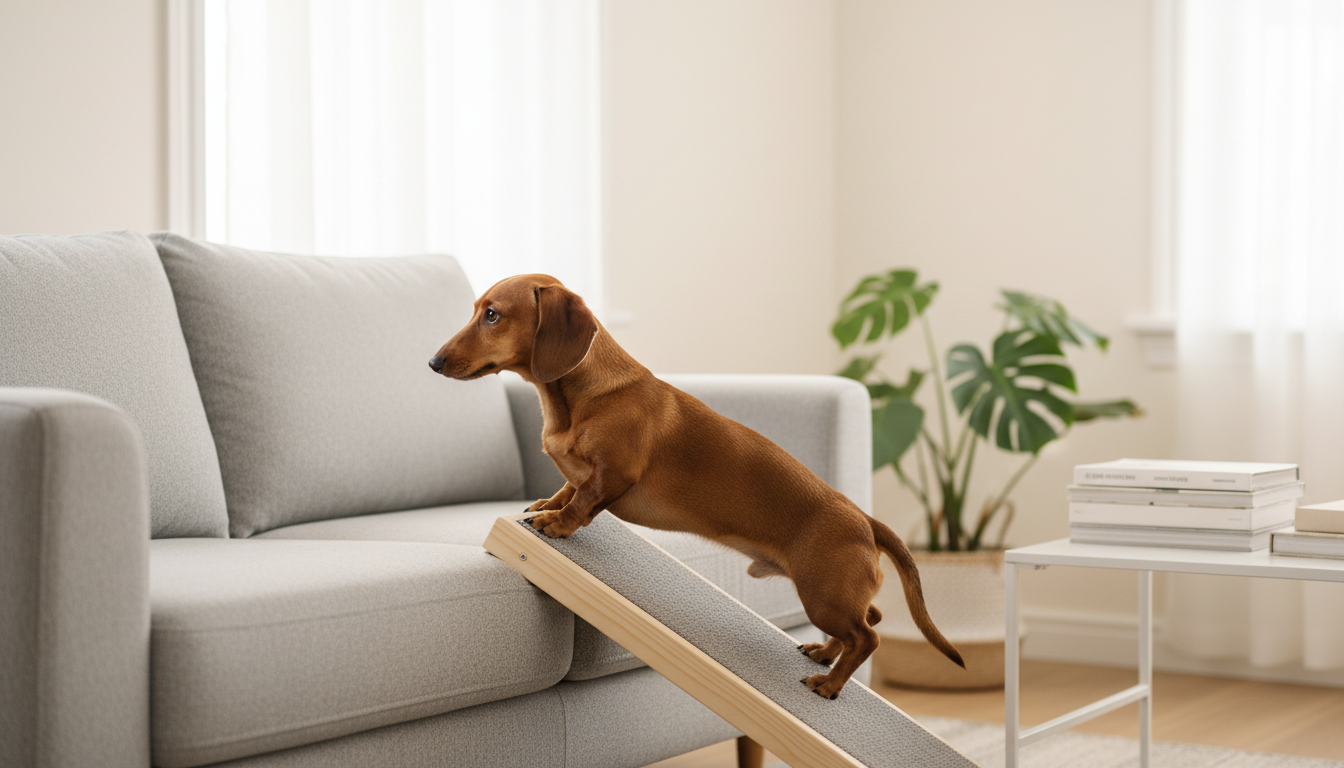
At the same time, certain types of activity carry more risk for this breed and should be limited or avoided. Jumping on and off furniture, running up and down stairs repeatedly, and rough play that involves twisting or being picked up incorrectly can all put unnecessary strain on the spine. Finding a balance between keeping your dog active enough to manage their weight and protecting them from high-impact movements is something your vet can help you tailor to your individual dog’s age and condition.
- Favor flat, steady walks over high-impact play
- Use ramps or steps to help your dog get on and off furniture
- Limit stair use, especially in puppies and senior dogs
- Keep activity consistent rather than sporadic

Life Stages and Changing Needs
A Dachshund’s calorie needs are not static throughout their life, and weight management strategies often need to shift as your dog ages. Puppies have different nutritional requirements to support healthy growth, and overfeeding during this stage can set the pattern for weight problems later on. Adult dogs in their prime years typically need a stable, moderate calorie intake paired with regular exercise, while senior Dachshunds often become less active and may need their food intake adjusted downward to match their slower metabolism.
Spaying or neutering can also affect a dog’s metabolism, often lowering their calorie needs somewhat after the procedure. If your Dachshund has been spayed or neutered, it is worth discussing with your vet whether a feeding adjustment makes sense to prevent gradual weight creep in the months and years that follow. Regular weigh-ins, even at home with a simple scale, can help you catch small changes before they become bigger problems.
When Weight Gain Signals a Health Issue
While diet and exercise are usually behind weight gain in Dachshunds, it is worth knowing that certain underlying health conditions can also cause a dog to pack on pounds even without an increase in food intake. Hormonal imbalances, for example, can slow metabolism and lead to weight gain that feels unexplained or resistant to normal diet changes. If your Dachshund is gaining weight despite a consistent, appropriate diet and exercise routine, this is worth mentioning to your vet rather than simply cutting food further on your own.
Your vet can run appropriate tests to rule out underlying causes and make sure any weight management plan is addressing the real issue. Trying to manage weight gain without understanding its cause can sometimes delay diagnosis of a treatable condition, so this is one of those situations where professional input early on can save time and frustration.
Working With Your Vet on a Weight Plan
If your Dachshund does need to lose weight, your vet is the best resource for building a safe, effective plan tailored to your dog’s specific situation. This typically involves calculating your dog’s ideal weight and current calorie needs, then setting a gradual, realistic timeline for weight loss rather than trying to rush the process. Rapid weight loss is not healthy for dogs and can actually create new problems, so patience and consistency matter here.
Your vet may also recommend a specific weight management diet formulated to help dogs feel satisfied on fewer calories, which can make the process easier for both you and your dog. Regular check-ins, whether through scheduled vet visits or simple at-home weigh-ins, help you track progress and make adjustments along the way. Never start a significant diet change or weight loss plan without professional guidance, especially for a breed with the spinal sensitivities Dachshunds have.
- Set a gradual, realistic weight loss timeline with your vet
- Consider a vet-recommended weight management diet if needed
- Track progress with regular weigh-ins
- Adjust the plan as needed rather than expecting a straight line
The Emotional Side of Saying No
Many owners struggle with weight management not because they do not understand the risks, but because it is genuinely hard to say no to a dog who is begging for food. Dachshunds are known for their persistent, charming personalities, and that persistence often extends to mealtime and treat time. Recognizing this emotional challenge is part of successfully managing your dog’s weight long term.
Finding alternative ways to show affection and bond with your dog, such as extra playtime, grooming sessions, or training exercises that do not involve food, can help reduce the temptation to overfeed. Involving every member of the household in the weight management plan is also important, since a dog can easily gain weight if one family member is quietly slipping extra treats while everyone else follows the rules.
Supporting a Healthy Back Alongside a Healthy Weight
Weight management works best as part of a broader approach to protecting your Dachshund’s spine. Alongside keeping your dog lean, supporting their overall musculoskeletal health through appropriate exercise, safe furniture access, and careful handling can all work together to reduce strain on the back. Picking your Dachshund up correctly, supporting both the front and back of their body rather than lifting under the arms alone, is a small habit that makes a real difference over time.
Some owners also find that harnesses rather than collars reduce strain on the neck and upper spine during walks, which can be a helpful addition to an overall back-protective routine. None of these measures replace the importance of a healthy weight, but together they create an environment where your dog’s spine is under less everyday stress.
Signs That Warrant a Vet Visit
Even with the best weight management plan in place, it is important to stay alert to signs that something may be wrong with your Dachshund’s back or overall health. Reluctance to jump, yelping when picked up or touched along the spine, a hunched posture, or any change in how your dog walks should prompt a prompt visit to your vet. These signs can indicate back problems that need immediate attention, and early intervention often leads to better outcomes.
Similarly, if you notice your dog gaining weight despite your best efforts, becoming unusually lethargic, or showing changes in appetite or thirst, these are also reasons to check in with your vet rather than waiting to see if things improve on their own.
- Reluctance or inability to jump onto furniture
- Yelping or signs of pain when touched along the back
- A hunched back or noticeably stiff walk
- Dragging of the back legs or wobbliness
- Unexplained weight changes or appetite shifts
Building Sustainable Habits for the Long Run
Successful weight management in Dachshunds is rarely about a single dramatic change, but rather about building small, sustainable habits that you can maintain for your dog’s entire life. Consistent portion control, regular moderate exercise, and mindful treat-giving are far more effective over time than occasional strict diets followed by a return to old habits. Dogs, like people, respond best to steady routines rather than drastic swings.
Keeping a simple log of your dog’s weight, food intake, and activity level can help you notice trends early and make small adjustments before weight becomes a bigger issue. This kind of proactive, steady approach tends to be much easier on both you and your dog than trying to manage a significant weight problem after it has already developed.
A Final Word on Protecting Your Dachshund
Your Dachshund’s long back is part of what makes this breed so distinctive and beloved, but it also means that weight management deserves more attention than it might in other dogs. By staying attentive to your dog’s body condition, feeding appropriate portions, providing safe and consistent exercise, and working closely with your vet, you are giving your dog one of the best possible chances at a comfortable, active life. If you ever have concerns about your Dachshund’s weight, mobility, or back health, do not hesitate to reach out to your vet for guidance tailored specifically to your dog.
This article is for general education and is not a substitute for care from your own veterinarian. Learn about The Pet Vet and our editorial policy.