
Separation anxiety in Australian Shepherds is one of the most common behavior concerns owners of this breed bring to their vet. Bred to work side by side with people all day, Aussies often struggle when left alone, and the resulting stress can show up as destruction, barking, or accidents in the house. Understanding why this happens and how to help your dog cope is the first step toward a calmer home for both of you.
Table of Contents
- Why Australian Shepherds Are Prone to Separation Anxiety
- Signs Your Aussie Is Struggling When Left Alone
- How This Differs From Normal Boredom or Mischief
- The Physical Toll of Chronic Alone-Time Stress
- Building Independence Gradually
- Enrichment and Exercise as Part of the Solution
- The Role of Crate Training and Safe Spaces
- When to Involve Your Veterinarian
- Working With a Certified Behaviorist or Trainer
- What Not to Do When Addressing Separation Anxiety
- Daily Routines That Can Help Prevent Escalation
- Living With a Breed That Thrives on Companionship
- The Bottom Line for Worried Owners
Why Australian Shepherds Are Prone to Separation Anxiety
Australian Shepherds were developed to work closely alongside ranchers, moving livestock and taking direction constantly throughout the day. That history shaped a dog who is happiest when there’s a job to do and a person nearby to do it with. Unlike breeds developed to work independently or guard property alone, Aussies were never meant to spend long stretches without human contact or purpose.
This close working partnership translates into a strong attachment to their owners in a modern home setting. Many Aussies shadow their favorite person from room to room, check in frequently, and seem unsettled when their person is out of sight even for a few minutes. That same devotion that makes them such loyal companions can tip into genuine distress when they’re left completely alone.
It’s worth noting that not every clingy Australian Shepherd has separation anxiety, and not every anxious dog of this breed shows it the same way. Some dogs tolerate alone time reasonably well with the right preparation, while others struggle even after years in the same household. Recognizing your individual dog’s patterns matters more than assuming every Aussie will react the same way.
Signs Your Aussie Is Struggling When Left Alone
Separation anxiety looks different from dog to dog, but there are some patterns that tend to repeat in Australian Shepherds. Because this breed is so physically capable and food and object driven, their anxious behaviors can sometimes cause significant damage before an owner realizes what’s happening.
If you notice several of these behaviors clustering around your departures and easing once you return, separation anxiety is a reasonable concern to raise with your veterinarian. Video footage of your dog while you’re out can be genuinely useful here, since many owners never actually see what happens the moment the door closes.
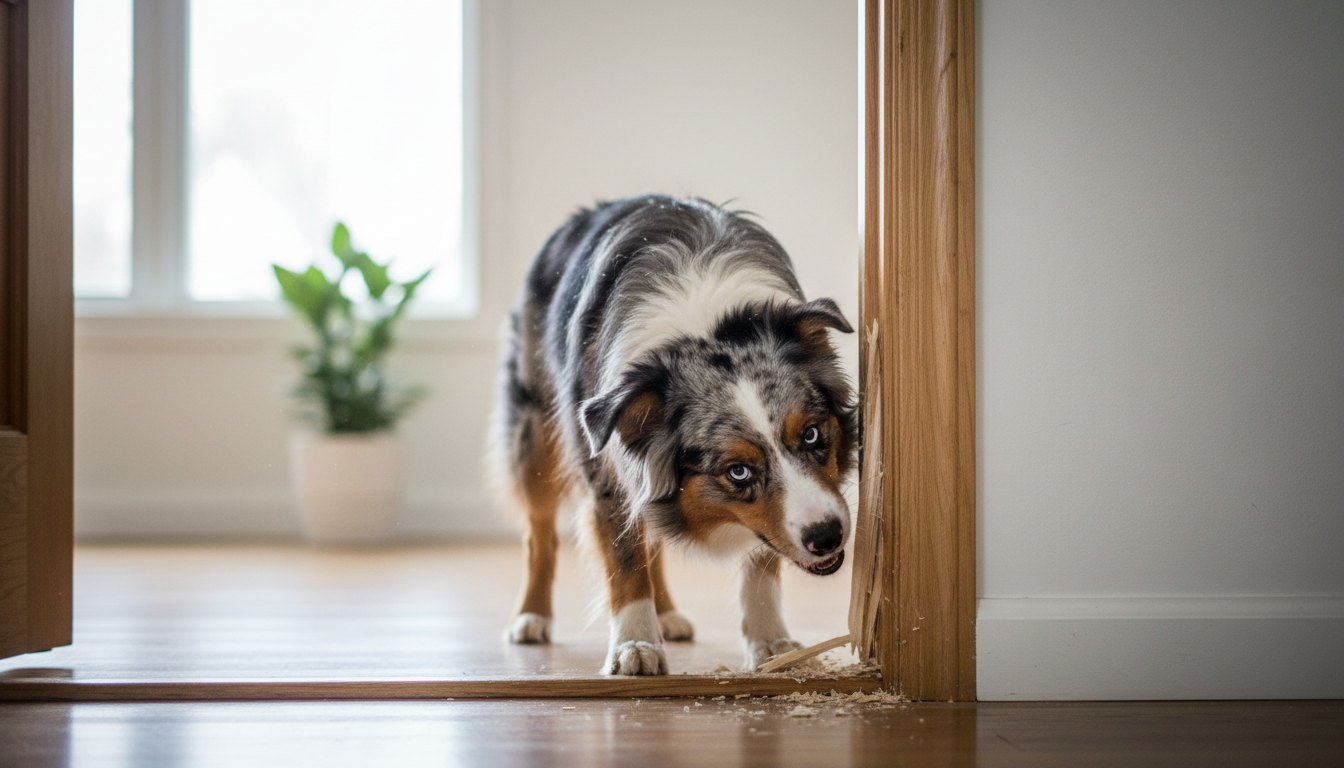
- Destructive chewing or digging concentrated near doors, windows, or exit points
- Howling, barking, or whining that starts shortly after you leave and continues for an extended period
- Pacing, panting, or drooling that doesn’t match the room temperature or activity level
- House soiling in a dog who is otherwise reliably housetrained
- Attempts to escape crates, rooms, or the yard, sometimes resulting in self-injury
How This Differs From Normal Boredom or Mischief
It’s easy to lump any alone-time misbehavior into the same category, but boredom and true separation anxiety are not the same thing and they don’t respond to the same fixes. A bored Aussie left without enough mental or physical outlets might chew a shoe or dig in the yard out of restless energy, but the behavior tends to happen at random times and doesn’t carry the same panic-driven intensity.
Dogs with genuine separation anxiety typically show distress specifically tied to being separated from their person, not just to being left with nothing to do. The damage often concentrates around exit points like doors and window sills, which points to an attempt to escape or follow rather than general restlessness. Timing matters too, since anxiety-driven behavior usually starts within minutes of departure rather than building up over hours of boredom.
Getting this distinction right matters because the solutions differ. More exercise and puzzle toys can resolve boredom-driven destruction, but they rarely fix true separation anxiety on their own. A dog whose distress is rooted in panic about being alone needs a different kind of support, and misreading the situation can leave both of you frustrated.
The Physical Toll of Chronic Alone-Time Stress
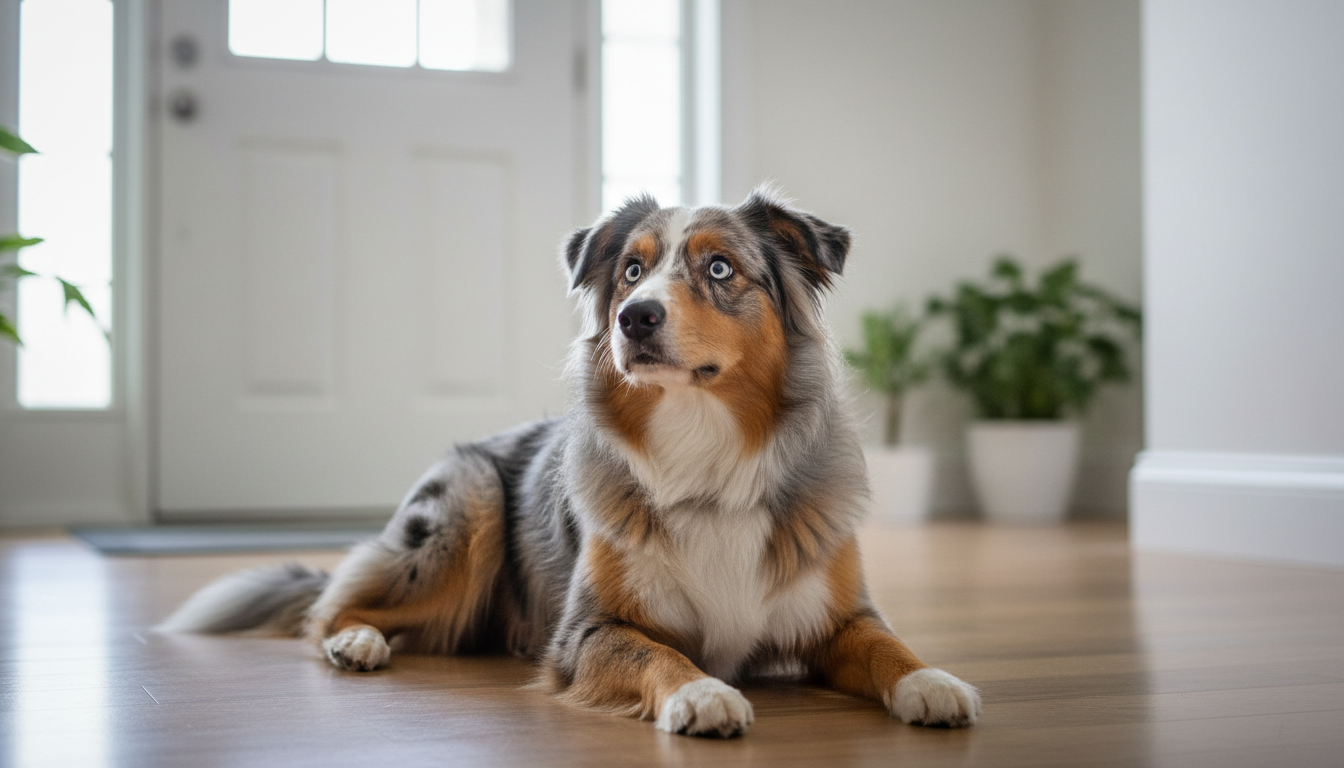
Living with ongoing anxiety isn’t just unpleasant for your dog in the moment, it can take a real physical toll over time. Chronic stress hormones circulating in a dog’s system have been linked to digestive upset, changes in appetite, and a weakened ability to settle even when you’re home.
Some Aussies with severe separation anxiety also injure themselves trying to escape crates or rooms, resulting in broken nails, cut paws, or damaged teeth from chewing at barriers. Weight changes can show up too, either from a dog who stops eating when alone or one who develops compulsive behaviors around food as a coping mechanism. These physical signs are worth mentioning to your vet alongside the behavioral ones, since they help paint a fuller picture of how much the anxiety is affecting your dog’s overall wellbeing.
Building Independence Gradually
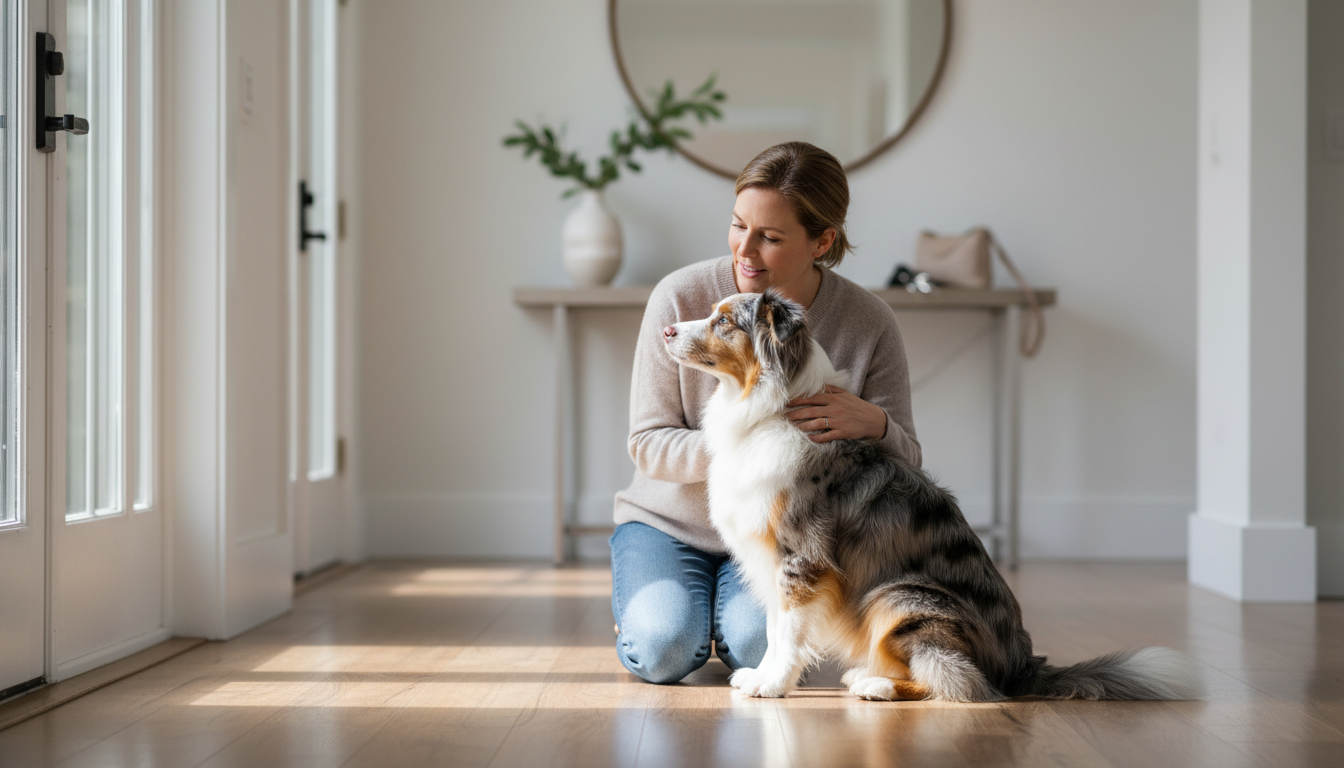
One of the most effective long-term approaches to separation anxiety involves teaching your dog, in small steps, that being alone is safe and temporary. This isn’t about ignoring your dog’s distress, it’s about building their confidence at a pace they can actually handle without becoming overwhelmed.
Progress with this kind of training tends to be slow and nonlinear, and that’s normal. Pushing too fast by extending alone time before your dog is ready can set the process back, so patience really does matter here more than speed.
- Start with very brief departures, sometimes just stepping outside for a few seconds, and gradually extend the time as your dog stays calm
- Avoid dramatic greetings or goodbyes that signal departures are a big deal
- Create a consistent pre-departure routine so your dog isn’t constantly on alert for cues that you’re leaving
- Practice alone time in short sessions even on days you don’t actually need to leave the house
- Use a designated comfort space with familiar bedding and scent to help your dog settle
Enrichment and Exercise as Part of the Solution
Australian Shepherds are a high-energy, high-intelligence breed, and unmet physical and mental needs can make separation anxiety worse even when they’re not the root cause. A dog who is genuinely tired and mentally satisfied is often better equipped to settle during alone time than one who’s pent up with energy and nowhere to put it.
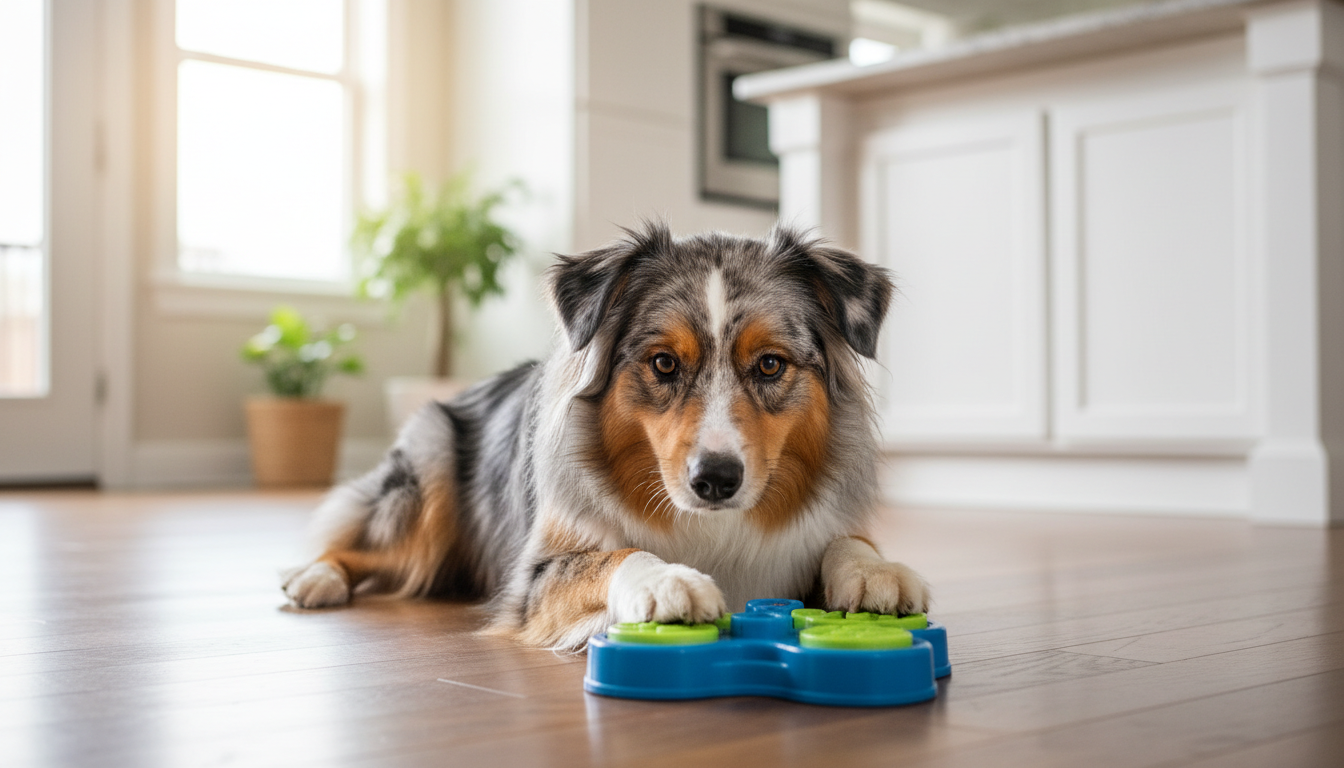
Long walks, structured play sessions, and activities like scent work or agility-style games can help burn off the physical energy this breed tends to carry. Food puzzles and slow feeders given right before you leave can also give your dog something constructive to focus on during the early, often hardest, minutes of your absence. None of this replaces direct work on the anxiety itself, but it does make the overall picture more manageable and gives your dog a healthier outlet for the restlessness that can accompany stress.
The Role of Crate Training and Safe Spaces
A properly introduced crate can become a genuine refuge for some dogs with separation anxiety, offering a small, enclosed space that feels safer than an open room. For other dogs, particularly those who associate confinement with panic, a crate can make things noticeably worse and increase the risk of self-injury from attempts to escape.
Figuring out which category your Aussie falls into usually requires careful, gradual introduction long before you actually need to rely on the crate during real departures. Watch for signs of relaxation versus escalating distress during practice sessions, and don’t force a dog who is clearly panicking to stay confined. If crating isn’t a good fit, a safely dog-proofed room with no access to windows, cords, or small ingestible objects can serve the same protective purpose.
When to Involve Your Veterinarian
Separation anxiety is a legitimate medical and behavioral concern, not just an inconvenience, and it’s worth bringing up at your dog’s next appointment rather than waiting for things to resolve on their own. Your vet can help rule out underlying medical issues that sometimes mimic or worsen anxiety symptoms, such as pain, hearing changes, or house soiling caused by something other than stress.
For moderate to severe cases, your veterinarian may discuss whether anti-anxiety medication could support your dog’s training and recovery alongside behavior modification. These decisions depend heavily on your individual dog’s history and severity of symptoms, and should always be made in partnership with a professional rather than through guesswork or over-the-counter products marketed for anxiety. A vet can also refer you to a certified veterinary behaviorist if your dog’s case is complex enough to need more specialized support.
Working With a Certified Behaviorist or Trainer
Some cases of separation anxiety respond well to owner-led training using consistent, gradual protocols at home, but others benefit significantly from professional guidance. A certified applied animal behaviorist or a trainer who specializes in separation-related behavior problems can help you build a customized plan based on your dog’s specific triggers and tolerance levels.
This kind of professional support is particularly worth considering if your dog’s anxiety is severe, if you’ve tried gradual desensitization without much progress, or if the behaviors pose a safety risk to your dog or your home. A good professional will work alongside your veterinarian rather than replacing that relationship, especially if medication becomes part of the plan.
What Not to Do When Addressing Separation Anxiety
Certain well-intentioned responses can actually make separation anxiety worse, so it helps to know what to avoid as you work through this with your dog. Punishing a dog for destructive behavior or accidents that happened while you were gone doesn’t address the underlying fear and often increases anxiety around your return, which can deepen the overall problem.
Approaching this with patience and consistency, rather than frustration, tends to produce better results and protects the trust between you and your dog throughout the process.
- Avoid scolding your dog for damage or messes discovered after you’ve been away
- Don’t rely solely on getting a second pet as a fix, since separation anxiety is about missing you specifically, not just being alone
- Resist the urge to rush the independence-building process once you see small improvements
- Don’t ignore worsening symptoms in hopes your dog will simply adjust over time
Daily Routines That Can Help Prevent Escalation
Consistency in your dog’s daily schedule can make a meaningful difference in how well they tolerate alone time overall. Predictable feeding times, exercise windows, and rest periods help regulate your dog’s stress levels across the whole day, not just during the specific minutes you’re gone.
Over time, these small, steady habits can reduce the overall anxiety baseline your dog is working from, which often makes the specific training around departures more effective.
- Keep departure and arrival times as low-key as possible to avoid building anticipation
- Offer meals and enrichment activities at consistent times each day
- Make sure your Aussie gets dedicated exercise before extended alone periods, not just after
- Build in short daily practice separations even when you don’t need to leave
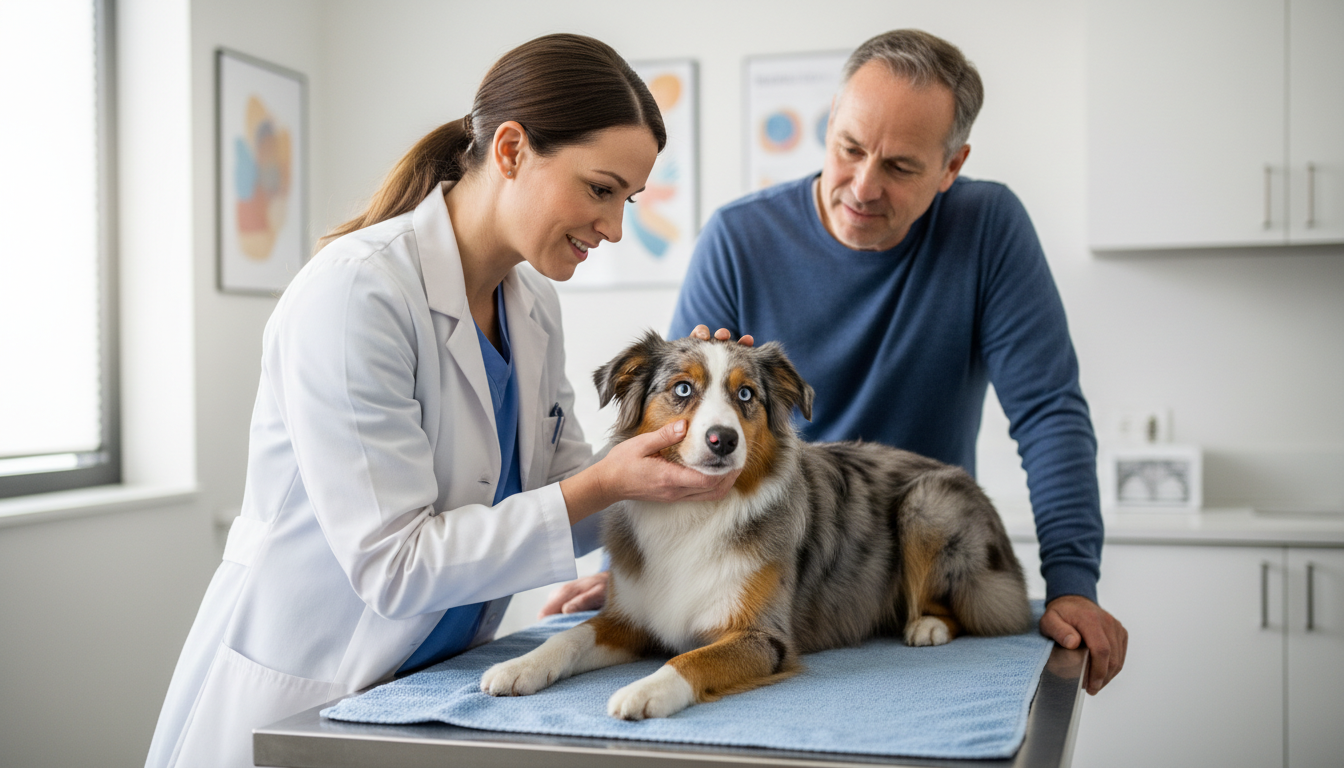
Living With a Breed That Thrives on Companionship
Choosing or already living with an Australian Shepherd means accepting that this is a breed built for connection and partnership with people. That’s part of what makes them such rewarding companions, but it also means alone time needs thoughtful management rather than being treated as a minor afterthought.
Many households with working schedules do successfully manage an Aussie’s needs through a combination of training, enrichment, doggy daycare, dog walkers, or adjusted routines that reduce long stretches of solitary time. Being realistic about your schedule and your individual dog’s tolerance level before and after bringing them home can prevent a lot of stress for both of you down the line.
The Bottom Line for Worried Owners
Separation anxiety in Australian Shepherds is a real and manageable challenge rather than a character flaw or training failure on your part. With patience, consistent gradual training, appropriate enrichment, and support from your veterinarian or a qualified behaviorist when needed, many dogs make genuine progress toward tolerating alone time more comfortably.
If your Aussie is showing signs of distress when left alone, don’t wait for things to resolve on their own, since early intervention tends to produce better outcomes than letting the pattern become deeply ingrained. Talk to your veterinarian about what you’re observing, and together you can build a plan suited to your dog’s specific needs and your household’s realities.
This article is for general education and is not a substitute for care from your own veterinarian. Learn about The Pet Vet and our editorial policy.