
Whippet muscle injuries happen more often than many owners expect, mostly because this breed’s body is built for short, explosive bursts of speed rather than steady, cautious movement. That combination of minimal body fat, long limbs, and a love of full-speed sprinting means a single awkward landing or sudden stop can turn into a serious strain. This guide walks through why Whippets are so prone to these injuries, how to recognize the signs, and when it’s time to call your vet.
Table of Contents
- Why Whippets Are Built for Speed, Not Durability
- Common Types of Injuries Seen in This Breed
- Recognizing the Signs of a Muscle Injury
- Why Early Rest Matters So Much
- When to See a Vet Right Away
- How Vets Diagnose Soft Tissue Injuries
- Treatment Approaches Your Vet May Recommend
- The Role of Warming Up Before Exercise
- Surface and Environment Matter More Than You Might Think
- Body Condition and Its Effect on Injury Risk
- Supporting Recovery at Home
- Long-Term Outlook for Whippets With Muscle Injuries
- When to Involve a Rehabilitation Specialist
- Final Thoughts for Whippet Owners
Why Whippets Are Built for Speed, Not Durability
Whippets were developed for one thing above all else: chasing something fast over a short distance. Their entire physique reflects that purpose, from the deep chest that holds large lungs to the long, narrow legs that act almost like springs. That same design, however, comes with a tradeoff. The muscles that let a Whippet hit top speed in just a few strides are being asked to absorb enormous force, and there is very little body fat or padding to cushion them if something goes wrong.
Unlike a stockier, more muscular breed, Whippets carry comparatively little muscle mass relative to the stress their sprinting places on soft tissue. Tendons and ligaments attach to a lean frame that has almost no insulation, so a bad landing, a quick pivot, or an unexpected stop can translate directly into a pulled muscle, a strained tendon, or even a torn ligament. Owners sometimes describe it as their dog going from “totally fine” to “limping badly” in the span of a single play session, and that abrupt onset is very typical for this breed.
This is not a flaw in how Whippets are bred so much as a tradeoff that comes with being built for speed. Greyhounds and other sighthounds share some of these same tendencies for similar reasons. Understanding that your dog’s body is essentially optimized for short bursts of extreme performance, rather than rough-and-tumble durability, helps explain why muscle injuries show up so frequently in this breed.
Common Types of Injuries Seen in This Breed
Whippet owners tend to become familiar with a fairly predictable list of soft tissue problems over the life of their dog. Most involve the large muscle groups in the back legs, since that is where the explosive push-off and sudden deceleration forces are concentrated. The tail can also be affected in some dogs, especially if it gets caught on something during a high-speed turn.
Some of the injuries vets see most often in this breed include:
Many of these injuries happen during what looks like completely normal play, such as chasing a ball in the yard or running with another dog. That is part of what makes them so frustrating for owners, since there is rarely an obvious accident to point to.
- Strains or tears in the iliopsoas muscle, which runs along the inner hip and is heavily used during sprinting
- Gracilis muscle tears in the inner thigh, sometimes called a “Whippet tear” because it shows up so often in this breed
- Hamstring strains from sudden stops or sharp turns
- Tail fractures or soft tissue injury from the tail striking a hard surface during play
- Toe and footpad injuries from running on uneven or hard ground at high speed
Recognizing the Signs of a Muscle Injury
A Whippet with a muscle injury does not always cry out or make it obvious right away. Because this breed tends to be stoic, some dogs will keep moving for a little while before the limping or stiffness becomes clear. Paying close attention to subtle changes in how your dog moves after exercise can help you catch a problem early.
Watch for these signs after any period of fast running or hard play:
If you notice any of these signs, it is best to stop exercise immediately and keep your dog calm and still. Continuing to run or play on an injured muscle can turn a mild strain into a much more serious tear, so erring on the side of caution matters here.
- Limping that appears suddenly, especially in a back leg
- Reluctance to jump onto furniture or into the car
- A shortened stride or a “bunny hopping” gait
- Visible swelling, heat, or sensitivity when you touch a specific area
- Holding a leg up or refusing to put full weight on it
- Licking or chewing at one spot repeatedly
Why Early Rest Matters So Much
One of the hardest parts of owning a Whippet is convincing them to actually rest. This breed tends to have an enormous amount of enthusiasm and energy even when something hurts, and many owners are surprised at how willing their dog is to keep running on an injury that clearly needs time to heal. That eagerness works against recovery, because soft tissue needs time without stress on it to repair properly.
Pushing through a minor strain too quickly is one of the most common reasons a small injury becomes a bigger, more complicated one. A muscle that is still healing is weaker and more prone to re-tearing, so a dog that goes back to full speed too soon often ends up right back at square one, sometimes with a worse injury than before. This is why vets generally recommend a structured period of restricted activity rather than letting the dog decide when it feels ready to run again.
Crate rest or confinement to a small area, short leash walks only, and a gradual, supervised return to normal activity are typical parts of a recovery plan. The exact timeline and approach should always come from your veterinarian, since it depends on which muscle is involved and how severe the injury is.

When to See a Vet Right Away
Not every limp needs an emergency visit, but there are situations where waiting is not a good idea. Because Whippets can mask pain well, a dog that seems only mildly uncomfortable may actually have a more significant injury than it appears. Trusting your instincts as an owner matters here, especially if something about your dog’s behavior feels off.
You should contact your vet promptly if you notice:
Your vet can examine the affected area, check for swelling or instability, and may recommend imaging to get a clearer picture of what is going on. Muscle tears, tendon injuries, and fractures can look similar from the outside, so a professional evaluation is the only reliable way to know what you are actually dealing with.
- Non-weight-bearing lameness that does not improve within a short rest period
- Significant swelling or a visibly misshapen limb
- Signs of significant pain, such as crying out or guarding the area aggressively
- A tail that hangs limply or will not move at all
- Lameness that lasts more than a day or two despite rest
How Vets Diagnose Soft Tissue Injuries
When you bring your Whippet in for an exam, your vet will typically start with a hands-on assessment, feeling along the muscles and joints to find areas of pain, swelling, or heat. They will also watch your dog walk and may ask you to describe exactly what happened leading up to the limp, since the pattern of injury can offer clues about which structure is involved.
Depending on what they find, your vet might recommend additional diagnostics such as X-rays to rule out fractures or joint problems, or in some cases ultrasound to get a better look at the soft tissue itself. These tools help your vet distinguish between a mild strain that may heal with rest and a more serious tear that could need a different approach to treatment.
It is worth being patient during this process, even if it feels slow. Rushing to a conclusion without proper diagnostics can lead to the wrong treatment plan, and that often means a longer road to recovery overall.
Treatment Approaches Your Vet May Recommend
Treatment for a Whippet’s muscle injury depends heavily on which structure is affected and how severe the damage is. Mild strains often respond well to rest, controlled activity, and time, while more significant tears may need a longer and more structured recovery plan. Your vet is the right person to determine which category your dog’s injury falls into and to guide you through the specific steps.
In general, a treatment plan may involve some combination of the following, all directed by your veterinarian:
Never attempt to manage pain or inflammation with medications from your own cabinet, including over-the-counter human pain relievers. Many common drugs are unsafe for dogs even in small amounts, and your vet needs to be the one deciding on any medication given the injury and your dog’s overall health.
- A period of strict rest or activity restriction
- Controlled, gradually increasing exercise as healing progresses
- Supportive care such as cold or warm compresses, depending on the stage of injury
- Physical rehabilitation exercises in more significant cases
- Follow-up exams to confirm the injury is healing as expected

The Role of Warming Up Before Exercise
Because Whippets go from standing still to full sprint almost instantly, their muscles do not always get the gradual warm-up that would help protect them. Think about how differently a human sprinter prepares compared to simply bolting across a yard with no buildup at all. Many muscle injuries in this breed happen in the first few minutes of a play session, before the muscles have had any chance to loosen up.
A short walk or gentle trot before any high-intensity play can make a meaningful difference. This does not need to be elaborate, just a few minutes of easy movement to get blood flowing to the muscles before asking your dog to sprint at full speed. Cold weather makes this even more important, since cold muscles are generally stiffer and more prone to strains.
Owners who make this a consistent habit, rather than something they only think about occasionally, often find their dogs handle vigorous exercise with fewer setbacks. It is a simple step, but one that is easy to overlook in the excitement of letting an eager Whippet finally run.
Surface and Environment Matter More Than You Might Think
Where your Whippet runs can be just as important as how they run. Hard, uneven, or slippery surfaces put extra strain on muscles and joints that are already working at their limit during a full sprint. Wet grass, loose gravel, and hard pavement are all more likely to contribute to a slip, a sudden twist, or an awkward landing than a stretch of flat, dry ground.
Dog parks and unfamiliar off-leash areas carry additional risk simply because you cannot control the terrain or predict holes, divots, or debris hidden in the grass. Many owners of this breed find it worthwhile to scope out a space before letting their dog run full speed, checking for obvious hazards that could cause a fall.
Weather conditions matter too. Extremely hot pavement can be uncomfortable and even dangerous for paw pads, while icy or frosty ground significantly increases the risk of a slip-related injury. Adjusting where and when you let your Whippet sprint, based on these conditions, is a practical way to reduce the odds of an injury in the first place.
Body Condition and Its Effect on Injury Risk
It might seem like a lean, athletic dog would be at lower risk of muscle injury, but in Whippets the opposite can sometimes be true if the dog is carrying too little muscle tone or, on the other end, too much extra weight. A Whippet that is underconditioned, meaning not used to regular exercise, is more vulnerable to injury when suddenly asked to sprint at full effort after a period of inactivity.
On the flip side, even a small amount of excess weight on a Whippet’s naturally lean frame adds noticeable extra stress to muscles and joints during high-speed movement, since there is so little natural padding to begin with. Keeping your dog at a healthy, consistent weight and maintaining regular, moderate exercise between high-intensity sessions helps keep muscles conditioned and more resilient.
Talk to your vet about what a healthy weight and appropriate exercise routine look like for your individual dog, since factors like age and any existing health conditions can change those recommendations. A dog that gets consistent, moderate activity throughout the week is generally better prepared for an occasional burst of full-speed running than one that only exercises hard on weekends.
Supporting Recovery at Home
If your vet has diagnosed a muscle strain or tear and sent your Whippet home to recover, your job during that period is mostly about patience and consistency. This can be genuinely difficult with a breed known for its enthusiasm, but sticking closely to your vet’s instructions gives your dog the best chance at a full recovery without complications.
Helpful habits during a recovery period include:
It can help to physically separate your Whippet from situations that might tempt them into sudden movement, such as keeping them on a leash indoors around an excitable second dog or using a baby gate to block off a staircase. Small environmental changes like these often prevent the kind of impulsive sprint or jump that can undo weeks of careful healing.
- Using a short leash for all outdoor bathroom breaks, even in a fenced yard
- Blocking access to furniture, stairs, or anything requiring jumping
- Keeping other pets from encouraging rough play during the healing window
- Following your vet’s timeline for reintroducing exercise, rather than your dog’s eagerness
- Attending any recommended follow-up appointments to confirm healing is on track
Long-Term Outlook for Whippets With Muscle Injuries
Most muscle strains in Whippets heal well with appropriate rest and care, especially when the injury is caught early and managed properly. Dogs that receive a prompt diagnosis and follow a structured recovery plan often return to their normal activity level, including running and play, once their vet gives the go-ahead. More significant tears can take longer and sometimes require a more gradual, carefully staged return to exercise, but the long-term outlook is still generally good for most dogs.
Dogs that have had one muscle injury may be somewhat more prone to re-injuring the same area if they return to full activity too quickly, which is part of why following your vet’s recovery timeline closely matters even after your dog seems to be moving normally again. Some owners find that incorporating ongoing conditioning exercises, as guided by their vet or a canine rehabilitation specialist, helps reduce the chance of repeat injuries down the road.
Every dog is different, and your vet is best positioned to give you a realistic timeline and outlook based on your Whippet’s specific injury and overall health. Staying in close communication with them throughout the recovery process, rather than guessing at milestones on your own, gives your dog the best possible outcome.
When to Involve a Rehabilitation Specialist
For more significant muscle or tendon injuries, your vet may suggest working with a canine physical rehabilitation specialist in addition to standard veterinary care. These professionals are trained specifically in helping dogs regain strength and range of motion safely after an injury, using techniques that go beyond what a general practice visit typically covers.
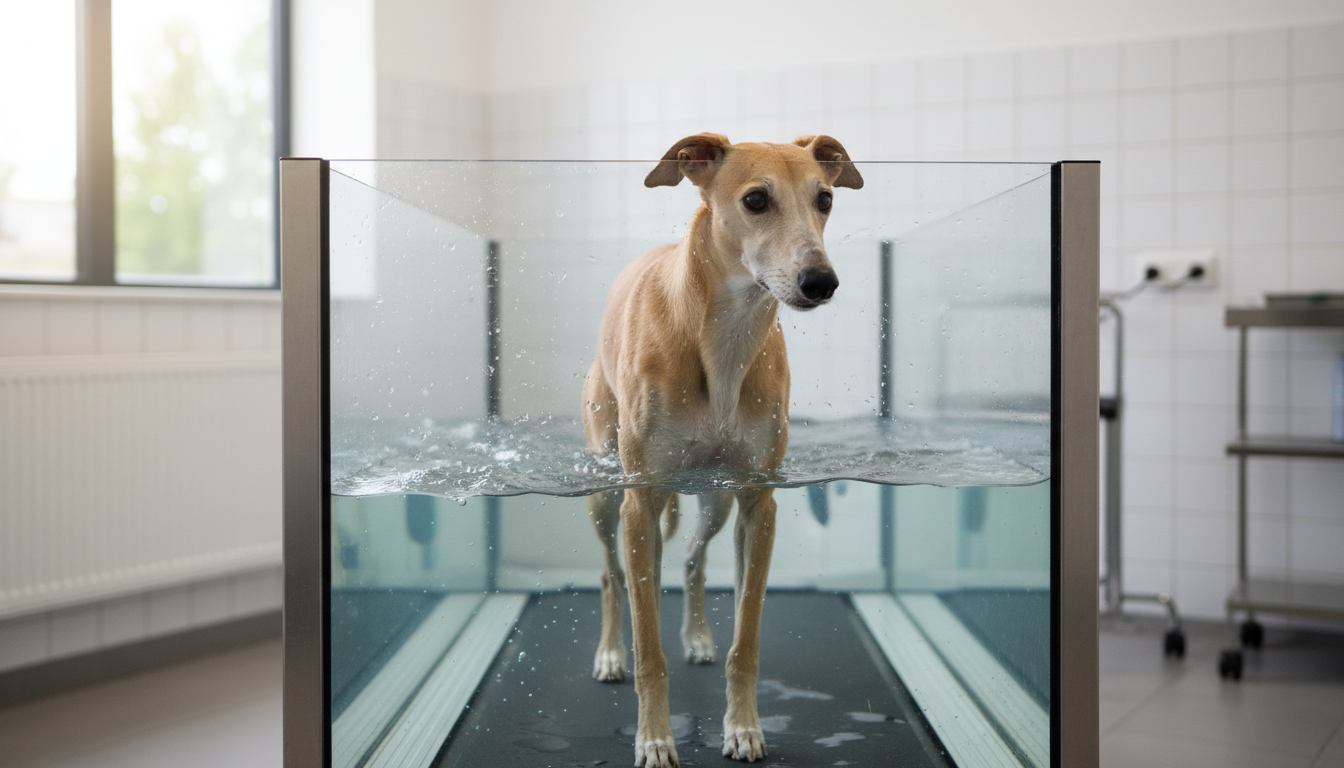
Rehabilitation might include controlled underwater treadmill sessions, targeted stretching, or specific strengthening exercises designed to rebuild the injured muscle without putting it at risk of re-tearing. This kind of structured, professional support can be especially valuable for a breed like the Whippet, where the instinct to run at full speed again can outpace the actual healing timeline.
If your vet recommends this route, it is worth taking seriously rather than skipping ahead to home exercises on your own. A trained specialist can track subtle signs of progress or setback that might be easy to miss otherwise, helping ensure your dog’s return to activity is both safe and lasting.
Final Thoughts for Whippet Owners
Living with a Whippet means living with a dog built for thrilling bursts of speed, and that is part of what makes the breed so wonderful to watch and spend time with. It also means staying a little more alert than owners of sturdier breeds might need to be, since this breed’s lean, high-performance body comes with a real vulnerability to muscle strains and tears. Knowing the signs to watch for and taking limping or stiffness seriously, rather than waiting to see if it resolves on its own, gives your dog the best chance at a quick and complete recovery.
If you ever notice your Whippet limping, moving stiffly, or reluctant to use a leg after exercise, do not wait it out at home hoping it will pass. Reach out to your veterinarian for a proper evaluation so you can get an accurate diagnosis and a treatment plan suited to your dog’s specific injury. With the right care and a little patience during recovery, most Whippets go on to enjoy many more years of the fast, joyful running that makes this breed so special.
This article is for general education and is not a substitute for care from your own veterinarian. Learn about The Pet Vet and our editorial policy.