
If your cat is moving stiffly, reluctant to jump, or seems uncomfortable in their favorite spots, spondylosis in cats might be the reason behind those changes. This degenerative spine condition is more common than many cat owners realize, and the good news is that with the right approach, you can help your feline friend feel significantly better.
Table of Contents
- What Is Spondylosis in Cats?
- Signs Your Cat May Be Experiencing Spondylosis
- How Vets Diagnose Spondylosis in Cats
- Pain Management Options for Cats With Spondylosis
- Supplements and Natural Support for Spinal Health
- Physical Therapy and Environmental Modifications
- Weight Management and Nutrition
- When to Seek Urgent Veterinary Care
- Spondylosis in Cats vs. Dogs: Key Differences
- Long-Term Prognosis and Quality of Life
- What To Do Now
- Frequently Asked Questions
- Summary: Managing Your Cat’s Spondylosis
This article is for informational purposes only and is not a substitute for professional veterinary advice. Always consult a licensed veterinarian for diagnosis and treatment.
What Is Spondylosis in Cats?
Spondylosis is a degenerative joint disease affecting the spine. It develops when the intervertebral discs lose flexibility and bone spurs form along the vertebrae. Think of it as arthritis of the spine—a gradual wearing down that happens over time.

This condition is particularly common in middle-aged and senior cats. Unlike some acute injuries, spondylosis develops slowly, which means early detection can make a real difference in your cat’s quality of life.
Signs Your Cat May Be Experiencing Spondylosis
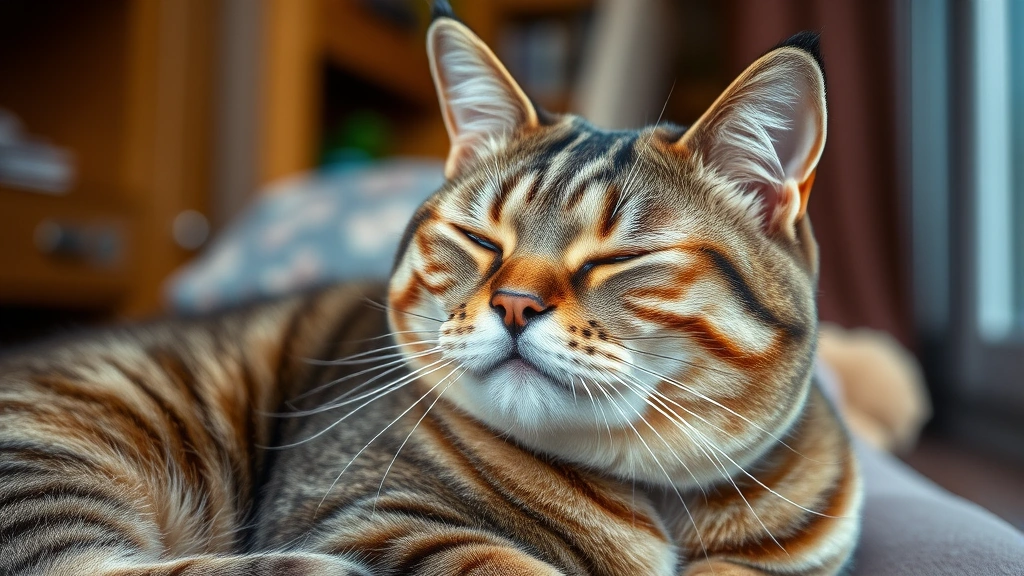
Cats are notorious for hiding discomfort, so you’ll need to watch carefully for subtle changes. Your cat may be experiencing spondylosis if they show reluctance to jump on furniture, move with stiffness (especially after rest), or have difficulty with grooming and flexibility.
Other signs include:
- Reduced activity or spending more time resting
- Reluctance to use the litter box or changes in litter box habits
- Sensitivity to touch along the spine or back
- Hind leg weakness or dragging
- Behavioral changes like irritability or decreased affection
Catching these early signs puts you in a great position to help your cat before the condition progresses further.

How Vets Diagnose Spondylosis in Cats
Your veterinarian will start with a physical examination, checking your cat’s spine, range of motion, and pain response. They’ll ask about your cat’s medical history and any behavioral changes you’ve noticed.
Imaging is essential for confirmation. X-rays are typically the first step and can show bone spurs and disc degeneration clearly. In some cases, your vet may recommend advanced imaging like CT or MRI scans to assess soft tissue damage and rule out other conditions.

Blood work may also be performed to ensure your cat is healthy enough for treatment options and to rule out other underlying issues.
Pain Management Options for Cats With Spondylosis
Managing pain is the cornerstone of spondylosis treatment. Your veterinarian may discuss several options tailored to your cat’s specific needs and overall health.
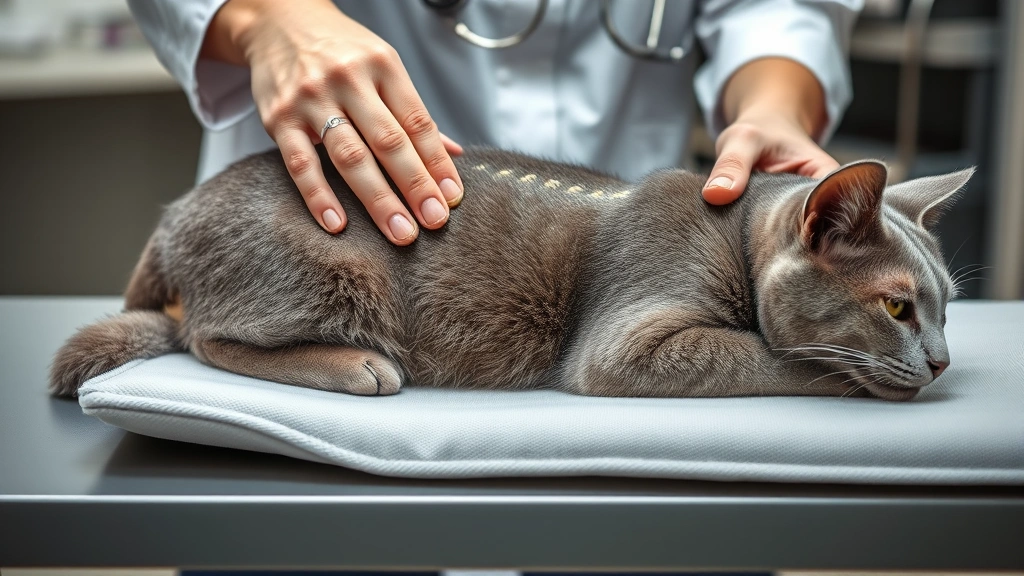
Non-Steroidal Anti-Inflammatory Drugs (NSAIDs) are often recommended to reduce inflammation and pain. These medications work by decreasing the inflammatory response in the spine. Your vet will monitor your cat regularly to ensure the medication is working well and isn’t causing any side effects.
Other Pharmaceutical Options may include pain relievers specifically formulated for cats. Your veterinarian will choose based on your cat’s age, kidney and liver function, and any other health conditions. Never give your cat human medications or over-the-counter pain relievers without explicit veterinary guidance.

Supplements and Natural Support for Spinal Health
Many cat owners find that supplements complement traditional pain management. Cat kidney supplements containing omega-3 fatty acids and glucosamine may help support joint and spine health.
Joint support supplements often include ingredients like:

- Glucosamine and chondroitin for cartilage support
- Omega-3 fatty acids for reducing inflammation
- Green-lipped mussel for natural anti-inflammatory properties
- Turmeric (in cat-safe formulations) for its potential anti-inflammatory effects
Always discuss supplements with your vet before starting, as some may interact with medications or not be appropriate for cats with certain health conditions.
Physical Therapy and Environmental Modifications
Beyond medications, environmental changes and gentle physical therapy can dramatically improve your cat’s comfort and mobility. These modifications cost little but make a meaningful difference.

Consider these adjustments:
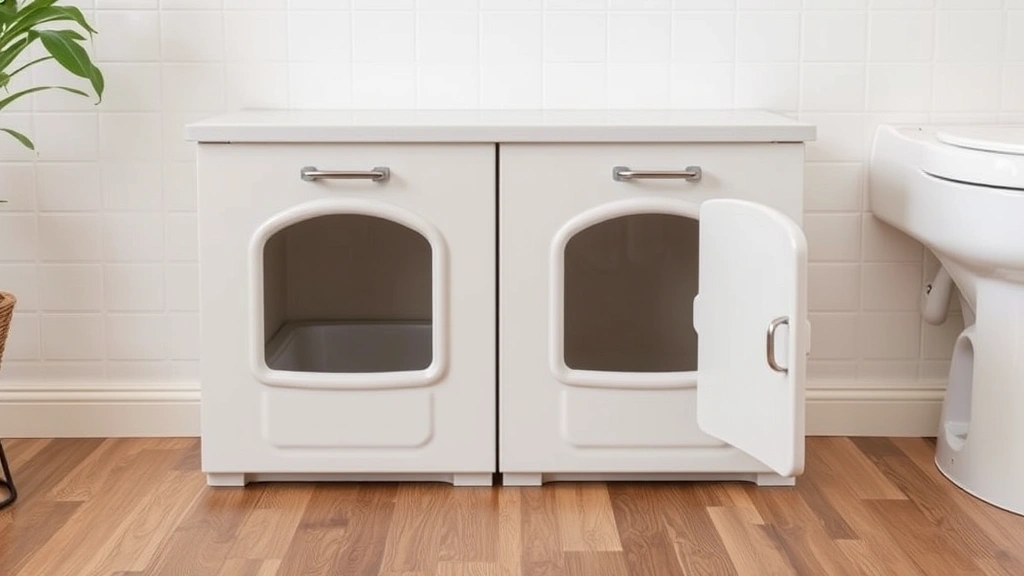
- Place food, water, and litter boxes on the same level to minimize jumping and climbing
- Use ramps or steps to help your cat reach favorite spots
- Provide heated beds or pads for warmth, which eases stiffness
- Ensure litter boxes have low sides for easy entry
- Create a comfortable, easily accessible resting area away from household traffic
Gentle stretching and low-impact play can help maintain flexibility. However, avoid high-impact activities like jumping games or rough play that could stress the spine further.
Weight Management and Nutrition
Maintaining a healthy weight is crucial for cats with spondylosis. Extra weight places additional stress on the spine and joints, potentially worsening pain and limiting mobility.
Work with your vet to develop a balanced, age-appropriate diet. High-quality protein supports muscle maintenance, which helps stabilize the spine. Consider senior cat kidney diet options if your older cat has additional health considerations.
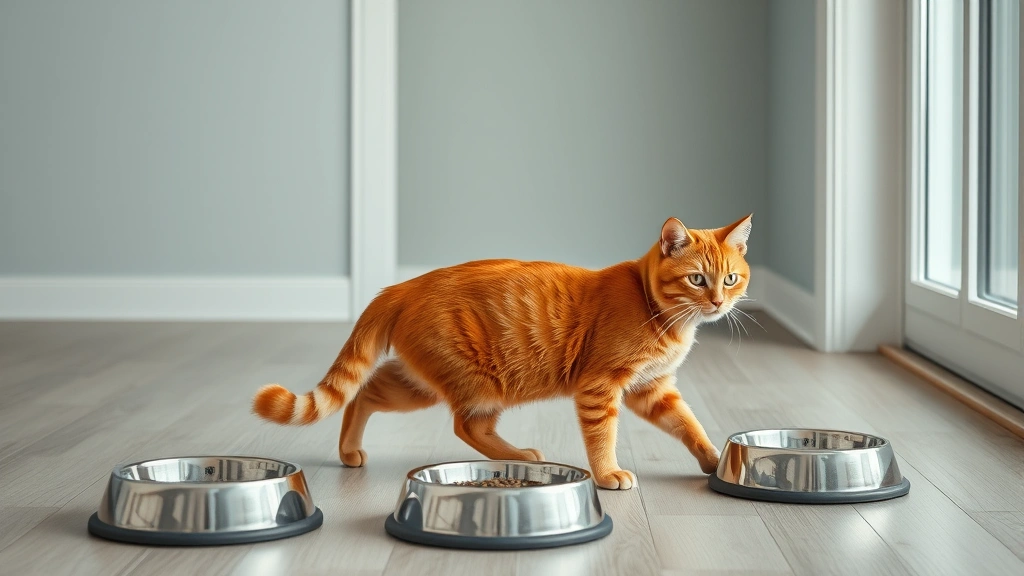
Feeding smaller, more frequent meals can also help if your cat seems uncomfortable eating due to spinal stiffness.
When to Seek Urgent Veterinary Care
While spondylosis typically progresses gradually, certain signs warrant immediate veterinary attention. If your cat suddenly loses the ability to use their hind legs, experiences loss of bladder or bowel control, or shows signs of severe pain, contact your vet or emergency clinic right away.

These symptoms could indicate spinal cord compression or a related emergency requiring urgent intervention. Don’t wait—prompt care can prevent permanent damage.
Spondylosis in Cats vs. Dogs: Key Differences
While spondylosis affects both cats and dogs, the presentation and management can differ. Dogs often show more obvious lameness or difficulty with stairs, whereas cats may hide symptoms longer due to their independent nature. If you have both cats and dogs, check out our guide on spondylosis in dogs to understand how treatment approaches vary.

Related spinal conditions in cats, like hyperesthesia syndrome in cats, can sometimes coexist with spondylosis and require separate management strategies.
Long-Term Prognosis and Quality of Life
The good news: spondylosis is manageable, and most cats maintain good quality of life with proper treatment. Progressive degeneration is normal, but pain control and environmental support can keep your cat comfortable for years.
Regular check-ins with your vet help monitor the condition’s progression and adjust treatment as needed. Many cats with spondylosis continue enjoying their favorite activities, though perhaps at a gentler pace.
What To Do Now
- Schedule a veterinary appointment if you notice stiffness, reluctance to jump, or reduced activity in your cat. Early diagnosis opens more treatment options.
- Document your cat’s symptoms with specific examples (e.g., “avoids jumping on the couch as of two weeks ago”) to share with your vet during the visit.
- Prepare your home by lowering litter boxes, adding ramps, and placing essentials on accessible levels before your vet visit.
- Ask your vet about pain management options and whether supplements might benefit your cat’s specific situation.
- If you’re unsure whether your pet needs urgent care, a quick telehealth check-in can give you peace of mind — no appointment needed. The Pet Vet can help you understand whether your cat’s symptoms need immediate attention.
Frequently Asked Questions
Can spondylosis in cats be cured?
No, spondylosis is a degenerative condition without a cure. However, it can be effectively managed with medications, supplements, physical therapy, and environmental modifications to keep your cat comfortable and mobile.
Is spondylosis painful for cats?
Yes, spondylosis can cause pain and discomfort, especially during movement or when the spine is stressed. That’s why pain management and supportive care are so important for quality of life.
How old do cats have to be to develop spondylosis?
Spondylosis typically develops in middle-aged and senior cats (7+ years), though younger cats can develop it following spinal injuries or in rare cases of genetic predisposition.
Can I prevent spondylosis in my cat?
While you can’t prevent degenerative disc disease entirely, maintaining a healthy weight, providing regular gentle exercise, and avoiding spinal trauma can reduce risk and slow progression.
What’s the difference between spondylosis and muscle wasting in cats?
Spondylosis is spinal degeneration, while muscle wasting is loss of muscle mass. They can occur together, especially in senior cats, and both benefit from physical activity and proper nutrition.
Summary: Managing Your Cat’s Spondylosis
Spondylosis in cats is a common condition in aging felines, but it doesn’t have to mean the end of your cat’s comfort or happiness. With a combination of pain management medications, supportive supplements, physical therapy, and thoughtful environmental changes, most cats maintain excellent quality of life.
The key is early detection and consistent management. Watch for subtle signs of stiffness or reduced mobility, work closely with your veterinarian to develop a personalized treatment plan, and make small adjustments to your home that reduce strain on your cat’s spine.
Your cat depends on you to notice when something’s off. By taking action early and staying committed to their care, you’re giving your beloved companion the best chance at a comfortable, active senior years.
This article is for general education and is not a substitute for care from your own veterinarian. Learn about The Pet Vet and our editorial policy.