
Hairballs in Norwegian Forest Cats are something almost every owner of this thick-coated breed will deal with at some point. Because this breed carries a dense double coat built for cold climates, they swallow more loose fur during grooming than many shorthaired cats. Most of the time this is harmless, but sometimes it signals a bigger problem. Here’s what you need to know.
Table of Contents
- Why This Breed Is Prone to Hairballs
- What a Normal Hairball Looks Like
- When Hairballs Signal a Bigger Problem
- Grooming Routines That Reduce Swallowed Hair
- The Role of Diet and Hydration
- Hairball Remedies: What’s Reasonable and What Isn’t
- How Age Affects Hairball Risk
- Other Conditions That Can Look Like Hairball Trouble
- Living With a Heavy Shedder
- When to Call Your Vet
- Building a Long-Term Grooming and Health Plan
Why This Breed Is Prone to Hairballs
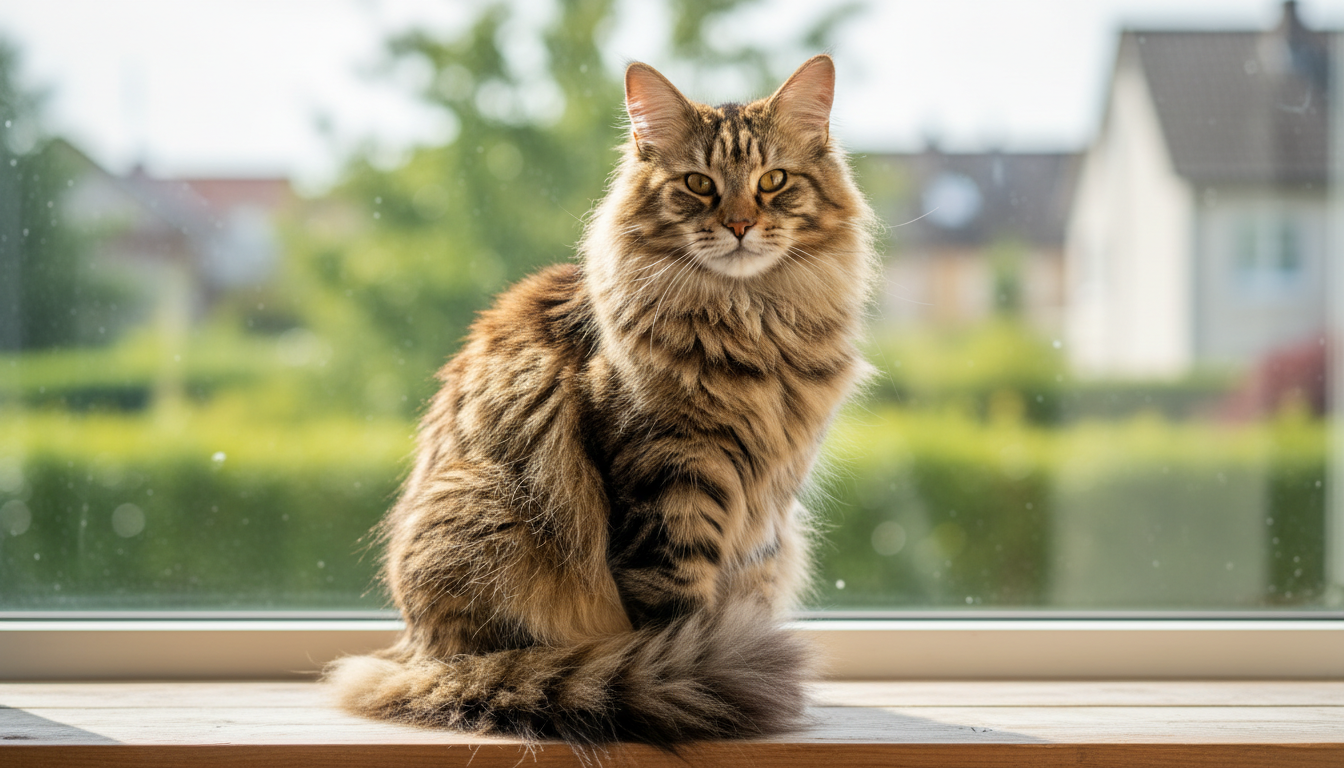
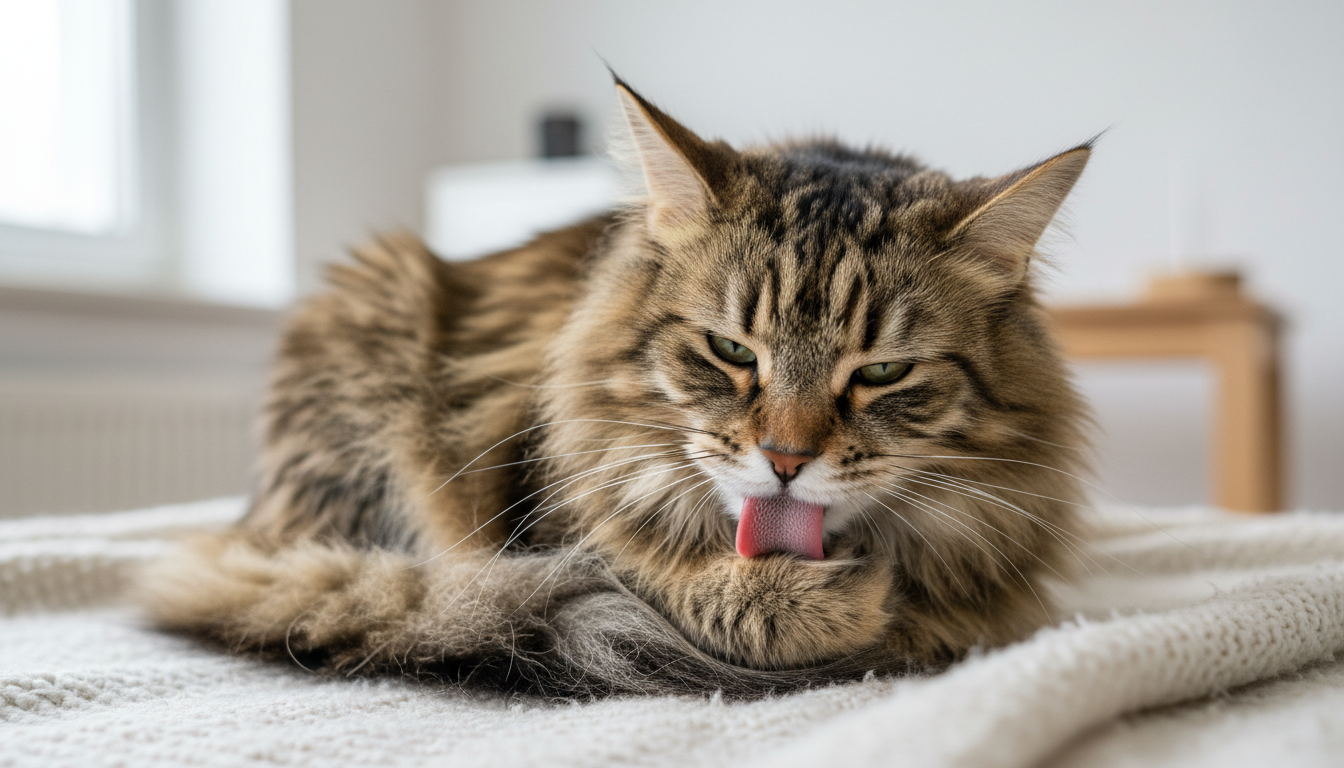
Hairballs in Norwegian Forest Cats happen more often than in many other breeds simply because of their coat structure. This is a breed built for harsh Scandinavian winters, with a long, water-resistant topcoat and a dense woolly undercoat underneath. That double layer means there is simply more fur available to be swallowed every time your cat grooms itself, which it will do for a large part of the day.
Cats are meticulous groomers by nature, and the backward-facing barbs on their tongues are excellent at catching loose hair but not very good at letting it go again. Instead, the hair gets swallowed. Most of it passes through the digestive tract without any trouble, but when too much accumulates in the stomach, it can clump together and come back up as the familiar tube-shaped hairball.
Because Norwegian Forest Cats shed seasonally and sometimes dramatically, you may notice hairball frequency spikes in spring and autumn when the undercoat is blowing out. This is a normal part of owning a longhaired breed, but it does mean you need to stay on top of grooming and watch for signs that things have gone beyond the occasional gag-and-done moment.
What a Normal Hairball Looks Like
A typical hairball is quick, isolated, and doesn’t leave your cat looking distressed afterward. Your cat might retch a few times, bring up a cylindrical wad of fur mixed with a bit of fluid, and then walk away and carry on with their day as if nothing happened. This can occur anywhere from once a month to once a week in a heavily shedding Norwegian Forest Cat, and on its own it isn’t usually a reason to panic.
What you want to pay attention to is the pattern around it. A single hairball followed by normal eating, drinking, and litter box habits is very different from repeated vomiting, a cat who seems uncomfortable, or one who stops eating altogether. The context matters just as much as the hairball itself.
- Occasional, isolated episodes with normal appetite afterward
- A fully formed, tube-shaped mass rather than liquid or food only
- No signs of straining, lethargy, or repeated attempts without producing anything
When Hairballs Signal a Bigger Problem
Sometimes what looks like a hairball is actually a sign that your cat is struggling to move hair through the digestive tract at all. If a mass of fur becomes too large or too compacted, it can form a partial or complete blockage somewhere in the stomach or intestines. This is far less common than a simple hairball, but it is serious and needs prompt veterinary attention.
You should never try to diagnose this at home. A cat who is repeatedly retching without bringing anything up, who seems painful when you touch their belly, or who has gone off food for more than a day needs to see a vet rather than be given more home remedies. Blockages can escalate quickly, and the earlier a vet examines your cat, the more treatment options are usually available.
- Frequent vomiting attempts that produce little or nothing
- Visible abdominal discomfort or a hunched posture
- Loss of appetite lasting more than a day
- Lethargy or hiding more than usual
- Constipation or straining in the litter box
Grooming Routines That Reduce Swallowed Hair
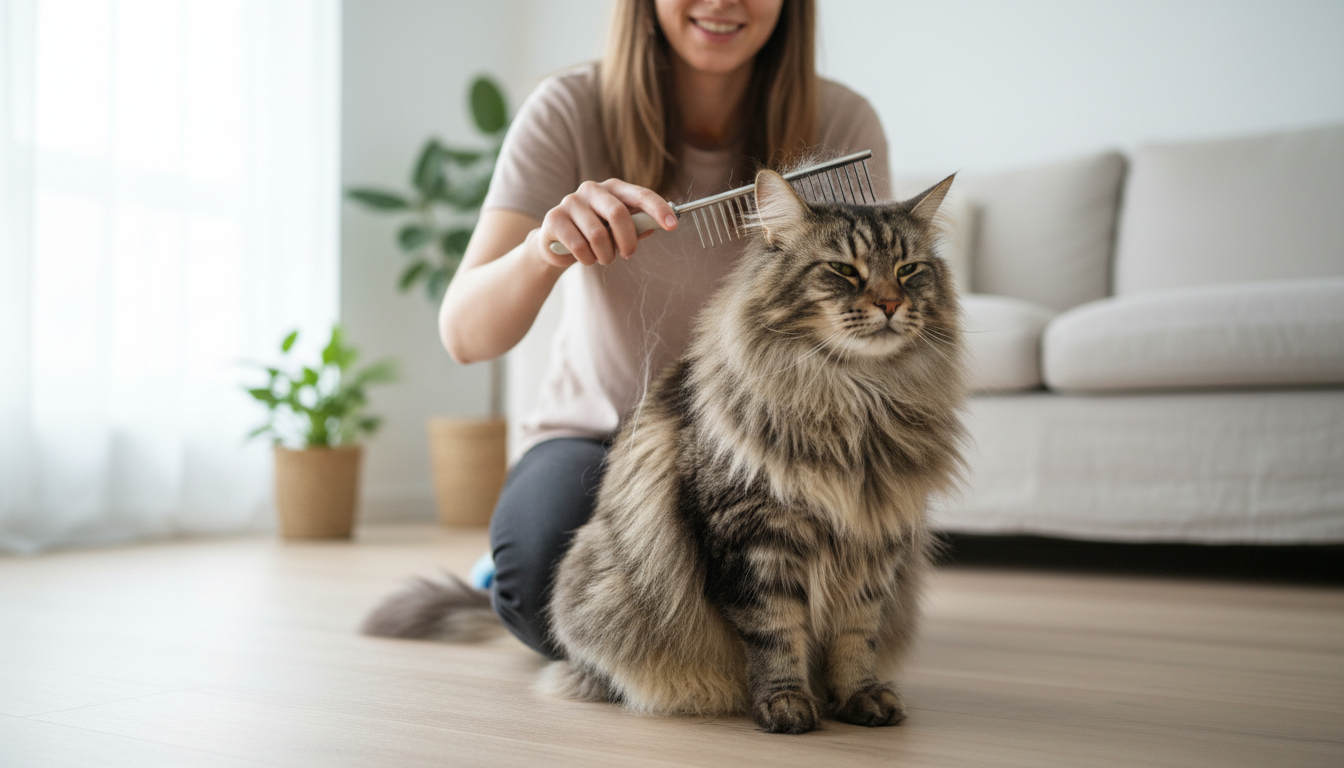
The single most effective thing you can do to reduce hairballs in Norwegian Forest Cats is to get ahead of the loose fur before your cat swallows it. Regular brushing pulls out the undercoat that would otherwise end up in their stomach, and most cats of this breed tolerate it well once it becomes a routine rather than a surprise.
A slicker brush or a long-toothed comb designed for double coats tends to work better than a basic bristle brush, since it can reach down into the dense undercoat without just skimming the surface. During shedding season you may need to brush daily rather than weekly, and it helps to do it in short sessions rather than one long wrestling match, especially if your cat isn’t used to it yet.
- Brush several times a week, daily during heavy shedding periods
- Use a comb or slicker brush suited to double coats
- Keep sessions short and calm to build positive associations
- Check mats around the armpits, belly, and behind the ears where fur tangles first
The Role of Diet and Hydration
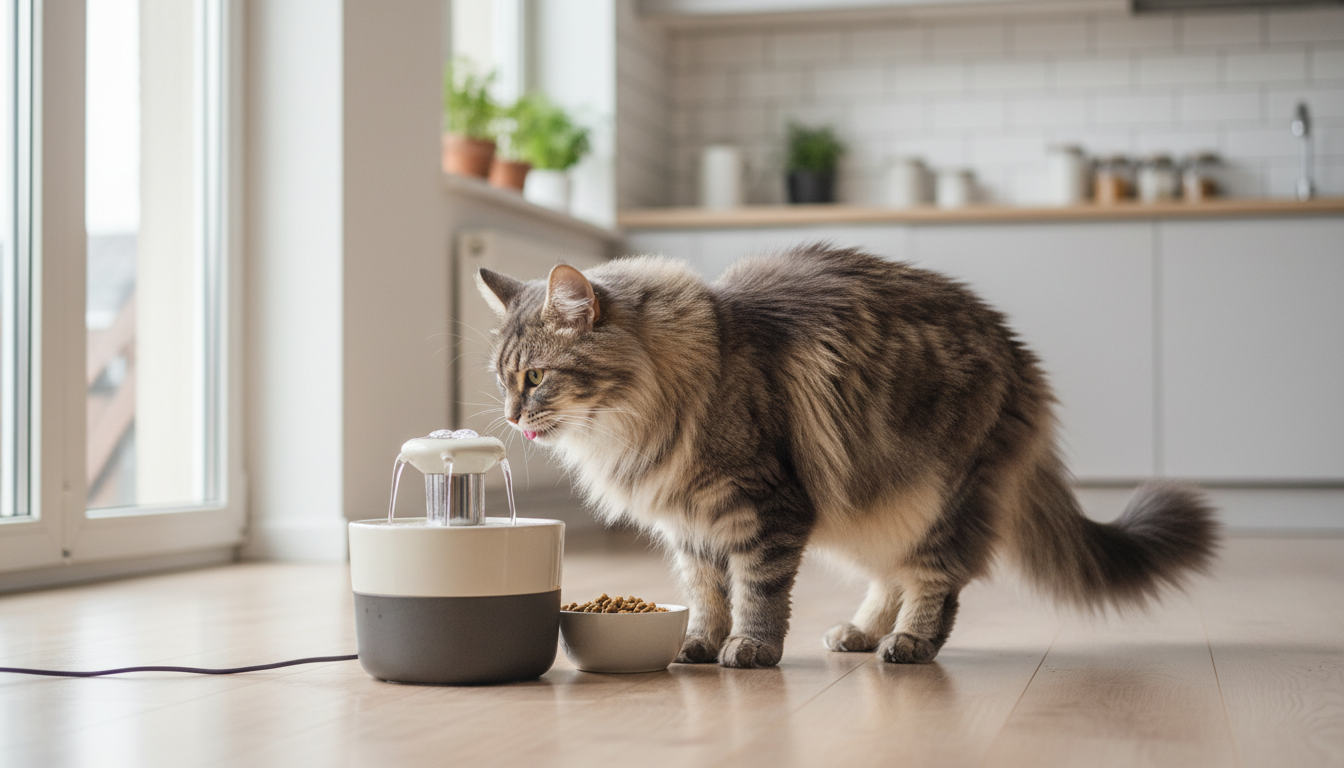
What your cat eats and drinks plays a real part in how easily swallowed hair moves through the gut. Cats who are well hydrated tend to have softer, more regular stool, which helps carry loose hair out naturally instead of letting it sit and clump in the stomach. If your cat is a reluctant water drinker, a cat water fountain or adding a little water to wet food can encourage more intake.
There are commercial diets and treats formulated specifically to support hairball control, often with added fiber meant to help move ingested hair through the digestive tract. These can be a reasonable part of a management plan, but they aren’t a substitute for brushing, and you should run any major diet change past your vet, particularly if your cat has other health conditions.
- Offer fresh water in multiple locations around the home
- Consider a pet fountain if your cat prefers moving water
- Ask your vet whether a hairball-control diet or fiber supplement is appropriate
- Avoid sudden diet changes without veterinary guidance
Hairball Remedies: What’s Reasonable and What Isn’t
Many pet stores sell hairball gels or pastes meant to lubricate the digestive tract and help hair pass through more easily. Used occasionally and as directed on the product, these are generally considered low risk for most healthy cats. That said, they are meant to be an occasional aid, not a daily habit, and they are not a treatment for an actual blockage.
It’s worth being cautious about home remedies you might see suggested online, such as giving oils, laxatives, or unusual human foods to “move things along.” Some of these can cause more harm than good, particularly in a cat who may already have a partial obstruction. If you’re ever unsure whether a remedy is appropriate for your cat’s specific situation, your vet is the right person to ask before you try it.
How Age Affects Hairball Risk
Kittens rarely have serious hairball issues because they haven’t yet developed the thick adult coat that causes problems later. As a Norwegian Forest Cat matures into its full double coat, usually by two to five years of age, hairball frequency tends to increase along with coat density. This is a normal developmental pattern rather than something to worry about on its own.
Senior cats are a different story. Older cats often groom less efficiently, may have reduced gut motility, and are more prone to underlying conditions that can make hairball complications more serious. If your Norwegian Forest Cat is getting into their senior years and you notice a change in hairball frequency or severity, it’s worth mentioning at their regular wellness visit rather than waiting for a crisis.
Other Conditions That Can Look Like Hairball Trouble
Not everything that looks like a hairball problem actually is one. Vomiting in cats has a long list of possible causes, including dietary intolerances, parasites, inflammatory bowel disease, and more serious conditions affecting the kidneys or thyroid. Because Norwegian Forest Cats groom so much, it can be tempting to blame every episode of vomiting on hair, when something else entirely might be going on.
This is part of why pattern-watching matters so much. If vomiting becomes frequent, doesn’t involve visible hair, or comes with other symptoms like weight loss or changes in thirst, it’s time to let your vet rule out causes beyond simple grooming habits. Trying to self-diagnose based on what you’ve read can delay finding the real issue.
- Vomiting without any hair present in the mess
- Weight loss over weeks or months
- Increased thirst or urination
- Changes in coat quality beyond normal shedding
Living With a Heavy Shedder
Owning a Norwegian Forest Cat means accepting that fur management is part of daily life, not an occasional chore. Beyond brushing your cat, keeping your home environment in mind helps too. Vacuuming upholstery and furniture regularly reduces the amount of loose hair your cat might pick up and ingest while grooming on different surfaces, and washing cat bedding frequently does the same.
Some owners also find that a short-term increase in play and activity helps during peak shedding, since more active cats tend to groom in shorter bursts rather than settling into long sessions out of boredom. It’s a small thing, but it can make a noticeable difference during the worst of the shedding season.
When to Call Your Vet
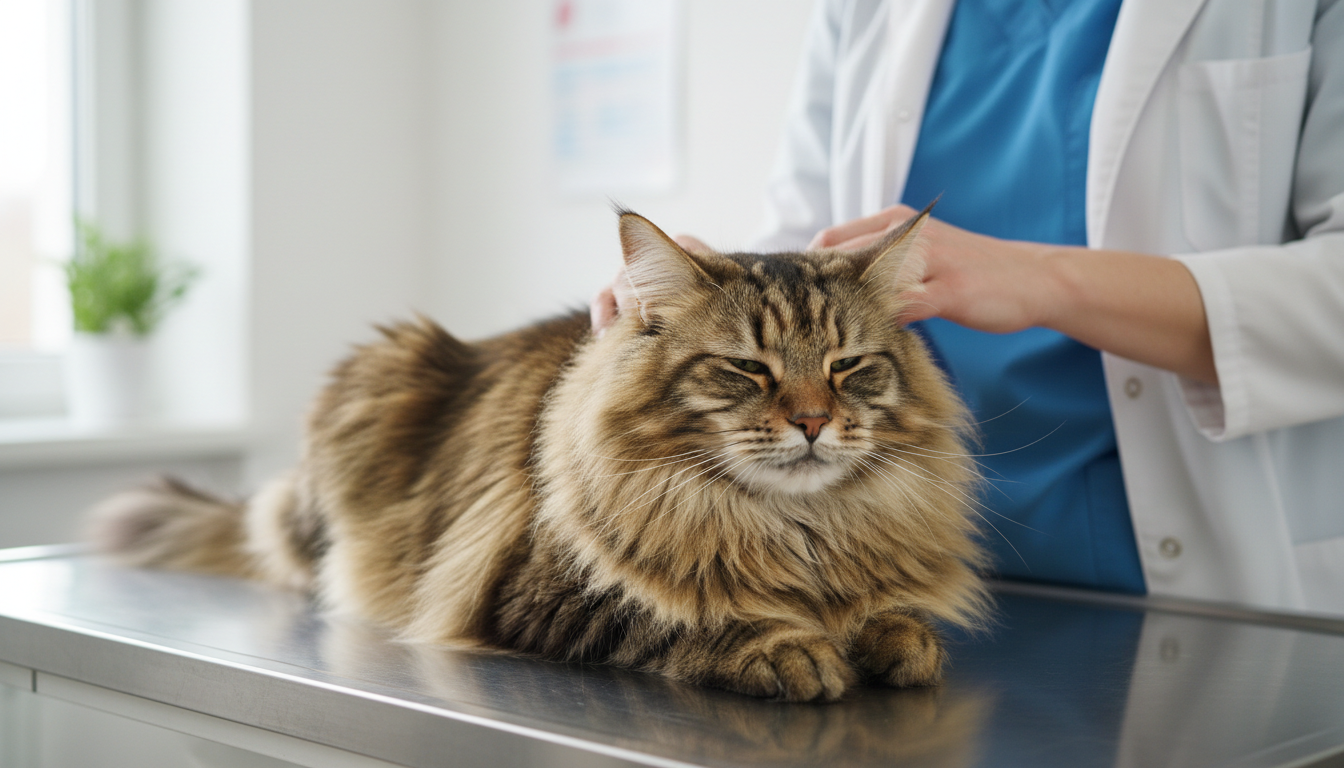
You know your cat’s normal patterns better than anyone, which is exactly why changes matter so much. A single hairball that resolves quickly rarely needs a phone call, but anything that breaks from your cat’s usual rhythm is worth a conversation with your vet, even if it turns out to be nothing serious.
Trust your instincts here. If something feels different about how your cat is acting, eating, or using the litter box, it’s always reasonable to ask a vet rather than wait and see, especially with a breed whose coat makes hairball issues a near certainty at some point in their life.
- Vomiting more than once a week
- Any sign of pain, lethargy, or appetite loss
- Repeated unproductive retching
- Changes in litter box habits alongside vomiting
- Any symptom that worries you, even if it seems minor
Building a Long-Term Grooming and Health Plan
Managing hairballs in Norwegian Forest Cats works best as an ongoing plan rather than a reaction to each episode. Regular brushing, good hydration, and routine veterinary wellness checks together create a foundation that keeps most hairball issues minor and manageable. Your vet can also check your cat’s coat and digestive health at annual visits, catching subtle changes before they become bigger problems.
Think of hairball management less as damage control and more as a normal part of caring for a breed with this kind of coat. With consistent habits, most Norwegian Forest Cats live their whole lives with nothing worse than the occasional, unremarkable hairball, and that’s exactly the goal.
- Schedule regular brushing into your weekly routine
- Keep annual or twice-yearly vet wellness visits
- Monitor shedding patterns by season
- Keep a simple log if episodes become frequent, to share with your vet
This article is for general education and is not a substitute for care from your own veterinarian. Learn about The Pet Vet and our editorial policy.