
Maine Coon shedding and matting can feel like a full-time job once you realize just how much coat this breed carries. Their long, shaggy fur is part of the charm, but it also means more upkeep than most other cats need. Understanding why mats form, how shedding changes with the seasons, and what tools actually help can save you and your cat a lot of frustration at home.
Table of Contents
- Why Maine Coons Shed So Much
- How the Seasons Change Shedding Patterns
- Why Mats Form in the First Place
- The Difference Between Loose Shedding and a True Problem
- Building a Brushing Routine That Actually Works
- Choosing the Right Grooming Tools
- When Professional Grooming Helps
- Diet and Coat Health
- Bathing a Maine Coon
- Skin Problems Hidden Under a Matted Coat
- Grooming Cats Who Resist Brushing
- Senior Maine Coons and Changing Grooming Needs
- When to See Your Vet
- Building a Routine That Fits Your Life
Why Maine Coons Shed So Much
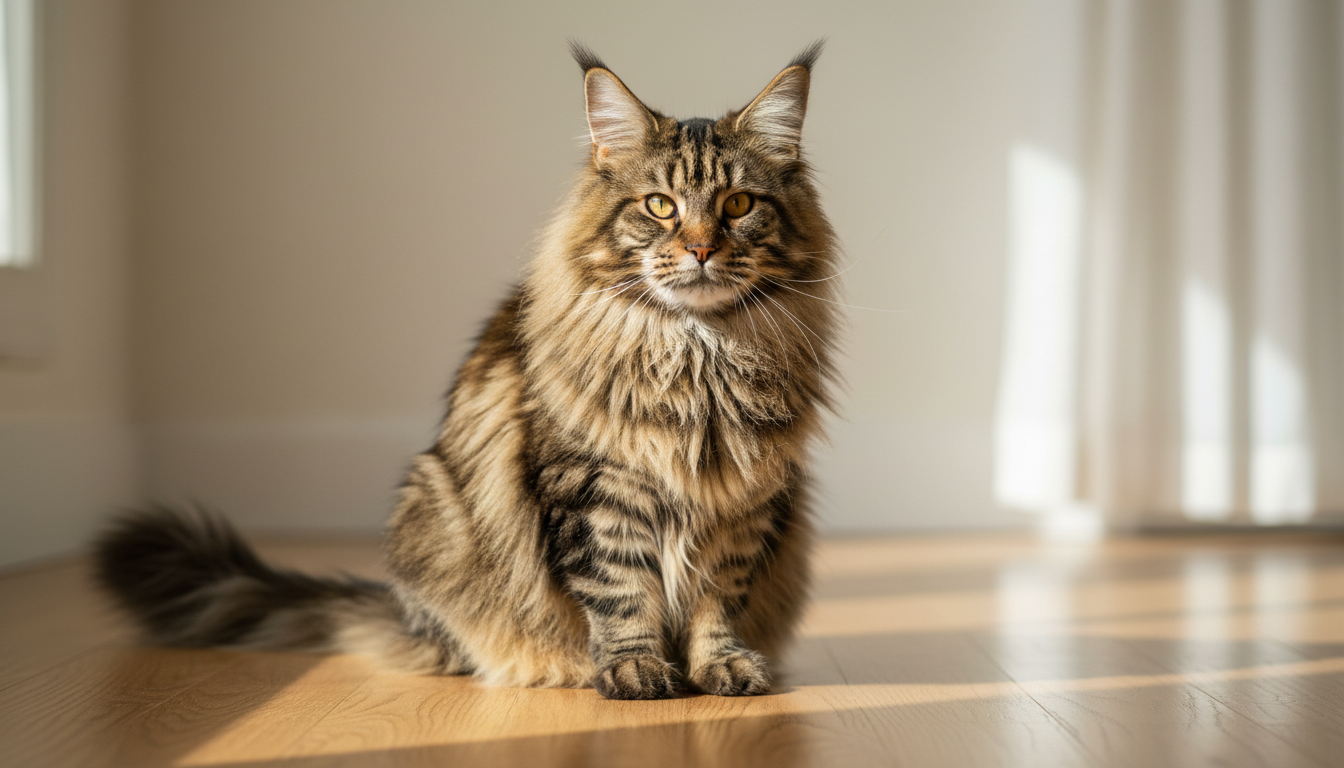
Maine Coons carry a thick double coat made up of a soft undercoat and longer guard hairs that help them stay warm and water resistant. This layered structure was useful for a breed believed to have developed in cold New England winters, but it also means there is simply more hair to manage than you would find on a short-haired cat. The undercoat especially tends to shed in large amounts, and because it is fine and dense, it can trap against the skin instead of falling away cleanly.
Shedding is a normal, healthy process for any cat, but the sheer volume from a Maine Coon can surprise new owners. You might notice fur collecting in corners, drifting across floors, or clinging to furniture no matter how often you clean. This is simply part of owning a long-haired breed, and on its own it is not a sign of a health problem. The concern comes when that shed hair is not removed regularly and starts to tangle into the coat instead of coming off the cat.
Genetics also play a role in how much any individual Maine Coon sheds. Some cats within the breed carry particularly dense coats and shed more heavily, while others have a slightly lighter coat type. Neither is better or worse, but it does mean grooming needs can vary somewhat from cat to cat, and you may need to adjust your routine based on what you observe in your own pet.
How the Seasons Change Shedding Patterns
Most Maine Coons go through noticeable shedding cycles tied to daylight changes rather than temperature alone. As days lengthen heading into spring and summer, many cats shed out a large portion of their winter undercoat, sometimes called blowing their coat. This can look dramatic, with loose fur coming away in clumps when you brush, and it is the period when matting risk tends to climb the highest.
In fall, as daylight shortens again, your cat may grow in a denser coat to prepare for cooler months. This regrowth phase usually involves less dramatic shedding but still benefits from consistent brushing to keep the new undercoat from tangling with the longer topcoat. Indoor cats who live under consistent artificial lighting may have less predictable seasonal patterns than outdoor or indoor-outdoor cats, but most still show some seasonal rhythm.
Knowing roughly when your cat sheds heaviest lets you plan ahead rather than react to a coat that is already matted. Many owners find it helpful to step up brushing frequency for a few weeks during the spring shed rather than trying to keep a single year-round schedule that does not account for these natural cycles.
Why Mats Form in the First Place
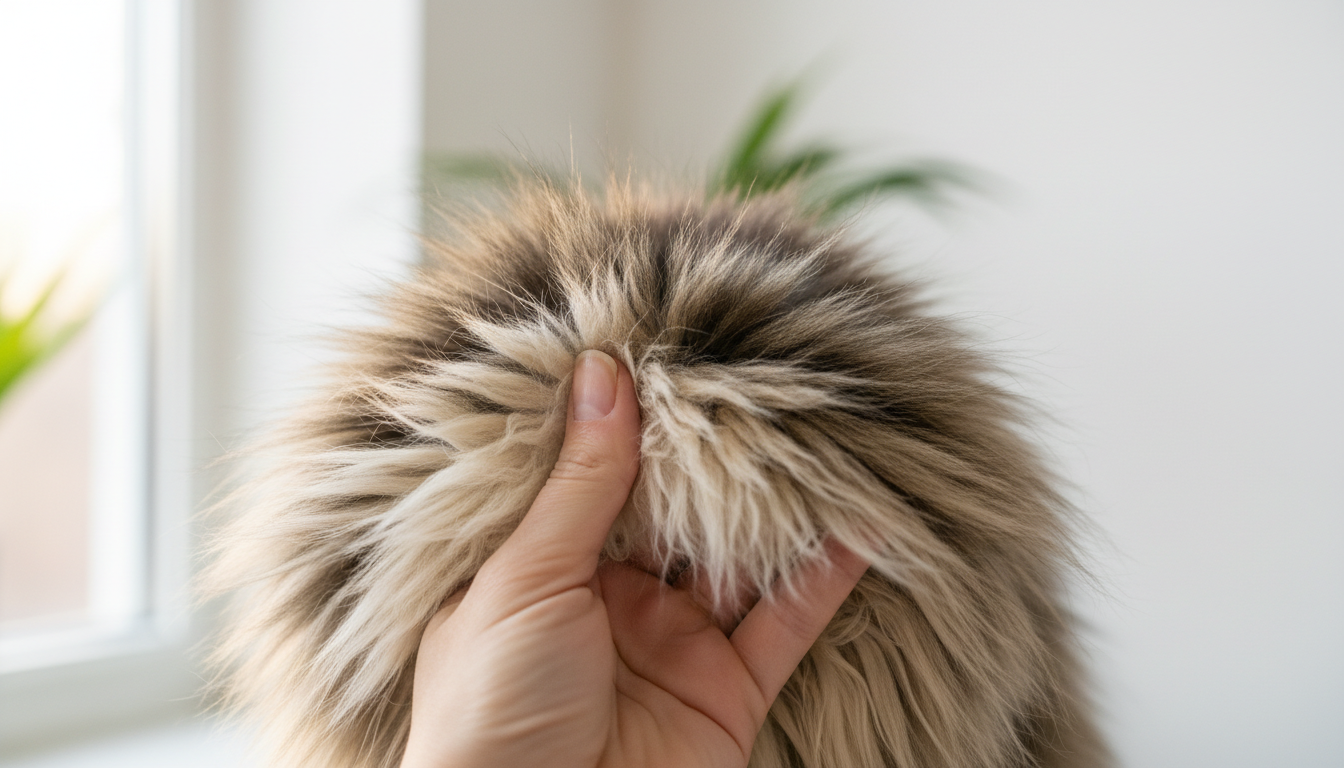
Mats happen when loose, shed hair does not fall away from the coat and instead tangles with the hair still attached to the skin. In a Maine Coon, this is especially likely in areas where fur rubs together or experiences friction, since movement works loose hair into knots faster than it can be brushed out on its own. Left alone, small tangles can tighten over days or weeks into dense mats that pull on the skin.
Certain areas are particularly prone to matting in this breed, including behind the ears, under the arms in the armpit area, around the collar line, along the belly, and near the base of the tail. These spots see more movement and friction than the back or sides, and they are also easier for owners to overlook during a quick brushing session. Cats who are overweight, arthritic, or otherwise less flexible may also struggle to groom these harder-to-reach areas themselves, which raises matting risk further.
- Behind and around the ears
- Under the front legs in the armpit area
- Around the neck where a collar sits
- Along the belly and inner thighs
- At the base of the tail
The Difference Between Loose Shedding and a True Problem
It helps to know what is simply part of normal shedding versus a coat issue that needs closer attention. Loose fur coming away easily when you run a brush through it, or finding tufts of hair around the house, is expected and not a cause for worry. A coat that still looks smooth and lies flat against the body after brushing is a good sign that shedding is being managed well.
Signs that matting has moved beyond a cosmetic issue include tight knots that do not separate with gentle finger work, mats that pull visibly on the skin when your cat moves, or patches where the skin underneath looks red, irritated, or has a different smell than the rest of the coat. Severe matting can restrict movement, trap moisture against the skin, and in some cases hide skin infections developing underneath the tangled fur.
If you find mats that are large, tight against the skin, or that your cat reacts to with discomfort when you touch them, it is worth having your vet or a professional groomer take a look rather than attempting to cut them out yourself. Scissors used too close to matted skin can easily cause cuts, since you cannot always see where the skin surface actually is underneath a dense tangle.
Building a Brushing Routine That Actually Works
Consistency matters more than any single tool when it comes to managing a Maine Coon’s coat. Short, frequent sessions tend to work better than occasional long ones, since they prevent loose hair from building up to the point of tangling in the first place. Many owners find that a few minutes of brushing most days, with a longer session once a week, keeps the coat manageable without becoming a dreaded chore for either of you.
Starting grooming sessions when your cat is relaxed, such as after a meal or during a quiet part of the day, tends to go more smoothly than trying to brush an energetic or irritable cat. Working in sections rather than trying to cover the whole body at once can also help, especially with a breed this size. Pay particular attention to the mat-prone areas mentioned earlier, checking them each session even if you do not brush the entire coat every single day.
- Brush a few minutes most days rather than one long weekly session
- Choose a calm, quiet time when your cat is relaxed
- Work through the coat in sections rather than all at once
- Check mat-prone areas every time, even on light brushing days
- Reward your cat with treats or praise to build a positive association

Choosing the Right Grooming Tools
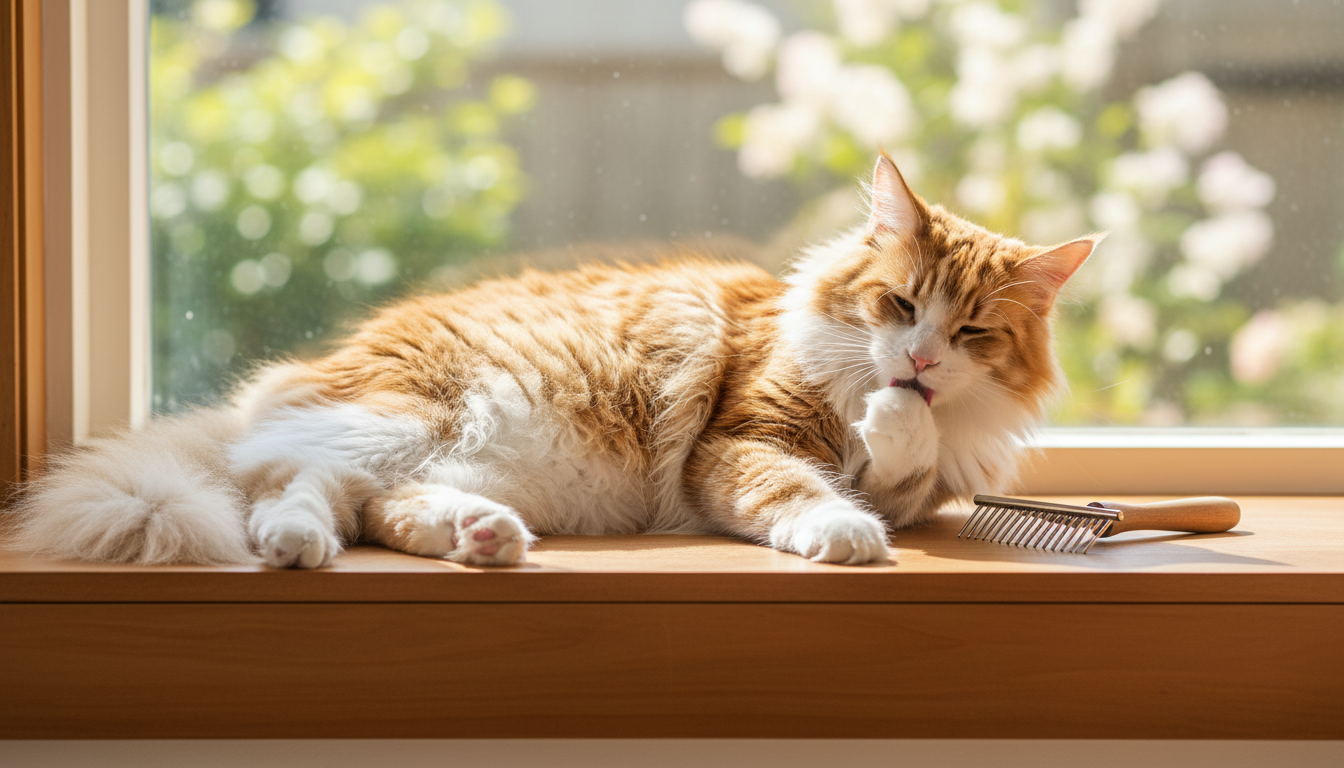
A slicker brush is useful for working through the topcoat and catching loose hair before it tangles, while a wide-toothed comb helps you check for small mats starting to form, particularly in the dense areas behind the legs and around the neck. Undercoat rakes can help remove the loose, dense undercoat during heavy shedding periods, though they should be used gently since aggressive pulling can irritate the skin.
Many owners find it useful to keep a couple of different tools on hand rather than relying on just one, since different parts of a Maine Coon’s coat behave differently. The topcoat tends to be longer and silkier, while the undercoat is shorter, denser, and more prone to matting. Using the wrong tool for the job, such as trying to remove undercoat with a tool meant only for the topcoat, can leave tangles behind even after a thorough brushing session.
Your vet or a professional groomer can offer recommendations suited to your specific cat’s coat type and any skin sensitivities, since not every tool works well for every cat. If you notice your cat becoming irritated or reactive to a particular brush, it is worth trying a gentler alternative rather than pushing through, since a bad grooming experience can make future sessions harder.
When Professional Grooming Helps
Even with a solid home routine, many Maine Coon owners choose to use a professional groomer periodically, particularly during the heaviest shedding season or if mats have already developed. Professional groomers have experience working with large, dense coats and tools suited to removing mats safely without risking cuts to the skin. This can be especially helpful for cats who are less tolerant of lengthy grooming sessions at home or for owners who are still building confidence with their own brushing technique.
A sanitary trim around the hindquarters is another service some owners opt for, since the long fur in this area can trap debris and become soiled more easily than other parts of the coat. This is a matter of comfort and hygiene rather than a medical necessity for every cat, but it can reduce matting in an area that is otherwise difficult to keep clean.
If your cat has developed widespread matting that home brushing cannot resolve, a groomer or your vet may recommend a shave down under sedation in severe cases. This is generally considered a last resort rather than a routine step, since it removes the coat’s natural insulation and can leave skin more exposed, but it is sometimes the safest option when mats have become too tight and extensive to remove any other way.
Diet and Coat Health
What your Maine Coon eats plays a role in how healthy the coat looks and how it sheds. A diet that provides adequate protein and appropriate fatty acids supports skin and coat condition, while poor nutrition can show up as a dull, brittle coat that tangles more easily. If you have concerns about whether your cat’s current diet is supporting healthy skin and coat, it is worth discussing specific options with your vet rather than switching foods based on guesswork.
Hydration also matters, since cats who drink enough water tend to have healthier skin, which in turn supports a healthier coat. Some owners find that adding a water fountain or offering wet food alongside dry encourages more fluid intake, though your vet can advise on what makes sense for your individual cat’s needs and any other health considerations.
Supplements marketed for skin and coat health are available, but you should talk to your vet before adding any supplement to your cat’s diet, particularly if your cat has other health conditions or takes medication. Not every product is appropriate for every cat, and your vet can help you understand whether a supplement is likely to make a meaningful difference for your specific situation.
Bathing a Maine Coon
Many cats avoid water, but some Maine Coons tolerate bathing reasonably well, and an occasional bath can help loosen shed undercoat and remove debris that contributes to matting. If you do bathe your cat, using a cat-specific shampoo is important, since products made for humans or dogs can be too harsh for feline skin and may cause irritation.
Thoroughly drying the coat afterward matters just as much as the bath itself, since a damp undercoat left to dry on its own is prone to becoming matted as it dries unevenly. A low, cool setting on a pet-safe dryer, combined with brushing as the coat dries, can help keep things smooth. Never force a bath on a cat who becomes highly stressed by the experience, since the stress itself can be harmful and there are usually other ways to manage coat health.
Not every Maine Coon needs regular baths, and for many cats, a solid brushing routine is enough on its own. Whether bathing makes sense for your cat depends on their individual coat, temperament, and whether they tend toward matting despite regular brushing.
Skin Problems Hidden Under a Matted Coat
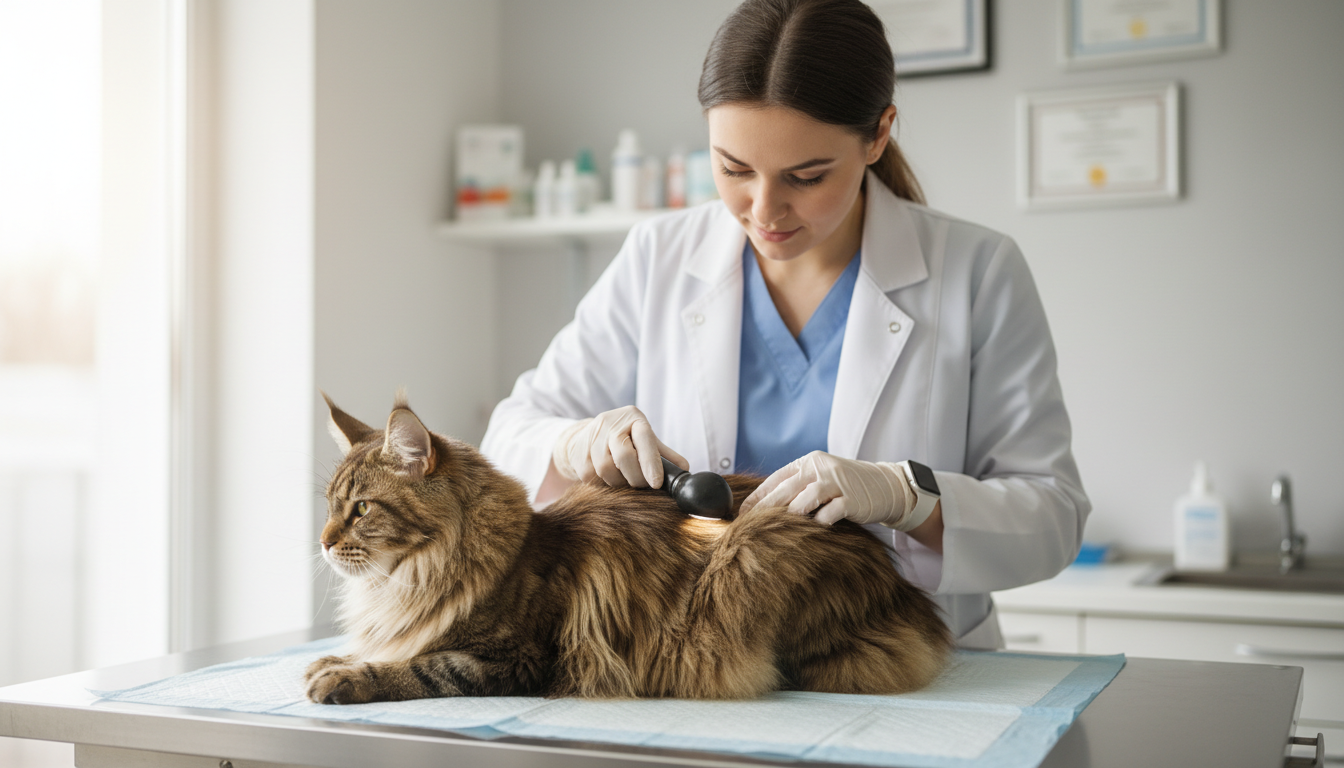
One of the less obvious risks of heavy matting is that it can hide what is happening on the skin underneath. Mats trap moisture and debris against the skin, creating conditions where irritation or infection can develop without being visible from the outside. A cat who seems to be scratching or licking at a particular spot more than usual may be dealing with a problem concealed beneath a tangle of fur.
If you notice a strong odor coming from a matted area, visible redness when you part the fur, or your cat reacting painfully when you touch a mat, these are signs that the skin underneath needs to be checked. This is not something to diagnose or treat at home, since what looks like simple irritation can sometimes be a more significant skin infection requiring veterinary treatment.
See your vet promptly if you notice these signs, rather than waiting to see if it resolves on its own. Catching skin issues early, before they spread or worsen, generally means a simpler and less uncomfortable treatment course for your cat.
Grooming Cats Who Resist Brushing
Not every Maine Coon enjoys being brushed, and some cats actively resist grooming sessions, which can make staying on top of shedding and matting more difficult. If your cat tends to squirm, scratch, or try to escape during brushing, short sessions focused on just one small area at a time tend to work better than attempting to cover the whole coat in one sitting.
Building positive associations gradually, such as offering a favorite treat immediately after a brief brushing session, can help some cats become more tolerant over time. Choosing a grooming tool your cat seems to find comfortable rather than one that causes an obvious negative reaction also makes a difference, since discomfort during brushing is often what drives the resistance in the first place.
For cats who remain consistently difficult to groom despite these efforts, talk to your vet about other options, including whether professional grooming or, in some cases, a shorter maintenance trim might reduce the overall grooming burden. There is no single right answer for every cat, and your vet can help you weigh the options based on your specific cat’s temperament and coat needs.
Senior Maine Coons and Changing Grooming Needs
As Maine Coons age, many become less able to groom themselves effectively, particularly if arthritis or reduced mobility makes it harder to reach certain areas of the body. This means older cats often need more help from their owners than they did when younger, even if their coat type has not fundamentally changed. Mats that develop along the back, hips, or tail base in a senior cat can sometimes be an early sign of joint discomfort rather than purely a grooming issue.
If you notice your older cat’s coat becoming unkempt or matted in ways it never did before, it is worth mentioning to your vet, since this change can sometimes point to an underlying health issue affecting mobility or overall wellbeing rather than simple neglect of grooming. Senior cats also tend to have thinner, more fragile skin, which means extra care and gentleness during brushing becomes even more important to avoid causing discomfort or minor skin injury.
Regular veterinary checkups for senior cats can help catch mobility changes early, allowing you to adjust your grooming routine or seek additional support before matting becomes a significant problem. This is one more reason routine wellness visits matter even for cats who otherwise seem to be doing fine.
When to See Your Vet
While most shedding and occasional small tangles are manageable at home, certain situations call for veterinary attention rather than continued home care. Severe, widespread matting, skin that looks red, raw, or infected under a mat, sudden changes in coat condition, or a cat who seems distressed or painful around matted areas are all reasons to involve your vet.
Sudden excessive shedding beyond what seems typical for your cat, especially if accompanied by other symptoms like weight loss, changes in appetite, or behavior changes, can sometimes point to an underlying health condition rather than a normal seasonal shed. Your vet can help determine whether what you are seeing is a coat care issue or a sign of something else going on that needs further evaluation.
- Widespread or tight matting you cannot safely remove at home
- Red, raw, or foul-smelling skin discovered under a mat
- Visible pain or distress when a matted area is touched
- Sudden, unexplained increases in shedding
- Shedding changes paired with appetite loss, weight loss, or lethargy
Building a Routine That Fits Your Life
Managing a Maine Coon’s coat does not have to dominate your schedule once you find a rhythm that works for both you and your cat. Consistency, even in small daily amounts, tends to prevent far more trouble than occasional intensive sessions aimed at fixing problems that have already developed. Pairing grooming with something your cat already enjoys, like a calm moment on the couch, can help make it feel like a normal part of your routine rather than a battle.
Every Maine Coon is a little different, and what works well for one cat’s coat may need adjusting for another. Paying attention to your own cat’s shedding patterns, mat-prone areas, and tolerance for grooming will help you build a routine suited specifically to them. Your vet remains a valuable resource if you ever feel unsure whether what you are seeing in the coat or skin is normal or needs further attention.
This article is for general education and is not a substitute for care from your own veterinarian. Learn about The Pet Vet and our editorial policy.