
Whippet corns are one of the most frustrating foot problems this breed faces, causing sudden limping that can come and go for months. If your Whippet has started favoring a paw or licking at a toe, a corn might be the hidden cause. Here’s what every Whippet owner should understand about these stubborn growths, why sighthounds get them so often, and what your vet can do to help.
Table of Contents
- What Exactly Is a Corn
- Why Whippets Are Especially Prone
- Where Corns Typically Form
- Recognizing the Early Signs
- Getting a Proper Diagnosis
- How Vets Treat Corns
- Why Corns Tend to Come Back
- Everyday Changes That May Ease Pressure
- When to Treat It as an Emergency
- Living With a Dog Who Has Chronic Corns
- A Final Word for Whippet Owners
What Exactly Is a Corn
A corn in a dog’s paw is a small, hard, cone-shaped area of thickened skin that forms on the surface of a foot pad, usually pressing inward and downward into the deeper tissue. Unlike a simple callus, which spreads out flat and causes little trouble, a corn burrows into the pad like a tiny plug of compressed keratin. That inward growth is what makes corns so painful even though they can look deceptively small from the outside.
Vets sometimes describe corns as feeling like a dog has a splinter or a piece of gravel stuck permanently in its paw, except nothing can be pulled out because the hard tissue is the dog’s own skin. The pressure from standing or walking pushes the tip of the corn further into sensitive nerve endings, which is why dogs with corns often limp dramatically on hard ground but seem almost normal on soft grass. This single detail, sudden lameness on pavement that eases up on grass, is one of the classic clues vets look for.
Why Whippets Are Especially Prone
Corns are seen far more often in sighthounds than in other breeds, and Whippets sit near the top of that list along with Greyhounds and Italian Greyhounds. The leading theory involves the unique structure of sighthound paws combined with their very low body fat and thin pads, which offer less cushioning between the bone and the ground than you’d find in a stockier breed. Add in a naturally long stride and a tendency to run at speed on hard surfaces, and the paw pads of a Whippet absorb a lot of repeated, concentrated impact over a dog’s lifetime.
Some specialists also point to viral involvement, since papillomavirus has been found in certain corn tissue samples, suggesting that in some dogs a small viral change in the skin may kickstart the thickening process. Genetics likely play a role too, since corns tend to run in sighthound bloodlines more than would be expected by chance alone. None of this means every Whippet will develop a corn, but it does mean owners of this breed should keep a closer eye on paw health than owners of many other breeds.
Where Corns Typically Form
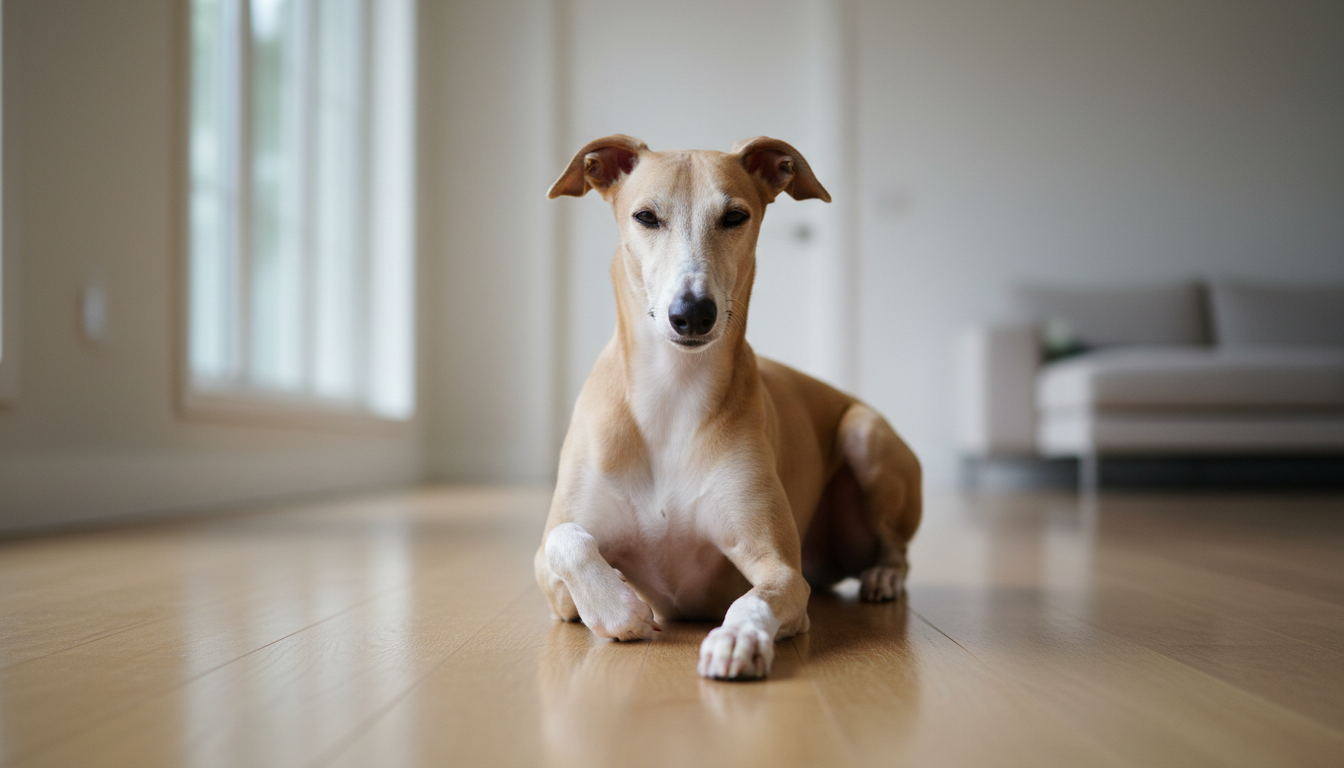
Corns most often show up on the weight-bearing pads of the front feet, particularly the central pad, though they can appear on any toe or pad over time. A dog may develop just one corn or several across different paws, and it’s not unusual for a Whippet who has had one corn to develop another later in the same spot or a different foot entirely.
- The large central pad of a front foot
- Individual toe pads, especially on the outer toes
- Areas that have previously healed from a cut or injury
- Spots subjected to repeated pressure from running or jumping
Recognizing the Early Signs
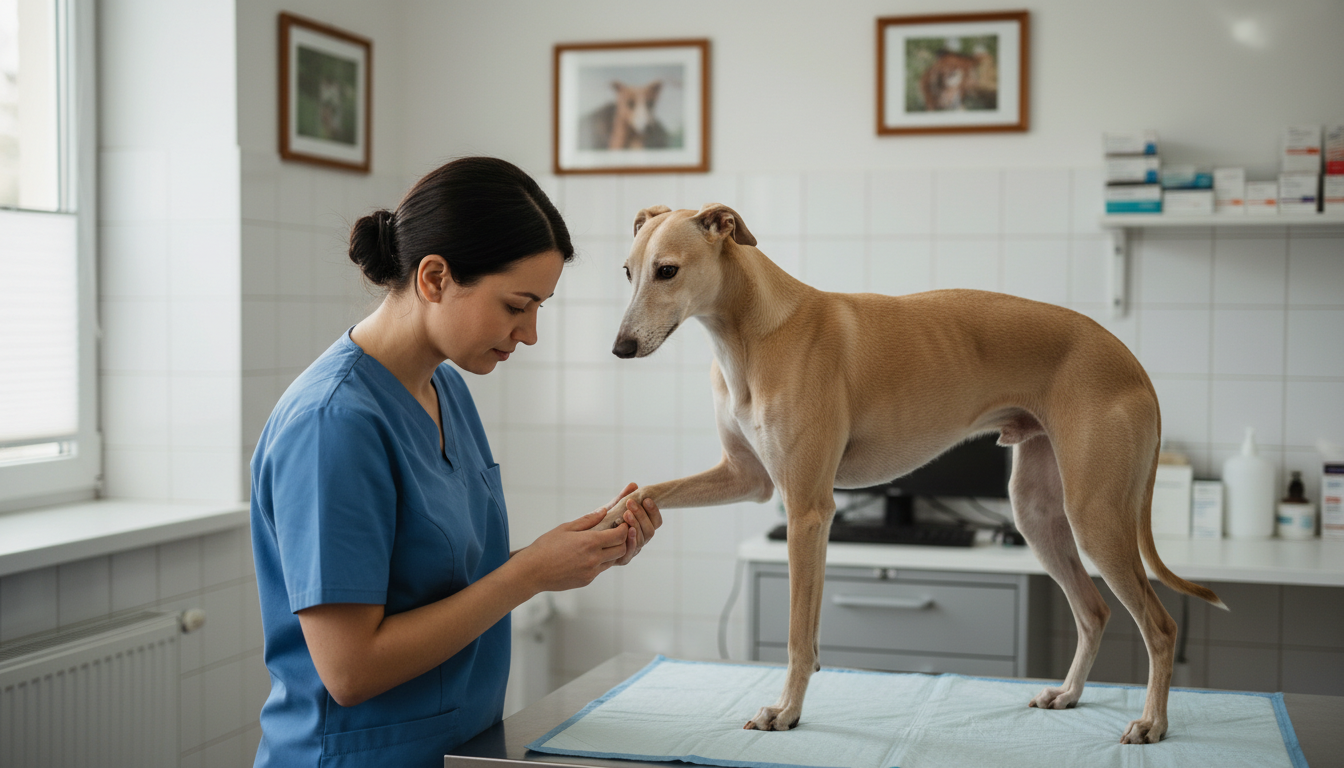
Catching a corn early makes treatment much easier, so it helps to know what subtle signs to watch for before a full limp develops. Many owners first notice their Whippet licking or nibbling at one particular foot more than the others, or pulling the paw away when it’s touched in a certain spot. Lameness is often intermittent at first, appearing after a walk on concrete or asphalt and disappearing by the next morning, which can make the problem easy to dismiss as a simple strain.
- Limping that is worse on hard surfaces and better on soft ground
- Licking, chewing or holding up one paw repeatedly
- A small, shiny, slightly raised circle of thickened skin on a pad
- Reluctance to put full weight on the foot during normal walks
- Lameness that comes and goes over weeks or months without a clear injury
Getting a Proper Diagnosis
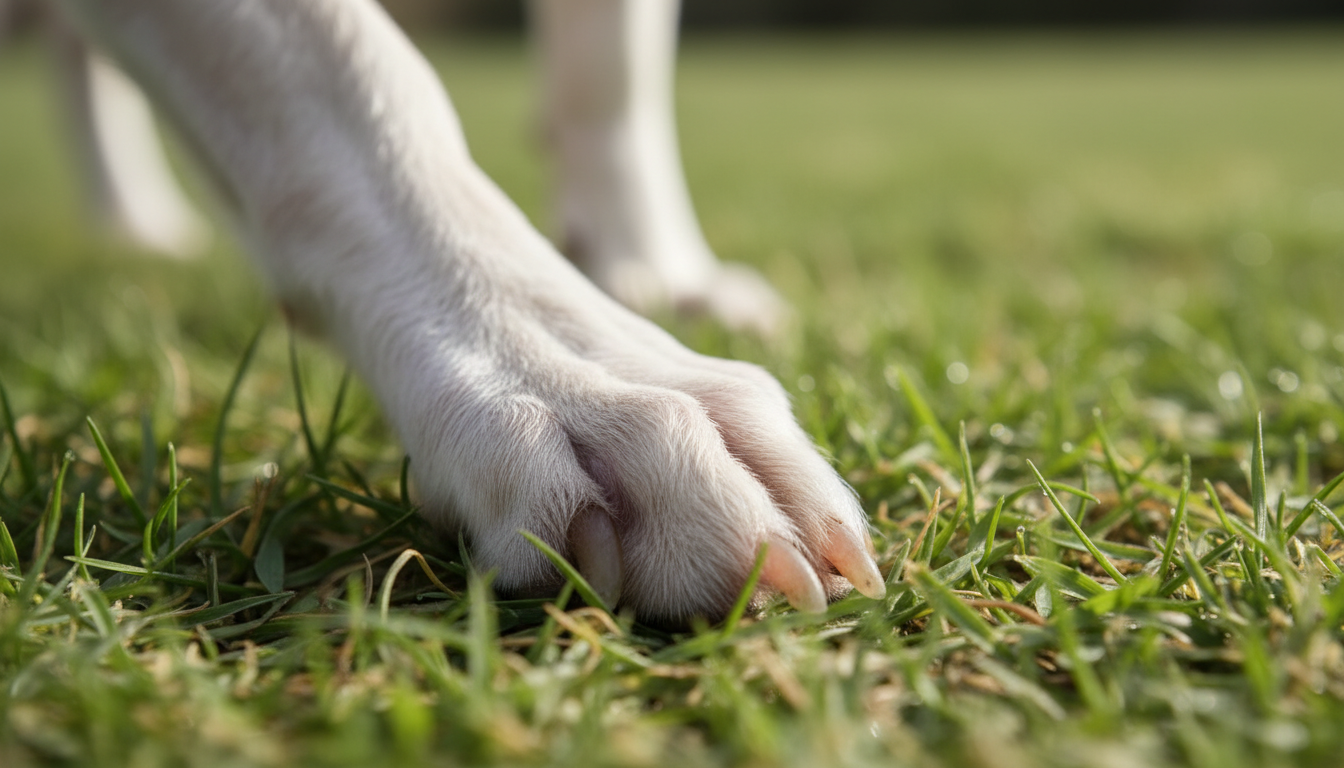
Because corns can look similar to warts, cysts, embedded foreign material or even early tumors, it’s important to have any suspicious growth examined by a vet rather than guessing at home. A vet will typically look closely at the pad, feel for the characteristic hard, cone-shaped plug beneath the surface, and may gently pare back some of the thickened tissue to confirm the diagnosis. In some cases an x-ray is recommended to rule out underlying bone changes, especially if the lameness has been going on for a long time or doesn’t match what’s seen on the surface of the paw.
Never try to diagnose a lump on your dog’s paw yourself, since treating a corn incorrectly or ignoring a different kind of growth can delay proper care and allow a more serious problem to worsen. A vet visit is the only reliable way to know what you’re actually dealing with.
How Vets Treat Corns
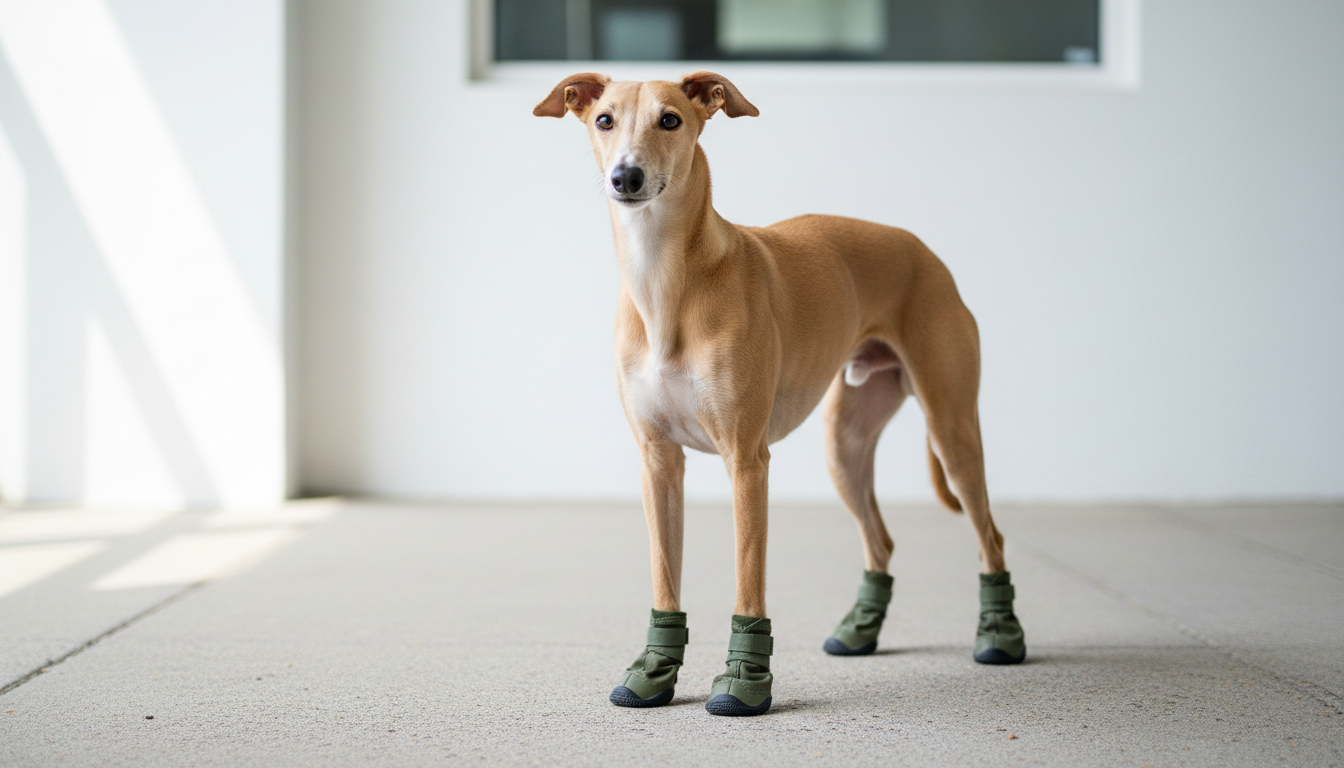
Treatment approaches vary depending on how deep and painful the corn is, and your vet will walk you through the options that make sense for your dog’s specific situation. Conservative management often starts with regular trimming or paring of the hardened tissue to relieve pressure, sometimes combined with protective boots or padded wraps to cushion the area during walks. Softening products may be used under veterinary guidance to help manage the texture of the surrounding skin between trims.
For corns that keep coming back or cause significant pain despite conservative care, some vets discuss surgical removal, though this carries its own risks since the paw is a complex area and healing can be slow in a high-activity breed like the Whippet. There is no single fix that works for every dog, and what helps one Whippet may not help another, which is why ongoing communication with your vet matters so much with this condition.
- Regular professional trimming of the hardened core
- Protective dog boots for walks on hard surfaces
- Padded bandaging during flare-ups
- Topical softening treatments as directed by a vet
- Surgical removal considered for severe or recurrent cases

Why Corns Tend to Come Back
One of the most frustrating aspects of corns for Whippet owners is their tendency to return even after successful treatment, sometimes in the exact same spot and sometimes on a different paw entirely. This recurrence is part of why many vets frame corn management as an ongoing process rather than a one-time cure, similar to managing a chronic skin condition. Staying in regular contact with your vet lets you catch new corns early and adjust the management plan as needed rather than starting from scratch every time.
Understanding this pattern ahead of time can help you avoid feeling discouraged if a corn reappears after months of improvement. It doesn’t mean the earlier treatment failed, it simply reflects how persistent this particular paw problem can be in sighthound breeds.
Everyday Changes That May Ease Pressure
Alongside veterinary treatment, there are everyday adjustments that can help take some pressure off a sensitive paw and may reduce how often corns flare up. Choosing softer walking surfaces when possible, such as grass or dirt paths instead of concrete, can make a noticeable difference for a Whippet already dealing with a sore pad. Well-fitted dog boots designed for sighthounds can also provide a cushioning layer during exercise without restricting the breed’s natural stride.
- Favor grass, dirt or sand over pavement when choosing walking routes
- Use properly fitted boots during exercise on hard ground
- Keep nails trimmed to help distribute weight evenly across the pad
- Check paws after every walk for new sensitivity or swelling
- Avoid high-impact activities like hard sprinting until a flare-up settles
When to Treat It as an Emergency
Most corns develop slowly and aren’t an emergency in themselves, but there are situations that warrant urgent veterinary attention rather than a routine appointment. If a corn area becomes suddenly swollen, hot, oozing or foul-smelling, or if your Whippet is suddenly unable to bear any weight on the leg at all, these signs suggest infection or a more serious problem that shouldn’t wait.
- Sudden inability to put any weight on the affected leg
- Swelling, heat, discharge or a bad smell from the paw
- A corn that starts bleeding heavily or won’t stop bleeding
- Signs of significant pain such as whimpering when the paw is touched
- Fever or lethargy alongside a paw problem
Living With a Dog Who Has Chronic Corns
Many Whippets live full, active lives despite having recurring corns, and with a good management routine most dogs can still enjoy regular walks and play. The key is staying observant, keeping up with scheduled trims or check-ins recommended by your vet, and being willing to adjust activity levels during flare-ups rather than pushing through discomfort. Over time, most owners get to know their individual dog’s pattern, which paw tends to be affected, what surfaces trigger limping, and how quickly a trim brings relief.
Building a simple paw-care routine into your regular grooming habits, even before any signs of a corn appear, can help you notice changes early. A quick weekly check of all four paws takes only a minute and can make a real difference in catching a new corn before it becomes seriously painful.
A Final Word for Whippet Owners
Corns are a well-known nuisance in sighthound breeds, and while they can be managed, they’re rarely something you treat once and forget about. If you notice your Whippet limping on hard surfaces, licking at a paw more than usual, or developing a small hard lump on a pad, don’t wait to have it checked. A vet can confirm whether you’re dealing with a corn or something else entirely, and early attention almost always makes the condition easier to live with long term.
This article is for general education and is not a substitute for care from your own veterinarian. Learn about The Pet Vet and our editorial policy.