
If you share your home with a Ragdoll cat, urinary blockage risk is something you should understand before it becomes an emergency. This gentle, laid-back breed can develop bladder stones and urinary crystals more easily than many other cats, and a blocked bladder can turn life-threatening within hours. Knowing the early signs, the risk factors, and when to rush to the vet can make all the difference for your cat.
Table of Contents
- Why Ragdolls Are Prone to Urinary Trouble
- What Causes Bladder Stones and Crystals in Cats
- Recognizing the Early Warning Signs
- When a Blockage Becomes a Medical Emergency
- How Veterinarians Diagnose Urinary Issues
- Treatment Options for Stones and Blockages
- The Role of Diet in Prevention
- Encouraging More Water Intake
- Litter Box Habits That Support Urinary Health
- Stress and Its Link to Urinary Flare-Ups
- Long-Term Monitoring After a Diagnosis
- Special Considerations for Male Ragdolls
- Supporting Your Cat’s Recovery at Home
- When to Call Your Vet Right Away
Why Ragdolls Are Prone to Urinary Trouble
Ragdoll cats carry a genetic predisposition toward certain urinary conditions, including the formation of struvite and calcium oxalate crystals that can clump together into stones. Their naturally relaxed, low-activity temperament also plays a role, since cats that move around less tend to drink less water and hold urine longer, both of which encourage mineral buildup in the bladder. Add to that the breed’s tendency toward a calm, sometimes almost indifferent attitude toward litter box habits, and early warning signs can slip by unnoticed for longer than they should.
Male Ragdolls face a particular anatomical challenge because their urethra is longer and narrower than a female’s, making it far easier for crystals or small stones to lodge and cause a complete blockage. This is not unique to Ragdolls, but combined with the breed’s other risk factors, it adds up to a cat that benefits from closer urinary monitoring than many owners realize. Understanding this risk early lets you catch subtle changes before they become emergencies.
- Genetic predisposition toward crystal and stone formation
- Lower activity levels reducing water intake and litter box frequency
- Narrow male urethra increasing blockage risk
- Calm temperament that can mask early discomfort
What Causes Bladder Stones and Crystals in Cats
Bladder stones form when minerals in the urine become concentrated enough to crystallize and clump together. Diet plays a significant role, since food that is too high in certain minerals or that creates an unfavorable urine pH can tip the balance toward crystal formation. Chronic dehydration is another major contributor, because concentrated urine gives minerals more opportunity to bind together rather than being flushed out regularly.
Underlying infections, inflammation of the bladder lining, and even stress can all influence how a cat’s urinary system functions. Some cats seem to be individually prone to recurring stones regardless of diet changes, which is why your vet may want to run repeat testing over time rather than assuming one fix will solve the problem permanently.
Recognizing the Early Warning Signs
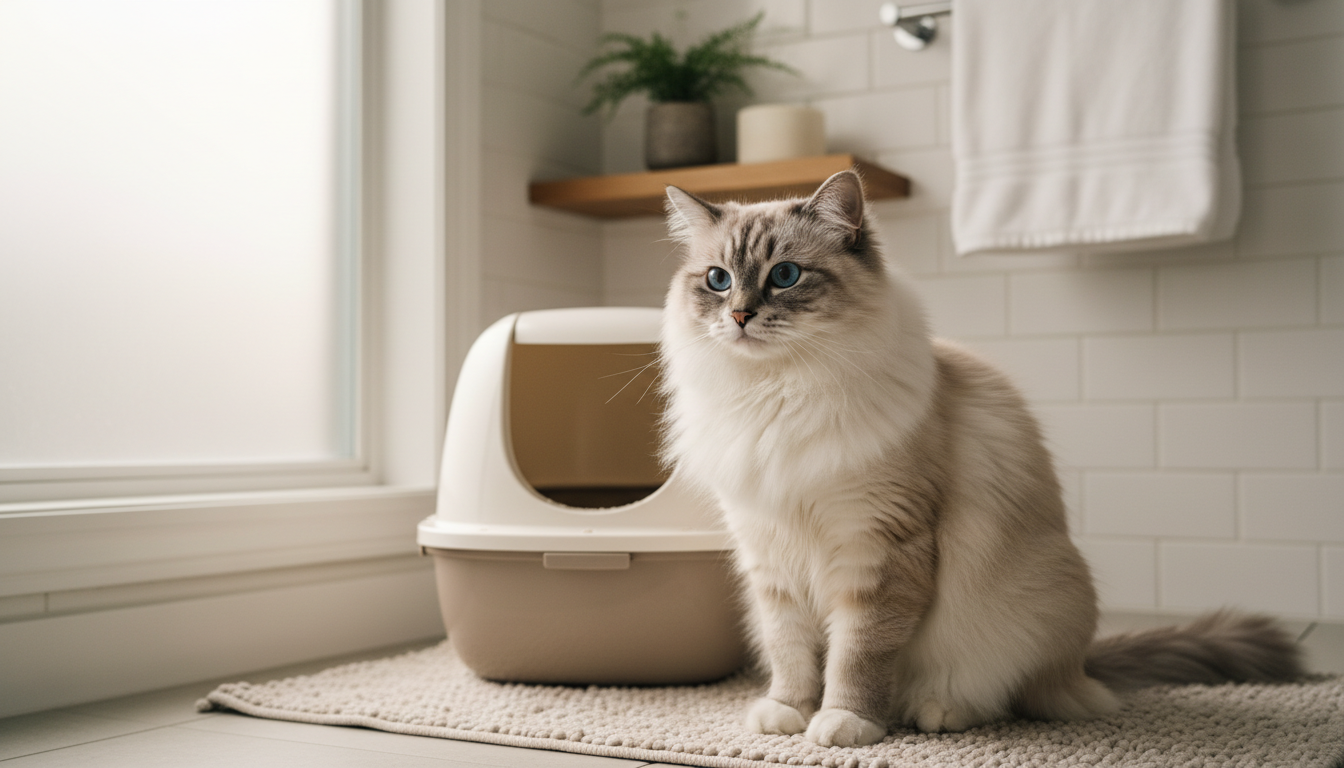
Catching a urinary problem early in a Ragdoll often comes down to paying close attention to litter box behavior, since this breed is not always vocal or dramatic about discomfort. Straining to urinate, making frequent trips to the box with little or no urine produced, and crying out while trying to go are all signals that something is wrong. You might also notice blood-tinged urine, excessive licking at the genital area, or urinating outside the litter box in small amounts.
Because Ragdolls are so mellow by nature, some owners mistake early straining for constipation or simply assume their cat is “being picky” about the litter box. This delay can be dangerous, since a partial blockage can progress to a complete one within a short window of time.
- Straining or crying out while urinating
- Frequent trips to the litter box with little output
- Blood in the urine
- Licking at the genital area more than usual
- Urinating in unusual places around the house
When a Blockage Becomes a Medical Emergency
A complete urinary blockage is one of the most urgent situations in cat health, and it demands immediate veterinary attention. When a cat cannot pass urine at all, toxins build up in the bloodstream rapidly, and the bladder can become dangerously distended or even rupture. This is especially critical in male cats due to their narrower urethra, but female cats can also become blocked, just less frequently.
Signs that your Ragdoll may be fully blocked include repeated unproductive straining, visible distress, a hard or painful abdomen, vomiting, lethargy, and eventually collapse. If you notice any of these signs, do not wait to see if things improve on their own. Call your vet or an emergency animal hospital right away, because a blocked cat can decline within just a few hours.
- Repeated straining with no urine produced
- Vocalizing in distress near the litter box
- A swollen or painful belly
- Vomiting combined with lethargy
- Collapse or extreme weakness
How Veterinarians Diagnose Urinary Issues
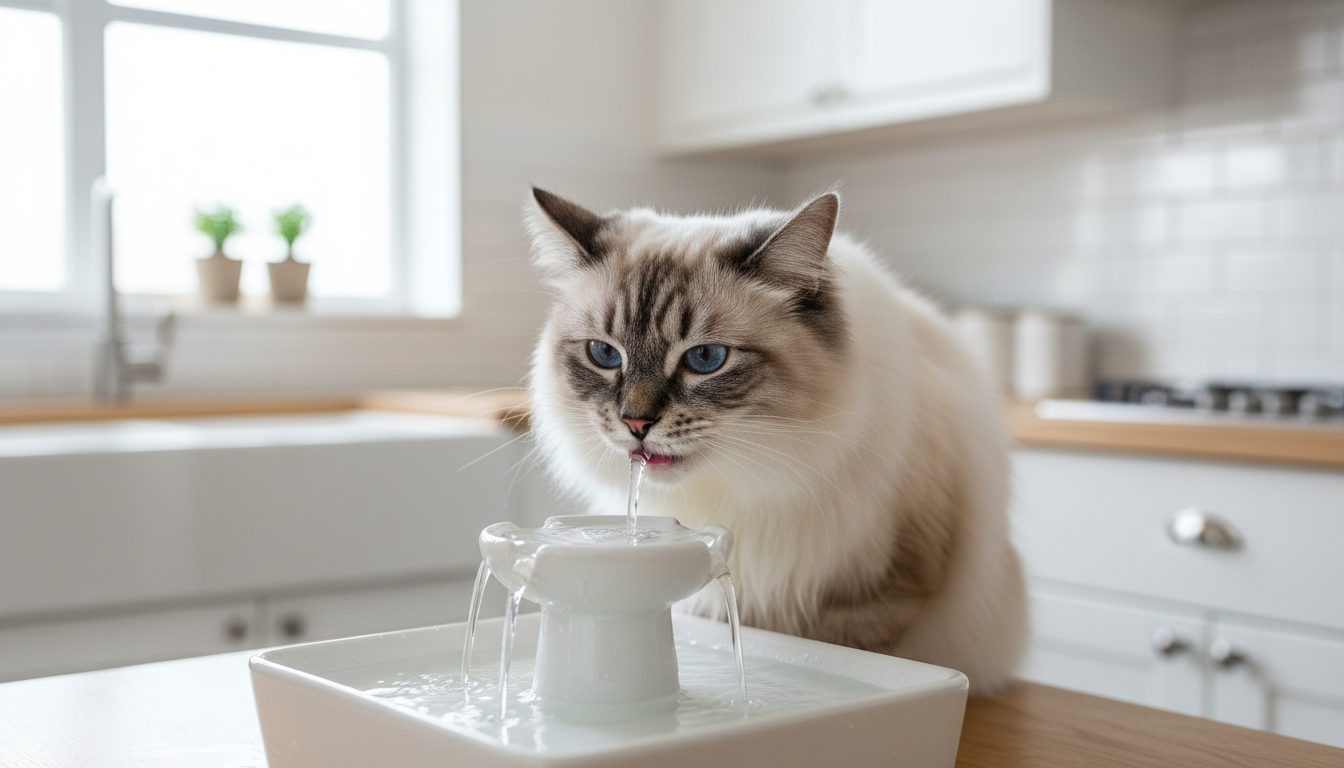
When you bring your Ragdoll in for a suspected urinary problem, your vet will typically start with a physical exam to check for a distended bladder and signs of pain. Urinalysis helps identify crystals, blood, infection, or abnormal pH levels, while bloodwork can reveal how much a blockage may have already affected kidney function and electrolyte balance. In many cases, imaging such as x-rays or ultrasound is used to locate stones and determine their size and number.
Your vet may also recommend urine culture testing if an infection is suspected, since bacteria can sometimes contribute to or complicate stone formation. Based on these results, your veterinarian will put together a plan tailored to your cat’s specific situation rather than relying on a one-size-fits-all approach.
Treatment Options for Stones and Blockages
Treatment depends heavily on how severe the situation is. A complete blockage is a true emergency that usually requires sedation and a urinary catheter to relieve the obstruction, followed by hospitalization to stabilize your cat’s bloodwork and monitor recovery. Smaller stones or crystals without a full blockage may sometimes be managed with a prescription urinary diet designed to dissolve certain types of stones over time, though this does not work for every stone type.
Larger stones, or those that do not respond to dietary management, often require surgical removal. Your vet will walk you through which option makes sense based on the type of stone, its size, and your cat’s overall health. It’s worth remembering that recovery doesn’t end with the immediate crisis, since many cats need a long-term management plan to reduce the chance of the problem coming back.
- Catheterization to relieve a complete blockage
- Hospitalization and IV fluids to correct electrolyte imbalances
- Prescription urinary diets for certain stone types
- Surgical removal for large or treatment-resistant stones
The Role of Diet in Prevention
Diet is one of the most powerful tools for reducing the risk of future urinary stones in a Ragdoll that has already had an episode. Prescription urinary diets are formulated to promote a healthy urine pH and encourage cats to drink more, which helps keep minerals diluted and less likely to crystallize. These diets are typically available in both dry and wet formulations, though wet food often has the added benefit of increasing overall water intake.
Your vet may also recommend avoiding certain treats or table scraps that could interfere with the diet’s intended effect. Switching foods should always be done gradually and under veterinary guidance, especially if your cat has a history of stones, since the wrong transition can cause digestive upset or reduce a cat’s willingness to eat the new food altogether.
Encouraging More Water Intake
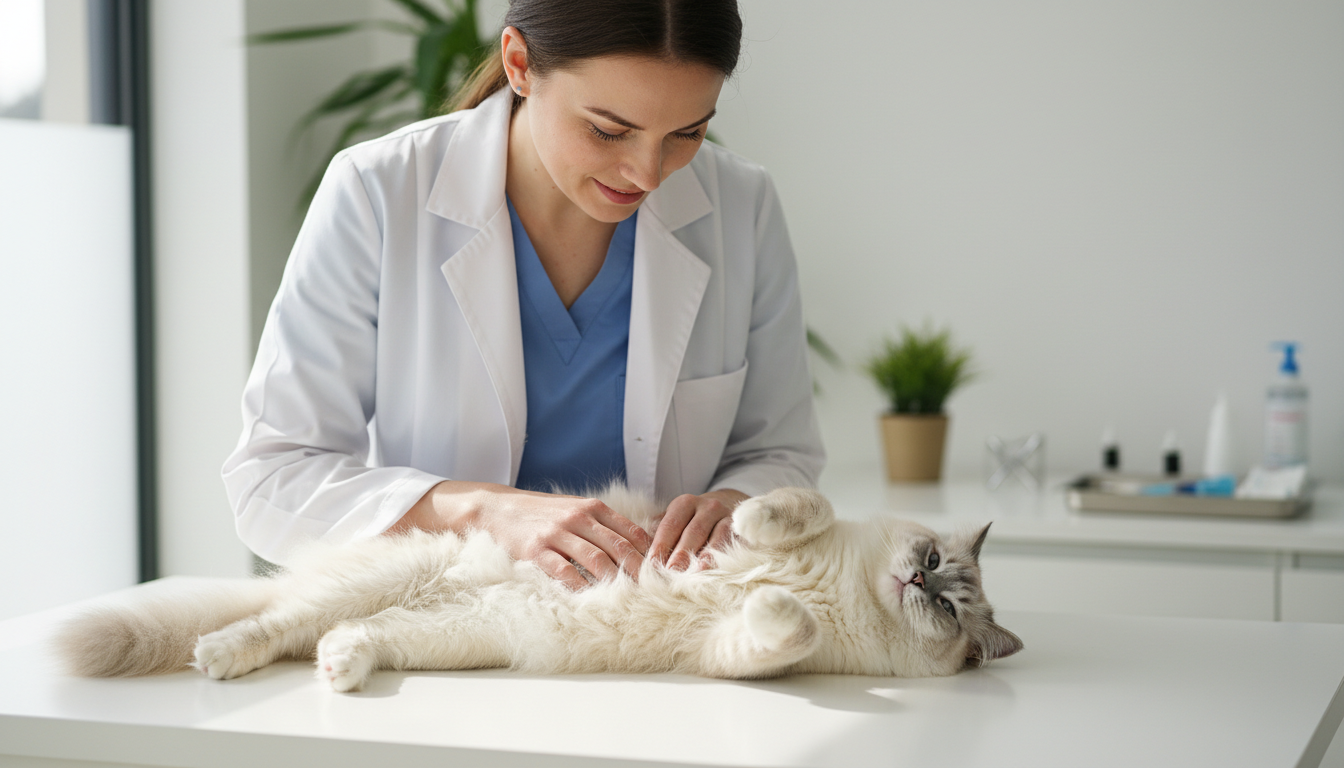
Because Ragdolls tend to be less active and sometimes less interested in drinking water, finding ways to boost hydration can make a real difference in long-term urinary health. Many cats are drawn to moving water, so a pet water fountain can encourage more frequent sips throughout the day compared to a still bowl. Feeding wet food instead of, or alongside, dry kibble is another simple way to increase daily water intake without relying on your cat to drink more on its own.
Placing multiple water bowls around the house, especially away from food and litter boxes, can also help, since some cats prefer not to drink near where they eat or eliminate. Small changes like these add up over time and can meaningfully lower the concentration of minerals in the urine.
- Use a pet water fountain to encourage drinking
- Offer wet food in addition to or instead of dry kibble
- Place several water bowls in different rooms
- Keep water bowls away from food and litter areas
Litter Box Habits That Support Urinary Health
A clean, accessible litter box setup plays a bigger role in urinary health than many owners expect. Cats that are reluctant to use a dirty or poorly placed litter box may hold their urine longer than they should, which gives minerals more time to concentrate and settle. For a breed like the Ragdoll that already tends toward a relaxed approach to daily routines, making the litter box as inviting as possible removes one more barrier to regular, healthy urination.
Experts generally recommend having one more litter box than the number of cats in the household, scooping at least once daily, and choosing a litter type your cat consistently prefers. Watching how often your Ragdoll uses the box, and noting any changes in frequency or straining, can help you catch a developing problem before it turns into an emergency.
- Keep litter boxes clean and scooped daily
- Provide one more box than the number of cats in the home
- Choose a quiet, accessible location for the box
- Monitor frequency and effort during litter box visits

Stress and Its Link to Urinary Flare-Ups
Stress is an often-overlooked contributor to urinary issues in cats, including a condition sometimes grouped under feline idiopathic cystitis, where inflammation occurs without an identifiable infection or stone. Ragdolls are known for their strong attachment to their owners and can be sensitive to changes in the household, such as new pets, moving homes, or shifts in routine. This emotional sensitivity may translate into physical urinary symptoms, even when no stones or crystals are present.
Reducing stress through consistent routines, safe hiding spots, and gradual introductions to new people or animals can support overall urinary health alongside diet and hydration strategies. If your vet suspects a stress component, they may suggest environmental changes or calming strategies as part of a broader management plan.
Long-Term Monitoring After a Diagnosis
Once a Ragdoll has experienced a urinary blockage or stone episode, ongoing monitoring becomes part of life. Your vet will likely recommend periodic urinalysis and sometimes imaging to check for recurrence, even if your cat seems to be doing well. Keeping a simple log of litter box habits, water intake, and any changes in behavior can help you and your vet spot early warning signs much faster the next time around.
Many cats who have had one blockage are at higher risk for another, which makes this long-term vigilance especially important rather than optional. Staying proactive, rather than waiting for symptoms to reappear, gives your cat the best chance at staying stable.
- Schedule periodic urinalysis as recommended by your vet
- Track water intake and litter box frequency at home
- Watch closely for repeat symptoms after a prior episode
- Keep follow-up appointments even when your cat seems well

Special Considerations for Male Ragdolls
Male Ragdolls deserve particular attention because of their narrower urethra, which makes complete blockages more common and more dangerous than in females. If your male Ragdoll has ever shown any signs of straining, even briefly, it is worth mentioning to your vet rather than waiting to see if it happens again. Some vets may recommend more frequent urinary checkups for male cats with a history of crystals or stones, simply because the consequences of a missed early blockage are so severe.
In cases of repeated blockages, your vet may discuss a surgical option designed to widen the urethra and reduce future blockage risk. This is a significant decision that should be made in partnership with your veterinarian after weighing your cat’s history and overall health.
Supporting Your Cat’s Recovery at Home
After a urinary episode, whether it involved hospitalization or a more conservative treatment approach, your Ragdoll will need a calm, comfortable environment to recover in. Follow your vet’s instructions closely regarding diet changes, any prescribed medications, and follow-up visits, and avoid making additional changes to the household during this sensitive recovery window. Keep a close eye on litter box habits in the days and weeks following treatment, since this is often when early signs of recurrence first appear.
Comfort and patience go a long way during recovery, especially for a breed as sensitive to its environment as the Ragdoll. Giving your cat quiet spaces, consistent routines, and gentle reassurance can support both physical healing and emotional well-being.
- Follow all dietary and medication instructions from your vet
- Avoid introducing new stressors during recovery
- Watch closely for any return of straining or blood in urine
- Attend all scheduled follow-up appointments
When to Call Your Vet Right Away
If you ever notice your Ragdoll straining in the litter box without producing urine, crying out in discomfort, or showing sudden lethargy and a painful abdomen, treat it as an emergency and contact your vet or an emergency clinic immediately. Even if you are unsure whether what you are seeing is a true blockage or a milder urinary issue, it is always safer to have a veterinary professional examine your cat than to wait and hope it resolves on its own.
Trust your instincts as an owner. You know your Ragdoll’s normal habits better than anyone, and any significant change in litter box behavior is worth a phone call. Early intervention is consistently the difference between a manageable urinary issue and a life-threatening emergency.
- Unproductive straining in the litter box
- Crying out or visible pain while urinating
- Sudden lethargy or a swollen abdomen
- Any uncertainty about your cat’s urinary symptoms
This article is for general education and is not a substitute for care from your own veterinarian. Learn about The Pet Vet and our editorial policy.