
Noticing your dog scratching more than usual can be worrying, and understanding the early signs of dog skin allergies early signs is the first step toward helping your furry friend feel better. If you’ve caught yourself watching your pup itch, lick, or chew at their skin more often, you’re not alone—and the good news is that catching these symptoms early puts you in a great position to help.
Table of Contents
- What Are Dog Skin Allergies?
- Why Early Detection Matters
- Sign #1: Excessive Scratching and Licking
- Sign #2: Red, Inflamed Skin Patches
- Sign #3: Hair Loss and Bald Patches
- Sign #4: Ear Issues and Head Shaking
- Sign #5: Paw Chewing and Swollen Paw Pads
- Sign #6: Skin Odor and Yeasty Smell
- Sign #7: Facial Swelling or Hives
- Common Allergen Triggers
- When to Seek Veterinary Care
- What You Can Do Now
- Prevention Tips for the Future
- Key Takeaways
- Frequently Asked Questions
This article is for informational purposes only and is not a substitute for professional veterinary advice. Always consult a licensed veterinarian for diagnosis and treatment.
What Are Dog Skin Allergies?
Dog skin allergies occur when a dog’s immune system overreacts to a substance—whether it’s food, environmental factors, or contact allergens. This overreaction causes inflammation, itching, and discomfort that can significantly impact your dog’s quality of life.
Skin allergies are one of the most common health issues veterinarians see in dogs. They can develop at any age, though some breeds are more prone to them than others.
Why Early Detection Matters
Spotting dog skin allergies early signs means you can prevent secondary infections and avoid chronic itching that leads to open sores. Early intervention also helps identify the root cause—whether it’s a food sensitivity, environmental trigger, or parasitic issue.
The longer allergies go untreated, the more uncomfortable your dog becomes, and the higher the risk of skin damage and infection.
Sign #1: Excessive Scratching and Licking
The most obvious early sign is when your dog scratches or licks their skin more than normal. You might notice them focusing on specific areas like their paws, ears, belly, or rear end.
This behavior often intensifies at night or after meals, depending on the allergen. If your dog is scratching enough to cause redness or hair loss, it’s time to reach out to your veterinarian.
Sign #2: Red, Inflamed Skin Patches
Look for areas of your dog’s skin that appear redder than usual or feel warm to the touch. Inflammation is your dog’s immune system responding to the allergen, and it’s a clear signal something isn’t right.
These patches often appear in skin folds, between toes, or in areas your dog licks frequently. Catching this early puts you in a great position to prevent the condition from worsening.
Sign #3: Hair Loss and Bald Patches
Alopecia (hair loss) in dogs is frequently caused by excessive licking and scratching from allergies. You might notice bald spots appearing suddenly or gradually thinning fur in certain areas.
Hair loss can also indicate that the allergic response has been ongoing for a while. This is a signal to get veterinary guidance sooner rather than later.
Sign #4: Ear Issues and Head Shaking
Ears are a common site for allergic reactions in dogs. If your dog is shaking their head frequently, scratching at their ears, or you notice redness inside the ear flaps, allergies could be the culprit.
Ear allergies can quickly lead to ear infections in dogs if left unchecked, so this symptom deserves prompt attention.
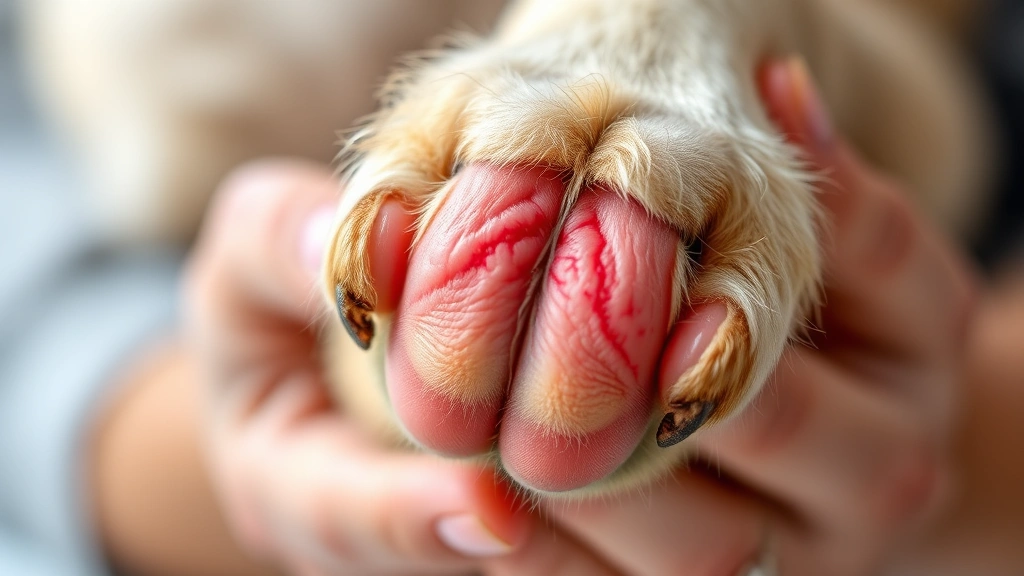
Sign #5: Paw Chewing and Swollen Paw Pads
Many dogs with skin allergies focus their licking and chewing on their paws. You might notice your dog constantly gnawing at their feet, or see swollen, red paw pads.
Paw chewing can also lead to skin infections in dogs when the skin barrier is compromised. Keep a close eye on paw health as an early warning sign.
Sign #6: Skin Odor and Yeasty Smell
An unusual, yeasty, or musty smell on your dog’s skin is often a sign of secondary yeast overgrowth. Allergies create an inflamed environment where yeast thrives.
This smell typically comes from areas with moisture—ears, paw pads, skin folds, and the groin area. It’s a sign that the allergic response has progressed and needs veterinary intervention.
Sign #7: Facial Swelling or Hives
In some cases, dogs experience facial swelling, hives, or raised bumps on the skin. These reactions can develop quickly and indicate a more acute allergic response.
Facial swelling, in particular, should be taken seriously as it can occasionally affect breathing. If you notice sudden swelling, contact your veterinarian right away.
Common Allergen Triggers
Understanding what might be causing your dog’s allergies helps you work with your vet toward a solution:

- Food allergies: Chicken, beef, wheat, corn, and soy are common culprits. Consider exploring sensitive skin and stomach diets if you suspect food is the trigger.
- Environmental allergens: Pollen, dust mites, mold, and grass can trigger seasonal or year-round allergies.
- Contact allergens: Certain shampoos, fabrics, or cleaning products may irritate sensitive skin.
- Parasites: Fleas and mites like those causing dog mange can mimic or worsen allergic symptoms.
When to Seek Veterinary Care
You should contact your veterinarian if you notice any of the early signs listed above. Don’t wait for symptoms to worsen or for multiple signs to appear simultaneously.
If you’re unsure whether your pet needs urgent care, a quick telehealth check-in with The Pet Vet can give you peace of mind—no appointment needed. A vet can assess your dog’s symptoms and recommend next steps from the comfort of your home.
What You Can Do Now
- Document your dog’s symptoms: Note when scratching is worst, which areas are affected, and any changes in diet or environment.
- Schedule a veterinary consultation: Whether in-person or via telehealth, a professional evaluation is essential for proper diagnosis.
- Avoid self-treating: Resist the urge to use medicated shampoos or home remedies without veterinary guidance, as these can sometimes worsen the condition.
- Keep your home clean: Reduce potential environmental allergens by vacuuming regularly and washing your dog’s bedding frequently.
- Monitor for secondary infections: Watch for signs of skin infections in dogs, which can develop quickly when the skin barrier is compromised.
Prevention Tips for the Future
While you can’t always prevent allergies, you can reduce their severity:
- Maintain regular flea and tick prevention to rule out parasitic causes.
- Use a high-quality, gentle dog shampoo suited to sensitive skin.
- Keep your dog’s ears dry and clean, especially after swimming or bathing.
- Feed a balanced, high-quality diet and consider limited-ingredient options if food allergies are suspected.
- Bathe your dog regularly during high pollen seasons to remove allergens from their coat.
Key Takeaways
Dog skin allergies early signs include excessive scratching, red patches, hair loss, ear issues, paw chewing, skin odor, and facial swelling. Recognizing these symptoms early allows you to work with your veterinarian to identify the cause and start treatment before secondary complications develop.
Remember, your dog’s discomfort is real, and seeking professional guidance is the best way to help them feel better. Whether you choose an in-person visit or a convenient telehealth consultation, taking action now will improve your dog’s quality of life.
Frequently Asked Questions
How long do dog skin allergies last?
Duration depends on the cause. Environmental allergies may be seasonal, while food allergies persist until the trigger is removed. With proper management, most dogs see improvement within 2-4 weeks.
Can dog skin allergies go away on their own?
Some mild cases may improve temporarily, but without addressing the underlying cause, allergies typically worsen over time. Professional veterinary care is the most effective approach.
Are certain dog breeds more prone to skin allergies?
Yes, breeds like Golden Retrievers, Labrador Retrievers, Bulldogs, and German Shepherds are genetically predisposed to allergies. However, any dog can develop skin allergies.
What’s the difference between allergies and parasites like mange?
While symptoms overlap, mange is caused by mites and requires specific treatment. A veterinarian can perform skin scrapings or other tests to differentiate between allergies and parasitic infections like dog mange.
Can I use human moisturizers on my dog’s itchy skin?
No, human products can be toxic to dogs or worsen the condition. Always use veterinarian-approved products specifically formulated for dogs with sensitive or allergic skin.
This article is for general education and is not a substitute for care from your own veterinarian. Learn about The Pet Vet and our editorial policy.