
If your dog is scratching constantly, licking their paws until they’re raw, or developing mysterious red patches, you’re likely dealing with dog skin allergies causes that are making both of you miserable. Skin allergies are one of the most common reasons pet owners visit their veterinarian, and the good news is that understanding what’s triggering your pup’s discomfort is the first step toward relief.
Table of Contents
- What Causes Dog Skin Allergies?
- Environmental Allergens: Pollen, Dust & More
- Food Allergies: The Hidden Culprit
- Contact Allergies: What’s Touching Your Dog’s Skin?
- Parasitic Causes: Fleas & Mites
- Secondary Infections & Complications
- 7 Proven Solutions & Treatment Approaches
- When to Seek Veterinary Help
- Natural & Supportive Care Options
- Connection Between Gut Health & Skin Allergies
- Preventing Future Allergic Reactions
- Frequently Asked Questions
- What To Do Now
- Summary: Managing Your Dog’s Skin Allergies
This article is for informational purposes only and is not a substitute for professional veterinary advice. Always consult a licensed veterinarian for diagnosis and treatment.
Watching your beloved companion suffer from itchy, inflamed skin is heartbreaking. The constant scratching, the sleepless nights, the worry—it all adds up. But here’s what we know: most canine skin allergies are manageable once you identify what’s causing them. In this guide, we’ll walk through the most common culprits behind dog skin allergies, what symptoms to watch for, and practical solutions that actually work.
What Causes Dog Skin Allergies?
Dog skin allergies don’t appear out of nowhere. They develop when your dog’s immune system overreacts to a substance that’s usually harmless. Think of it like your dog’s body being overly protective—it sees something as a threat when it really isn’t.
There are three main categories of allergens that trigger skin reactions in dogs: environmental allergens, food allergens, and contact allergens. Sometimes it’s just one, but many dogs deal with multiple triggers at once, which makes pinpointing the exact cause tricky.
Environmental Allergens: Pollen, Dust & More
Environmental allergies, also called atopy, are incredibly common in dogs. Your pup might be reacting to pollen from trees, grasses, or weeds—especially during spring and fall when counts spike. Dust mites, mold spores, and even indoor air quality can trigger itching year-round.
Dogs with environmental allergies often show seasonal patterns. You might notice their scratching gets worse during certain times of year, or it could be constant if they’re allergic to indoor allergens like dust or pet dander. The itching typically shows up on the face, ears, paws, and underarms first.
Catching environmental allergies early puts you in a great position to manage them with seasonal support or year-round preventive care.
Food Allergies: The Hidden Culprit
Food allergies are trickier because the reaction happens from the inside out. Common food allergens for dogs include beef, chicken, dairy, wheat, and soy. Unlike food intolerance (which causes digestive upset), true food allergies trigger an immune response that often shows up as skin problems.
The frustrating part? Food allergies can develop at any point in your dog’s life, even if they’ve been eating the same food for years. Your dog might suddenly become allergic to something they’ve tolerated forever.
If you suspect a food allergy, an elimination diet under veterinary guidance is the gold standard for identification. This involves feeding a limited ingredient diet for 8-12 weeks to see if symptoms improve.
Contact Allergies: What’s Touching Your Dog’s Skin?
Contact allergies occur when your dog’s skin touches something irritating. This could be a new collar, bedding material, cleaning products, or even grass. Some dogs develop reactions to laundry detergent or fabric softener on their blankets.
These allergies are usually localized to the area that made contact. So if your dog is allergic to their new nylon collar, you’ll see redness and itching around the neck. Switching to a different material often solves the problem quickly.
Identifying contact allergies is often the easiest—just remove the suspected item and monitor whether symptoms improve within a few days.
Parasitic Causes: Fleas & Mites
Before assuming your dog has an allergy, rule out parasites. Flea allergy dermatitis is incredibly common and happens when dogs have an allergic reaction to flea saliva. Some dogs are so sensitive that even one flea bite causes intense itching.
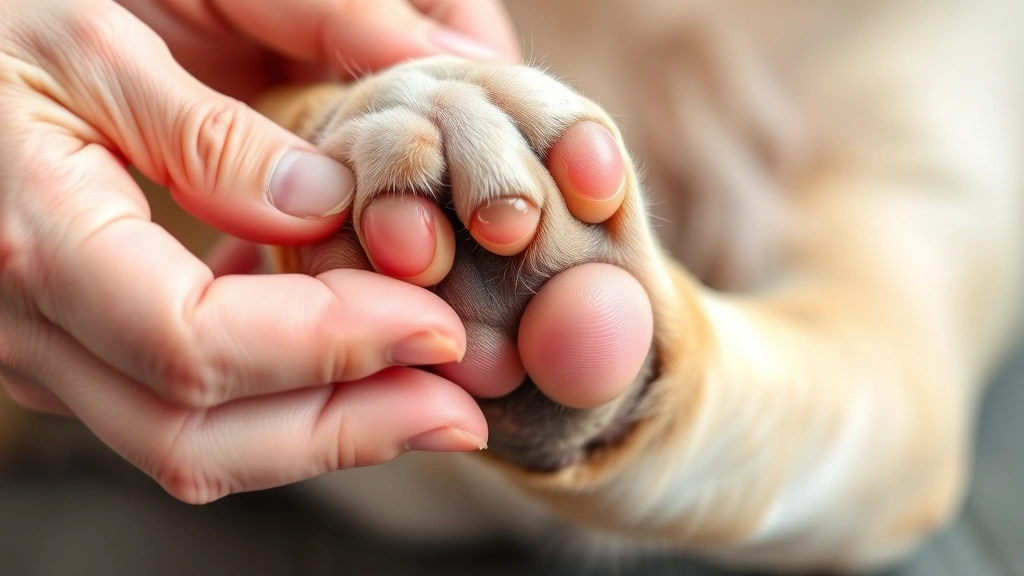
Mites can also trigger severe skin reactions. Mange in dogs is caused by mite overgrowth and creates intense itching, hair loss, and skin thickening. Both demodectic and sarcoptic mange require veterinary treatment.
Your vet can easily check for fleas and mites through skin scrapings or visual inspection. Year-round flea prevention is one of the best ways to prevent these parasitic causes of skin problems.
Secondary Infections & Complications
Here’s where things get complicated: when your dog scratches constantly, they break the skin barrier. This opens the door to bacterial and yeast infections that make everything worse. Your dog might start with a simple allergy but end up with a painful secondary infection that requires additional treatment.
Yeast overgrowth is particularly common in dogs with allergies. You might notice a musty smell, greasy-looking fur, or dark discoloration on the skin. Bacterial infections cause crusty lesions, pus, and sometimes a foul odor.
This is why addressing the underlying allergy quickly is so important—it prevents these painful secondary problems from developing.
7 Proven Solutions & Treatment Approaches
1. Identify & Eliminate the Allergen
This is the gold standard. If you can figure out what’s triggering the allergy and remove it, the problem often resolves on its own. Keep a symptom diary noting when itching is worse, what your dog ate, and environmental factors. This helps your vet narrow down possibilities.
2. Switch to a Limited Ingredient Diet
If food allergies are suspected, work with your veterinarian on an elimination diet. Choose a food with novel proteins and carbohydrates your dog hasn’t eaten before. Many dogs see significant improvement within 4-6 weeks of dietary changes. Learn more about human foods dogs can eat to understand what’s safe to include.
3. Use Antihistamines or Anti-Inflammatory Medications
Your vet may recommend antihistamines to reduce the allergic response, or anti-inflammatory medications to calm the itching and inflammation. These provide relief while you work on identifying the root cause.
4. Implement Regular Bathing & Skin Care
Frequent baths with hypoallergenic or medicated shampoos can help remove allergens from your dog’s coat and soothe irritated skin. Ask your vet about the right bathing schedule and shampoo type for your dog’s specific situation.
5. Maintain Year-Round Flea Prevention
Even if fleas aren’t the primary allergen, preventing them eliminates one potential trigger. Modern flea preventatives are safe and highly effective when used as directed by your veterinarian.
6. Consider Omega-3 Supplements
Omega-3 fatty acids have natural anti-inflammatory properties and can support skin health. Many dogs with allergies benefit from fish oil or other omega-3 supplements, though you should discuss dosing with your vet.
7. Explore Immunotherapy or Allergy Testing
For chronic allergies, your vet might recommend intradermal skin testing or serological allergy testing to identify specific allergens. Immunotherapy (allergy shots) can help desensitize your dog over time, providing long-term relief.
When to Seek Veterinary Help
You should contact your vet if your dog shows signs of skin allergies that last more than a week or two. If you notice signs of secondary infection—like pus, crusting, unusual odors, or your dog’s condition worsening—don’t wait. These need prompt treatment.
If you are unsure whether your pet needs urgent care, a quick telehealth check-in can give you peace of mind—no appointment needed. Many skin issues can be evaluated remotely, and your vet can recommend next steps without the stress of traveling to a clinic.

Natural & Supportive Care Options
While there’s no magic cure for allergies, several supportive approaches can help manage symptoms alongside veterinary treatment:
- Coconut oil: Some owners report that coconut oil applied topically helps soothe itchy skin
- Apple cider vinegar rinses: Diluted apple cider vinegar may help balance skin pH, though always check with your vet first
- Probiotics: Gut health is linked to skin health; probiotics may support immune balance
- Hydration: Keeping your dog well-hydrated supports overall skin health
- Stress reduction: Stress can worsen allergies, so ensure your dog gets adequate exercise and calm time
Remember, these are complementary approaches. They work best alongside professional veterinary care, not as replacements for it.
Connection Between Gut Health & Skin Allergies
Recent research suggests that gut health plays a significant role in skin health. A dog with poor digestion or intestinal inflammation may be more prone to skin allergies. This is why addressing dog gastrointestinal issues sometimes helps resolve skin problems too.
A healthy microbiome supports a strong immune system, which means fewer allergic reactions. This is another reason why diet quality matters so much for dogs with skin issues.
Preventing Future Allergic Reactions
Once you’ve identified what triggers your dog’s allergies, prevention becomes your best tool. Here’s what you can do:
- Maintain consistent year-round flea prevention
- Keep your home clean and dust-free, especially your dog’s sleeping areas
- Use hypoallergenic bedding and wash it regularly in unscented detergent
- Avoid unnecessary environmental changes (new collars, treats, or bedding) without introducing them gradually
- Schedule regular vet checkups to catch problems early
Frequently Asked Questions
How long does it take to identify a food allergy in dogs?
An elimination diet typically takes 8-12 weeks to show results. You need to be patient and strict about diet during this period for accurate results.
Can dog skin allergies go away on their own?
Contact allergies may resolve if you remove the trigger, but environmental and food allergies are usually lifelong. However, they’re very manageable with proper identification and treatment.
Is scratching always a sign of allergies?
No. Fleas, mites, dry skin, and infections can all cause scratching. Your vet needs to rule out parasites and other conditions first.
Are certain dog breeds more prone to skin allergies?
Yes, breeds like Labradors, Golden Retrievers, Bulldogs, and West Highland White Terriers are genetically predisposed to allergies.
Can I treat my dog’s skin allergies at home without a vet?
Home care can support treatment, but you need a vet to properly diagnose the cause and rule out serious conditions like mange or infections. Professional guidance is essential.
What To Do Now
- Schedule a vet appointment: Get a professional diagnosis to rule out parasites, infections, and other conditions before assuming it’s an allergy
- Start a symptom diary: Note when itching is worse, what your dog ate, and any environmental changes to help identify patterns
- Implement flea prevention: If you haven’t already, start year-round flea prevention to eliminate this common trigger
- Review your dog’s current food: Check the ingredient list and consider whether a limited ingredient diet might help
- Consider a telehealth consultation: If you want a quick second opinion or can’t get an immediate appointment, a telehealth vet can provide guidance while you wait for in-person care
Summary: Managing Your Dog’s Skin Allergies
Dog skin allergies are frustrating, but they’re absolutely manageable once you understand what’s causing them. Whether it’s environmental allergens, food sensitivities, contact irritants, or parasites, the path forward starts with proper diagnosis.
The most important thing you can do right now is work with your veterinarian to identify the specific cause. From there, whether you’re switching foods, preventing fleas, or managing symptoms with medication, you’ll have a clear treatment plan that actually addresses the root problem.
Your dog’s constant scratching and discomfort don’t have to be permanent. With patience, professional guidance, and the right approach, most dogs with skin allergies go on to live comfortable, happy lives. You’ve got this—and your vet is here to help.
This article is for general education and is not a substitute for care from your own veterinarian. Learn about The Pet Vet and our editorial policy.