
If your dog is constantly scratching, licking, or has red, inflamed skin, you’re not alone—and there’s real hope. Dog skin allergies treatment options have evolved dramatically, giving pet owners multiple effective paths to relief for their furry friends.
Table of Contents
- Understanding What Causes Dog Skin Allergies
- Solution 1: Elimination Diet and Nutritional Management
- Solution 2: Topical Treatments and Medicated Baths
- Solution 3: Antihistamines and Anti-Inflammatory Medications
- Solution 4: Immunotherapy and Allergy Testing
- Solution 5: Omega Fatty Acid Supplementation
- Solution 6: Environmental Management and Allergen Reduction
- Solution 7: Professional Veterinary Guidance and Monitoring
- Combining Treatments for Maximum Relief
- Frequently Asked Questions
- What To Do Now
- Summary: Your Dog Doesn’t Have to Suffer
This article is for informational purposes only and is not a substitute for professional veterinary advice. Always consult a licensed veterinarian for diagnosis and treatment.
Watching your dog suffer from itchy, uncomfortable skin is heartbreaking. The good news? Modern veterinary medicine offers several evidence-based approaches to manage and treat skin allergies in dogs, ranging from dietary adjustments to targeted medical interventions. Let’s explore what actually works.
Understanding What Causes Dog Skin Allergies
Dog skin allergies typically stem from three main culprits: environmental factors (pollen, dust mites, mold), food sensitivities, or contact allergies (to shampoos, fabrics, or cleaning products). Your dog’s immune system overreacts to these triggers, causing inflammation and that maddening itch.
The tricky part? Identifying the exact cause requires detective work. Some dogs react to multiple triggers simultaneously, making diagnosis more complex. But pinpointing the source is crucial because it directly shapes which treatment will work best.
Solution 1: Elimination Diet and Nutritional Management
One of the first steps many veterinarians recommend is an elimination diet to support coat health. If your dog has a food allergy, removing the offending ingredient can dramatically reduce symptoms within 4-6 weeks.
Common food allergens in dogs include chicken, beef, wheat, and corn. Your vet might suggest a limited-ingredient diet or a novel protein source your dog has never eaten before. This isn’t about finding a “better” food—it’s about finding the right food for your specific dog’s immune system.
Proper nutrition also strengthens your dog’s skin barrier. Addressing gastrointestinal health through diet can indirectly improve skin health, since gut health and skin health are deeply connected. Omega-3 and omega-6 fatty acids are particularly important for reducing inflammation.
- Keep a food diary to track which ingredients trigger flare-ups
- Introduce new foods slowly over 7-10 days
- Ensure treats align with your dog’s elimination diet
- Consult your vet before making major dietary changes
Catching food allergies early puts you in a great position to manage them long-term without expensive medications.
Solution 2: Topical Treatments and Medicated Baths
Topical solutions provide immediate relief and can be used alongside other treatments. Medicated shampoos containing oatmeal, hydrocortisone, or antifungal agents soothe inflamed skin and reduce itching during bath time.
These aren’t cosmetic products—they’re therapeutic. Bathing your dog 2-3 times weekly with a medicated shampoo can significantly reduce symptoms. Leave the shampoo on for 5-10 minutes to allow the active ingredients to work effectively.
Beyond baths, topical sprays, creams, and ointments can target specific problem areas. Some dogs respond beautifully to moisturizing treatments that repair the skin barrier, especially in winter months when skin tends to be drier.
- Use lukewarm (not hot) water to avoid further irritation
- Pat dry gently rather than rubbing
- Apply topical treatments to clean, dry skin for best absorption
- Avoid products with artificial fragrances or dyes
Solution 3: Antihistamines and Anti-Inflammatory Medications
When itching is severe, your vet may recommend antihistamines to block the allergic response at the source. These medications can be particularly helpful during seasonal allergy flare-ups.
Anti-inflammatory medications work differently—they reduce the inflammation causing discomfort. Your veterinarian will determine which class of medication (or combination) suits your dog’s specific situation best. The right medication can provide relief within hours to days.
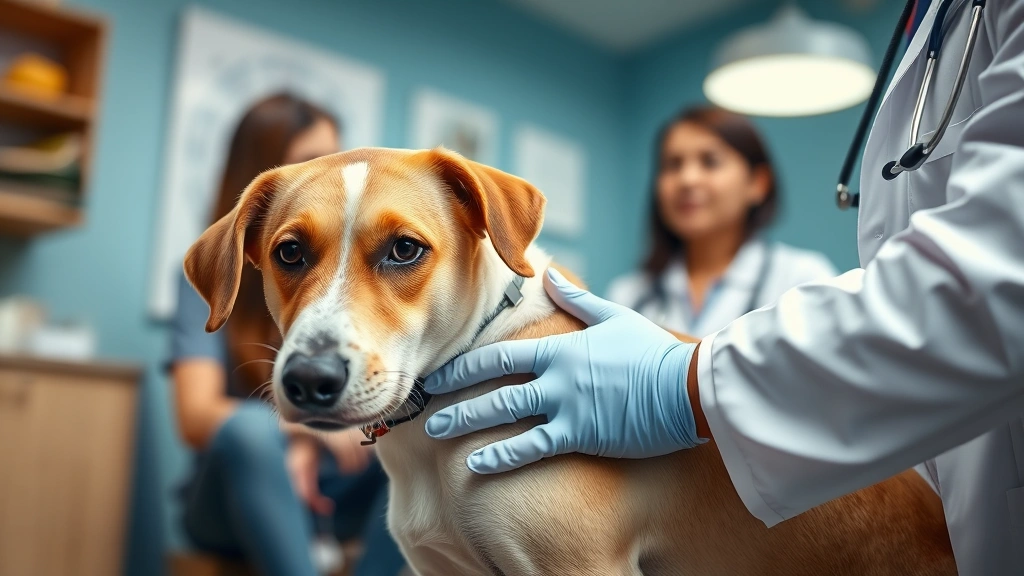
These treatments work best when started early, before your dog’s constant scratching creates secondary skin infections. Early intervention prevents complications and often requires lower medication doses overall.
Solution 4: Immunotherapy and Allergy Testing
If your dog has environmental allergies (to pollen, dust, or mold), immunotherapy might be life-changing. This involves gradually exposing your dog to small amounts of the allergen, building tolerance over months.
First comes allergy testing—either blood tests or intradermal skin testing—to identify exactly which environmental triggers affect your dog. Armed with this information, your vet can create a customized immunotherapy plan.
This approach takes patience (results appear over 6-12 months), but many dogs experience significant improvement or even complete relief. It addresses the root cause rather than just masking symptoms.
Solution 5: Omega Fatty Acid Supplementation
Omega-3 and omega-6 fatty acids are powerful anti-inflammatory agents that support skin health from within. Many dogs with skin allergies benefit from targeted supplementation beyond what’s in their regular food.
Fish oil, krill oil, and algae-based supplements can reduce inflammation and itching while improving coat quality. These supplements are safe for long-term use and often show noticeable improvement within 4-8 weeks.
The beauty of this approach? It supports overall health while addressing skin issues. Your dog’s joints, heart, and brain also benefit from these essential nutrients.
- Choose supplements specifically formulated for dogs
- Start with recommended doses and monitor for improvement
- Look for products with third-party quality testing
- Combine with other treatments for best results
Solution 6: Environmental Management and Allergen Reduction
Sometimes the simplest solutions are the most effective. Reducing your dog’s exposure to allergens can dramatically decrease symptoms—especially for environmental allergies.
If pollen is the culprit, wipe your dog’s paws and face after outdoor time. If dust mites trigger reactions, wash bedding weekly in hot water and use air purifiers. For contact allergies, switch to fragrance-free, hypoallergenic shampoos and laundry detergents.
This preventive approach costs nothing and often provides relief without medication. Think of it as removing the trigger before your dog’s immune system even has a chance to react.
- Identify seasonal patterns in your dog’s symptoms
- Minimize time outdoors during high pollen days
- Use HEPA air filters in your home
- Choose bedding and toys made from hypoallergenic materials
Solution 7: Professional Veterinary Guidance and Monitoring
The most effective treatment plan is personalized. What works brilliantly for one dog might not work for another, even with the same allergy type. This is where professional guidance becomes invaluable.
Your veterinarian can identify secondary infections (common when dogs scratch excessively), rule out other skin conditions, and create a multi-pronged treatment strategy tailored to your dog. Regular check-ins ensure the plan is working and adjustments are made as needed.
If you’re unsure whether your pet needs urgent care or want to discuss treatment options without a full appointment, a quick telehealth check-in can give you peace of mind—no appointment needed. This is especially helpful when you’re trying to decide between treatment options or need guidance on medication side effects.

Combining Treatments for Maximum Relief
Here’s what many vets find most effective: combining approaches. For example, an elimination diet plus omega supplements plus medicated baths often outperforms any single treatment alone.
Think of it as a layered approach. You’re attacking the problem from multiple angles—reducing the allergen load, supporting skin health, managing inflammation, and preventing secondary infections. This comprehensive strategy typically produces faster, more dramatic results.
Your vet will help you sequence treatments and monitor progress. Some interventions work immediately, while others take weeks to show benefit. Patience and consistency are key.
Frequently Asked Questions
How long does it take to see improvement with dog skin allergy treatment?
This varies by treatment type. Topical treatments and antihistamines may provide relief within hours to days, while elimination diets and supplements typically show improvement within 4-8 weeks. Immunotherapy requires 6-12 months for full benefit.
Can dog skin allergies be cured permanently?
Some allergies (especially food allergies) can be managed long-term by avoiding the trigger. Environmental allergies are typically managed rather than cured, though immunotherapy can provide lasting relief in many dogs.
Are prescription medications necessary for all dogs with skin allergies?
No. Many dogs respond well to dietary changes, supplements, and topical treatments. Prescription medications are reserved for moderate to severe cases or when other treatments haven’t provided adequate relief.
What’s the difference between food allergies and food sensitivities in dogs?
Food allergies involve an immune response, while sensitivities cause digestive upset or skin issues without immune activation. Both respond to elimination diets, but allergies are typically more severe and require stricter avoidance.
Can I treat my dog’s skin allergies at home without veterinary help?
You can start with environmental management and basic care, but professional diagnosis is crucial to identify the underlying cause and rule out other conditions. A vet ensures your treatment plan is safe and effective for your specific dog.
What To Do Now
- Schedule a veterinary appointment to rule out secondary infections and get a professional diagnosis. Bring notes on when symptoms started and any patterns you’ve noticed.
- Start keeping a symptom diary documenting when itching worsens, environmental conditions, and foods eaten. This information helps your vet identify triggers.
- Implement one environmental change this week—whether that’s switching to hypoallergenic bedding, adding an air purifier, or adjusting bath frequency with a gentle, fragrance-free shampoo.
- Discuss supplement options with your vet to determine if omega fatty acids or other supplements would benefit your dog’s specific situation.
- Ask your vet about allergy testing if environmental allergies are suspected. Knowing exactly what your dog reacts to opens doors to targeted treatment.
Summary: Your Dog Doesn’t Have to Suffer
Dog skin allergies are frustrating, but they’re absolutely manageable with the right approach. From dietary changes and supplements to medications and immunotherapy, multiple evidence-based solutions exist. The key is working with your veterinarian to identify the cause and create a personalized treatment plan.
Start with one or two interventions, monitor progress carefully, and adjust as needed. Many dogs experience significant relief within weeks. Your patience and proactive care make all the difference in your dog’s comfort and quality of life.
Remember: you know your dog best. If something isn’t working after a reasonable trial period, speak up and explore alternatives. The right solution is out there—and your dog’s relief is absolutely within reach.
This article is for general education and is not a substitute for care from your own veterinarian. Learn about The Pet Vet and our editorial policy.