
If your dog is constantly scratching, licking, or has red, irritated skin, you’re likely searching for dog skin allergies natural remedies that actually work. The good news? There are several evidence-based, natural approaches that can bring relief to your itchy pup and help you both feel better.
Table of Contents
- Understanding Canine Skin Allergies
- Why Natural Remedies Matter for Skin Health
- 1. Omega-3 Fatty Acids: Nature’s Anti-Inflammatory
- 2. Oatmeal Baths: Soothing Relief at Home
- 3. Coconut Oil: Moisturizing and Antimicrobial
- 4. Dietary Adjustments and Food Elimination
- 5. Probiotics: Gut Health and Immune Support
- 6. Apple Cider Vinegar: A Gentle Topical Solution
- 7. Herbal Remedies and Supplements
- Environmental Management and Prevention
- When to Seek Professional Help
- Combining Natural Remedies with Professional Care
- Summary: Your Action Plan for Relief
- Frequently Asked Questions
- What To Do Now
This article is for informational purposes only and is not a substitute for professional veterinary advice. Always consult a licensed veterinarian for diagnosis and treatment.
Understanding Canine Skin Allergies
Dog skin allergies are incredibly common, affecting roughly 10% of all dogs. These allergies develop when your dog’s immune system overreacts to a substance—whether it’s pollen, dust mites, certain proteins in food, or contact allergens like grass or cleaning products.
The itching and inflammation you see are your dog’s body’s way of fighting what it perceives as a threat. Understanding the root cause is the first step toward finding relief, though pinpointing the exact trigger can take some detective work.
Why Natural Remedies Matter for Skin Health
Many pet owners turn to natural remedies because they want to minimize synthetic chemicals while still addressing their dog’s discomfort. Natural approaches often work alongside professional veterinary care, not instead of it, to support your dog’s skin barrier and immune response.
The beauty of natural solutions is that they’re often gentler, have fewer side effects, and support your dog’s overall wellness. That said, catching the problem early puts you in a great position to help before secondary infections develop.
1. Omega-3 Fatty Acids: Nature’s Anti-Inflammatory
One of the most researched natural remedies for dog skin allergies is omega-3 fatty acids. These powerful compounds reduce inflammation at the cellular level and strengthen your dog’s skin barrier, making it less reactive to allergens.
You can introduce omega-3s through:
- Fish oil supplements (salmon or anchovy-based)
- Adding small amounts of cooked salmon or sardines to meals
- Flaxseed or chia seeds mixed into food
- Specially formulated skin health supplements
Most dogs show improvement within 4-6 weeks of consistent omega-3 supplementation. Consistency is key—these aren’t quick fixes, but they work beautifully over time.
2. Oatmeal Baths: Soothing Relief at Home
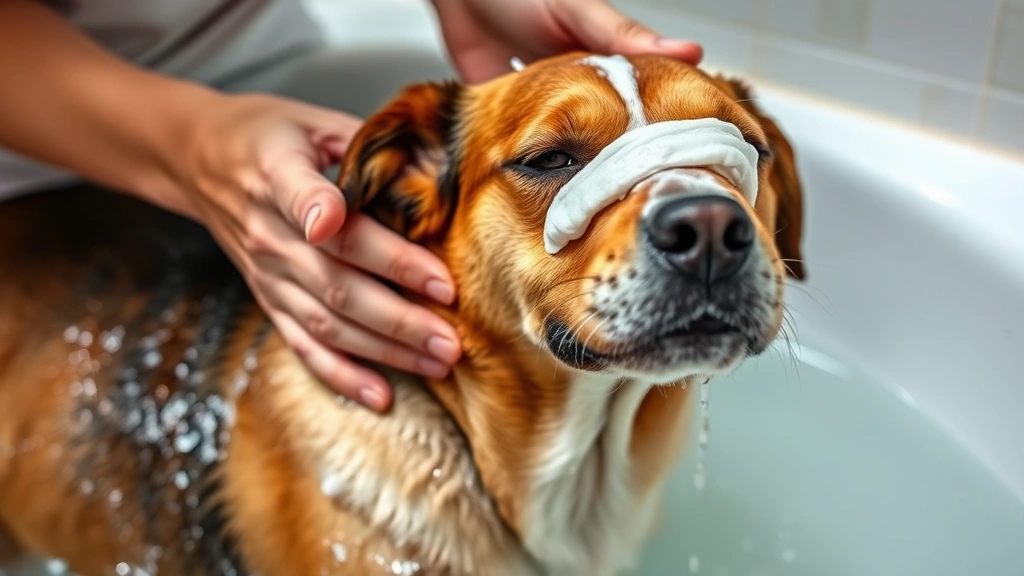
Colloidal oatmeal (finely ground oatmeal) has been used for centuries to calm irritated skin, and it works wonderfully for dogs too. The starches and beta-glucans in oatmeal coat the skin, reduce inflammation, and ease itching almost immediately.
To give an oatmeal bath:
- Grind plain oatmeal into a fine powder using a food processor
- Mix with lukewarm (not hot) water to create a paste
- Gently apply to affected areas or bathe your dog for 10-15 minutes
- Rinse thoroughly and pat dry
- Repeat 2-3 times weekly as needed
Many owners notice their dogs stop scratching within minutes of an oatmeal bath. It’s one of the quickest-acting natural remedies available.
3. Coconut Oil: Moisturizing and Antimicrobial
Coconut oil is a multi-tasking natural remedy that both moisturizes dry, flaky skin and has antimicrobial properties that help prevent secondary bacterial infections—a common complication of allergies.
Application methods include:
- Topical application directly to irritated patches (use organic, unrefined coconut oil)
- Adding a small amount to your dog’s food for internal benefits
- Using it as a leave-in conditioner on the coat
Start with small amounts if giving internally, as too much can cause digestive upset. A teaspoon mixed into food a few times weekly is usually sufficient.
4. Dietary Adjustments and Food Elimination
Many dog skin allergies stem from food sensitivities rather than environmental triggers. Common culprits include beef, chicken, wheat, corn, and soy. Working with your vet to identify problem foods is crucial.
Consider an elimination diet where you remove suspected allergens for 8-12 weeks, then reintroduce them one at a time to identify triggers. This process requires patience, but it’s one of the most effective long-term solutions.
You might also explore limited-ingredient diets or novel protein sources like duck, venison, or fish. Check out our guide on foods that are poisonous to dogs to ensure you’re choosing safe options.
5. Probiotics: Gut Health and Immune Support
Your dog’s gut health directly impacts skin health. Probiotics support a healthy microbiome, which strengthens your dog’s immune system and reduces inflammatory responses to allergens.
Quality probiotic supplements designed for dogs can help restore beneficial bacteria, especially if your pup has been on antibiotics for secondary infections. Look for multi-strain formulas with at least 5-10 billion CFU per serving.
Some dogs also benefit from prebiotic foods like pumpkin or sweet potato, which feed the good bacteria in their gut.
6. Apple Cider Vinegar: A Gentle Topical Solution
Diluted apple cider vinegar has mild antimicrobial and anti-inflammatory properties that can help with itchy skin. However, it must be diluted properly—never apply full-strength vinegar to your dog’s skin.
A safe dilution ratio is 1 part apple cider vinegar to 3-4 parts water. You can:
- Spray the solution onto affected areas
- Soak paws in a diluted vinegar bath for itchy feet
- Add a small amount to your dog’s water bowl (consult your vet first)
Watch for any signs of irritation, and discontinue if your dog’s skin becomes more inflamed. It works best as a complementary remedy alongside other approaches.
7. Herbal Remedies and Supplements
Several herbs have been traditionally used to support skin health in dogs. Quercetin, a natural antihistamine found in plants, can help reduce allergic reactions without the side effects of pharmaceutical antihistamines.
Other supportive herbs include:
- Licorice root (anti-inflammatory)
- Chamomile (soothing and calming)
- Turmeric (powerful anti-inflammatory with curcumin)
- Aloe vera (cooling and moisturizing)
Always source these from reputable pet supplement companies and discuss them with your veterinarian before introducing them, as some may interact with medications or conditions.
Environmental Management and Prevention
Beyond supplements and topical treatments, managing your dog’s environment is crucial. If your pup has environmental allergies, consider:
- Washing bedding weekly in hypoallergenic detergent
- Using air purifiers to reduce dust and pollen
- Wiping paws after outdoor time to remove allergens
- Bathing more frequently during high pollen seasons
- Keeping your home humidity between 40-50% to prevent dry skin
These simple changes can significantly reduce allergen exposure and give your natural remedies a better chance to work.

When to Seek Professional Help
While natural remedies are wonderful, some situations require professional veterinary care. If your dog is experiencing severe itching, hair loss, open sores, or signs of infection, it’s time to consult your vet.
Secondary bacterial or yeast infections are common complications of untreated allergies. If you notice a foul smell, crusty lesions, or excessive discharge, your dog may need additional support. If you are unsure whether your pet needs urgent care, a quick telehealth check-in can give you peace of mind—no appointment needed.
Our guide on ear infections in dogs covers related issues that often accompany skin allergies, and information on mange in dogs can help you rule out other skin conditions.
Combining Natural Remedies with Professional Care
The most effective approach combines natural remedies with professional guidance. Your veterinarian can help identify the underlying cause of your dog’s allergies and recommend the best combination of treatments for your specific pup.
Some dogs thrive on natural remedies alone, while others benefit from a combination approach that includes professional treatments. There’s no one-size-fits-all solution, but being proactive and informed—like you are right now—puts you on the path to success.
Summary: Your Action Plan for Relief
Dog skin allergies natural remedies work best when you approach them holistically. Start with dietary adjustments and omega-3 supplementation, add soothing oatmeal baths for immediate relief, and support gut health with probiotics. Layer in environmental management, and you’ve created a comprehensive plan to help your itchy pup feel better.
Remember, consistency matters more than perfection. It may take several weeks to see improvement, but most dogs respond well to natural approaches when given time and proper support.
Frequently Asked Questions
How long does it take for natural remedies to work on dog skin allergies?
Most natural remedies show initial improvement within 2-4 weeks, though full results may take 6-8 weeks of consistent use. Oatmeal baths provide immediate relief, while supplements like omega-3s work more gradually.
Can natural remedies completely cure my dog’s skin allergies?
Natural remedies can significantly reduce symptoms and manage allergies long-term, but they typically manage rather than cure allergies. Working with your vet to identify and eliminate triggers is the most effective long-term strategy.
Is it safe to use multiple natural remedies together?
Yes, most natural remedies complement each other well, but introduce them one at a time to monitor for any adverse reactions. Always discuss your full plan with your veterinarian before starting.
What should I do if my dog’s skin gets worse despite natural remedies?
If symptoms worsen or your dog develops signs of infection, contact your veterinarian immediately. Secondary infections require professional treatment and shouldn’t be managed with natural remedies alone.
Are there any natural remedies I should avoid for dog skin allergies?
Avoid tea tree oil, which can be toxic to dogs, and never use essential oils without dilution. Always verify that any herb or supplement is safe for dogs before use.
What To Do Now
- Schedule a veterinary consultation to rule out serious conditions and identify potential allergen triggers through testing or elimination diet.
- Start with one natural remedy—omega-3 supplements or oatmeal baths—and give it 3-4 weeks before adding others to your routine.
- Keep a detailed journal of your dog’s symptoms, diet changes, and which remedies seem most effective for your individual pup.
- Evaluate your dog’s current food and consider discussing a limited-ingredient or novel protein diet with your vet if food allergies are suspected.
- If symptoms persist or worsen after 4-6 weeks of natural remedies, reach out to your veterinarian or use telehealth for guidance on next steps.
This article is for general education and is not a substitute for care from your own veterinarian. Learn about The Pet Vet and our editorial policy.