
If your dog is straining to urinate, having accidents indoors, or showing signs of discomfort, a dog urinary tract infection best diet might be the missing piece in their recovery plan. UTIs are uncomfortable and stressful for both you and your pup, but the right nutrition can make a real difference in healing and prevention.
Table of Contents
- Understanding UTIs in Dogs and Why Diet Matters
- The 7 Best Foods for Dogs with Urinary Tract Infections
- Hydration: The Most Underrated UTI Prevention Tool
- Foods to Avoid During UTI Recovery
- Creating a UTI-Friendly Feeding Schedule
- Prescription Diets vs. Home-Prepared Meals
- Supplements That Support Urinary Health
- When to Seek Veterinary Care
- Long-Term Prevention: Making Diet Your First Line of Defense
- Summary: Your Action Plan for Supporting UTI Recovery Through Diet
- Frequently Asked Questions
- What To Do Now
This article is for informational purposes only and is not a substitute for professional veterinary advice. Always consult a licensed veterinarian for diagnosis and treatment.
Diet plays a surprisingly powerful role in urinary health. While antibiotics prescribed by your vet are essential for treating an active infection, what you feed your dog during and after treatment can speed recovery, reduce inflammation, and help prevent future UTIs. Let’s explore the foods and feeding strategies that veterinarians recommend for dogs dealing with urinary tract issues.
Understanding UTIs in Dogs and Why Diet Matters
Urinary tract infections happen when bacteria colonize your dog’s bladder or urethra. Common signs include frequent urination, straining, blood in urine, and unusual urgency—even at 3 a.m. Catching this early puts you in a great position to help your dog recover faster.
Here’s the thing: your dog’s diet directly influences urine pH, hydration levels, and immune function. All three of these factors affect how quickly bacteria can take hold and how effectively your dog’s body fights back. A dog urinary tract infection best diet supports these three pillars of urinary health.
According to the American Veterinary Medical Association, nutritional management is a key component of UTI prevention and recovery alongside medical treatment.
The 7 Best Foods for Dogs with Urinary Tract Infections
These foods have earned their place in a supportive diet for dogs recovering from or at risk of UTIs. Each offers specific benefits for urinary health.
1. Plain Boiled Chicken
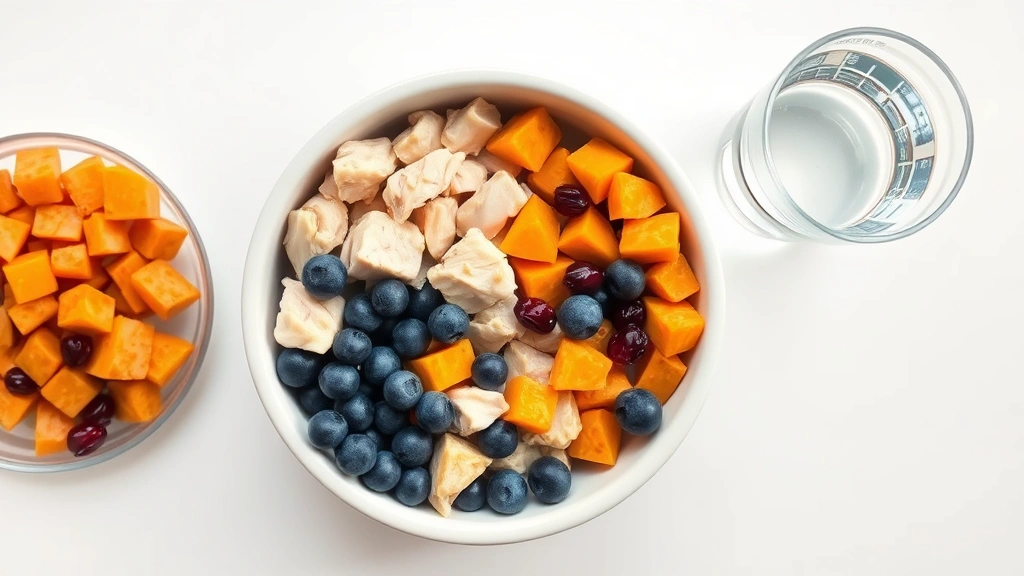
Lean, easily digestible protein is crucial during UTI recovery. Plain boiled chicken (no skin, no seasoning) provides high-quality protein without excess minerals that could complicate urine chemistry. It’s gentle on the stomach and highly palatable for dogs who may have lost their appetite due to discomfort.
2. Pumpkin (Pure, Not Pie Filling)
Pure pumpkin is a UTI-fighting superstar. It contains compounds that may help prevent bacteria from adhering to bladder walls, plus it supports digestive health and hydration. A tablespoon or two mixed into meals can make a real difference. Always use unsweetened, canned pumpkin—not pie filling.
3. Sweet Potatoes
Rich in antioxidants and vitamins, cooked sweet potatoes support immune function and reduce inflammation in the urinary tract. They’re also lower in minerals like magnesium and phosphorus, which is important for UTI-prone dogs. Serve them plain and cooked, never raw.
4. Cranberries (Fresh or Frozen)
Cranberries contain proanthocyanidins, compounds that may prevent bacterial adhesion in the urinary tract. Fresh or frozen cranberries can be added to meals in small amounts. However, avoid cranberry juice or supplements with added sugars, which can actually worsen UTIs.
5. Blueberries
Like cranberries, blueberries are packed with antioxidants that support immune health and reduce inflammation. They’re also a dog-safe treat that most pups enjoy. A small handful a few times per week provides benefits without excess sugar.
6. Fish and Fish Oil
Omega-3 fatty acids from fish reduce inflammation throughout the body, including in the urinary tract. Cooked salmon or sardines (without bones or seasoning) are excellent additions to meals. Fish oil supplements may also be recommended by your vet—this is one area where a telehealth consultation can clarify the right dosage for your dog’s size.
7. Plain Cooked Rice or Barley
These gentle grains are easy to digest and help bulk up meals without adding inflammatory ingredients. They’re particularly useful if your dog’s digestion is upset from antibiotics. White rice is easier on the system than brown rice during acute infection recovery.
Hydration: The Most Underrated UTI Prevention Tool
Here’s something many pet owners overlook: water intake is absolutely critical for urinary health. Dilute urine is harder for bacteria to colonize, and frequent urination naturally flushes out pathogens.
Encourage drinking by:
- Offering fresh water multiple times daily
- Adding low-sodium broth to kibble
- Using a water fountain (many dogs drink more from moving water)
- Feeding wet food or adding water to dry kibble
If your dog isn’t drinking enough, a quick telehealth check-in with The Pet Vet can help you troubleshoot. Sometimes increased thirst or decreased thirst signals an underlying issue worth investigating.
Foods to Avoid During UTI Recovery
Just as important as knowing what to feed is knowing what to eliminate. Certain foods can worsen urinary tract inflammation or create an environment where bacteria thrive.
Steer clear of:
- High-mineral foods: Excess magnesium and phosphorus can alter urine pH and promote crystal formation
- Corn and wheat: These grains are inflammatory and may trigger immune responses in sensitive dogs
- Chicken by-products: Low-quality protein sources don’t support healing as effectively
- Artificial preservatives and dyes: These can irritate the bladder lining
- High-sodium foods: Salt increases mineral concentration in urine
- Spicy or seasoned foods: These irritate the bladder and urinary tract
For a deeper dive into problematic ingredients, our guide on foods to avoid for digestive issues covers many overlapping concerns with UTI-prone dogs.
Creating a UTI-Friendly Feeding Schedule
Timing and portion control matter just as much as ingredient selection. A structured feeding schedule supports bladder health and makes it easier to monitor your dog’s urination patterns.
Consider this approach:
- Feed smaller, more frequent meals: 3-4 meals per day instead of one or two large meals helps maintain stable digestion and urine pH
- Offer water after meals: This encourages hydration and frequent urination, which flushes the urinary tract
- Avoid feeding right before bedtime: This reduces nighttime accidents and allows your dog to empty their bladder before sleep
- Monitor portion sizes: Overfeeding can stress the urinary system; work with your vet on appropriate amounts
- Keep mealtimes consistent: Predictable feeding times help you anticipate bathroom breaks
If you’re unsure about the right feeding schedule for your dog’s specific situation, our guide on rotating proteins offers additional structure you can adapt.
Prescription Diets vs. Home-Prepared Meals
Your veterinarian may recommend a prescription urinary diet formulated specifically to support UTI recovery. These diets are designed to maintain optimal urine pH and mineral balance. They’re often the best choice during active infection treatment.
That said, home-prepared meals using the foods listed above can be excellent for long-term prevention and maintenance once the infection clears. The key is working with your vet to ensure nutritional balance. If you’re considering a home-prepared diet, a telehealth consultation can help you verify it meets all your dog’s nutritional needs.
Some dogs do best on a combination: prescription diet during treatment, then transitioning to a balanced home-prepared or high-quality commercial diet for prevention.
Supplements That Support Urinary Health
Beyond whole foods, certain supplements have strong veterinary backing for UTI prevention and recovery.
Probiotics: Beneficial bacteria support immune function and can help prevent pathogenic bacteria from establishing in the urinary tract. Look for canine-specific formulations.
Vitamin C: This supports immune function and may help acidify urine, creating an environment less favorable for bacteria. However, too much can worsen certain types of crystals, so dosage matters—ask your vet about appropriate amounts.
D-Mannose: This natural sugar may prevent bacteria from adhering to bladder walls. It’s emerging as a promising preventive supplement, though more research in dogs is ongoing.
Antioxidant blends: Supplements containing vitamins E and A support immune response and reduce inflammation.
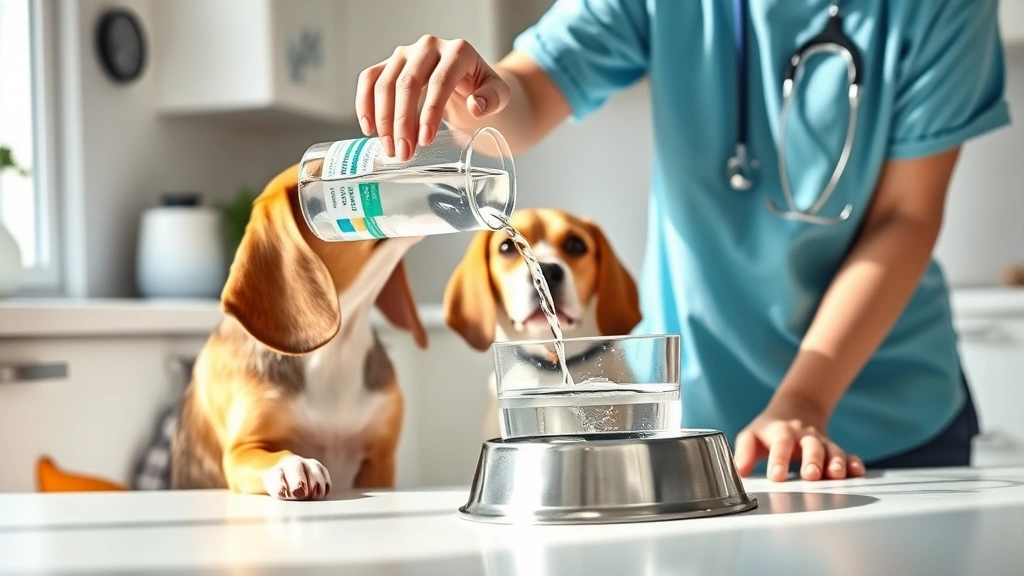
Always discuss supplements with your veterinarian before starting them. Some interact with medications, and dosages matter for safety and effectiveness.
When to Seek Veterinary Care
Diet is a powerful supportive tool, but it’s never a replacement for professional diagnosis and treatment. If your dog shows signs of a UTI, contact your vet right away. Untreated infections can progress to kidney involvement, which is far more serious.
Seek immediate care if you notice:
- Blood in urine
- Inability to urinate or complete inability to pass urine
- Fever or lethargy
- Vomiting alongside urinary symptoms
- Severe pain or crying during urination
If you’re unsure whether your pet needs urgent care, a quick telehealth check-in can give you peace of mind—no appointment needed. The Pet Vet’s telehealth service lets you describe symptoms to a licensed veterinarian from home, which can help you decide whether in-person evaluation is necessary.
Long-Term Prevention: Making Diet Your First Line of Defense
Once your dog recovers from a UTI, maintaining the right diet is your best defense against recurrence. Many dogs experience repeat infections, but strategic nutrition can significantly lower that risk.
A dog urinary tract infection best diet isn’t just about treating the problem—it’s about preventing it from happening again. By keeping your dog hydrated, feeding immune-supporting foods, and avoiding inflammatory ingredients, you’re actively protecting their urinary health every single day.
Consider keeping a simple log of what you feed your dog and any urinary symptoms you notice. Patterns often emerge that can guide future dietary adjustments. If your dog has recurrent UTIs despite dietary changes, your vet may recommend additional testing to rule out underlying issues like interstitial cystitis or other urinary conditions.
Summary: Your Action Plan for Supporting UTI Recovery Through Diet
A dog urinary tract infection best diet combines lean proteins, hydration support, anti-inflammatory foods, and immune-boosting ingredients. The seven foods we’ve discussed—boiled chicken, pumpkin, sweet potatoes, cranberries, blueberries, fish, and plain grains—form the foundation of a healing diet.
Beyond food selection, remember that hydration, portion control, feeding schedule, and consistency matter just as much as the ingredients themselves. Work closely with your veterinarian to create a plan that addresses your individual dog’s needs, medical history, and any underlying health conditions.
Your dedication to getting your dog’s nutrition right is already a huge step toward healing and prevention. Combined with veterinary treatment and care, the right diet can make a meaningful difference in your dog’s comfort and long-term urinary health.
Frequently Asked Questions
Can diet alone treat a dog’s urinary tract infection?
No. While diet is crucial for supporting recovery and preventing recurrence, antibiotics prescribed by your vet are necessary to eliminate the bacterial infection. Diet works alongside medical treatment, not instead of it.
How long should I feed my dog a UTI-supportive diet?
During active infection (typically 7-14 days of antibiotic treatment), maintain the supportive diet throughout. After recovery, continue for at least 2-4 weeks, then transition back to regular feeding while maintaining hydration and avoiding inflammatory foods long-term to prevent recurrence.
Is wet food or dry food better for a dog with a UTI?
Wet food is generally preferable during UTI recovery because it increases overall water intake and helps keep urine dilute. If you use dry kibble, add water or low-sodium broth to increase hydration.
Can I give my dog cranberry supplements instead of fresh cranberries?
Fresh or frozen cranberries are preferable because supplements often contain added sugars that can worsen UTIs. If using supplements, choose ones specifically formulated for dogs and discuss dosage with your vet.
What if my dog won’t eat the recommended foods?
Start by introducing new foods gradually mixed with foods your dog already enjoys. If your dog refuses multiple options or shows loss of appetite, contact your vet—this could signal a more serious issue requiring professional evaluation.
What To Do Now
- Schedule a veterinary appointment: If your dog shows UTI symptoms (straining, frequent urination, accidents indoors), contact your vet today for diagnosis and antibiotic prescription if needed.
- Stock your pantry with UTI-friendly foods: Purchase plain boiled chicken, pure pumpkin, sweet potatoes, and fresh or frozen cranberries and blueberries to have on hand for meal preparation.
- Increase your dog’s water intake: Set up multiple water bowls, consider a water fountain, and add low-sodium broth to meals to encourage drinking throughout the day.
- Eliminate inflammatory foods: Review your dog’s current diet and remove corn, wheat, artificial preservatives, and high-sodium ingredients that could worsen urinary inflammation.
- Book a telehealth consultation: If you have questions about supplements, feeding schedules, or whether your dog needs urgent care, connect with The Pet Vet for professional guidance without leaving home.