
If your dog has been diagnosed with a thyroid disorder, you’re probably feeling overwhelmed and wondering what you can actually do at home to help. Dog thyroid disorder home treatment doesn’t mean replacing veterinary care, but rather supporting your pup’s health alongside professional guidance. The good news? There are several evidence-based strategies that can make a real difference in managing your dog’s thyroid condition and improving their quality of life.
Table of Contents
- Understanding Canine Thyroid Disease
- Solution 1: Maintain Consistent Medication Timing
- Solution 2: Optimize Your Dog’s Diet for Thyroid Health
- Solution 3: Support with Targeted Supplements (With Vet Approval)
- Solution 4: Increase Gentle Exercise and Activity
- Solution 5: Monitor Weight and Body Condition Closely
- Solution 6: Reduce Environmental and Emotional Stress
- Solution 7: Keep Detailed Health Records and Communicate with Your Vet
- What to Watch For: Red Flags That Need Immediate Attention
- How Long Until You See Improvement?
- Related Health Conditions to Monitor
- Frequently Asked Questions
- What To Do Now
- Final Thoughts: You’ve Got This
This article is for informational purposes only and is not a substitute for professional veterinary advice. Always consult a licensed veterinarian for diagnosis and treatment.
Understanding Canine Thyroid Disease
Your dog’s thyroid is a small gland that produces hormones regulating metabolism, energy, and body temperature. When this gland malfunctions, it can lead to hypothyroidism (underactive thyroid) or hyperthyroidism (overactive thyroid), though hypothyroidism is far more common in dogs.
Most dogs with thyroid issues show signs like weight gain despite normal eating, lethargy, hair loss, or a dull coat. Catching this early puts you in a great position to help your dog feel their best again. Your veterinarian will use blood tests to confirm a diagnosis and determine the right approach for your individual pup.
Solution 1: Maintain Consistent Medication Timing
If your vet has prescribed thyroid medication, consistency is everything. Give medication at the same time each day, ideally on an empty stomach or as directed by your veterinarian, since food and supplements can interfere with absorption.
Set a phone reminder so you never miss a dose. Even small lapses in medication can cause your dog’s symptoms to return and make it harder to stabilize their condition. Think of it like setting your dog up for success—the routine itself becomes part of the healing process.
Solution 2: Optimize Your Dog’s Diet for Thyroid Health
Nutrition plays a supporting role in managing thyroid function. Feed a high-quality, balanced diet rich in protein, as this supports healthy metabolism and muscle maintenance—both often affected by thyroid disorders.
Some dogs benefit from diets with appropriate iodine levels, though this varies by individual case. Avoid sudden diet changes; if you want to switch foods, do it gradually over 7-10 days. You might also explore whether your current food contains any ingredients that could interfere with thyroid medication absorption. Consult your vet about whether a specialized diet approach could complement your dog’s treatment plan.
Solution 3: Support with Targeted Supplements (With Vet Approval)
Certain supplements may support thyroid health, but always check with your veterinarian before adding anything new. Some dogs respond well to omega-3 fatty acids, which reduce inflammation and support coat and skin health—areas often affected by thyroid imbalance.
Supplements like L-tyrosine or kelp are sometimes discussed for thyroid support, but they require professional guidance to ensure they won’t interfere with medication. Your vet can recommend what’s appropriate for your dog’s specific situation and any underlying health conditions they may have.
Solution 4: Increase Gentle Exercise and Activity
Dogs with thyroid disorders often feel sluggish and gain weight easily. Gentle, consistent exercise helps boost metabolism and maintain muscle mass without overwhelming a tired pup.
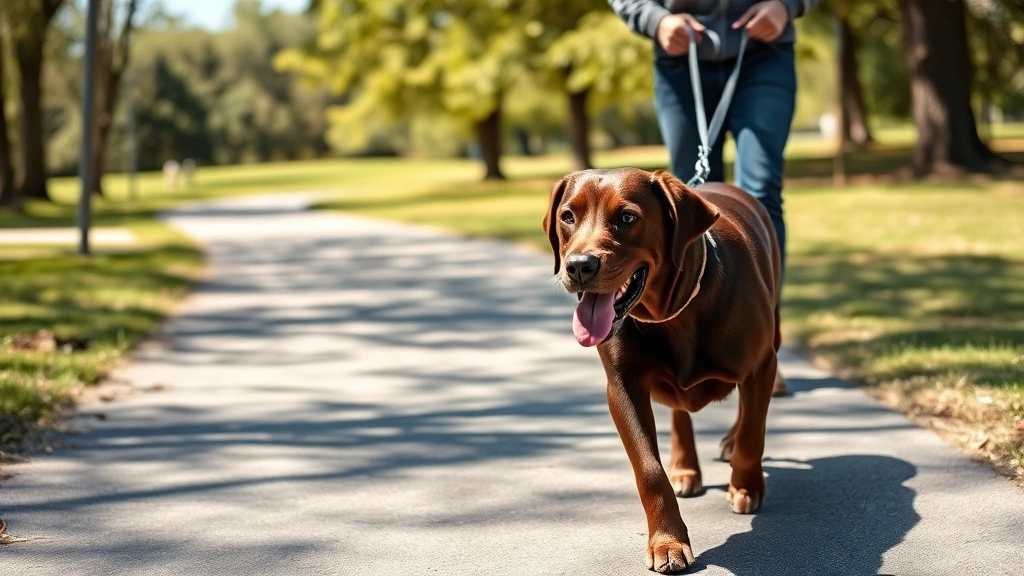
Start with short walks—even 10-15 minutes twice daily can make a difference. As your dog’s energy improves with treatment, you can gradually increase activity. Exercise also improves mood and sleep quality, which many thyroid-affected dogs desperately need. The key is patience; don’t expect marathon walks right away.
Solution 5: Monitor Weight and Body Condition Closely
Thyroid disorders often cause unexpected weight gain. Weigh your dog regularly (weekly or bi-weekly) and keep a simple log to track progress. This helps you and your vet see whether treatment is working or if adjustments are needed.
Body condition scoring—assessing whether your dog looks and feels too thin, ideal, or overweight—is just as important as the number on the scale. Your vet can show you how to do this at home. Catching weight changes early means you can adjust diet or exercise before problems compound.
Solution 6: Reduce Environmental and Emotional Stress
Stress can worsen thyroid symptoms and slow healing. Create a calm home environment with a comfortable resting space away from household chaos. Dogs with thyroid issues often need more downtime than usual.
Minimize sudden changes, loud noises, or stressful situations when possible. Some dogs benefit from calming supplements or anxiety-reducing practices like gentle massage or quiet time together. A relaxed dog is better positioned to respond to treatment.
Solution 7: Keep Detailed Health Records and Communicate with Your Vet
Document your dog’s symptoms, medication schedule, diet changes, and any behavioral shifts. Bring this record to vet appointments—it provides invaluable context for your veterinarian to adjust treatment if needed.
Schedule regular check-ups and blood work as recommended. Most dogs need thyroid levels rechecked every 6-12 weeks initially, then annually once stable. This proactive approach ensures your dog’s medication dose remains optimal.
What to Watch For: Red Flags That Need Immediate Attention
While home management is helpful, some symptoms require urgent veterinary care. Contact your vet immediately if your dog shows signs of extreme lethargy, difficulty breathing, collapse, or sudden behavioral changes.
- Severe weakness or inability to stand
- Loss of appetite lasting more than a day
- Vomiting or diarrhea
- Unexplained aggression or confusion
- Difficulty swallowing
If you’re unsure whether your dog needs urgent care, a quick telehealth check-in can give you peace of mind—no appointment needed. Early intervention prevents complications.
How Long Until You See Improvement?
Most dogs show improvement within 2-4 weeks of starting medication, though full stabilization can take 6-12 weeks. Energy levels often improve first, followed by coat quality and weight stabilization.

Don’t get discouraged if progress seems slow. Thyroid disorders are chronic conditions requiring patience and consistency. Your dedication to home management significantly speeds up your dog’s recovery and long-term quality of life.
Related Health Conditions to Monitor
Dogs with thyroid disorders sometimes develop other health issues. Some may experience kidney disease symptoms or metabolic changes that require monitoring. Additionally, older dogs with thyroid problems may experience changes in sleep patterns that improve with proper treatment.
If your dog has diabetes alongside thyroid disease, diet management becomes even more critical. Your vet can help coordinate care for multiple conditions.
Frequently Asked Questions
Can thyroid disorder in dogs be cured?
Most cases of hypothyroidism (the most common type) are managed long-term with medication rather than cured. With proper treatment, dogs live normal, healthy lives.
Is home treatment enough without medication?
No. While home management supports treatment, medication prescribed by your vet is essential for managing thyroid hormone levels. Diet and lifestyle changes work alongside medication, not instead of it.
How often should my dog’s thyroid levels be checked?
Initial check-ups are typically every 6-8 weeks until levels stabilize, then annually or as recommended by your vet. Regular monitoring ensures your dog’s medication dose remains appropriate.
Can diet alone help a dog’s thyroid disorder?
Diet supports overall health and can help with weight management, but it cannot replace medication. A balanced diet is a helpful complement to veterinary treatment.
What’s the life expectancy for a dog with thyroid disorder?
With proper treatment and management, dogs with thyroid disorders have a normal life expectancy. Many live happily for years after diagnosis.
What To Do Now
- Schedule a veterinary appointment if you haven’t already confirmed your dog’s diagnosis with blood work and professional evaluation.
- Set up a medication reminder on your phone to ensure consistent, on-time dosing every single day.
- Start a simple health log tracking your dog’s weight, energy level, appetite, and coat condition weekly to monitor progress.
- Review your dog’s current diet with your vet to ensure it supports thyroid health and doesn’t interfere with medication absorption.
- Plan a gentle exercise routine starting with short daily walks, gradually increasing as your dog’s energy improves with treatment.
Final Thoughts: You’ve Got This
Managing your dog’s thyroid disorder at home is absolutely doable when you understand the fundamentals: consistent medication, supportive nutrition, gentle movement, and regular vet communication. Your dog is lucky to have an owner who cares enough to learn and take action.
Remember, thyroid disorders are highly manageable. Thousands of dogs live vibrant, happy lives with proper treatment and home support. Stay patient, stay consistent, and celebrate the small improvements—they add up quickly. Your veterinarian is your partner in this journey, so don’t hesitate to ask questions or request adjustments if something isn’t working.
This article is for general education and is not a substitute for care from your own veterinarian. Learn about The Pet Vet and our editorial policy.