
If your dog seems sluggish, is gaining weight despite eating less, or has suddenly developed dry skin and a dull coat, you may be dealing with a dog thyroid disorder when to see a vet becomes an urgent question. Thyroid problems are surprisingly common in dogs, yet many pet owners don’t recognize the symptoms until the condition has progressed significantly.
Table of Contents
- Understanding Canine Thyroid Disorders
- Sign #1: Unexplained Weight Gain and Lethargy
- Sign #2: Skin and Coat Changes
- Sign #3: Cold Intolerance and Behavioral Changes
- Sign #4: Facial Swelling and Voice Changes
- Sign #5: Gastrointestinal Issues and Constipation
- Sign #6: Weakness, Muscle Loss, and Slowed Metabolism
- Sign #7: Elevated Cholesterol and Secondary Health Issues
- When to See a Vet: The Timeline
- What Your Vet Will Do: Diagnosis and Testing
- Managing Your Dog’s Thyroid Health Long-Term
- Frequently Asked Questions
- What To Do Now
- Summary: Taking Action on Thyroid Health
This article is for informational purposes only and is not a substitute for professional veterinary advice. Always consult a licensed veterinarian for diagnosis and treatment.
The thyroid gland plays a critical role in regulating your dog’s metabolism, energy levels, and overall health. When something goes wrong, it affects nearly every system in their body. The good news? Catching thyroid issues early puts you in a great position to help your dog feel better quickly.
Let’s explore the warning signs that mean it’s time to contact your vet and what you should expect during an evaluation.
Understanding Canine Thyroid Disorders
The most common thyroid condition in dogs is hypothyroidism, where the thyroid gland doesn’t produce enough thyroid hormone. This slows your dog’s metabolism and can affect their mood, energy, and physical appearance. Hyperthyroidism, while less common in dogs than in cats, can also occur and causes the opposite effect—an overactive metabolism.
Both conditions are manageable with proper veterinary care, but they require accurate diagnosis and ongoing monitoring. Understanding the difference between normal aging and thyroid dysfunction is essential for responsible pet ownership.
Sign #1: Unexplained Weight Gain and Lethargy
One of the earliest and most noticeable signs of a thyroid disorder is weight gain without a change in diet. Your dog may eat the same amount but gradually pack on pounds. This happens because a sluggish thyroid slows metabolism to a crawl.
Paired with weight gain, you’ll often notice your pup seems less interested in walks, playtime, or activities they once loved. This lethargy can feel like your dog is simply aging, but it’s worth investigating. Catching this early puts you in a great position to help.
Action: If your dog has gained 10% or more of their body weight in the past few months without dietary changes, schedule a vet visit.
Sign #2: Skin and Coat Changes
A healthy coat reflects a healthy dog. When the thyroid isn’t functioning properly, you’ll often see dry, brittle hair that sheds excessively. The skin underneath may become flaky, thickened, or develop a musty odor.
Some dogs develop hair loss in patches, particularly along the back and sides. Others experience recurring skin infections because thyroid dysfunction weakens immune function. These changes develop gradually, so compare photos of your dog from six months ago to spot the difference.
What to watch for:
- Excessive shedding year-round
- Dull, dry, or brittle coat
- Unexplained hair loss or bald patches
- Flaky or thickened skin
- Recurring skin infections
Sign #3: Cold Intolerance and Behavioral Changes
Dogs with hypothyroidism often struggle to regulate body temperature. You might notice your dog seeking warmth constantly—curling up by the fireplace, preferring blankets, or reluctant to go outside in cooler weather. This is different from normal seasonal behavior.
Beyond cold sensitivity, thyroid disorders can trigger mood changes. Your once-friendly dog might become withdrawn, anxious, or even aggressive. Some dogs develop depression-like symptoms. These behavioral shifts often go unrecognized as medical issues, but they’re real warning signs.
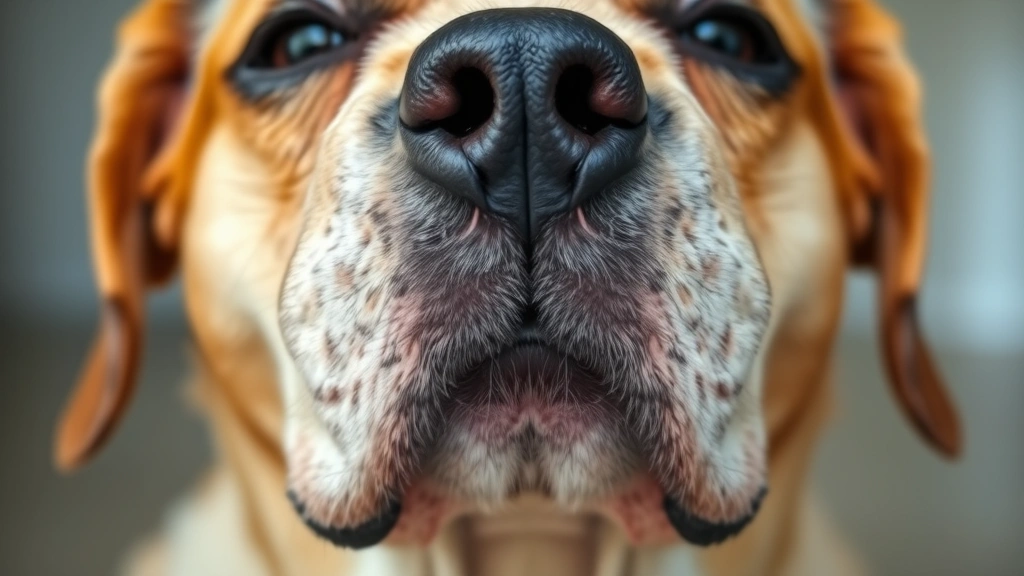
Red flags: Sudden personality changes warrant a vet visit, especially if combined with other physical symptoms.
Sign #4: Facial Swelling and Voice Changes
In some cases, thyroid problems cause visible swelling in the face, particularly around the eyes and muzzle. The face may appear puffy or bloated, even if the rest of the body hasn’t changed dramatically.
Additionally, some dogs develop a hoarse bark or voice changes. This happens because thyroid inflammation or enlargement can affect the larynx. While not every dog with a thyroid disorder experiences facial swelling, when it occurs, it’s a strong signal to seek veterinary care promptly.
Sign #5: Gastrointestinal Issues and Constipation
Thyroid hormones regulate digestive function. When levels drop, your dog may experience constipation, reduced appetite, or difficulty maintaining healthy digestion. Some dogs show the opposite—loose stools or increased bowel movements.
If your dog has always had a sensitive stomach but suddenly develops new digestive issues, or if constipation becomes a recurring problem, thyroid dysfunction could be the underlying cause. This is especially true in senior dogs experiencing gastrointestinal issues.
Sign #6: Weakness, Muscle Loss, and Slowed Metabolism
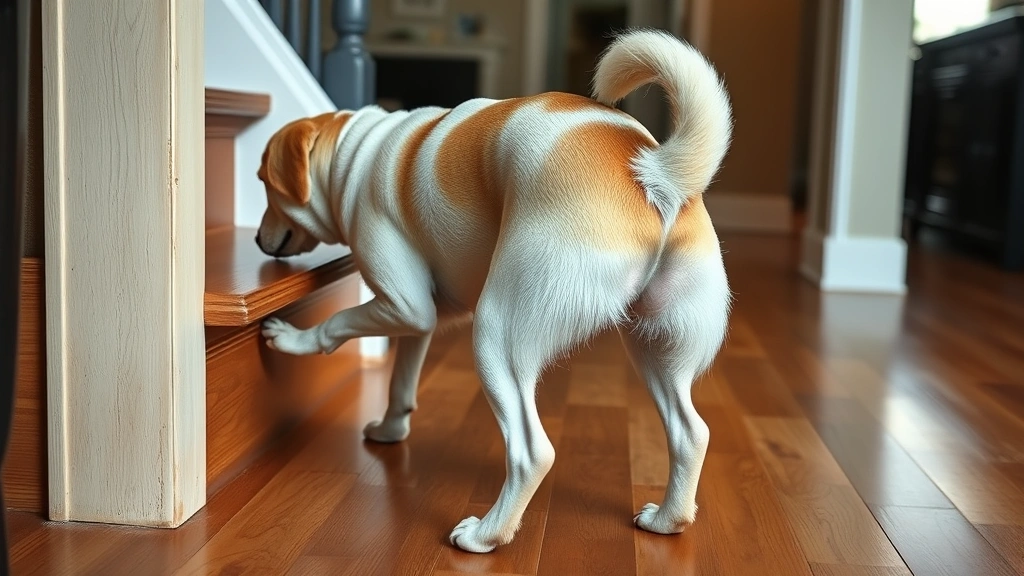
As thyroid hormone levels drop, your dog loses muscle tone and strength. Climbing stairs becomes harder. Jumping on the couch feels impossible. Your dog may struggle to stand after lying down or seem stiff, especially after rest.
This muscle loss combined with weight gain creates a concerning pattern: your dog looks heavier but feels weaker. It’s a frustrating paradox for pet owners, but it’s a classic sign of thyroid dysfunction. Addressing this early prevents further decline in quality of life.
Sign #7: Elevated Cholesterol and Secondary Health Issues
While you can’t see elevated cholesterol, your vet can detect it through bloodwork. Thyroid disorders often cause cholesterol levels to rise, which increases the risk of heart disease and other metabolic complications. This is why thyroid screening is so important—it prevents a cascade of secondary health problems.
Some dogs with untreated thyroid disorders develop heart disease or other cardiovascular issues. Others may struggle with diabetes or metabolic disorders. Early intervention stops these complications before they start.
When to See a Vet: The Timeline
Not all thyroid symptoms require emergency care, but they do require timely attention. Here’s a practical timeline:
Schedule an appointment within 1-2 weeks if:
- Your dog has gained weight without dietary changes
- You’ve noticed gradual coat deterioration
- Your dog seems unusually lethargic or withdrawn
- Skin or coat issues are developing
Schedule an appointment within a few days if:
- Your dog has significant facial swelling
- You notice voice changes combined with other symptoms
- Your dog is showing severe weakness or difficulty moving
- Multiple symptoms are present simultaneously
If you’re unsure whether your dog needs urgent care, a quick telehealth check-in can give you peace of mind—no appointment needed. The Pet Vet offers convenient consultations to help you determine next steps.
What Your Vet Will Do: Diagnosis and Testing
During your visit, your vet will perform a physical exam and discuss your dog’s symptoms and medical history. The key to diagnosing thyroid disorders is bloodwork—specifically, a thyroid panel that measures TSH and free T4 levels.
This simple blood test is highly accurate and provides definitive answers. Your vet may also recommend additional tests to rule out other conditions or assess overall health. Once diagnosed, thyroid disorders are straightforward to manage with appropriate treatment and monitoring.
Managing Your Dog’s Thyroid Health Long-Term
If your dog is diagnosed with a thyroid disorder, treatment typically involves medication and regular monitoring. Your vet will recommend follow-up bloodwork to ensure the treatment plan is working effectively.
Beyond medication, supporting your dog’s overall health through proper nutrition is crucial. Some pet owners explore natural remedies for thyroid support, but always discuss these with your vet first. Maintaining a healthy weight and consistent exercise routine also supports thyroid function.
Frequently Asked Questions
Can thyroid disorders in dogs be cured?
Most thyroid disorders in dogs, particularly hypothyroidism, are managed rather than cured. However, with proper treatment and monitoring, dogs live normal, happy lives. Regular medication and bloodwork keep the condition stable.
How much does thyroid testing cost?
A thyroid panel typically costs between $100-300, depending on your veterinary clinic and location. This is a small investment compared to treating complications from untreated thyroid disease.
Is thyroid disease hereditary in dogs?
Yes, some breeds are predisposed to thyroid disorders, including Golden Retrievers, Dobermans, and Cocker Spaniels. If your dog is from a predisposed breed, discuss screening with your vet during regular check-ups.
Can diet affect thyroid function in dogs?
Diet plays a supporting role. While proper nutrition can’t cure thyroid disorders, it supports overall health and medication effectiveness. Your vet may recommend specific diets based on your dog’s individual needs.
How often should my dog be screened for thyroid disease?
Senior dogs (over 7 years old) should have thyroid screening annually as part of routine bloodwork. Younger dogs may be screened if symptoms develop or if they’re from a predisposed breed.
What To Do Now
If you’ve noticed any of these signs in your dog, take action today:
- Schedule a veterinary appointment within 1-2 weeks, or sooner if multiple symptoms are present. Bring a list of symptoms and when you first noticed them.
- Document changes in your dog’s weight, energy level, coat condition, and behavior. Take photos to show your vet. Note any dietary or lifestyle changes over the past few months.
- Request a thyroid panel during your visit. Ask your vet about baseline thyroid screening, especially if your dog is a senior or from a breed predisposed to thyroid disease.
- Ask about monitoring plans and follow-up appointments. Understand what to expect if thyroid disease is diagnosed, including treatment options and long-term management.
- Consider telehealth for peace of mind if you’re unsure whether your symptoms warrant an in-person visit. A quick consultation can help you decide on next steps without waiting for an appointment.
Summary: Taking Action on Thyroid Health
Thyroid disorders in dogs are common, manageable, and often overlooked. Recognizing the seven critical signs—weight gain, coat changes, cold intolerance, facial swelling, voice changes, digestive issues, and weakness—empowers you to seek help early. Early diagnosis and treatment mean your dog can return to a normal, active life.
Your dog depends on you to notice when something feels off. Trust your instincts. If you’re seeing changes in your dog’s energy, appearance, or behavior, a vet visit is the right call. Thyroid disease is eminently treatable, and catching it early makes all the difference in your dog’s long-term health and happiness.
Don’t wait. Schedule that appointment today, and give your dog the care they deserve.
This article is for general education and is not a substitute for care from your own veterinarian. Learn about The Pet Vet and our editorial policy.