
Yes, you can talk to a vet about dog panting online, and it’s often the fastest way to get answers when your furry friend is breathing heavily and you’re not sure what’s happening. Many pet owners worry when they notice their dog panting more than usual, especially if it seems unusual for the situation or time of day.
Table of Contents
- Why Your Dog Might Be Panting More Than Usual
- Common Reasons for Excessive Dog Panting
- When Should You Contact a Vet About Dog Panting?
- How Telehealth Vet Visits Work for Panting Concerns
- Advantages of Discussing Dog Panting Online
- What Information to Have Ready for Your Online Vet Consultation
- Red Flags That Require Emergency Care Instead of Telehealth
- What Your Vet Might Recommend After Your Online Consultation
- Tips for Helping Your Panting Dog at Home
- How to Choose a Telehealth Vet Service for Your Dog
- Related Concerns: Puppy and Senior Dog Panting
- When to Escalate to In-Person Care
- Frequently Asked Questions
- Summary: Taking Action for Your Dog’s Panting
- What To Do Now
This article is for informational purposes only and is not a substitute for professional veterinary advice. Always consult a licensed veterinarian for diagnosis and treatment.
Why Your Dog Might Be Panting More Than Usual
Dog panting is completely normal in many situations. Your pup pants to cool down after exercise, during warm weather, or when they’re excited or anxious. However, excessive panting or panting that seems out of place can sometimes signal that something needs attention.
There are dozens of reasons why your dog might be panting more than usual. Some are harmless and temporary, while others warrant a closer look from a veterinary professional. The key is understanding the context and knowing when online veterinary guidance can help you decide next steps.
Common Reasons for Excessive Dog Panting
Before you panic, know that most cases of unusual panting have straightforward explanations. Here are some common culprits:
- Heat or overheating: Dogs regulate body temperature through panting, especially in warm weather or after physical activity.
- Anxiety or stress: Changes in the home, loud noises, or separation from you can trigger nervous panting.
- Pain or discomfort: Sometimes panting indicates your dog is experiencing pain they can’t vocalize.
- Respiratory issues: Infections, allergies, or other breathing problems may cause increased panting.
- Heart conditions: In some cases, panting can be a sign of cardiovascular strain.
- Medication side effects: Certain medications can increase respiratory rate.
- Age-related changes: Senior dogs may pant more frequently due to metabolic changes.
Catching this early puts you in a great position to help your dog feel better quickly.
When Should You Contact a Vet About Dog Panting?
Not every instance of panting requires immediate veterinary attention, but some signs suggest you should reach out sooner rather than later. If your dog’s panting is accompanied by other symptoms, a professional should evaluate them.
Consider contacting a vet if you notice:
- Panting that doesn’t slow down after rest and cooling off
- Difficulty breathing or wheezing sounds
- Lethargy or unusual behavior alongside the panting
- Excessive drooling or difficulty swallowing
- Pale or blue-tinged gums
- Collapse or fainting episodes
- Fever or signs of illness
If any of these are present, don’t wait—reach out to your vet right away.
How Telehealth Vet Visits Work for Panting Concerns
Online veterinary consultations have made it easier than ever to get professional insight about your dog’s health from the comfort of your home. Here’s what the process typically looks like when you talk to a vet about dog panting online.
Most telehealth platforms, including The Pet Vet, allow you to schedule a video call with a licensed veterinarian within minutes or hours. During the call, the vet will ask detailed questions about your dog’s panting—when it started, how often it happens, what your dog is doing when they pant, and any other symptoms you’ve noticed.
The vet may ask you to show them your dog on camera, observe their breathing, and describe your dog’s overall behavior and appetite. Based on this information, the veterinarian can provide guidance on whether your dog needs an in-person examination, recommend at-home care, or suggest monitoring for specific changes.
Advantages of Discussing Dog Panting Online
There are real benefits to starting with a telehealth consultation when your dog is panting excessively. You get professional veterinary input without the stress of travel, waiting room time, or exposure to other sick animals.
Online vet visits are also faster. If you are unsure whether your pet needs urgent care, a quick telehealth check-in can give you peace of mind — no appointment needed. Many telehealth services offer same-day availability, which means you don’t have to spend hours worrying while waiting for an appointment slot.
Additionally, telehealth visits tend to be more affordable than traditional in-person appointments, making it easier to seek professional advice when you have early concerns. You’ll have a record of the consultation and any recommendations, which is helpful if you need to follow up with your regular vet.
What Information to Have Ready for Your Online Vet Consultation
To make the most of your telehealth visit, gather some key information before you connect with the veterinarian. This helps the vet assess your dog’s panting more thoroughly.
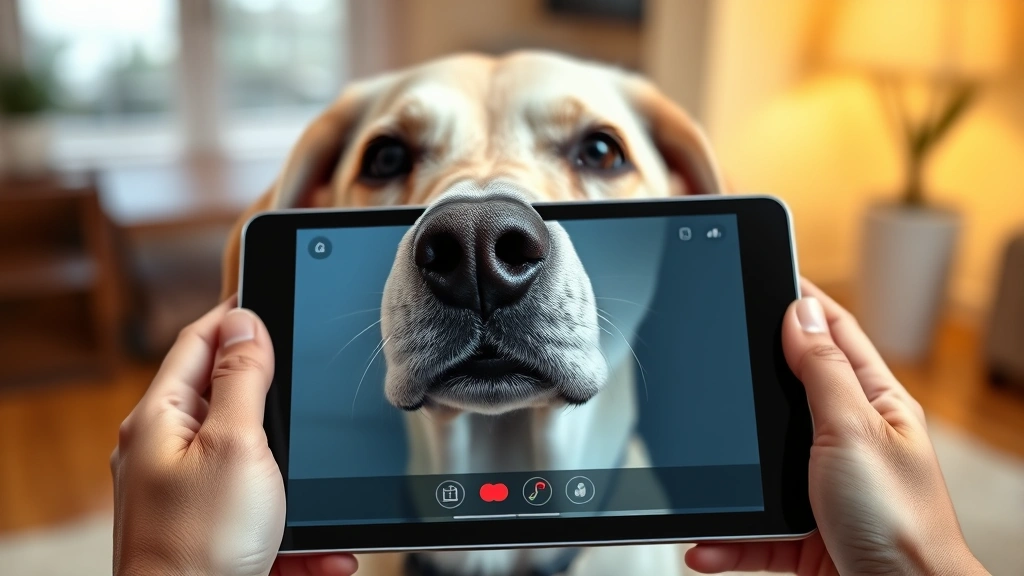
Have these details ready:
- Timeline: When did the panting start? Was it sudden or gradual?
- Frequency: How often is your dog panting? All day, intermittently, or only at certain times?
- Context: What is your dog doing when they pant? Resting, playing, eating, or sleeping?
- Other symptoms: Any coughing, sneezing, vomiting, diarrhea, lethargy, or behavior changes?
- Recent events: Has anything changed at home? New pets, moving, loud noises, or stressful situations?
- Medical history: Any previous respiratory issues, heart conditions, or ongoing medications?
- Temperature: If possible, take your dog’s temperature and have it ready (normal is around 101-102.5°F).
Red Flags That Require Emergency Care Instead of Telehealth
While telehealth is wonderful for many situations, some symptoms mean your dog needs emergency in-person care right away. Don’t rely on online consultation if your dog is showing these signs.
Seek emergency veterinary care immediately if your dog has:
- Severe difficulty breathing or gasping for air
- Collapse, fainting, or loss of consciousness
- Blue or pale gums
- Uncontrollable bleeding
- Suspected poisoning or ingestion of toxins
- Severe trauma or injury
- Inability to stand or move
- Signs of extreme pain or distress
In these cases, call your emergency vet clinic or animal hospital immediately rather than waiting for a telehealth appointment.
What Your Vet Might Recommend After Your Online Consultation
After discussing your dog’s panting online, your veterinarian may recommend several different paths forward depending on what they learn. Understanding these possibilities helps you prepare mentally and practically.
Your vet might suggest:
- At-home monitoring: Watch for specific changes and report back in a few days
- Environmental adjustments: Increase access to cool spaces, fresh water, or reduce stressors
- In-person examination: If panting persists or worsens, schedule a physical exam to rule out underlying issues
- Diagnostic testing: Blood work, X-rays, or other tests may be needed to identify the cause
- Follow-up telehealth visit: A second online consultation to check progress
The beauty of starting with telehealth is that you get professional guidance before committing to more expensive or time-intensive procedures.
Tips for Helping Your Panting Dog at Home
While you’re waiting for your vet consultation or following your vet’s recommendations, there are several things you can do to help your dog feel more comfortable.
Try these supportive measures:
- Provide cool spaces: Set up a shaded, well-ventilated area away from direct sunlight
- Offer fresh water: Keep water bowls filled and easily accessible throughout the home
- Avoid strenuous activity: Limit exercise and playtime during hot parts of the day
- Use cooling tools: Wet towels, cooling mats, or a fan can help regulate body temperature
- Reduce stress: Create a calm environment and avoid triggers if anxiety seems to be the cause
- Monitor closely: Keep track of when panting happens and any patterns you notice
These simple steps often help while you’re getting professional guidance.
How to Choose a Telehealth Vet Service for Your Dog
Not all online vet services are created equal. When you’re ready to talk to a vet about dog panting online, choose a platform that prioritizes quality and your dog’s safety.
Look for these qualities in a telehealth vet service:
- Licensed, board-certified veterinarians (verify credentials)
- Quick response times and flexible scheduling
- Clear pricing with no hidden fees
- Ability to connect with your regular vet for medical records
- Positive reviews from other pet owners
- Secure, HIPAA-compliant video platform
- Willingness to refer you to emergency care when needed
The Pet Vet connects you with qualified veterinarians who understand the urgency of your concerns and can provide thoughtful guidance about your dog’s respiratory health.
Related Concerns: Puppy and Senior Dog Panting
If you have a puppy, you might also wonder about puppy breathing fast online. Young dogs often pant more frequently as they explore their world and burn energy, but excessive panting in puppies still warrants attention.
Similarly, senior dogs may pant more due to age-related changes, but increased panting in older pets can also signal heart issues or other age-related conditions. If you’re concerned about your aging dog’s respiratory rate, an online vet consultation is a great starting point.

For cat owners, similar concerns apply. You can also ask a vet about kitten panting or discuss cat breathing fast online using the same telehealth approach.
When to Escalate to In-Person Care
Telehealth is an excellent first step, but sometimes your dog needs a hands-on physical examination. Your online vet will guide you on this, but it’s helpful to know the signs that suggest an in-person visit is necessary.
Consider scheduling an in-person appointment if:
- Panting continues or worsens after several days despite home care
- Your vet suspects a condition that requires physical examination or testing
- Your dog develops new or worsening symptoms
- You notice changes in your dog’s gums, heart rate, or overall condition
- Your vet recommends diagnostic testing like bloodwork or imaging
Your telehealth vet can help coordinate this transition and provide your in-person vet with notes from your online consultation.
Frequently Asked Questions
Is it safe to diagnose my dog’s panting online?
Telehealth vets cannot perform a complete physical examination, but they can assess symptoms, ask detailed questions, and determine whether your dog needs in-person care. It’s a safe first step for non-emergency concerns.
How much does an online vet consultation cost?
Telehealth vet visits typically range from $30 to $100 depending on the platform and complexity of the issue. This is usually less expensive than traditional in-person visits.
Can a telehealth vet prescribe medication for dog panting?
Yes, many licensed telehealth vets can prescribe medications if appropriate. However, they may recommend in-person examination and testing first to confirm the cause of panting.
What if my dog’s panting is caused by anxiety?
A telehealth vet can help identify anxiety-related panting and suggest behavioral strategies, environmental changes, or refer you to a veterinary behaviorist for additional support.
Can I get a follow-up consultation if my dog’s panting doesn’t improve?
Absolutely. Most telehealth services allow you to schedule follow-up visits to monitor progress and adjust recommendations based on how your dog responds.
Summary: Taking Action for Your Dog’s Panting
If you’re wondering whether you can talk to a vet about dog panting online, the answer is a resounding yes. Telehealth veterinary services offer a convenient, affordable way to get professional guidance about your dog’s respiratory health without leaving home.
Start by gathering information about when and how often your dog is panting, note any accompanying symptoms, and reach out to a licensed veterinarian through a telehealth platform. Most consultations happen quickly, and your vet will help you understand whether your dog needs monitoring at home, lifestyle adjustments, or in-person examination.
Remember that while telehealth is excellent for early concerns and peace of mind, some symptoms require emergency in-person care. Trust your instincts—if something feels seriously wrong, don’t hesitate to go to an emergency clinic.
Your dog depends on you to notice changes and take action. By seeking professional veterinary input promptly, you’re giving your pup the best chance at staying healthy and comfortable. Whether your dog’s panting turns out to be nothing serious or signals something that needs treatment, getting answers sooner rather than later is always the right move.
What To Do Now
- Observe and document: Note when your dog pants, how long it lasts, and any other symptoms present. Write down the timeline and context.
- Schedule a telehealth consultation: Contact The Pet Vet or another licensed telehealth service to book a video appointment with a veterinarian within the next 24-48 hours.
- Prepare your information: Gather your dog’s medical history, current medications, recent changes at home, and any other relevant details to share during your consultation.
- Implement comfort measures: While waiting for your appointment, ensure your dog has access to cool spaces, fresh water, and a calm environment.
- Follow your vet’s recommendations: After your consultation, follow the guidance provided—whether that’s monitoring at home, scheduling in-person care, or making environmental adjustments.
This article is for general education and is not a substitute for care from your own veterinarian. Learn about The Pet Vet and our editorial policy.