
If you’ve been wondering whether you can talk to a vet about cat behavior problems online, the answer is a resounding yes—and it might be exactly what you need right now. Many pet owners feel stuck when their cats start acting out: spraying, aggression, excessive meowing, or destructive scratching. You want help, but scheduling a traditional vet appointment feels overwhelming, especially when you’re not even sure if the problem warrants an in-person visit.
Table of Contents
- Why Online Vet Consultations Work for Cat Behavior
- Common Cat Behavior Issues You Can Discuss With an Online Vet
- How to Prepare for Your Online Vet Consultation About Cat Behavior
- Medical vs. Behavioral: Why Your Vet Asks So Many Questions
- What to Expect During Your Telehealth Behavior Consultation
- Behavioral Management Strategies Your Online Vet Might Suggest
- When You Might Need to Follow Up In-Person
- The Cost and Convenience Factor
- Building a Relationship With Your Online Vet
- Frequently Asked Questions
- What To Do Now
- Summary
This article is for informational purposes only and is not a substitute for professional veterinary advice. Always consult a licensed veterinarian for diagnosis and treatment.
Why Online Vet Consultations Work for Cat Behavior
Online veterinary consultations have transformed how pet owners access care. A licensed vet can discuss your cat’s behavior, ask detailed questions about triggers, and help you understand what’s really going on. The beauty of telehealth is that your cat gets to stay in their familiar environment—which actually helps vets see more authentic behavior patterns.

Cats are sensitive creatures, and stress from car rides or unfamiliar exam rooms can mask or worsen their actual behavior. When you talk to a vet about cat behavior problems online from home, you’re giving yourself and your vet a clearer picture of what’s happening day-to-day.
Common Cat Behavior Issues You Can Discuss With an Online Vet
Most cat behavior concerns are perfect for online consultation. Here are behaviors that vets regularly address through telehealth:

- Inappropriate elimination (urinating or defecating outside the litter box)
- Aggression toward people or other pets
- Excessive vocalization (meowing, yowling, or crying)
- Destructive scratching beyond normal behavior
- Excessive grooming or hair loss related to stress
- Hiding or extreme shyness
- Hyperactivity or restlessness
- Sudden changes in behavior
Each of these issues deserves professional attention. Catching behavioral changes early puts you in a great position to help your cat feel better and prevent the problem from escalating.
How to Prepare for Your Online Vet Consultation About Cat Behavior
Getting the most from your telehealth visit means showing up prepared. Before you connect with your vet, gather some key information:

- Timeline: When did the behavior start? Was it sudden or gradual?
- Triggers: What seems to set off the behavior? New pets, moving furniture, schedule changes?
- Frequency: How often does it happen? Is it getting worse?
- Your cat’s history: Age, medical conditions, previous medications, diet changes
- Video or photos: If possible, capture the behavior on video to show your vet
- Environment details: Number of litter boxes, scratching posts, hiding spots, other household pets
Write these details down before your appointment. You’ll feel more confident, and your vet will have the context needed to give you real solutions.
Medical vs. Behavioral: Why Your Vet Asks So Many Questions
Here’s something many cat owners don’t realize: behavior problems often have medical roots. When you talk to a vet about cat behavior problems online, they’re not just thinking about psychology—they’re ruling out pain, illness, or medical conditions that could be driving the behavior.

For example, destructive behavior in cats might actually signal anxiety, but it could also indicate arthritis, dental pain, or inflammatory bowel disease in cats. A thorough vet will ask about appetite, water intake, litter box habits, and energy levels because these clues matter. This is why online consultations work well—your vet can ask detailed questions and you can answer thoughtfully without time pressure.
What to Expect During Your Telehealth Behavior Consultation
Most online vet visits for behavior follow a similar flow. Your vet will start by reviewing your cat’s medical history and asking about the specific behavior you’re concerned about. They’ll want to know about your cat’s daily routine, diet, exercise, and social environment.
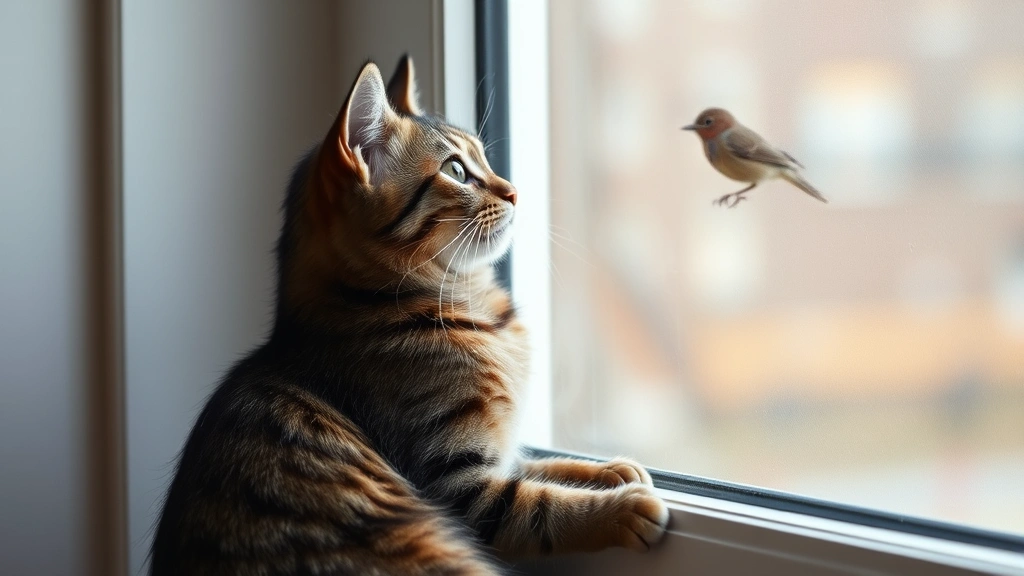
Be prepared to describe what you’re seeing in detail. Instead of saying “my cat is aggressive,” explain: “When I try to pet her on her belly, she swats and bites. It happens every time, and she seems tense before I even touch her.” Specific details help vets give better guidance.
If you are unsure whether your pet needs urgent care, a quick telehealth check-in can give you peace of mind — no appointment needed. Many vets will recommend whether your cat needs an in-person exam, bloodwork, or if behavioral management strategies are the right first step.

Behavioral Management Strategies Your Online Vet Might Suggest
When you can talk to a vet about cat behavior problems online, they often recommend management techniques before or alongside any other interventions. These strategies are evidence-based and can make a real difference:
- Environmental enrichment: More climbing spaces, window perches, interactive toys
- Litter box optimization: Extra boxes, different types, better locations
- Stress reduction: Quiet spaces, consistent routines, pheromone products like Feliway Classic cat calming diffusers
- Play therapy: Scheduled interactive play sessions to burn energy
- Gradual desensitization: If the behavior is triggered by something specific
Your vet might also discuss whether your cat would benefit from additional support, such as working with a certified cat behaviorist. The online consultation is often the first step in a comprehensive plan.

When You Might Need to Follow Up In-Person
Not every behavior issue stays online. Your vet might recommend an in-person visit if they suspect a medical condition, want to examine your cat directly, or if the behavior is severe or dangerous. That’s completely normal and actually a sign your vet is being thorough.
Some cats also need bloodwork or other diagnostics to rule out underlying health issues. Your online vet consultation is often the gateway to getting your cat the right care—whether that stays virtual or moves to a physical exam room.

The Cost and Convenience Factor
One of the biggest advantages of online consultations is accessibility. You don’t need to take time off work, arrange transportation, or deal with a stressed cat in a carrier. Many telehealth visits cost less than traditional vet appointments, and you get expert advice without the overhead of a physical clinic.
Plus, you have a record of the conversation and can refer back to notes your vet provided. If you need to try a management strategy for two weeks and then check back in, scheduling another quick call is often easier than booking another appointment.

Building a Relationship With Your Online Vet
Consistency matters in veterinary care. If you find a vet you trust through an online platform, try to see the same person for follow-ups. They’ll remember your cat’s history, what you’ve already tried, and how your cat has responded. This continuity leads to better outcomes and more personalized care.
Don’t hesitate to ask questions during your consultation. Good vets welcome follow-up questions and want you to feel confident in the guidance they’re giving you.
Frequently Asked Questions
Can an online vet diagnose behavioral problems?
Yes, an online vet can discuss symptoms, ask detailed questions, and help identify behavioral issues. However, if a medical condition might be causing the behavior, they may recommend an in-person exam or bloodwork to rule it out.
Is telehealth appropriate for aggressive cats?
Absolutely. In fact, telehealth can be ideal for aggressive cats since they stay in their familiar environment. Your vet can still gather information, assess triggers, and recommend strategies—all without stressing your cat further.

How long does an online behavior consultation usually take?
Most telehealth visits last 15-30 minutes, depending on the complexity of the issue and your vet’s approach. Some platforms offer longer sessions if you need more time.
What if my cat’s behavior is caused by a medical problem?
Your online vet will help you figure that out. If they suspect a medical issue, they’ll recommend the right next steps, which might include an in-person visit, bloodwork, or a referral to a specialist.
Can I get a second opinion about my cat’s behavior online?
Yes, many pet owners find it helpful to get a second opinion, especially for complex behavioral issues. Online platforms make this easier since you’re not limited by geography.
What To Do Now
- Document the behavior: Write down when it started, what triggers it, and how often it happens. If possible, record a short video to share with your vet.
- Schedule a telehealth consultation: Choose a platform or clinic that offers online vet visits and book an appointment. The Pet Vet and similar services make this simple.
- Prepare your questions: List everything you want to discuss, including your cat’s medical history, diet, and living situation.
- Follow your vet’s recommendations: Implement the management strategies or next steps your vet suggests, and be ready to report back on what works.
- Plan a follow-up: Most behavior issues improve with time and the right approach. Schedule a follow-up call to track progress and adjust strategies if needed.
Summary
Yes, you absolutely can talk to a vet about cat behavior problems online—and for many pet owners, it’s the perfect first step. Telehealth consultations give you access to professional guidance without the stress of a traditional vet visit, and they help your cat stay calm in a familiar environment. Whether your cat is being aggressive, destructive, or just acting out of character, an online vet can help you understand what’s happening and create a plan to help.
The key is going in prepared with details about your cat’s behavior, medical history, and environment. Your vet will ask thoughtful questions, rule out medical issues, and recommend evidence-based strategies to improve your cat’s behavior. Many behavioral issues improve quickly once you have expert guidance and a clear plan.
Don’t wait and hope the behavior goes away on its own. Reach out to a telehealth vet today and take the first step toward a happier, calmer cat.