
Yes, you can absolutely talk to a vet about cat behavior problems online, and many pet owners are discovering that telehealth consultations offer a convenient, stress-free way to address everything from litter box issues to aggression and anxiety. If your cat is acting out of character—whether that’s excessive meowing, destructive scratching, or sudden shyness—a licensed veterinarian available through video or chat can help you understand what’s really going on and create a plan to help your feline friend feel better.
Table of Contents
- Why Cat Behavior Problems Are Worth Taking Seriously
- What Cat Behavior Problems Can Be Addressed Online?
- How Online Vet Consultations Work for Behavior Issues
- When You Might Need In-Person Care Instead
- Medical vs. Behavioral Causes: What Vets Look For
- Creating a Behavior Modification Plan Together
- The Convenience Factor: Why Online Works for Behavior Consultations
- Cost and Accessibility of Online Behavior Consultations
- What to Prepare Before Your Online Vet Appointment
- Success Stories: Real Cats, Real Results
- Other Behavior Resources to Explore
- Frequently Asked Questions
- What To Do Now
- Summary: Your Cat Deserves Professional Support
This article is for informational purposes only and is not a substitute for professional veterinary advice. Always consult a licensed veterinarian for diagnosis and treatment.
Why Cat Behavior Problems Are Worth Taking Seriously
Cat behavior changes are rarely random. When your normally affectionate kitty suddenly hides under the bed for hours, or your calm companion becomes aggressive out of nowhere, it’s your cat’s way of communicating that something feels off—either physically or emotionally.
The tricky part? Cats can’t tell us what’s wrong, so we have to be detectives. A behavior shift could signal anything from medical discomfort to stress, dietary changes, or environmental triggers. Catching these early puts you in a great position to help.
Many pet owners assume behavior issues require in-person visits, but online veterinary consultations have made it easier than ever to get professional guidance without the car ride stress that many cats absolutely despise.
What Cat Behavior Problems Can Be Addressed Online?
Online vets can assess a wide range of feline behavior concerns through video consultation, conversation, and by reviewing videos or photos you share. Here are common issues pet owners bring to telehealth appointments:
- Litter box avoidance or inappropriate elimination – One of the most frequent behavior complaints, often linked to stress, medical issues, or box preferences
- Excessive vocalization – Constant meowing or yowling that disrupts your household
- Aggression or swatting – Sudden hostility toward people, other pets, or toys
- Destructive scratching – Furniture damage that goes beyond normal scratching behavior
- Anxiety and hiding – Withdrawal from family activities or fear responses to normal sounds
- Overgrooming or hair loss – Behavioral or stress-related grooming that damages the coat
- Eating or appetite changes – Refusing food, overeating, or sudden food pickiness
- Hyperactivity or lethargy – Energy levels that seem abnormal for your cat’s age and personality
During an online consultation, your vet will ask detailed questions about when the behavior started, what triggers it, your home environment, and any recent changes. They may also ask you to share short video clips so they can observe your cat’s behavior firsthand.
How Online Vet Consultations Work for Behavior Issues
The process is straightforward and designed with pet owners in mind. Most telehealth platforms, including The Pet Vet, let you book an appointment at a time that works for your schedule—no waiting rooms, no travel stress for your cat.
Here’s what to expect:
- Schedule your appointment – Choose a time slot that gives you a quiet space and good lighting for video
- Prepare information – Have your cat’s medical history, recent diet changes, and a timeline of behavior changes ready
- Connect with the vet – Join the video call from your home, where your cat can be present if needed
- Discuss and observe – The vet may ask you to demonstrate certain behaviors or show them your cat’s environment
- Receive guidance – Get personalized recommendations, behavior modification tips, or next steps
- Follow-up support – Many platforms offer follow-up messages or additional consultations to track progress
The beauty of this approach is that your cat is in their familiar environment, which often leads to more honest conversations about what’s really happening at home.
When You Might Need In-Person Care Instead
While online consultations are excellent for many behavior concerns, some situations require a physical examination. If your vet suspects an underlying medical condition—like thyroid issues, pain, or neurological problems—they may recommend an in-person visit for bloodwork or physical assessment.
Additionally, if your cat shows signs of severe aggression, extreme distress, or sudden behavioral changes accompanied by vomiting, diarrhea, or loss of appetite, an urgent in-person evaluation may be necessary. If you are unsure whether your pet needs urgent care, a quick telehealth check-in can give you peace of mind—no appointment needed.
Your online vet will be honest about whether they need more information or if a local veterinarian should see your cat in person. This collaborative approach ensures your cat gets exactly the care they need.
Medical vs. Behavioral Causes: What Vets Look For
One of the biggest advantages of consulting a vet about behavior is that they can help rule out medical causes. Many behavior problems are actually rooted in physical discomfort or illness.
For example, a cat that suddenly stops using the litter box may be experiencing urinary tract issues, diabetes, or digestive problems—not a behavioral problem at all. A cat that’s unusually aggressive might be in pain. Excessive vocalization could signal hyperthyroidism or cognitive dysfunction in older cats.

Your vet will ask targeted questions to distinguish between medical and purely behavioral causes:
- Has your cat had recent bloodwork or a physical exam?
- Are there any other health changes (weight loss, increased thirst, changes in appetite)?
- Did the behavior start suddenly or gradually?
- Has anything changed in your home recently (new pets, moving, schedule changes)?
- What does your cat’s diet look like?
This detective work is crucial because treating a behavior issue when there’s an underlying medical cause won’t solve the real problem.
Creating a Behavior Modification Plan Together
Once your vet has gathered enough information, they’ll work with you to create a realistic, personalized plan. This might include environmental changes, enrichment strategies, feeding adjustments, or other behavioral interventions.
A good behavior plan is specific to your cat and your household. Instead of generic advice, your vet might suggest things like:
- Adding extra litter boxes in strategic locations
- Introducing vertical spaces or window perches for enrichment
- Adjusting feeding schedules or trying different food types
- Creating a calming routine or safe space during stressful times
- Using pheromone products or other calming aids
- Modifying how you interact with your cat during certain times of day
The key is that your vet explains the reasoning behind each suggestion so you understand why these changes might help your specific cat.
The Convenience Factor: Why Online Works for Behavior Consultations
Let’s be honest—taking a cat to the vet is stressful for everyone involved. The car ride, the unfamiliar clinic, the handling by strangers—it can actually make behavior problems worse or mask what’s really happening at home.
Online consultations remove that stress entirely. Your cat stays in their comfortable, familiar environment where their true personality shines through. You can show your vet their favorite toys, their litter box setup, their favorite perch, and their daily routines without any performance anxiety.
This also means you can consult with a vet quickly if you notice something concerning. You don’t have to wait weeks for an appointment or worry about whether a behavior change warrants a trip to the clinic. Many telehealth services offer same-day or next-day availability.
Cost and Accessibility of Online Behavior Consultations
Telehealth vet visits for behavior consultations are typically more affordable than in-person appointments and eliminate travel costs and time away from work. Most platforms offer transparent pricing, so you know exactly what you’re paying before you book.
Additionally, online consultations make veterinary care accessible to pet owners in rural areas, those with mobility challenges, or anyone with a busy schedule. You’re not limited to local vets—you can consult with specialists in behavior or specific cat health concerns.
Many pet owners find that investing in a behavior consultation early saves money down the road by preventing destructive behaviors or health problems that worsen without intervention.
What to Prepare Before Your Online Vet Appointment
To make your consultation as productive as possible, gather a few things before your appointment time:
- Medical history – Recent bloodwork results, current medications, vaccination records, and past health issues
- Behavior timeline – When the behavior started, how often it happens, and what seems to trigger it
- Video or photos – Short clips of the behavior in action, photos of your litter box setup, or your cat’s living space
- Diet information – What you’re feeding, how much, how often, and any recent changes
- Household details – Other pets, recent moves, schedule changes, or stressful events
- Questions list – Write down anything you want to discuss so you don’t forget in the moment
Having this information ready makes the appointment flow smoothly and helps your vet give you the most relevant advice.
Success Stories: Real Cats, Real Results
Many cat owners have found relief through online behavior consultations. A cat that was eliminated outside the box for months turned out to need an extra litter box and a dietary adjustment. An aggressive cat was actually in pain from a dental issue that showed up on follow-up bloodwork. A constantly meowing senior cat had hyperthyroidism that was easily managed once diagnosed.
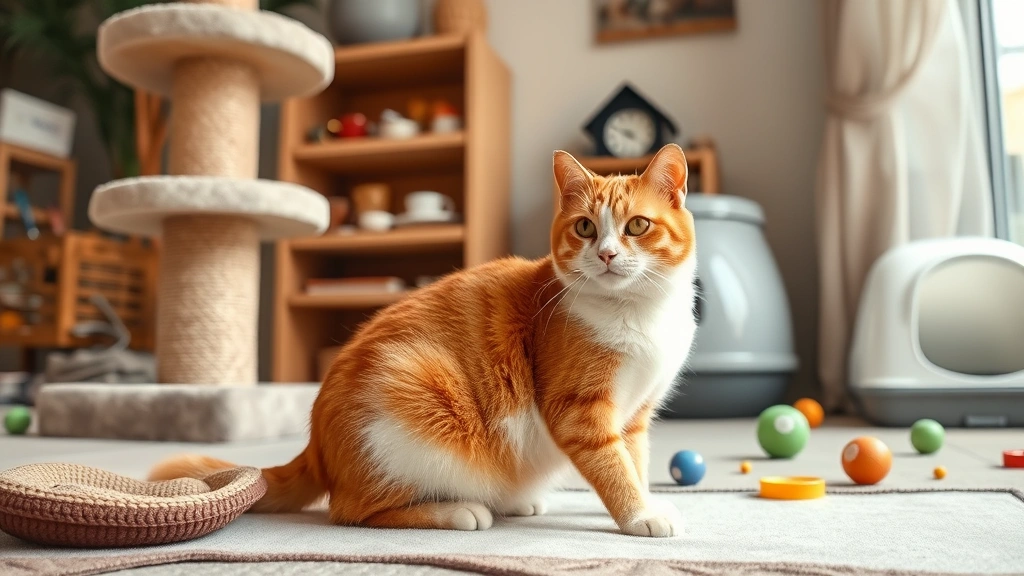
The common thread? Getting professional insight made a real difference. The owners felt heard, their cats felt better, and the relationship improved because the underlying issue was finally addressed.
If you’re struggling with your cat’s behavior, you’re not alone—and help is just a click away.
Other Behavior Resources to Explore
While online vet consultations are a fantastic first step, you might also find value in related resources. If you have multiple pets with behavior concerns, check out our guide on how to talk to a vet about dog anxiety online, which covers many similar principles for canine companions.
For those with young cats, our article on puppy behavior problems includes insights applicable to kitten development and early behavior training.
If your cat’s behavior changes are accompanied by physical symptoms like vomiting or itching, those may need attention too. Learn more about addressing cat vomiting online or cat itching concerns through telehealth.
Frequently Asked Questions
Can an online vet diagnose the cause of my cat’s behavior problem?
Yes, online vets can often diagnose behavioral or medical causes through conversation, video observation, and your descriptions. However, if bloodwork or a physical exam is needed, they’ll recommend an in-person visit to a local veterinarian.
Will my cat need medication for behavior problems?
Not always. Many behavior issues improve with environmental changes, enrichment, and routine adjustments. Your vet will discuss all options and only recommend medication if it’s truly beneficial for your cat’s specific situation.
How long does an online behavior consultation take?
Most consultations last 20-30 minutes, though complex cases may take longer. Your vet will give you an estimated duration when you book.
Can I get a second opinion on my cat’s behavior through telehealth?
Absolutely. Many pet owners consult multiple vets, especially for complex behavior cases. Online access makes getting a second opinion easier and more affordable than ever.
What if my cat’s behavior doesn’t improve after the consultation?
Most platforms offer follow-up support and additional consultations. Your vet can adjust the plan, discuss new strategies, or recommend further evaluation if progress stalls.
What To Do Now
Ready to get help for your cat’s behavior? Here are your next steps:
- Document the behavior – Spend a few days noting when the behavior happens, what triggers it, and how your cat acts. Write down any other changes you’ve noticed.
- Gather your cat’s medical history – Pull together recent vet records, bloodwork results, medication lists, and vaccination records to have ready.
- Schedule an online consultation – Book an appointment with The Pet Vet or another telehealth provider. Most offer same-day or next-day availability.
- Prepare your questions and videos – Write down what you want to discuss and film short clips of the behavior if possible.
- Follow the vet’s recommendations – Implement the behavior plan consistently. Most changes take 2-4 weeks to show real improvement.
Summary: Your Cat Deserves Professional Support
Cat behavior problems are stressful for you and uncomfortable for your cat. The good news? You don’t have to figure it out alone, and you don’t have to drag your anxious feline to a clinic to get help.
Online veterinary consultations make it easy, affordable, and stress-free to address behavior concerns from the comfort of your home. Whether your cat is struggling with litter box issues, aggression, anxiety, or any other behavior change, a licensed vet can help you understand what’s happening and create a plan that works for your specific situation.
Your cat’s behavior is their way of communicating. Let’s help you understand what they’re trying to tell you.
This article is for general education and is not a substitute for care from your own veterinarian. Learn about The Pet Vet and our editorial policy.