
Yes, you can absolutely talk to a vet about dog licking paws online, and it’s often the fastest way to get answers when your pup won’t stop gnawing at their feet. If you’ve noticed your dog obsessively licking or chewing their paws, you’re probably worried—and for good reason. This behavior can signal anything from a simple itch to something that needs prompt attention, which is why connecting with a veterinarian quickly makes such a difference.
Table of Contents
- Why Dogs Lick Their Paws: Common Causes
- When to Seek Online Veterinary Care for Paw Licking
- The Advantages of Online Vet Consultations for Paw Issues
- What to Expect During an Online Vet Visit About Paw Licking
- Common Treatments and Next Steps After an Online Consultation
- How to Prepare for Your Online Vet Appointment
- At-Home Care While You Wait for Your Online Vet Appointment
- Online vs. In-Person: When You Might Need Both
- Preventing Future Paw Licking Issues
- Other Paw-Related Issues You Can Discuss Online
- Frequently Asked Questions
- What To Do Now
- Summary
This article is for informational purposes only and is not a substitute for professional veterinary advice. Always consult a licensed veterinarian for diagnosis and treatment.
Why Dogs Lick Their Paws: Common Causes
Dog paw licking happens for many reasons, and pinpointing the cause is half the battle. The most common culprits include allergies, parasites, skin infections, and behavioral issues. When you talk to a vet about dog licking paws online, they’ll ask targeted questions to narrow down what’s really going on.
Allergies are perhaps the leading reason dogs obsess over their paws. Environmental allergies (pollen, dust, mold) and food allergies both trigger itching that drives dogs to lick. Parasites like fleas and mites are another frequent offender, even if you don’t see visible signs.
Bacterial or yeast infections on the skin can also cause intense itching and licking. These infections often develop in warm, moist areas between the toes. Additionally, some dogs lick their paws out of anxiety, boredom, or habit—behavioral factors that a vet can help you address.
When to Seek Online Veterinary Care for Paw Licking
Not every instance of paw licking requires emergency care, but certain signs tell you it’s time to reach out. If your dog’s paw licking is new, excessive, or accompanied by redness, swelling, odor, or discharge, don’t wait for a in-person appointment.
If your dog is limping, avoiding putting weight on a paw, or showing signs of pain, a quick telehealth check-in can give you peace of mind and guidance on next steps. Similarly, if the licking has persisted for more than a few days despite your attempts to manage it, an online vet consultation is a smart move.
Catching this early puts you in a great position to help your dog feel better faster.
The Advantages of Online Vet Consultations for Paw Issues
Telehealth veterinary visits offer real convenience for busy pet owners. You can connect with a licensed vet from your couch, show them your dog’s paws via video, and get professional guidance without the stress of travel or waiting room delays.
Online consultations are typically faster and more affordable than traditional office visits. They’re perfect for non-emergency concerns that still need expert eyes. Plus, you can often get a response within hours, not days.
Another huge benefit: your vet can review your dog’s medical history and previous records quickly. They can also provide follow-up care and monitor your dog’s progress over time through multiple sessions.
What to Expect During an Online Vet Visit About Paw Licking
When you talk to a vet about dog licking paws online, the appointment typically follows a straightforward format. The vet will start by asking detailed questions about when the licking started, how often it happens, and whether it’s affecting one paw or all four.
Be ready to describe any visible changes: redness, swelling, hair loss, odor, or discharge. The vet may ask about your dog’s diet, recent environmental changes, and whether other pets in the home are affected. They’ll also want to know your dog’s medical history and current medications.
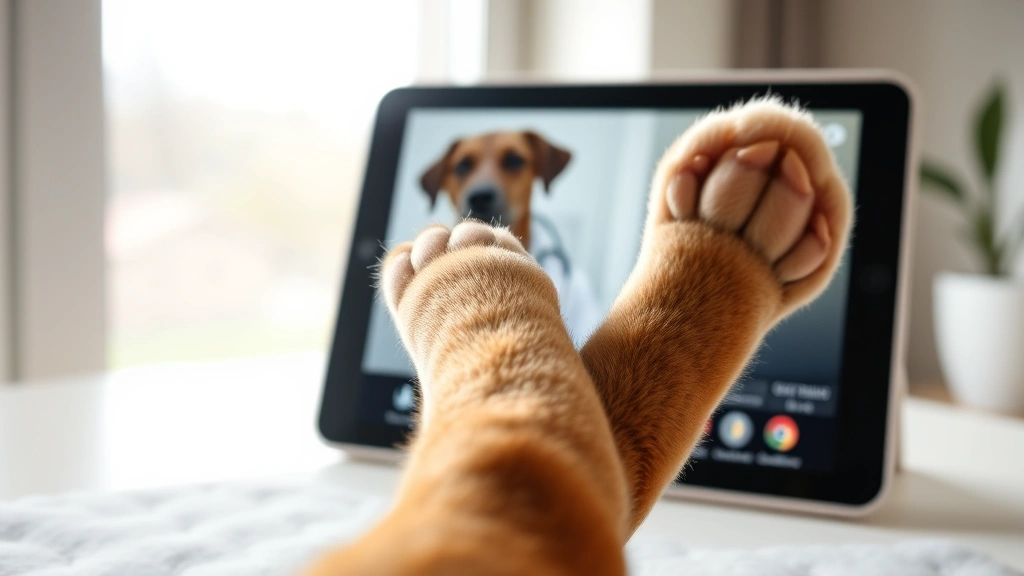
You’ll likely be asked to show the affected paw on video so the vet can assess the visible signs. Take clear, well-lit photos or video clips beforehand to make the most of your time. The vet may recommend diagnostic tests, topical treatments, dietary changes, or behavioral modifications based on what they observe.
Common Treatments and Next Steps After an Online Consultation
Depending on what your vet suspects, they might recommend several approaches. For allergies, they may suggest dietary changes, omega-3 supplements, or topical relief products. If parasites are suspected, they’ll guide you on the best flea and tick prevention for your dog.
For skin infections, your vet might prescribe medicated shampoos or recommend specific grooming practices. In some cases, they’ll refer you to an in-person visit for cultures, allergy testing, or other diagnostics that telehealth can’t provide.
Behavioral licking often responds well to environmental enrichment, exercise, and anxiety management strategies that your vet can outline during the online visit. Many dogs improve significantly once the underlying cause is identified and addressed.
How to Prepare for Your Online Vet Appointment
Getting ready for your telehealth visit ensures you make the most of your time. Gather your dog’s medical records, a list of current medications or supplements, and any photos or videos showing the paw licking behavior.
Have your dog nearby and calm during the appointment so the vet can see them on camera. Make sure your internet connection is stable and your phone or computer is fully charged. Write down your main concerns and any questions beforehand so you don’t forget anything important.
Keep treats or toys handy to help your dog stay still while the vet examines their paws on video. The more information and visual evidence you can provide, the better diagnosis and recommendations your vet can offer.
At-Home Care While You Wait for Your Online Vet Appointment
While scheduling your telehealth visit, there are gentle steps you can take to help your dog feel more comfortable. Keep the paws clean and dry, as moisture can worsen infections. Soak the paws in cool (not cold) water for a few minutes to soothe itching, then pat them completely dry.
Avoid over-the-counter creams or medications unless your vet specifically recommends them. Resist the urge to bandage the paws tightly, as this can trap moisture and make things worse. Instead, monitor the situation closely and note any changes to share with your vet.
If your dog is licking due to anxiety or boredom, increase playtime and mental stimulation. Consider using a soft cone or dog boot temporarily to prevent further trauma to the paw while you await professional guidance.
Online vs. In-Person: When You Might Need Both
Online vet consultations are excellent for initial assessments and follow-up care, but some situations require in-person evaluation. If your dog has a visible wound, severe swelling, or lameness, your vet may recommend an office visit for physical examination and diagnostic testing.
Conditions like deep skin infections, foreign object lodged in the paw, or fractures need hands-on assessment. Your telehealth vet can help you decide whether an in-person visit is necessary or whether online monitoring is sufficient for now.
Many pet owners find that combining online consultations with occasional in-person visits gives them the best of both worlds: convenience and thorough care. Think of telehealth as your first line of support, with in-person care as backup when needed.
Preventing Future Paw Licking Issues
Once you’ve addressed the current problem, prevention becomes key. Regular grooming, including paw inspections and cleaning between the toes, helps you catch issues early. Keep your dog’s nails trimmed to reduce irritation and allow better air circulation.
Maintain consistent flea and tick prevention year-round, even if your dog is mostly indoors. Feed a high-quality diet rich in omega-3 fatty acids to support skin health—many vets recommend this as a foundational step. You can learn more about this in our guide on feeding for coat health.
Minimize exposure to known allergens when possible, and keep your home clean to reduce dust and mold. Regular exercise and mental stimulation also reduce anxiety-driven licking behaviors.
Other Paw-Related Issues You Can Discuss Online
Paw licking isn’t the only concern you can address through telehealth. If your dog is limping or favoring a paw, you can talk to a vet about dog limping online. Similarly, ear infections often accompany paw issues, and our guide on talking to a vet about dog ear infections online covers that concern thoroughly.
Digestive issues can also manifest as paw licking due to allergies or nutritional imbalances. If you suspect gastrointestinal causes, our article on dog gastrointestinal issues causes provides helpful context for your conversation with your vet.
Frequently Asked Questions
Can a vet diagnose the cause of paw licking through an online visit?
Yes, vets can often identify the likely cause through video assessment, your description, and photos. However, some conditions like allergies or infections may require in-person testing or cultures for definitive diagnosis.
How much does an online vet consultation cost for paw licking?
Online consultations typically cost less than in-person visits—usually between $30 and $75 depending on the platform and vet. Many telehealth services offer transparent pricing upfront.
Will my vet prescribe medication through a telehealth visit?
Many vets can prescribe medications through telehealth, though some conditions require an in-person exam first due to regulatory requirements. Your vet will let you know if a prescription is appropriate based on what they observe.
What if the paw licking gets worse after my online consultation?
Contact your vet immediately for follow-up guidance. If you notice severe swelling, discharge, or your dog seems in pain, seek in-person emergency care or call your vet’s office directly.
Is telehealth appropriate for all dogs with paw licking?
Telehealth is great for initial assessment and mild to moderate cases, but dogs with severe symptoms, visible wounds, or lameness may need in-person evaluation. Your online vet will advise if that’s necessary.
What To Do Now
- Schedule a telehealth appointment with a licensed veterinarian through The Pet Vet or a similar platform—most can see your dog within 24 hours.
- Gather photos and videos of your dog’s paws showing the licking behavior, any redness, or visible changes to share during the consultation.
- Write down when the licking started, how often it happens, your dog’s diet, and any other symptoms you’ve noticed to discuss with the vet.
- Keep your dog’s paws clean and dry in the meantime, and avoid applying any treatments until your vet gives the go-ahead.
- Follow your vet’s recommendations closely and schedule a follow-up telehealth visit if symptoms don’t improve within the timeframe they suggest.
Summary
Yes, you can absolutely talk to a vet about dog licking paws online, and it’s often the fastest, most convenient way to get expert guidance. Whether the cause is allergies, parasites, infection, or behavior, a telehealth vet can help you identify the problem and create a treatment plan tailored to your dog.
Online veterinary consultations offer speed, affordability, and accessibility without sacrificing quality care. By preparing well for your appointment and following your vet’s recommendations, you can help your dog feel better and prevent future paw issues. If you’re unsure whether your pet needs urgent care, a quick telehealth check-in can give you peace of mind—no appointment needed.
Your dog’s comfort and health matter, and reaching out to a professional vet—whether in person or online—is always the right call when something seems off. Take that first step today and get your pup the relief they deserve.