
When your cat starts limping, it’s natural to worry—and seeking an online vet for cat limping can be one of the fastest ways to get answers without the stress of a car ride. Whether your feline friend is favoring a back leg, barely putting weight on a paw, or moving stiffly after a fall, understanding what might be happening and knowing your options for care can help you feel more confident about next steps.
Table of Contents
- Why Your Cat Might Be Limping
- When to Seek Help from an Online Vet
- Benefits of Consulting an Online Vet for Your Limping Cat
- What to Expect During a Telehealth Visit
- Common Causes of Limping in Cats
- At-Home Care While You Wait for a Vet Consultation
- Pain Management and Treatment Options
- When In-Person Care Becomes Necessary
- Preventing Future Limping in Your Cat
- Why Choose The Pet Vet for Your Cat’s Limping Concerns
- What To Do Now
- Summary: Getting Your Limping Cat Help Fast
- Frequently Asked Questions
This article is for informational purposes only and is not a substitute for professional veterinary advice. Always consult a licensed veterinarian for diagnosis and treatment.
Why Your Cat Might Be Limping
Limping in cats can stem from many different causes, ranging from minor to more serious. The good news? Most cases of feline limping are treatable, especially when caught early. Your cat’s limp could be due to a simple paw pad injury, arthritis, or something that needs more attention.
Common reasons cats limp include muscle strains, sprains, arthritis (particularly in older cats), trauma from falls or accidents, and infections in the paw or leg. Sometimes a cat will limp after jumping awkwardly or playing too hard. Other times, underlying conditions like bone disease or nerve issues might be at play.
The key is paying attention to how your cat moves and whether the limp improves or worsens over a few days. Catching this early puts you in a great position to help your cat feel better faster.
When to Seek Help from an Online Vet
Not every limp requires an emergency room visit. If your cat is still eating, drinking, and acting relatively normal aside from the limp, a telehealth consultation is an excellent first step. An online vet for cat limping can assess your cat’s situation through video, ask targeted questions, and help you decide if in-person care is needed.
You should consider urgent or emergency care if your cat:
- Cannot bear any weight on the affected leg
- Has severe swelling or visible deformity
- Is in obvious pain and won’t let you touch the area
- Has a wound or puncture that might be infected
- Stopped eating or acting lethargic after the injury
If you’re unsure whether your pet needs urgent care, a quick telehealth check-in can give you peace of mind—no appointment needed. Many online vet platforms, including The Pet Vet, can connect you with a licensed veterinarian within minutes.
Benefits of Consulting an Online Vet for Your Limping Cat
Telehealth veterinary care has revolutionized how pet owners approach non-emergency health concerns. When your cat is limping, an online consultation offers several real advantages.
Speed and Convenience: You don’t have to wait days for an appointment or spend an hour in a waiting room. Video consultations happen on your schedule, often within the same day.
Stress Reduction: Many cats are anxious about car rides and vet clinics. Staying home can help your cat stay calm, which actually helps the vet assess behavior more naturally.
Cost-Effective: Online vet visits typically cost less than in-person appointments, making it easier to get professional guidance quickly.
Documentation: You’ll have a record of the consultation and any recommendations, which you can share with an in-person vet if follow-up care is needed.
What to Expect During a Telehealth Visit
When you connect with an online vet about your cat’s limping, the veterinarian will ask detailed questions about when the limp started, whether there was a specific injury, and how your cat’s behavior has changed. They’ll want to know about appetite, bathroom habits, and whether your cat is playing or resting more than usual.
During the video call, the vet will ask you to move your cat gently so they can observe the gait and which leg is affected. Be prepared to describe any swelling, wounds, or behavioral changes you’ve noticed. The vet may also ask about your cat’s age, weight, and any previous health issues.
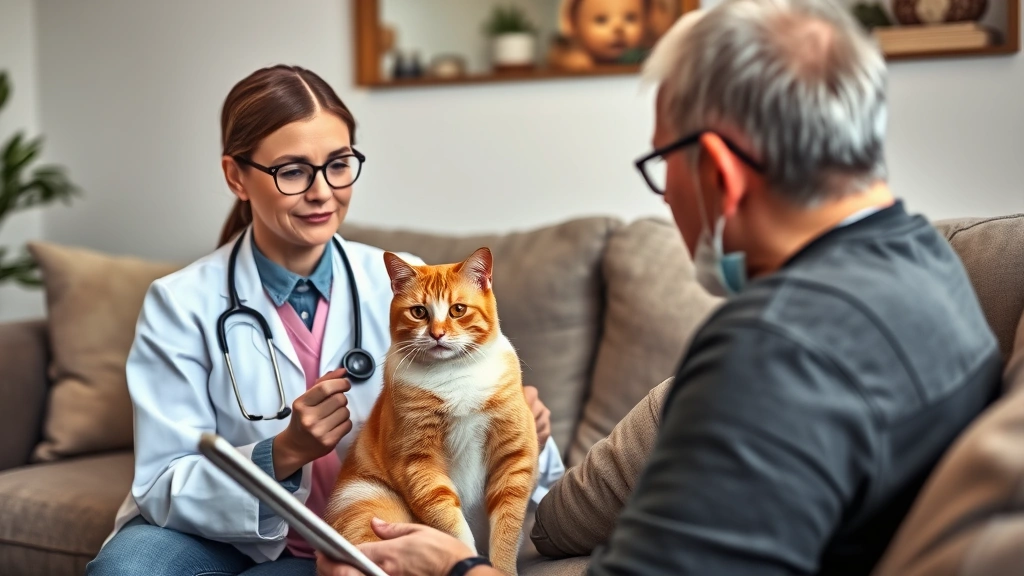
Based on this assessment, the veterinarian will either reassure you and provide at-home care guidance, recommend monitoring for a few days, or advise that an in-person exam and possibly imaging (like X-rays) are necessary. They may also discuss pain management options to keep your cat comfortable.
Common Causes of Limping in Cats
Understanding what might be causing your cat’s limp can help you communicate better with your online vet and know what to watch for.
Paw and Pad Injuries: Cats often step on something sharp, get a splinter, or develop a blister. These injuries may cause sudden limping but often improve within a few days with home care.
Arthritis and Joint Issues: Older cats frequently develop arthritis, which causes stiffness and limping, especially after rest. This is a chronic condition that benefits from ongoing management.
Sprains and Strains: Active cats can overextend muscles or ligaments during play or jumping. These injuries typically improve with rest but should be monitored.
Infections: Abscesses, claw infections, or other bacterial issues can cause swelling and limping. These usually require treatment to prevent worsening.
Bone or Ligament Injuries: Falls or trauma can cause fractures or ligament tears, which may need imaging and specialized care. Catching this early puts you in a great position to prevent complications.
For more information on recognizing other signs of discomfort in cats, you might also explore how stress and anxiety can affect your cat’s behavior.
At-Home Care While You Wait for a Vet Consultation
While arranging a telehealth visit, there are safe steps you can take to help your limping cat feel more comfortable.
- Encourage Rest: Keep your cat in a quiet, comfortable space with easy access to food, water, and the litter box. Limit jumping and running to allow the affected leg to recover.
- Inspect the Paw: Gently examine the affected paw for thorns, splinters, swelling, or wounds. If you find something embedded, you can try to remove it with tweezers, but don’t force it.
- Apply Warmth (if appropriate): A warm compress can soothe muscle strains, but avoid heat if there’s swelling or infection.
- Keep the Area Clean: If there’s a minor wound, gently clean it with warm water and monitor for signs of infection like increased swelling or discharge.
- Avoid Over-the-Counter Pain Meds: Never give your cat human pain relievers or other medications without veterinary guidance. Many are toxic to cats.
Your online vet can provide more specific guidance based on what they observe during your consultation.
Pain Management and Treatment Options
Once your online vet has assessed your cat’s limping, they may recommend pain management strategies to keep your feline comfortable during recovery. The approach depends on the underlying cause and severity.
For mild cases, rest and monitoring may be all that’s needed. For more significant issues, your vet might recommend specific treatments tailored to your cat’s condition. Some cats benefit from environmental modifications like ramps, lower perches, or cushioned bedding to reduce stress on affected joints.
Your veterinarian will discuss any treatment options in detail and explain what to expect. They can also advise on follow-up care and when to schedule an in-person visit if needed. Never adjust treatment on your own without consulting your vet first.
When In-Person Care Becomes Necessary
While online vets are fantastic for initial assessment, some situations require hands-on examination and diagnostic testing. If your cat’s limping doesn’t improve after a few days, worsens, or if the online vet suspects a fracture or serious injury, an in-person visit will be recommended.

X-rays, ultrasound, or blood work might be needed to diagnose the problem accurately. Your online vet can help you understand why these tests matter and prepare you for what to expect at the clinic. Many veterinary practices now offer same-day or next-day appointments for limping cases, so you won’t have to wait long.
The information gathered during your telehealth consultation will be invaluable to the in-person vet, helping them focus their exam and get answers faster.
Preventing Future Limping in Your Cat
While not all limping can be prevented, there are steps you can take to reduce your cat’s risk of injury and joint problems.
- Maintain a Healthy Weight: Excess weight stresses joints and increases arthritis risk. Your vet can recommend appropriate feeding and portion sizes.
- Provide Safe Spaces: Use ramps or steps to help your cat reach favorite perches without risky jumps, especially as they age.
- Regular Vet Check-ups: Routine exams catch early signs of arthritis or other issues before they cause noticeable limping.
- Encourage Gentle Exercise: Play sessions and movement keep muscles strong, but avoid overly intense activity that strains joints.
- Protect from Hazards: Keep toxic plants, sharp objects, and unsafe areas away from your cat’s roaming space.
For additional insights on maintaining your cat’s overall wellness, learn about recognizing and addressing skin issues, which can sometimes affect mobility too.
Why Choose The Pet Vet for Your Cat’s Limping Concerns
The Pet Vet is dedicated to enhancing your pet’s well-being by providing convenient access to high-quality veterinary care through modern technology. When your cat is limping and you need answers fast, our licensed veterinarians are ready to help—without the wait or stress of traditional clinics.
Our platform makes it easy to describe your cat’s symptoms, share observations, and get professional guidance on next steps. Whether your cat needs reassurance, at-home care instructions, or a referral for in-person care, we’re here to support you every step of the way.
What To Do Now
- Schedule a Telehealth Consultation: Contact The Pet Vet or your preferred online veterinary platform to book a video consultation about your cat’s limping. Most can connect you within hours.
- Gather Information: Before your call, note when the limping started, whether there was an injury, and any other changes in your cat’s behavior or appetite.
- Create a Comfortable Rest Space: Set up a quiet area with easy access to essentials where your cat can rest while you await the consultation.
- Prepare a List of Questions: Write down specific concerns, such as whether the limp is improving, if your cat is in pain, and what pain management options are available.
- Follow Your Vet’s Recommendations: After the consultation, follow the guidance provided and schedule in-person care if advised. Keep records of any changes in your cat’s condition.
Summary: Getting Your Limping Cat Help Fast
Your cat’s limping is a sign that something needs attention, but it doesn’t have to mean a stressful trip to a busy clinic. An online vet for cat limping offers a convenient, affordable way to get professional assessment and guidance from home. Whether the issue is minor and resolves with rest or requires further care, telehealth veterinarians can help you understand what’s happening and create a plan to get your cat feeling better.
The sooner you reach out, the sooner you’ll have answers and peace of mind. Your cat depends on you to notice when something’s wrong—and now you have the tools to act quickly and compassionately.
Frequently Asked Questions
Can an online vet diagnose why my cat is limping?
An online vet can assess your cat’s symptoms, ask detailed questions, and provide a preliminary evaluation. However, if imaging or hands-on examination is needed, they’ll recommend an in-person visit to a veterinary clinic.
How quickly can I get a telehealth appointment for my limping cat?
Most online vet platforms, including The Pet Vet, can connect you with a veterinarian within minutes to a few hours, depending on demand. It’s much faster than traditional clinic scheduling.
Is telehealth appropriate for a cat that can’t put weight on a leg?
If your cat cannot bear any weight on the affected leg, an in-person exam and likely X-rays are necessary. Contact your online vet immediately or visit an emergency clinic to rule out fractures or serious injury.
What should I tell the online vet about my cat’s limp?
Describe when the limping started, whether there was an injury, which leg is affected, any swelling or wounds, and how your cat’s behavior and appetite have changed. Be ready to show the vet how your cat walks during the video call.
Will the online vet prescribe pain medication for my cat?
Depending on the diagnosis and severity, your online vet may recommend pain management strategies. Any medications will be prescribed by the veterinarian with clear instructions on how to administer them safely to your cat.
This article is for general education and is not a substitute for care from your own veterinarian. Learn about The Pet Vet and our editorial policy.