
Yes, you can absolutely talk to a vet about puppy diarrhea online, and it’s often one of the fastest ways to get peace of mind when your little one isn’t feeling well. If your puppy has loose stools or sudden digestive upset, a telehealth consultation can connect you with a licensed veterinarian in minutes—no waiting room, no travel time, just real answers from your couch.
Table of Contents
- Why Puppy Diarrhea Worries Pet Parents (And Why You’re Right to Act)
- Online Vet Consultations for Puppy Digestive Issues: How They Work
- Common Causes of Puppy Diarrhea: What Online Vets Look For
- What Information to Have Ready for Your Online Vet Consultation
- Red Flags That Require Urgent Care (Not Just Online Advice)
- Home Care Tips While You Wait for Your Online Vet Appointment
- Advantages of Online Vet Visits for Puppy Diarrhea
- When to Follow Up: Next Steps After Your Telehealth Consultation
- Understanding Puppy Gastrointestinal Health: The Bigger Picture
- Other Puppy Health Concerns You Can Address Online
- Frequently Asked Questions
- What To Do Now: Your Action Plan
- Summary: You’re Not Alone in This
This article is for informational purposes only and is not a substitute for professional veterinary advice. Always consult a licensed veterinarian for diagnosis and treatment.
Why Puppy Diarrhea Worries Pet Parents (And Why You’re Right to Act)
Puppy diarrhea can feel alarming because young dogs are still building their immune systems and can become dehydrated quickly. One loose stool might be nothing—but repeated episodes, especially paired with lethargy or loss of appetite, deserve professional attention. Catching this early puts you in a great position to help your puppy feel better fast.
The good news? Most cases of puppy diarrhea are manageable, and a vet can rule out serious conditions in a quick online consultation. You don’t need to guess or panic alone.
Online Vet Consultations for Puppy Digestive Issues: How They Work
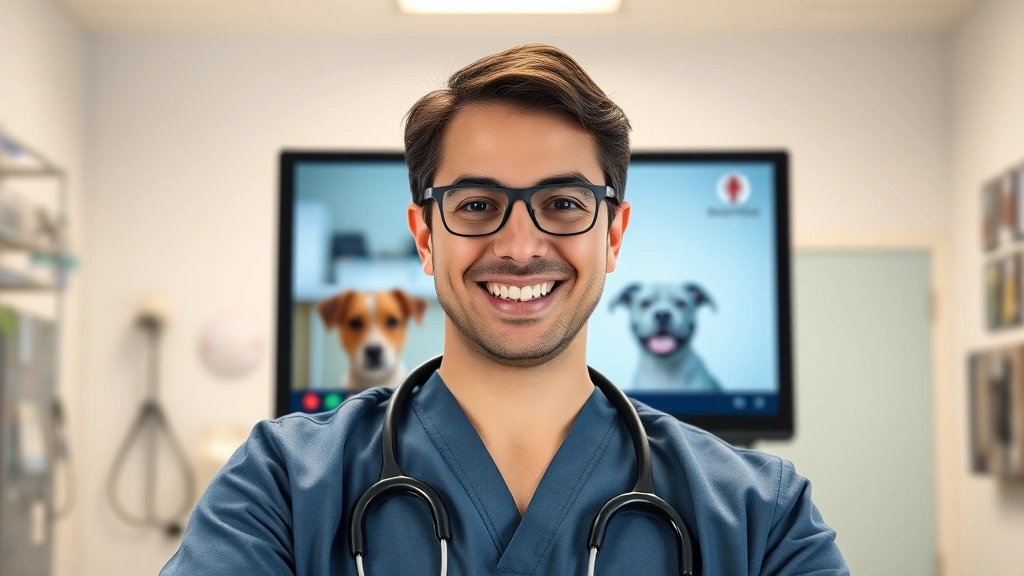
Telehealth veterinary platforms like The Pet Vet make it simple. You upload photos or a short video of your puppy, describe the symptoms, and connect with a licensed vet—often within minutes. The vet reviews your puppy’s history, asks clarifying questions, and provides guidance on next steps.
For puppy diarrhea specifically, vets can often diagnose or rule out common causes through conversation and visual information. If your puppy needs lab work or an in-person exam, your vet will recommend that too.
Common Causes of Puppy Diarrhea: What Online Vets Look For
Understanding what might be causing your puppy’s diarrhea helps you communicate clearly with your vet. Here are the most frequent culprits:
- Dietary changes: New food or treats introduced too quickly can upset a puppy’s stomach.
- Food sensitivities: Some puppies react poorly to certain proteins, grains, or additives.
- Parasites: Intestinal worms and protozoa are common in young dogs and treatable with medication.
- Stress or anxiety: Moving homes, new environments, or separation can trigger loose stools. Learn more about canine stress colitis and how it affects puppies.
- Eating non-food items: Puppies explore the world with their mouths and may ingest grass, dirt, or toys.
- Viral or bacterial infection: Contagious illnesses are more common in young puppies and require vet attention.
- Milk or lactose: Many puppies can’t digest cow’s milk well, even though they seem interested in it.
Your online vet will ask questions about timing, consistency, appetite, and behavior to narrow down the cause. This is why detailed information helps—don’t be shy about describing what you’ve observed.
What Information to Have Ready for Your Online Vet Consultation
When you schedule your telehealth visit, gather these details to make the appointment as productive as possible:
- Your puppy’s age, breed, and weight
- How long the diarrhea has been happening (hours or days)
- Stool frequency and consistency (watery, mucus-like, bloody, etc.)
- Recent diet changes or new treats
- Other symptoms: vomiting, lethargy, loss of appetite, fever
- Vaccination and deworming history
- Any medications your puppy is currently taking
- Photos or a short video of the stool (yes, really—vets find this helpful)
Having this ready means your vet can spend less time gathering info and more time helping your puppy.

Red Flags That Require Urgent Care (Not Just Online Advice)
Most puppy diarrhea cases are manageable with an online consultation, but some signs mean your puppy needs in-person or emergency evaluation right away. If you see any of these, contact an emergency vet clinic or head to the nearest animal hospital:
- Blood or black, tarry stools
- Severe lethargy or unresponsiveness
- Repeated vomiting along with diarrhea
- Abdominal pain (whining, hunched posture, reluctance to move)
- Signs of dehydration (dry gums, sunken eyes, skin tenting)
- Fever (rectal temperature above 103°F)
- Diarrhea lasting more than 48 hours in a very young puppy (under 8 weeks)
If you are unsure whether your pet needs urgent care, a quick telehealth check-in can give you peace of mind—no appointment needed. Many vets can advise you on whether your puppy should be seen immediately.
Home Care Tips While You Wait for Your Online Vet Appointment
In the hours before or after your consultation, these gentle measures may help your puppy feel more comfortable:
- Hydration first: Offer small amounts of water frequently. Dehydration is the biggest risk with diarrhea.
- Hold food briefly: A short fasting period (4–6 hours for puppies) can give the digestive system a rest, but check with your vet first.
- Bland diet: Once your vet gives the green light, boiled chicken and plain rice are gentle options. Learn more about human foods dogs can eat safely.
- Probiotics: Some vets recommend puppy-safe probiotics to restore gut bacteria, but ask your vet first.
- Keep them comfortable: Provide a quiet, clean space and limit play to reduce stress.
- Monitor closely: Track stool changes, appetite, and energy levels to report back to your vet.
Avoid giving your puppy new foods, treats, or supplements without vet approval—even if they seem like they might help.
Advantages of Online Vet Visits for Puppy Diarrhea
Telehealth consultations offer real benefits for worried pet parents dealing with puppy digestive issues. You get professional guidance quickly, without the stress of travel or waiting rooms—which can actually make your puppy’s anxiety worse.
Online vets can also provide written follow-up notes and recommendations you can reference later. Plus, if your puppy needs in-person care, your telehealth vet can coordinate with a local clinic or provide a referral. It’s a smart first step that often saves time and money.
When to Follow Up: Next Steps After Your Telehealth Consultation
Your online vet might recommend one of several paths forward. Some puppies improve with dietary adjustments alone, while others need medication or further testing. Here’s what to expect:
- Monitoring at home: Your vet may suggest waiting 24–48 hours to see if symptoms improve with diet changes and hydration.
- In-person exam: If symptoms persist or worsen, you may need to visit a local vet for bloodwork or a physical exam.
- Medication: If parasites or infection are suspected, your vet might prescribe treatment to be picked up at a pharmacy or clinic.
- Dietary change: A prescription or limited-ingredient diet may be recommended for food sensitivities.
Don’t hesitate to reach out again if your puppy doesn’t improve or if new symptoms develop. Your vet wants to help, and follow-up questions are always welcome.
Understanding Puppy Gastrointestinal Health: The Bigger Picture
Puppy diarrhea is often a one-off event, but it’s also a window into your puppy’s digestive health. If your puppy has recurring loose stools, exploring the underlying cause—whether it’s food sensitivity, stress, or something else—can prevent future episodes. Dive deeper into dog gastrointestinal issues stages explained to understand how digestive problems develop and progress.
Many puppies outgrow mild sensitivities as their digestive systems mature, but some benefit from long-term dietary management. Your vet can help you figure out what’s best for your individual puppy.
Other Puppy Health Concerns You Can Address Online
If your puppy is experiencing other symptoms alongside diarrhea—or if you have concerns about different issues—online vets can help with those too. For example, you might explore puppy limping concerns online or ask about dog shaking symptoms in the same appointment. Telehealth is convenient for multiple concerns at once.
Frequently Asked Questions
Can a vet diagnose the cause of puppy diarrhea through an online visit?
Often, yes. Vets can rule out many common causes through detailed questions and visual information. However, if parasites or infection are suspected, lab work or an in-person exam may be needed for a definitive diagnosis.
How quickly can I get an online vet appointment for puppy diarrhea?
Many telehealth platforms connect you with a vet within 15–30 minutes. The Pet Vet and similar services prioritize quick access so you don’t have to wait long for answers.
Will my online vet prescribe medication for my puppy’s diarrhea?
Yes, if appropriate. Your vet can issue prescriptions that you pick up at a pharmacy or veterinary clinic. Some treatments are available over-the-counter, while others require a prescription.
Is an online vet visit cheaper than going to a clinic?
Typically, yes. Telehealth consultations are usually less expensive than in-person visits because overhead costs are lower. You’ll still pay for any medications or follow-up care recommended.
What if my puppy’s diarrhea doesn’t improve after the online consultation?
Contact your vet again or schedule an in-person exam. Persistent diarrhea may require bloodwork, fecal testing, or imaging to identify the underlying cause.
What To Do Now: Your Action Plan
If your puppy is experiencing diarrhea and you’re wondering whether to seek help, here’s your next move:
- Gather information: Note when the diarrhea started, what it looks like, and any other symptoms your puppy is showing. Take photos if possible.
- Schedule a telehealth consultation: Visit The Pet Vet or another licensed telehealth platform to book an appointment. Most can see you within minutes to an hour.
- Prepare your puppy’s history: Have vaccination records, current diet details, and a list of any recent changes ready to share with your vet.
- Follow your vet’s recommendations: Whether it’s dietary changes, medication, or in-person follow-up, stick to the plan and monitor your puppy closely.
- Don’t wait if symptoms worsen: If you see blood in stools, signs of severe dehydration, or your puppy becomes lethargic, seek emergency care immediately.
Summary: You’re Not Alone in This
Puppy diarrhea is stressful, but it’s also incredibly common and usually manageable. The fact that you’re seeking professional advice shows you care deeply about your puppy’s health. Online vet consultations make it easier than ever to get expert guidance without the hassle of traveling to a clinic or waiting days for an appointment.
Whether your puppy’s diarrhea is caused by a simple diet change or something that needs closer attention, a telehealth vet can help you figure it out—and fast. Your puppy will feel better soon, and you’ll have the confidence that comes from knowing you did everything right.