
When your dog stops eating, it’s natural to feel worried—and that concern is exactly why you should talk to vet about dog not eating as soon as possible. Loss of appetite in dogs is never something to ignore, as it can signal anything from a minor upset stomach to a serious underlying health issue that needs prompt attention.
Table of Contents
- Why Your Dog Might Not Be Eating
- Common Medical Reasons for Loss of Appetite
- Non-Medical Reasons Your Dog Isn’t Eating
- When to Talk to Your Vet Immediately
- How to Talk to Your Vet About Your Dog’s Appetite Loss
- Steps to Take at Home While Waiting for Your Vet Visit
- Understanding Gastrointestinal Issues and Appetite
- Chronic Conditions That Affect Eating
- Nutrition and Recovery After Appetite Loss
- The Role of Stress and Environment
- Frequently Asked Questions
- What To Do Now
- Summary: Taking Action When Your Dog Won’t Eat
This article is for informational purposes only and is not a substitute for professional veterinary advice. Always consult a licensed veterinarian for diagnosis and treatment.
Why Your Dog Might Not Be Eating
Dogs typically have hearty appetites, so when your pup turns away from their food bowl, something is definitely off. There are many reasons your dog could be experiencing reduced appetite, ranging from behavioral to medical.
Sometimes it’s as simple as a change in food brand or a stressful event in the home. Other times, loss of appetite is the body’s way of signaling that something more serious needs attention. The key is understanding what might be happening so you can take the right next steps.
Common Medical Reasons for Loss of Appetite
Several health conditions can cause dogs to stop eating. Gastrointestinal issues like dog gastrointestinal issues early signs often include reduced appetite alongside vomiting or diarrhea.
- Infections (bacterial, viral, or parasitic)
- Dental disease or mouth pain
- Nausea from various causes
- Kidney or liver problems
- Hormonal imbalances like thyroid disease
- Cancer or tumors
- Medication side effects
Catching these early puts you in a great position to help your dog recover quickly. The sooner you identify the cause, the sooner treatment can begin.
Non-Medical Reasons Your Dog Isn’t Eating
Not every case of reduced appetite points to illness. Environmental and behavioral factors play a role too.
Your dog might be pickier about food than you realized, or they could be stressed by changes in routine, new pets, or household disruptions. Some dogs eat less when the weather is hot, while others lose interest in food if they’re getting too many treats or table scraps throughout the day.
However, even if you suspect a non-medical cause, it’s still wise to rule out health issues first by speaking with your vet.
When to Talk to Your Vet Immediately
Certain signs mean you shouldn’t wait for a regular appointment. If your dog shows any of these symptoms alongside not eating, seek veterinary care right away:
- Vomiting or retching
- Severe lethargy or collapse
- Abdominal pain or distension
- Difficulty breathing
- Pale gums or unusual bleeding
- Sudden behavioral changes
- Not eating for more than 24 hours
These red flags suggest your dog could be experiencing an emergency. Don’t hesitate to contact your vet or an emergency clinic immediately in these situations.
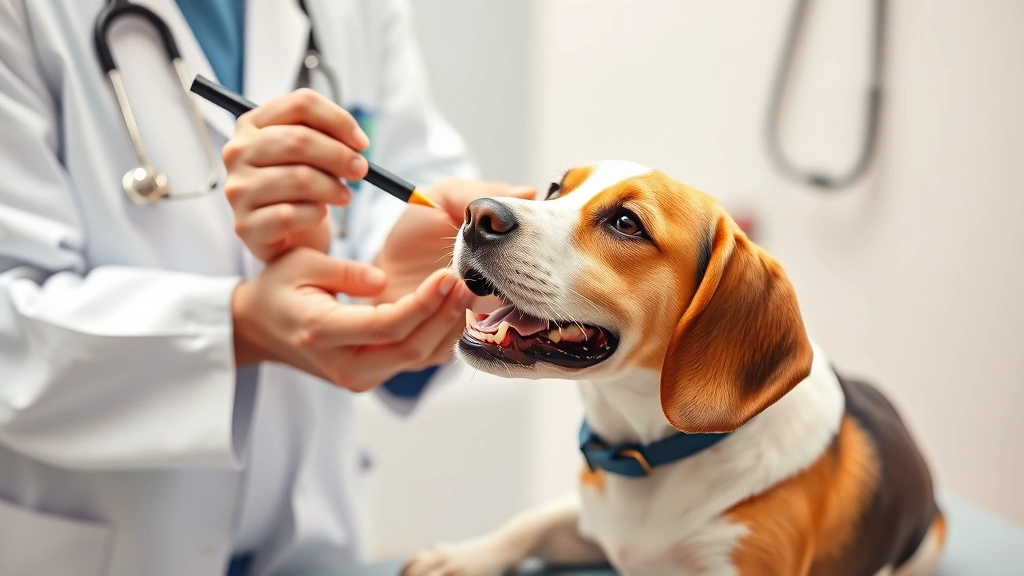
How to Talk to Your Vet About Your Dog’s Appetite Loss
When you do reach out to your veterinarian, being prepared with information helps them diagnose faster. Write down when the appetite loss started and whether it was sudden or gradual.
Note any other symptoms you’ve observed, changes in water intake, recent diet changes, or new medications. Mention whether your dog is acting normally otherwise or if they seem lethargic, anxious, or in pain. The more details you provide, the better your vet can assess the situation.
If you’re unsure whether your pet needs urgent care, a quick telehealth check-in can give you peace of mind—no appointment needed. Many vets now offer virtual consultations that let you describe symptoms and get initial guidance without leaving home.
Steps to Take at Home While Waiting for Your Vet Visit
While you’re arranging a veterinary appointment, there are thoughtful steps you can take to support your dog:
- Don’t force food. Offer small amounts of their regular diet or a bland option like plain boiled chicken and rice, but never force your dog to eat.
- Ensure fresh water is available. Dehydration can worsen appetite loss, so keep water accessible at all times.
- Monitor bathroom habits. Track any changes in urination, bowel movements, or stool consistency.
- Keep a symptom log. Note the time of day your dog refuses food, energy levels, and any other behavioral changes.
- Avoid sudden diet changes. Stick with familiar food unless your vet recommends otherwise.
Understanding Gastrointestinal Issues and Appetite
One of the most common culprits behind appetite loss is gastrointestinal upset. If your dog has dog gastrointestinal issues treatment options that need exploring, your vet might recommend dietary adjustments, probiotics, or other supportive care.
Digestive problems can develop from eating something inappropriate, food sensitivities, or underlying inflammatory conditions. Your vet will help determine what’s causing the GI upset and how to restore your dog’s appetite safely.
Chronic Conditions That Affect Eating
Some dogs deal with ongoing health challenges that reduce their desire to eat. Dog kidney disease early signs often include decreased appetite, as do liver problems and other systemic conditions.
If your dog has been diagnosed with a chronic condition, appetite loss might indicate the disease is progressing or that current management needs adjustment. Regular check-ins with your vet help catch these changes early. Catching this early means your vet can adjust treatment before your dog loses significant weight or becomes malnourished.
Nutrition and Recovery After Appetite Loss
Once your vet identifies the cause and begins treatment, nutrition becomes crucial for recovery. Your dog may need a special diet temporarily or long-term, depending on the diagnosis.
Some dogs benefit from smaller, more frequent meals, while others do better with warming their food to enhance aroma and palatability. Your vet might recommend prescription diets designed to support healing or manage specific conditions. Never switch foods without veterinary guidance, as this can worsen digestive upset.

The Role of Stress and Environment
Beyond medical causes, your dog’s eating environment matters. A stressed or anxious dog may skip meals even when physically healthy.
Ensure your dog has a quiet, comfortable space to eat away from household chaos. Some dogs eat better when they’re not competing with other pets for food. If your dog has experienced recent trauma or major life changes, this could temporarily suppress their appetite. Working with your vet to rule out medical issues is the first step; then you can address behavioral or environmental factors.
Frequently Asked Questions
How long can a dog go without eating?
Most healthy dogs can survive 3–5 days without food, but this doesn’t mean they should. Prolonged appetite loss can lead to serious complications, so contact your vet if your dog hasn’t eaten for more than 24 hours.
Could my dog’s not eating be related to stress?
Yes, stress and anxiety can suppress appetite in dogs. However, medical issues are more common, so always rule those out first with a veterinary exam.
Is it okay to give my dog treats if they won’t eat meals?
Offering only treats when your dog refuses regular food can reinforce picky eating and mask underlying health problems. Stick with their regular diet and consult your vet before making changes.
What should I feed my dog if they’re not eating?
Offer small amounts of their regular food first. If they refuse, try plain boiled chicken and rice in small portions, but only after consulting your vet about what’s appropriate for their situation.
Can medication side effects cause appetite loss?
Yes, some medications can reduce appetite as a side effect. If your dog recently started a new medication and stopped eating, mention this to your vet immediately—they may adjust the dose or try an alternative.
What To Do Now
- Schedule a vet appointment today. Contact your veterinarian right away to discuss your dog’s appetite loss and get them examined.
- Prepare a symptom summary. Write down when the appetite loss started, other symptoms you’ve noticed, recent diet or medication changes, and your dog’s behavior patterns.
- Keep your dog comfortable. Ensure fresh water is always available, maintain a calm environment, and avoid forcing your dog to eat.
- Monitor closely until the appointment. Track what your dog eats or refuses, bathroom habits, and energy levels to share with your vet.
- Consider a telehealth consultation if urgent care isn’t immediately available. A virtual check-in can provide guidance while you arrange an in-person exam.
Summary: Taking Action When Your Dog Won’t Eat
Your dog’s refusal to eat deserves prompt veterinary attention. Whether the cause is medical or behavioral, the best first step is always to talk to vet about dog not eating so you can identify the problem and start appropriate treatment.
Don’t delay—appetite loss in dogs is your pet’s way of telling you something isn’t right. By reaching out to your veterinarian quickly, you’re giving your dog the best chance at a speedy recovery. Remember, early intervention often means simpler solutions and better outcomes for your beloved companion.
Your vet is your partner in keeping your dog healthy and happy. When in doubt, reach out—that’s what they’re there for.
This article is for general education and is not a substitute for care from your own veterinarian. Learn about The Pet Vet and our editorial policy.