
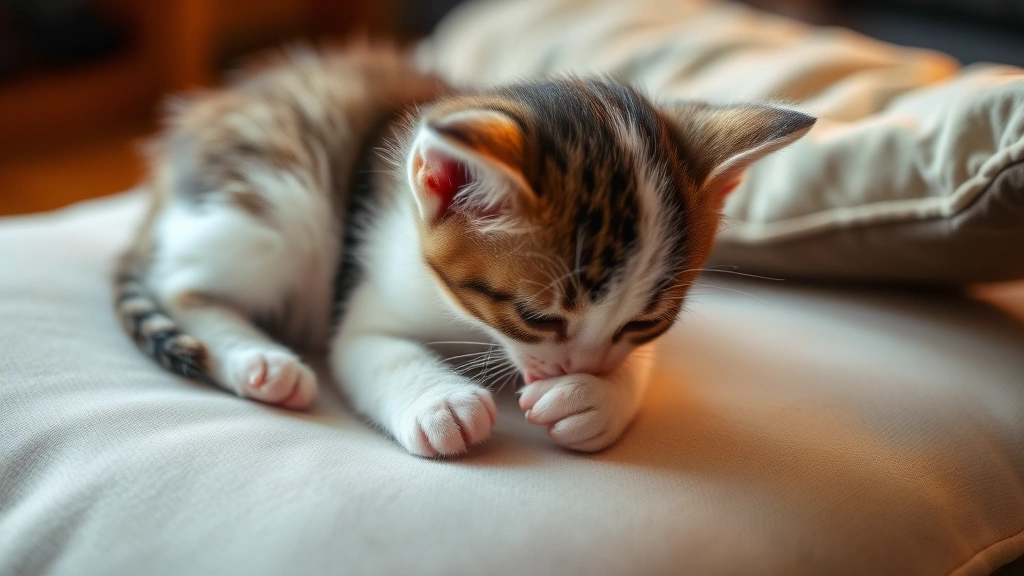
If you’ve noticed your kitten constantly licking or chewing at their paws, you’re probably wondering what’s going on—and whether you can talk to a vet about kitten licking paws online without a trip to the clinic. The good news is absolutely yes, and it’s often the fastest way to get answers when your little one is showing signs of discomfort.
Table of Contents
- Why Your Kitten Might Be Licking Their Paws Excessively
- The Benefits of Talking to a Vet About Kitten Paw Licking Online
- What to Show Your Online Vet During a Consultation
- Common Diagnoses Your Vet Might Discuss
- How to Prepare for Your Online Vet Appointment
- What Happens After Your Online Consultation
- When You Need More Than an Online Consultation
- Tips for Managing Kitten Paw Licking at Home
- Why Online Vets Are Perfect for Kitten Concerns
- What To Do Now
- Frequently Asked Questions
- Summary: Your Path Forward
This article is for informational purposes only and is not a substitute for professional veterinary advice. Always consult a licensed veterinarian for diagnosis and treatment.
Excessive paw licking in kittens is one of those behaviors that can make pet parents feel helpless. Is it just normal grooming? A sign of stress? An infection brewing beneath the surface? The truth is, it could be several things—which is exactly why getting professional eyes on the situation matters. With online veterinary consultations, you don’t have to wait for an appointment or load a stressed kitten into a carrier. You can connect with a licensed vet from your couch and get clarity fast.
Why Your Kitten Might Be Licking Their Paws Excessively
Kittens groom themselves constantly—it’s totally normal. But when paw licking crosses from casual grooming into obsessive behavior, something is usually triggering it. Understanding the possible causes helps you describe the issue clearly when you connect with a vet online.
Parasites like fleas are one of the most common culprits. Even indoor kittens can pick up fleas, and the itching drives them to lick and bite at their paws relentlessly. Allergies—whether food-related or environmental—can also cause persistent paw licking. Skin infections, both fungal and bacterial, frequently show up as focused licking on the paws.
Beyond physical causes, stress and anxiety can trigger excessive licking too. Kittens may lick their paws as a self-soothing behavior when they’re nervous or adjusting to a new environment. Catching this early puts you in a great position to help your kitten feel more comfortable.
The Benefits of Talking to a Vet About Kitten Paw Licking Online
Online veterinary consultations have transformed how pet owners get help. When you can talk to a vet about kitten licking paws through a telehealth platform, you’re saving time and reducing stress—both for you and your kitten.
Here’s what makes online consultations so practical:
- No carrier stress: Your kitten stays calm in a familiar environment instead of getting anxious during a car ride.
- Quick access: Many online vets offer same-day or next-day appointments, not weeks out.
- Lower pressure: You can ask questions in a relaxed setting without feeling rushed.
- Documentation: You’ll have a record of the conversation and any recommendations sent directly to you.
- Cost-effective: Telehealth visits are often more affordable than in-clinic appointments.
If you are unsure whether your pet needs urgent care, a quick telehealth check-in can give you peace of mind—no appointment needed.
What to Show Your Online Vet During a Consultation
When you schedule a video call with a veterinarian, being prepared makes the appointment more productive. Your vet will want to see the affected paws and hear details about your kitten’s behavior.
Gather this information before your appointment:
- Take clear photos or videos of your kitten’s paws, especially any visible redness, swelling, or hair loss.
- Note when the licking started and whether it’s constant or happens at certain times of day.
- Observe if your kitten is licking one paw or all four, and if there are any other symptoms (scratching, discharge, odor).
- Document your kitten’s diet, recent environment changes, and whether they go outdoors.
- Mention any other pets in the home and their health status.
This level of detail helps your online vet form a more accurate picture and may reduce the need for follow-up questions.
Common Diagnoses Your Vet Might Discuss
During your online consultation about kitten licking paws, your vet will likely explore several possibilities based on what they observe and what you describe.
Flea Allergy Dermatitis tops the list. Even a single flea bite can trigger intense itching in sensitive kittens. Your vet may recommend flea prevention products or treatments to address this.
Food allergies can cause paw licking, often accompanied by itching in other areas. Your vet might suggest an elimination diet or dietary changes to identify triggers.
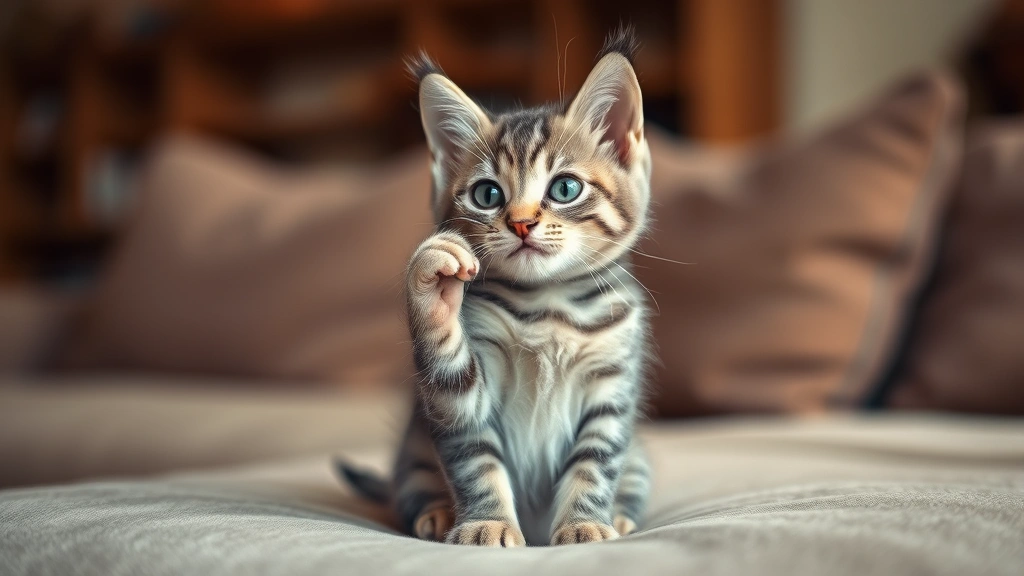
Fungal infections like ringworm are contagious and require specific treatment. Your vet will look for signs like circular patterns or scaling on the paws.
Bacterial infections may develop if your kitten has been licking and breaking the skin. These could be a sign of a secondary infection that needs attention.
Anxiety or stress-related licking is also possible, especially in young kittens adjusting to new homes. Your vet can suggest environmental enrichment or behavior strategies.
How to Prepare for Your Online Vet Appointment
Getting ready for a telehealth consultation doesn’t require much, but a little prep goes a long way in making the appointment effective.
First, choose a quiet space where you and your kitten can be seen clearly on video. Good lighting helps your vet examine your kitten’s paws properly. Have your kitten nearby—your vet will want to see them and potentially observe the licking behavior firsthand.
Write down any questions or concerns before the call starts. Keep your kitten’s medical history handy, including vaccination records and any previous health issues. If your kitten is on any supplements or medications, have those names ready.
Have your phone or computer fully charged, and test your internet connection beforehand to avoid technical hiccups during the appointment.
What Happens After Your Online Consultation
Once your online vet has assessed your kitten’s paw licking, they’ll discuss next steps with you. This might include recommendations for at-home care, preventive measures, or whether your kitten needs an in-person exam for additional testing.
Your vet may recommend topical treatments to soothe irritated paws, dietary adjustments, or environmental changes to reduce stress. They might also suggest over-the-counter products or discuss when a prescription treatment could help.
If your kitten needs blood work, skin scrapings, or other diagnostic tests, your vet will let you know whether you can handle this at home or need to visit a local clinic. Many online vets partner with local veterinary clinics to make follow-up care seamless.
You’ll typically receive a summary of the consultation via email, including notes and recommendations you can reference later.
When You Need More Than an Online Consultation
While telehealth is incredibly helpful for many situations, some cases require in-person evaluation. Your online vet will be honest about this and guide you toward the right next step.
If your kitten shows signs of severe infection, open wounds, or systemic illness, an in-person visit is necessary. If diagnostic testing like fungal culture or skin cytology is needed, you’ll need to visit a local clinic. Similarly, if your kitten’s condition doesn’t improve after initial recommendations, your vet may suggest a physical exam to explore other possibilities.
The key is that online consultations serve as a great starting point—they help you understand what’s happening and determine whether your kitten needs more intensive care.
Tips for Managing Kitten Paw Licking at Home
While you’re waiting for your online vet appointment or following up on recommendations, there are several things you can do to help your kitten feel more comfortable.
- Keep paws clean: Gently wipe your kitten’s paws with a damp cloth daily to remove irritants.
- Provide distractions: Engage your kitten with toys, climbing structures, and interactive play to redirect licking behavior.
- Create a calm environment: Reduce stress with quiet spaces, consistent routines, and calming pheromone products if recommended by your vet.
- Monitor food: Ensure your kitten is eating a high-quality diet appropriate for their age and health status.
- Regular grooming: Brush your kitten gently to check for parasites, irritation, or skin changes.
Why Online Vets Are Perfect for Kitten Concerns
Kittens are sensitive creatures, and unnecessary stress can impact their behavior and health. Online veterinary care removes barriers to getting professional advice quickly. When you can talk to a vet about kitten licking paws online, you’re choosing convenience without sacrificing quality care.
Licensed veterinarians on telehealth platforms have the same training and credentials as clinic-based vets. They can assess your kitten, ask detailed questions, and provide evidence-based recommendations—all from your home. For many kitten owners, this is the ideal starting point for addressing health concerns.
If you’re also concerned about other symptoms, check out our guides on talking to a vet about kitten itching online or kitten skin rashes. We’ve also covered online vet consultations for cat itching and ear infections in kittens for related concerns.
What To Do Now
Ready to get answers about your kitten’s paw licking? Here’s your action plan:
- Document the behavior: Take photos and notes about when and how often your kitten is licking their paws over the next 24-48 hours.
- Schedule an online vet appointment: Book a telehealth consultation with a licensed veterinarian at your earliest convenience.
- Prepare your information: Gather your kitten’s medical history, current diet, and any other relevant details about their environment and behavior.
- Have a video call: Connect with your vet and discuss what you’ve observed, showing them the paws and behavior if possible.
- Follow recommendations: Implement any at-home care strategies or treatments your vet suggests, and schedule a follow-up if needed.
Frequently Asked Questions
Is kitten paw licking always a sign of something serious?
Not necessarily. While some causes require treatment, many are manageable once identified. Your vet can determine whether it’s a minor issue or something that needs prompt attention.
Can I treat my kitten’s paw licking without seeing a vet?
It’s risky to self-diagnose. Without knowing the underlying cause, you might miss something important or use ineffective treatments. A quick online vet consultation gives you clarity and confidence in your next steps.
How long does an online vet appointment usually take?
Most telehealth consultations last 15-30 minutes, depending on the complexity of your kitten’s situation. This is often enough time for your vet to assess the issue and provide recommendations.
Can my indoor kitten get fleas, which cause paw licking?
Yes, indoor kittens can get fleas through various routes, including on clothing or through windows. Your vet can recommend appropriate prevention methods during your online consultation.
Will my online vet be able to prescribe treatment if needed?
Most licensed online vets can prescribe medications and treatments when appropriate. They’ll discuss options with you and may send prescriptions directly to a pharmacy or pet supply store.
Summary: Your Path Forward
Excessive paw licking in kittens deserves professional attention, and you absolutely can talk to a vet about kitten licking paws online. Telehealth consultations offer a stress-free, efficient way to get answers without the hassle of clinic visits. Whether your kitten is dealing with parasites, allergies, infections, or stress-related behavior, an online vet can help you identify the cause and create a treatment plan.
The best part? You’re taking action today. By scheduling an online consultation, you’re showing your kitten that you care about their comfort and well-being. Most kitten paw licking issues respond well to prompt, appropriate treatment—so reaching out to a vet is the right move.
Don’t let uncertainty linger. Connect with a licensed veterinarian online today and get your kitten on the path to healthier, happier paws.