
Yes, you can absolutely talk to a vet about dog ear infection online—and it’s often a smart first step when your pup starts shaking their head or scratching frantically at their ears. If you’ve noticed your dog acting uncomfortable, tilting their head, or producing an unusual odor from their ears, you’re probably feeling worried and want answers fast. The good news? Telehealth veterinary services like The Pet Vet make it possible to get professional guidance without leaving your home, often within minutes.
Table of Contents
- Why Online Vet Consultations Work Well for Ear Issues
- Common Signs Your Dog May Have an Ear Infection
- What to Expect During an Online Vet Consultation for Ear Infections
- Types of Ear Infections and What Causes Them
- When You Should Seek In-Person Veterinary Care
- How to Prepare for Your Online Vet Appointment
- Treatment Options Your Vet May Recommend
- Home Care Tips While Waiting for Treatment
- The Advantages of Telehealth for Ear Infection Concerns
- Preventing Future Ear Infections
- Frequently Asked Questions
- What to Do Now
- Summary
This article is for informational purposes only and is not a substitute for professional veterinary advice. Always consult a licensed veterinarian for diagnosis and treatment.
Why Online Vet Consultations Work Well for Ear Issues
Ear infections are one of the most common reasons pet owners reach out to vets, and they’re surprisingly well-suited to initial online assessment. A veterinarian can ask targeted questions about your dog’s symptoms, listen to your concerns, and often provide immediate guidance on next steps—all through a video call or chat.
During an online consultation, your vet will want to know details like how long the symptoms have been present, whether there’s discharge, what color it is, and if your dog seems to be in pain. This information helps them understand whether you’re dealing with a bacterial infection, yeast overgrowth, ear mites, or something else entirely.
The beauty of telehealth is the convenience. You don’t need to book weeks in advance, sit in a waiting room, or juggle your schedule around office hours. If you are unsure whether your pet needs urgent care, a quick telehealth check-in can give you peace of mind—no appointment needed.
Common Signs Your Dog May Have an Ear Infection
Recognizing the early warning signs can help you reach out to a vet sooner. Here are the most common indicators:
- Frequent head shaking or tilting
- Excessive scratching or pawing at the ears
- Redness or swelling inside the ear canal
- Unusual odor coming from the ears
- Discharge that may be yellow, brown, or black
- Crusting or scabbing around the ear
- Loss of balance or coordination (in severe cases)
- Behavioral changes like irritability or reluctance to be touched
Catching this early puts you in a great position to help your dog feel better quickly. Many ear infections respond well to treatment when addressed promptly.
What to Expect During an Online Vet Consultation for Ear Infections
When you schedule a telehealth appointment to discuss your dog’s ear infection, the process is straightforward and designed for your comfort. Your vet will ask about your dog’s medical history, current symptoms, and any treatments you’ve already tried.
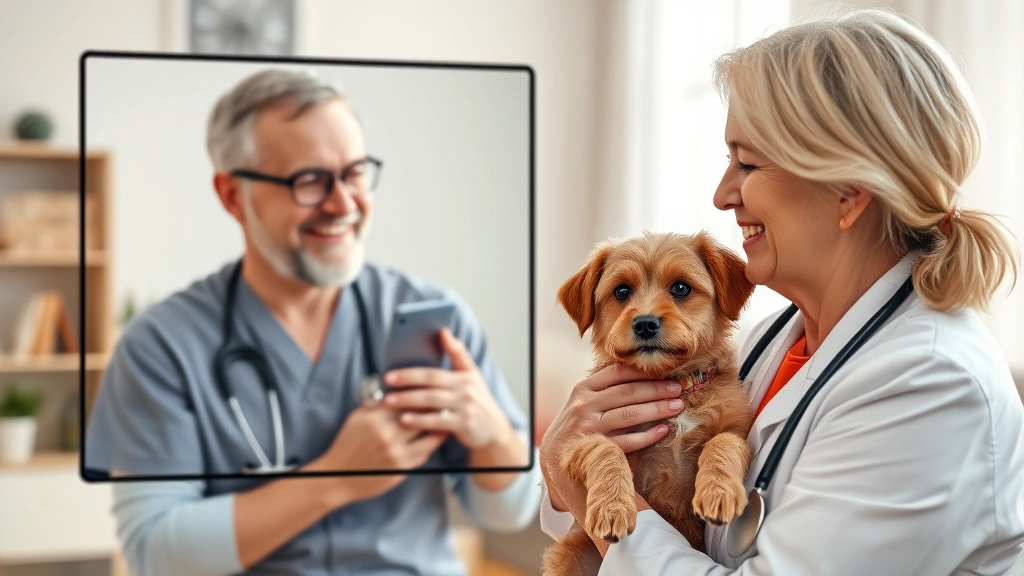
They may ask you to use your phone or tablet camera to show them inside your dog’s ear (though this isn’t always necessary). This visual information helps them assess redness, discharge, and overall ear health. Be prepared to describe any smells, the consistency of any discharge, and how long the issue has been going on.
Based on what they learn, your vet will discuss whether your dog needs an in-person exam, what home care steps you can take right now, and whether they can prescribe treatment. Many vets can send prescriptions directly to your pharmacy or pet supply store.
Types of Ear Infections and What Causes Them
Understanding what’s causing your dog’s ear infection helps you work better with your vet online. There are several common culprits:
Bacterial Infections: These often develop after moisture gets trapped in the ear or when the ear’s natural defenses are compromised. They may produce a yellow or greenish discharge.
Yeast Infections: Yeast thrives in warm, moist environments and can cause brown or black discharge with a distinctive musty smell. Dogs with allergies are especially prone to yeast ear infections.
Ear Mites: These tiny parasites are contagious between pets and create a dark, crumbly discharge. They’re more common in puppies and outdoor dogs.
Foreign Objects: Grass, dirt, or debris can lodge in the ear canal and cause irritation or secondary infection.
Allergies: Environmental or food allergies often lead to chronic ear issues. If your dog has recurring infections, allergies may be the underlying cause.
Your online vet can help narrow down the cause based on your description, which guides treatment decisions.
When You Should Seek In-Person Veterinary Care
While telehealth is incredibly useful, some situations require a hands-on examination. Your vet may recommend an in-person visit if:
- Your dog has severe pain or won’t let anyone touch their ears
- There’s significant swelling or the ear appears deformed
- Your dog has balance problems or neurological symptoms
- The infection hasn’t improved after initial treatment
- Your dog has a ruptured eardrum (indicated by severe symptoms)
- Your vet needs to collect a sample for laboratory analysis
Don’t worry if your vet recommends an in-person follow-up. This is actually a sign they’re being thorough and want to give your dog the best care possible.
How to Prepare for Your Online Vet Appointment
Getting organized before your telehealth call makes the consultation more effective. Here’s what to do:
- Write down when the symptoms started and how they’ve progressed
- Note any recent activities (swimming, grooming, new environment) that might be relevant
- Have your dog’s vaccination records and medical history handy
- Prepare your phone or tablet with good lighting and a stable connection
- Have your dog nearby but calm—your vet may want to see them on camera
- Keep a list of any medications or supplements your dog currently takes
Being prepared helps your vet gather the information they need quickly, so you can get answers and next steps faster.
Treatment Options Your Vet May Recommend
After assessing your dog’s ear infection online, your vet will discuss treatment strategies tailored to the underlying cause. Treatment varies depending on whether the infection is bacterial, fungal, parasitic, or related to allergies.
Your vet may recommend topical treatments that you apply directly to the ear, oral medications, or a combination of both. They’ll also likely suggest ear cleaning techniques to help remove debris and discharge—something you can do at home between vet visits.
For chronic or recurrent ear infections, your vet might discuss longer-term management strategies, including diet changes, allergy testing, or preventative care routines. The key is working with your vet to address not just the current infection, but the factors that keep causing them to come back.
Home Care Tips While Waiting for Treatment
While you’re arranging your telehealth consultation or waiting for treatment to start, you can take steps to help your dog feel more comfortable:
- Keep ears dry: Avoid baths and swimming until the infection clears, or use cotton balls to protect ears during water exposure
- Gentle cleaning: Ask your vet for recommendations on safe ear cleaning solutions; never use cotton swabs deep in the ear canal
- Reduce scratching: Consider an Elizabethan collar if your dog is scratching aggressively and causing secondary damage
- Monitor for changes: Keep notes on whether symptoms improve, worsen, or stay the same
- Avoid irritants: Keep your dog away from dusty environments and strong perfumes
These supportive steps complement professional treatment and help your dog recover faster.
The Advantages of Telehealth for Ear Infection Concerns
Choosing to talk to a vet about dog ear infection online offers several real advantages for pet owners. First, there’s speed—you can often connect with a licensed vet within minutes rather than waiting days for an appointment. Second, there’s accessibility. Whether you’re in a rural area with limited vet options or you have mobility challenges, telehealth removes barriers.

Cost is another factor. Telehealth consultations are typically more affordable than in-person visits, which can be especially helpful if you’re trying to get an initial assessment before committing to a full exam. Finally, there’s the comfort factor. Your dog may be calmer at home, and you can consult with your vet in your pajamas if you want to.
Telehealth doesn’t replace in-person veterinary care for everything, but for initial assessments, follow-ups, and guidance on ear infections, it’s a game-changer. Many pet owners find it’s the perfect complement to their regular vet relationship, like having a trusted advisor available 24/7.
Preventing Future Ear Infections
Once your dog’s current ear infection clears, ask your vet about prevention strategies. Some dogs are simply more prone to ear issues due to breed, ear shape, or underlying allergies, but there’s still plenty you can do.
Regular ear checks—even just a quick visual inspection once a week—help you catch problems early. Keep your dog’s ears dry, especially after swimming or baths. If your dog swims frequently, ask your vet about preventative ear drops. For dogs with allergies, working with your vet to manage the underlying allergy often prevents recurring ear infections.
Grooming is another preventative tool. If your dog has hair that grows inside the ear canal, regular grooming can improve air circulation and reduce moisture buildup.
Frequently Asked Questions
Can a vet diagnose an ear infection through video alone?
A vet can often make a preliminary assessment and recommend next steps through video, but a definitive diagnosis sometimes requires an in-person exam where they can look deep into the ear canal with an otoscope and potentially collect samples.
How quickly can I get a telehealth appointment for my dog’s ear issue?
Many telehealth services, including The Pet Vet, can connect you with a vet within minutes to an hour, depending on availability. It’s much faster than traditional vet scheduling.
Will my vet prescribe treatment during an online consultation?
Yes, if your vet determines it’s appropriate based on your description and your dog’s symptoms, they can often prescribe treatment that gets sent to your pharmacy or pet supply store.
Is telehealth appropriate for severe ear infections?
For severe infections—especially those with signs of pain, swelling, or balance problems—your vet will likely recommend an in-person exam to ensure proper diagnosis and treatment.
Can I use telehealth for follow-up care after an in-person exam?
Absolutely. Many pet owners use telehealth for follow-ups to check on progress, adjust treatment, or discuss concerns without making another in-person trip.
What to Do Now
- Schedule a telehealth consultation with The Pet Vet or your preferred provider to discuss your dog’s ear symptoms—aim to do this within the next 24 hours if symptoms are severe
- Before your appointment, write down specific details about when the ear issues started, what you’ve observed, and any recent activities that might be relevant
- Prepare your phone or tablet and ensure you have a stable internet connection for a smooth video consultation
- Follow your vet’s recommendations for home care while you wait for treatment to begin or arrive
- Keep notes on your dog’s progress over the next few days to share with your vet during follow-up consultations
Summary
Yes, you can absolutely talk to a vet about dog ear infection online, and it’s a practical, efficient way to get professional guidance when your dog is uncomfortable. Telehealth makes it possible to reach a licensed veterinarian quickly, discuss your dog’s symptoms in detail, and often receive treatment recommendations or prescriptions without leaving home.
While some ear infections may eventually require an in-person exam, starting with an online consultation gives you answers, peace of mind, and a clear path forward. Whether your dog is dealing with a bacterial infection, yeast overgrowth, ear mites, or an allergy-related issue, your vet can help you understand what’s happening and what to do next.
Don’t let your dog suffer through ear discomfort. Reach out to a telehealth vet today and take the first step toward getting your pup feeling better. You can also explore related concerns like dog shaking or learn more about when to seek care for respiratory infections. If you have other pets, we also cover topics like cat vomiting concerns online as well.
This article is for general education and is not a substitute for care from your own veterinarian. Learn about The Pet Vet and our editorial policy.