
Yes, you can absolutely talk to a vet about kitten coughing online, and doing so might be exactly what your worried kitten needs right now. If your little furball has developed a persistent cough, it’s natural to feel concerned—but the good news is that veterinary telehealth makes getting professional guidance faster and easier than ever before.
Table of Contents
- Why Online Vet Consultations Work So Well for Kitten Coughing
- Common Reasons Why Kittens Cough
- What Information to Have Ready for Your Online Vet Visit
- How the Online Consultation Process Actually Works
- When Kitten Coughing Needs Urgent In-Person Care
- What to Expect After Your Online Consultation
- Why Telehealth Veterinary Care Is Perfect for Worried Kitten Parents
- Related Respiratory Issues Worth Understanding
- Creating a Comfortable Environment During Your Kitten’s Recovery
- Key Takeaways: Getting Help for Your Coughing Kitten Online
- Frequently Asked Questions
- What To Do Now
This article is for informational purposes only and is not a substitute for professional veterinary advice. Always consult a licensed veterinarian for diagnosis and treatment.
Why Online Vet Consultations Work So Well for Kitten Coughing
Telehealth veterinary visits have transformed how pet owners access care. Instead of scrambling to find an appointment slot weeks away, you can connect with a licensed vet from your couch—often within hours. For kitten coughing, this convenience matters tremendously because early assessment can prevent minor issues from becoming serious problems.
The beauty of online consultations is that vets can ask detailed questions about your kitten’s symptoms, medical history, and environment. They can observe your kitten’s behavior through video, assess respiratory patterns, and provide initial guidance on next steps. It’s not a replacement for hands-on examination, but it’s a powerful first line of assessment.
Common Reasons Why Kittens Cough
Understanding what might be causing your kitten’s cough helps you describe symptoms more clearly to the vet. Kittens cough for various reasons, and not all are emergencies—but some do warrant prompt attention.
Upper Respiratory Infections: These are extremely common in young kittens, especially those in shelters or multi-cat environments. Your kitten may be experiencing sneezing, nasal discharge, or a wet-sounding cough alongside the respiratory symptoms.
Hairballs: Kittens groom themselves constantly, and sometimes that ingested fur triggers coughing fits. Hairball-related coughs are usually short and sporadic rather than persistent.
Foreign Objects: Curious kittens sometimes inhale or swallow small items. If the cough started suddenly after play, this could be a consideration worth mentioning to your vet.
Asthma or Allergies: Yes, cats can develop asthma. Allergic reactions to environmental factors or food may also trigger coughing. These tend to be recurring rather than one-time events.
Heart Conditions: While less common in young kittens, certain congenital heart issues can cause coughing. Catching this early puts you in a great position to help your kitten thrive long-term.
Parasites: Worms and other parasites can irritate the respiratory tract. This is especially relevant for kittens who spend time outdoors or came from unknown backgrounds.
What Information to Have Ready for Your Online Vet Visit
Preparation makes your telehealth consultation more productive. When you schedule your call, gather these details beforehand:
- How long has the cough been happening (days, weeks)?
- How often does it occur (constant, occasional, only at certain times)?
- What does the cough sound like (dry, wet, honking, wheezing)?
- Are there other symptoms (sneezing, discharge, lethargy, loss of appetite)?
- Your kitten’s age, weight, and vaccination status
- Any recent changes in environment, diet, or exposure to other animals
- Whether your kitten has been around sick animals recently
- Video of the cough if possible (this is incredibly helpful for vets)
Having this information ready means your vet can provide more accurate guidance and you’ll use your consultation time efficiently.
How the Online Consultation Process Actually Works
Most telehealth platforms, including The Pet Vet, follow a straightforward process. You’ll schedule an appointment at a time that works for you, then join a video call with a licensed veterinarian. The vet will ask questions, observe your kitten on camera, and discuss your concerns in detail.
During the call, be prepared to show your kitten’s behavior, demonstrate any symptoms if possible, and answer questions about your home environment. The vet might ask you to gently check your kitten’s temperature or listen to breathing patterns so they can gather more information.
After the consultation, you’ll receive recommendations. These might include home care instructions, suggestions for in-person examination if needed, or guidance on when to seek emergency care. Many vets provide written summaries of the visit for your records.
When Kitten Coughing Needs Urgent In-Person Care
While online consultations are incredibly helpful, some situations require immediate hands-on veterinary evaluation. Know the red flags that mean your kitten needs an emergency vet visit right away.
Seek emergency care if your kitten is struggling to breathe, making unusual sounds while breathing, has pale or bluish gums, is lethargic or unresponsive, refuses food or water for more than a few hours, or has a cough accompanied by vomiting or difficulty swallowing. These signs suggest your kitten may be experiencing respiratory distress or another serious condition.
Additionally, if your kitten has a high fever, is coughing up blood or discolored discharge, or seems to be in pain, don’t wait for a telehealth appointment—head to an emergency clinic. Your kitten’s safety comes first, and vets understand this completely.
What to Expect After Your Online Consultation
Once you’ve talked to a vet about your kitten’s cough online, you’ll have a clearer picture of what’s happening. The vet might recommend supportive care at home, such as ensuring your kitten stays hydrated, using a humidifier, or monitoring symptoms closely.
In many cases, the vet will suggest follow-up care. This could be a second telehealth check-in after a few days, an in-person visit with a local veterinarian, or specific instructions on when to escalate care if symptoms worsen. Trust your vet’s recommendations—they’re based on their professional experience and your kitten’s specific situation.
Keep detailed notes about your kitten’s symptoms and any changes you observe. If the cough improves, that’s wonderful information to share in a follow-up. If it worsens or new symptoms develop, document those too.
Why Telehealth Veterinary Care Is Perfect for Worried Kitten Parents
Let’s be honest: watching your kitten cough is stressful. You want answers, and you want them now. Telehealth removes barriers to getting professional guidance. You don’t need to find childcare, take time off work, or drive across town. You simply open your phone or computer and connect with a vet who can help.
This accessibility is especially valuable for first-time kitten owners who might be uncertain whether symptoms are normal or concerning. A quick telehealth check-in can give you peace of mind—no appointment needed for many platforms, and you can often get seen the same day.
Additionally, telehealth visits are usually more affordable than traditional in-person appointments, which means cost won’t prevent you from seeking professional guidance. Your kitten’s health matters, and convenient access to care supports that priority.
Related Respiratory Issues Worth Understanding
Kitten coughing doesn’t exist in isolation. Many respiratory symptoms overlap or occur together. Feline upper respiratory infections often accompany coughing and may include nasal congestion in cats. If your kitten is also breathing fast, that’s another symptom worth mentioning to your vet.
Some kittens experience shaking or trembling alongside respiratory issues. If this applies to your kitten, you might also find our guide on kitten shaking helpful for understanding multiple symptoms together.

For comparison, if you have a puppy with similar coughing concerns, the process is similar—learn more about puppy coughing online consultations to see how telehealth works across different species.
Creating a Comfortable Environment During Your Kitten’s Recovery
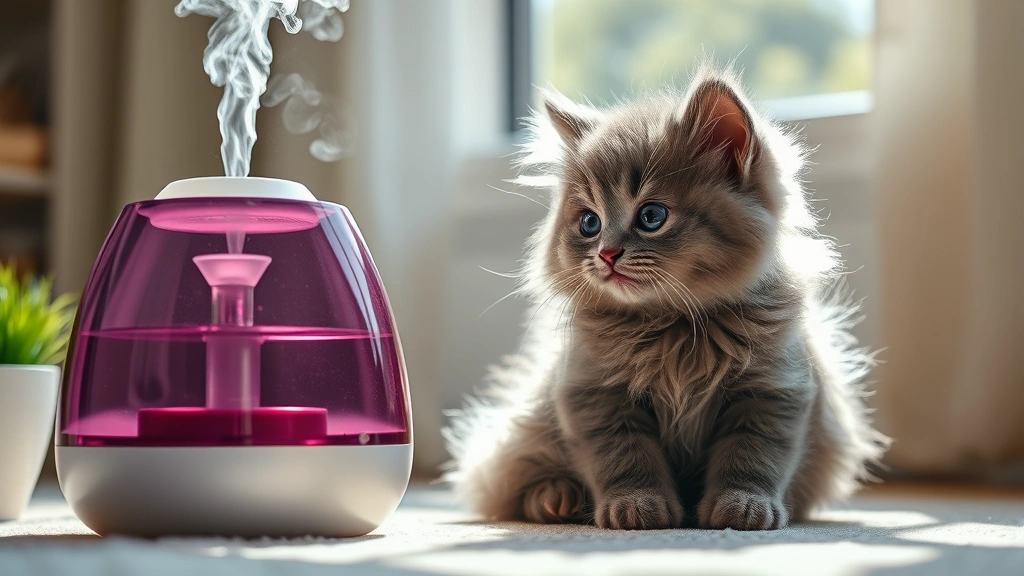
While you wait for or after your vet consultation, you can support your kitten’s comfort at home. Ensure your kitten has access to fresh water at all times—hydration helps loosen secretions and soothes irritated airways. Consider using a humidifier in the room where your kitten spends most time, as moisture in the air can ease coughing.
Keep your kitten in a calm, stress-free environment. Stress can worsen respiratory symptoms, so minimize loud noises, sudden changes, and overstimulation. If your kitten has lost interest in eating, offer small, frequent meals of their favorite food to maintain nutrition.
Monitor your kitten’s behavior and breathing patterns closely. Note any changes—improvement or worsening—to share with your vet. This information helps guide next steps in care.
Key Takeaways: Getting Help for Your Coughing Kitten Online
Yes, you absolutely can talk to a vet about kitten coughing online, and it’s often the fastest, most convenient way to get professional guidance. Telehealth veterinary consultations connect you with licensed vets who can assess your kitten’s symptoms, answer your questions, and recommend appropriate next steps.
The process is straightforward: gather information about your kitten’s cough, schedule an appointment, join a video call with the vet, and receive professional recommendations. In most cases, this gives you the clarity and peace of mind you need.
Remember that while online consultations are powerful tools, they’re part of a broader spectrum of veterinary care. If your kitten shows signs of respiratory distress or other emergency symptoms, seek in-person emergency care immediately. Your kitten’s safety is the priority.
Don’t let uncertainty keep you from reaching out for help. Your kitten’s cough might be something minor that resolves quickly with proper guidance, or it might be something that benefits from specific treatment. Either way, getting professional input is the right move.
Frequently Asked Questions
Can a vet diagnose my kitten’s cough through a video call?
A vet can provide an initial assessment and guidance through video, but definitive diagnosis often requires in-person examination or diagnostic tests like X-rays. Telehealth is excellent for determining urgency and next steps.
How quickly can I get a telehealth appointment for my kitten’s cough?
Many telehealth platforms, including The Pet Vet, offer same-day or next-day appointments. Some even have walk-in availability, making it much faster than traditional veterinary clinics.
Will my kitten need antibiotics for coughing?
That depends entirely on the underlying cause. Your vet will determine whether antibiotics or other treatments are appropriate based on their assessment. Not all coughs require antibiotics.
Is it normal for kittens to cough occasionally?
Occasional coughing can happen, but persistent or frequent coughing warrants veterinary evaluation. When in doubt, a quick telehealth consultation provides clarity without unnecessary worry.
What if the telehealth vet says my kitten needs in-person care?
The vet will provide recommendations for local veterinary clinics or emergency care if needed. They can also help you understand urgency so you know whether it’s routine or emergency.
What To Do Now
- Schedule a telehealth consultation: Contact The Pet Vet or another reputable telehealth platform to book an appointment for your kitten’s cough. Most can see you within 24 hours.
- Gather symptom information: Write down details about when the cough started, how often it occurs, what it sounds like, and any other symptoms your kitten is showing. Include a video if possible.
- Create a comfortable recovery space: Set up a quiet area with fresh water, a humidifier, and minimal stressors while you await your consultation.
- Monitor for emergency signs: Watch for breathing difficulty, lethargy, or loss of appetite. If you notice these, seek emergency care immediately rather than waiting for a scheduled appointment.
- Follow your vet’s recommendations: After your consultation, implement the guidance provided and schedule any follow-up visits or in-person exams if recommended.