
Yes, you can absolutely talk to a vet about puppy diarrhea online, and doing so might be one of the smartest moves you make as a new puppy parent. If your little one is experiencing loose stools or frequent bathroom trips, you’re probably worried—and that’s completely understandable. The good news? A licensed veterinarian can evaluate your puppy’s symptoms, ask detailed questions about their diet and behavior, and help you figure out next steps without you having to leave home.
Table of Contents
- Why Online Vet Consultations Work So Well for Puppy Diarrhea
- What Your Online Vet Will Ask About
- Common Causes of Puppy Diarrhea Your Vet Will Discuss
- How to Prepare for Your Online Vet Visit
- What to Expect During a Telehealth Consultation
- Home Care Tips While You Wait for Your Vet Consultation
- When Your Puppy Needs Urgent In-Person Care
- Understanding dog gastrointestinal issues causes and prevention
- The Convenience Factor: Why Online Vet Visits Make Sense for Puppy Parents
- What Happens After Your Online Consultation
- Related Concerns: Puppy Vomiting and Other Digestive Issues
- Foods to Avoid and Recovery Tips
- Frequently Asked Questions
- What To Do Now
- Summary
This article is for informational purposes only and is not a substitute for professional veterinary advice. Always consult a licensed veterinarian for diagnosis and treatment.
Why Online Vet Consultations Work So Well for Puppy Diarrhea
Telehealth veterinary visits have transformed how pet owners get answers. When your puppy has diarrhea, you don’t always need a physical exam right away—you need information, reassurance, and a plan. An online vet can gather critical details about your puppy’s symptoms, recent diet changes, and overall behavior through a video call.
Many cases of puppy diarrhea are mild and resolve quickly with simple dietary adjustments or monitoring at home. A vet can help you determine whether your puppy needs an in-person visit or if home care will do the trick. This saves you time, stress, and often money.
What Your Online Vet Will Ask About
When you connect with a veterinarian online about your puppy’s digestive issues, be ready to share specific details. The vet will want to know:
- How long the diarrhea has been happening
- What the stool looks like (color, consistency, presence of mucus or blood)
- How many times per day your puppy is having bowel movements
- Any recent changes to food or treats
- Whether your puppy is eating and drinking normally
- Signs of lethargy, vomiting, or abdominal pain
- Your puppy’s vaccination status
- Any medications or supplements your puppy is taking
Having this information ready makes the consultation smoother and helps the vet give you the most accurate guidance.
Common Causes of Puppy Diarrhea Your Vet Will Discuss
Puppies have sensitive digestive systems, and diarrhea is one of the most common complaints new owners face. Understanding what might be causing it can ease your mind. According to the American Veterinary Medical Association, common culprits include:
- Dietary indiscretion: Your puppy ate something they shouldn’t have (garbage, human food, or too many treats)
- Food sensitivity: A reaction to a specific ingredient in their current food
- Parasites: Intestinal worms or protozoa, especially in young puppies
- Bacterial or viral infections: Contagious bugs that spread among puppies
- Stress: Changes in environment, new home, or separation anxiety
- Rapid food transitions: Switching foods too quickly without a gradual blend
An online vet can help narrow down which of these is most likely based on your puppy’s history and symptoms. Catching this early puts you in a great position to help your pup feel better fast.
How to Prepare for Your Online Vet Visit
Getting the most out of a telehealth consultation means being organized. Here’s what to do beforehand:
- Write down when the diarrhea started and any patterns you’ve noticed
- Take a photo or video of your puppy’s stool (yes, really—vets find this helpful)
- Have your puppy’s current food bag or label available to show the vet
- List any treats, table food, or new items your puppy has eaten recently
- Note your puppy’s energy level, appetite, and any other symptoms
- Have your puppy’s vaccination records handy
Being prepared means the vet can spend less time gathering information and more time actually helping you solve the problem.
What to Expect During a Telehealth Consultation
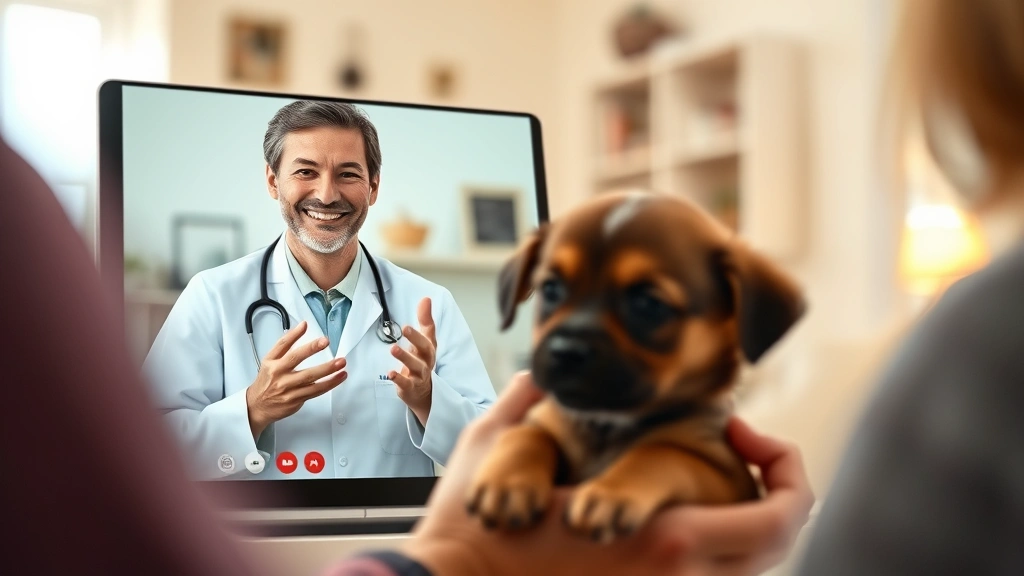
An online vet visit typically lasts 15–30 minutes, depending on complexity. You’ll connect via video call with a licensed veterinarian who will ask questions, observe your puppy on camera if possible, and discuss your options. The vet may recommend home care, dietary changes, or suggest that your puppy needs an in-person examination or laboratory tests.
Many online vets can send prescriptions directly to your pharmacy or a local veterinary clinic. Some telehealth platforms also allow you to upload photos or videos before the call, giving the vet a head start on understanding your puppy’s situation.
Home Care Tips While You Wait for Your Vet Consultation
If your puppy is otherwise acting normal and eating, there are gentle steps you can take at home while you arrange to talk to a vet. These measures often help settle an upset stomach:
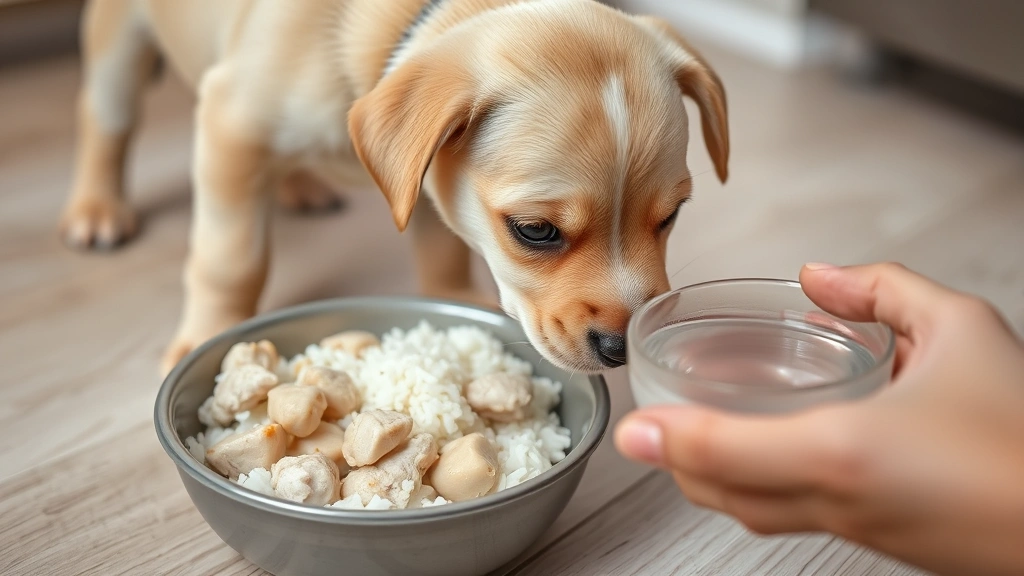
- Offer bland food: Plain boiled chicken, white rice, or a prescription digestive diet (ask your vet which is best)
- Feed smaller, more frequent meals: Instead of one large meal, try three or four smaller portions
- Ensure fresh water: Keep water available but don’t let your puppy gulp large amounts at once
- Avoid treats and table scraps: Stick to their regular food until symptoms resolve
- Monitor bathroom habits: Keep track of frequency and appearance for your vet
These simple changes work well for mild cases and show your vet you’ve been proactive about your puppy’s care.
When Your Puppy Needs Urgent In-Person Care
While many cases of puppy diarrhea are manageable online, some situations require immediate veterinary attention. If your puppy shows any of these signs, skip the telehealth visit and go straight to an emergency vet or your regular clinic:
- Diarrhea with blood or black, tarry stools
- Severe lethargy or unresponsiveness
- Repeated vomiting along with diarrhea
- Signs of severe abdominal pain (whining, hunched posture, reluctance to move)
- Dehydration (dry gums, sunken eyes, skin that doesn’t bounce back when pinched)
- Diarrhea lasting more than 48 hours despite home care
- Fever or other signs of illness
Your puppy’s safety comes first, and an in-person vet can perform a thorough physical exam and run tests if needed. Don’t hesitate to seek urgent care if something feels seriously wrong.
Understanding dog gastrointestinal issues causes and prevention
Prevention is always easier than treatment. Once you’ve resolved your puppy’s current diarrhea, your online vet can help you avoid future episodes. This might involve discussing the best food for your puppy’s age and digestive sensitivity, learning about foods to avoid, and establishing good habits around treats and human food.
Many vets recommend gradually introducing new foods over 7–10 days, using high-quality puppy formulas, and keeping your puppy up to date on vaccinations and parasite prevention—all things you can discuss during a telehealth appointment.
The Convenience Factor: Why Online Vet Visits Make Sense for Puppy Parents
Let’s be real: getting a puppy to the vet clinic can be stressful. There’s the car ride, the waiting room, and the stress of a new environment. A telehealth visit lets you stay home, keep your puppy calm, and still get expert advice. If you are unsure whether your pet needs urgent care, a quick telehealth check-in can give you peace of mind — no appointment needed.
Plus, online consultations are often faster to schedule than in-person visits. Many platforms offer same-day or next-day appointments, which is huge when you’re worried about your puppy’s health.
What Happens After Your Online Consultation
After your vet visit, you’ll receive a summary of the consultation and any recommendations. This might include a prescription, dietary suggestions, or instructions to monitor your puppy and follow up if symptoms worsen. Some telehealth platforms allow you to message your vet with follow-up questions over the next few days.
If your puppy doesn’t improve or gets worse, you can easily schedule another telehealth visit or ask for an in-person referral. This flexibility is one of the biggest advantages of online veterinary care.
Related Concerns: Puppy Vomiting and Other Digestive Issues
Diarrhea often comes alongside other digestive complaints. If your puppy is also vomiting, you can discuss that during your telehealth visit too. Check out our guide on puppy vomiting online consultations for more details on that symptom. Similarly, if you have a kitten with digestive issues, kitten diarrhea can also be addressed online.
Behavioral issues sometimes trigger digestive upset too. If stress or anxiety seems to be a factor, you might also benefit from discussing puppy behavior problems online with a vet.
Foods to Avoid and Recovery Tips
During and after a bout of diarrhea, certain foods can make things worse. Your online vet can provide detailed guidance, but generally, you’ll want to avoid fatty foods, dairy, high-fiber treats, and anything new until your puppy fully recovers. For a comprehensive list, see our article on gastrointestinal issues foods to avoid.
Recovery timelines vary depending on the cause. Your vet will give you realistic expectations during your consultation and explain how long you should expect to see improvement. Understanding gastrointestinal issues recovery time helps you stay patient and know when to follow up if things aren’t improving.
Frequently Asked Questions
Can a vet diagnose the cause of diarrhea without seeing my puppy in person?
Often yes, based on your detailed description and history. However, if parasites or infection are suspected, the vet may recommend lab tests that require an in-person visit or a sample you can drop off.
How much does an online vet consultation cost for diarrhea?
Telehealth visits typically cost $30–$75, which is often less than an in-person visit. Prices vary by platform and veterinarian.
Will my online vet be able to prescribe medication if needed?
Yes, licensed vets can prescribe medications during telehealth visits in most states. The prescription can be sent to your pharmacy or a local vet clinic.
Is it safe to only do an online visit, or should I follow up in person?
It depends on your puppy’s symptoms and the vet’s recommendation. Mild cases often resolve with online guidance alone, but the vet may suggest an in-person exam if they suspect a serious issue.
How quickly can I get an online vet appointment for my puppy’s diarrhea?
Many telehealth platforms offer same-day or next-day appointments. Some even have vets available within hours, making it fast and convenient.
What To Do Now
- Gather information about your puppy’s diarrhea (when it started, frequency, appearance, and any diet changes)
- Schedule a telehealth consultation with a licensed veterinarian through a trusted platform like The Pet Vet
- Prepare your puppy’s food label and vaccination records before your appointment
- During the visit, ask about home care steps, dietary adjustments, and when to seek in-person care
- Follow your vet’s recommendations and monitor your puppy closely over the next few days
Summary
Yes, you can definitely talk to a vet about puppy diarrhea online, and it’s often the fastest, easiest way to get expert help. Telehealth vets can assess your puppy’s symptoms, discuss possible causes, and recommend treatment—all without leaving your home. Most cases of puppy diarrhea are mild and respond well to dietary changes and home care, which your online vet can guide you through step by step.
By connecting with a licensed veterinarian early, you’ll get peace of mind and a clear plan to help your puppy feel better. Whether your puppy needs simple home care or a follow-up in-person visit, an online consultation is an excellent first step.
This article is for general education and is not a substitute for care from your own veterinarian. Learn about The Pet Vet and our editorial policy.