
If you’ve noticed your cat limping, licking their paws obsessively, or showing signs of discomfort around their nails, you may be dealing with paronychia in cats—a condition that affects the nail bed and surrounding tissue. This is one of those health issues that can make any cat owner feel worried, but the good news is that with proper care and the right treatment approach, most cats recover well.
Table of Contents
- What Is Paronychia in Cats?
- Common Causes of Paronychia in Cats
- Signs Your Cat May Have Paronychia
- How Veterinarians Diagnose Paronychia
- 7 Proven Medications for Treating Paronychia in Cats
- Supporting Your Cat’s Recovery With Proper Nutrition
- At-Home Care and Prevention Strategies
- When to Seek Urgent Veterinary Care
- What to Do Now: Your Action Plan
- Frequently Asked Questions
- Summary: Managing Paronychia in Cats
This article is for informational purposes only and is not a substitute for professional veterinary advice. Always consult a licensed veterinarian for diagnosis and treatment.
Paronychia is more common than many pet owners realize, and it can develop for several reasons. Whether it’s due to infection, trauma, or underlying health conditions, understanding what’s happening with your cat’s paws is the first step toward getting them relief.
What Is Paronychia in Cats?
Paronychia refers to inflammation of the tissue surrounding the nail, called the nail fold. In cats, this condition can be painful and may cause swelling, redness, or discharge around the affected nail.
Think of the nail fold as a protective sleeve around your cat’s claw. When this area becomes inflamed or infected, it can interfere with your cat’s ability to walk comfortably and groom themselves properly. The condition can affect one nail or multiple nails on the same or different paws.
Common Causes of Paronychia in Cats
Understanding what triggers paronychia can help you prevent future occurrences. The most common culprits include:
- Bacterial infections—often secondary to trauma or moisture
- Fungal infections—particularly in cats with compromised immune systems
- Trauma or injury—from scratching, fighting, or nail overgrowth
- Allergies—food allergies or environmental sensitivities can increase susceptibility
- Autoimmune conditions—such as pemphigus or lupus
- Poor nail hygiene—accumulated debris or moisture around the nail
- Underlying metabolic issues—diabetes or thyroid problems may increase risk
Catching the underlying cause early puts you in a great position to help your cat recover faster and prevent recurrence.
Signs Your Cat May Have Paronychia
Cats are often stoic about pain, so watch for subtle behavioral changes. Your cat may be experiencing paronychia if they show any of these signs:
- Excessive licking or chewing at the paws
- Limping or reluctance to bear weight on affected paw
- Swelling or redness around the nail area
- Discharge (pus or clear fluid) near the nail
- Nail deformity or discoloration
- Behavioral changes like increased irritability
- Difficulty walking or climbing
If you notice any combination of these symptoms, a veterinary evaluation is important to rule out other conditions and identify the root cause.
How Veterinarians Diagnose Paronychia
Your veterinarian will begin with a physical examination of the affected paw, looking closely at the nail and surrounding tissue. They may gently manipulate the area to assess pain and swelling.
To identify the specific cause, your vet might recommend:
- Cytology—examining cells or discharge under a microscope
- Bacterial or fungal culture—to identify the specific organism responsible
- Blood work—to check for underlying metabolic or immune issues
- Radiographs—to rule out bone involvement or other structural problems
This diagnostic approach ensures your cat receives targeted treatment rather than a one-size-fits-all approach.
7 Proven Medications for Treating Paronychia in Cats
Treatment depends on the underlying cause, but here are the most commonly prescribed medications that veterinarians use to manage paronychia:

1. Topical Antibiotics
Antibiotic ointments or solutions applied directly to the affected nail area help control bacterial infections. These are often a first-line treatment for mild to moderate cases and work by killing bacteria at the infection site. Your veterinarian will show you how to apply these safely without irritating your cat’s skin.
2. Systemic Antibiotics
For more severe bacterial infections, oral antibiotics may be necessary to reach the infection throughout your cat’s body. These medications circulate through the bloodstream and penetrate deep into affected tissue, making them effective for infections that topical treatments alone cannot address.
3. Antifungal Medications
If a fungal infection is identified, your vet may prescribe oral or topical antifungal agents. These medications work differently than antibiotics and are specifically designed to disrupt fungal cell membranes. Treatment duration is typically longer than for bacterial infections.
4. Anti-Inflammatory Medications
Reducing inflammation is crucial for pain management and healing. Anti-inflammatory medications can decrease swelling around the nail fold, making your cat more comfortable and allowing them to use their paw more normally during recovery.
5. Pain Relief Medications
Cats with paronychia often experience significant discomfort. Pain relief medications help your cat move more freely and may reduce the urge to constantly lick or chew at the affected area, which can slow healing.
6. Immunosuppressive Medications
If paronychia is linked to autoimmune conditions, your veterinarian may recommend medications that help regulate your cat’s immune response. These are typically reserved for cases where infection or trauma isn’t the primary cause.
7. Topical Antifungal or Antibacterial Washes
Medicated soaks or washes can be used as supportive care alongside other treatments. These help keep the area clean, reduce bacterial load, and promote healing when used as directed by your veterinarian.
Your vet will choose the right combination of these medications based on your cat’s specific diagnosis and overall health status.
Supporting Your Cat’s Recovery With Proper Nutrition
While medications do the heavy lifting, nutrition plays a supporting role in your cat’s recovery. A diet rich in quality protein and essential fatty acids supports skin and nail health. Consider discussing feeding for coat health with your veterinarian, as healthy skin and nails often go hand in hand.
Additionally, supporting your cat’s immune system through proper nutrition can help prevent secondary infections and speed recovery. Your vet may recommend exploring feeding for immune support as part of a comprehensive treatment plan.
If your cat has food allergies contributing to paronychia, an elimination diet feeding plan might be recommended to identify and avoid trigger foods. Understanding which foods cats should avoid can also prevent flare-ups.
At-Home Care and Prevention Strategies
Beyond medication, several at-home practices can accelerate healing and prevent future episodes:
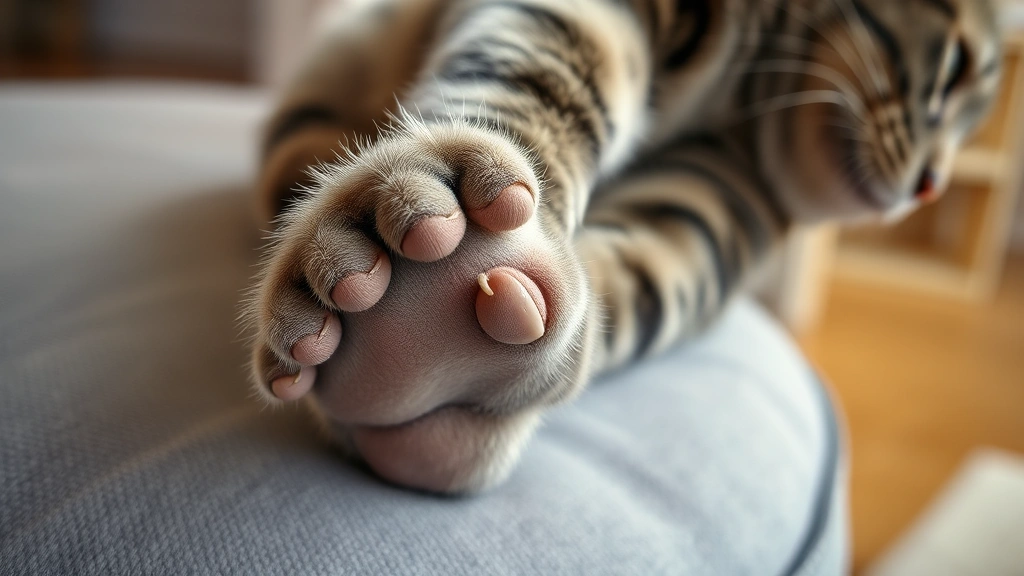
- Keep paws dry—Moisture creates an ideal environment for infection. Dry your cat’s paws thoroughly after baths or outdoor exposure.
- Regular nail trimming—Overgrown nails are more prone to trauma. Trim nails every 2-3 weeks or as recommended by your vet.
- Monitor for licking—Excessive licking can introduce bacteria and delay healing. Use a cone if necessary to prevent your cat from traumatizing the area.
- Clean the area gently—Wash the affected paw with warm water and mild soap, then pat dry completely.
- Minimize stress—Stress can compromise immune function. Provide a calm, comfortable environment during recovery.
When to Seek Urgent Veterinary Care
Most cases of paronychia respond well to treatment, but certain signs warrant urgent attention. Seek immediate veterinary care if you notice:
- Spreading redness or swelling beyond the nail area
- Signs of systemic infection (fever, lethargy, loss of appetite)
- Pus or foul-smelling discharge
- Your cat unable to bear weight on the affected paw
- No improvement after one week of treatment
If you are unsure whether your pet needs urgent care, a quick telehealth check-in with The Pet Vet can give you peace of mind—no appointment needed. Sometimes a professional second opinion can clarify whether your cat needs in-person examination or if home care adjustments might help.
What to Do Now: Your Action Plan
If you suspect your cat has paronychia, here’s what you should do:
- Schedule a veterinary examination as soon as possible to get an accurate diagnosis and rule out serious conditions.
- Gather information about when symptoms started, which paws are affected, and any recent injuries or changes in behavior.
- Prepare your home for treatment by setting up a comfortable recovery space away from moisture and dirt.
- Follow medication instructions carefully and complete the full course even if symptoms improve.
- Document progress with photos and notes to share with your vet at follow-up appointments.
Frequently Asked Questions
Can paronychia in cats go away on its own?
Mild cases might improve with excellent home care, but most cases require veterinary treatment to prevent complications and ensure complete healing.
Is paronychia contagious to other cats or humans?
If caused by fungal infection, it may spread to other pets; bacterial cases are typically not contagious but require proper hygiene to prevent reinfection.
How long does it take to treat paronychia in cats?
Treatment duration varies from 2-6 weeks depending on severity and underlying cause; some chronic cases may require longer management.
Will my cat’s nail grow back normally after paronychia?
In most cases, yes—nails typically regrow normally once the infection clears, though severely damaged nails may grow back slightly deformed.
Can I use human nail treatments on my cat?
No, always use only veterinary-approved products; human treatments may contain ingredients toxic to cats or inappropriate for feline skin.
Summary: Managing Paronychia in Cats
Paronychia in cats is a treatable condition that responds well to prompt veterinary care and proper medication. Whether your cat is dealing with a bacterial infection, fungal growth, or inflammation from trauma, understanding the available treatment options empowers you to make informed decisions about their care.
The key to success is early detection, accurate diagnosis, and consistent follow-through with treatment. Combined with supportive at-home care and attention to nutrition, most cats recover completely and return to their normal, active selves.
Remember, your cat is counting on you to notice the subtle signs and take action. If you’re ever uncertain about whether your cat needs immediate attention, reaching out to a veterinarian—whether in person or through telehealth—is always the right choice. Your cat’s paws carry them through life; let’s keep them healthy and pain-free.