
If you’ve noticed your cat panting heavily or breathing unusually fast, it’s natural to feel concerned—and you’re right to talk to vet about cat panting sooner rather than later. Cats don’t pant the way dogs do, so when your feline friend is breathing with their mouth open, it often signals something worth investigating.
Table of Contents
- Why Your Cat Might Be Panting
- Medical Conditions That Cause Cat Panting
- When to Seek Emergency Veterinary Care
- Non-Emergency Signs That Still Need Attention
- What to Do Before Your Vet Appointment
- How Vets Diagnose the Cause of Cat Panting
- Treatment Options for Cat Panting
- Prevention and Long-Term Care
- When to Talk to Your Vet Online vs. In-Person
- Frequently Asked Questions
- What To Do Now
- Summary
This article is for informational purposes only and is not a substitute for professional veterinary advice. Always consult a licensed veterinarian for diagnosis and treatment.
Most healthy cats breathe quietly through their noses, typically 20 to 30 times per minute. When your cat’s breathing pattern changes dramatically, it deserves your attention. The good news? Understanding what might be happening and knowing when to seek help puts you in a powerful position to support your pet’s health.
Why Your Cat Might Be Panting
Cat panting can stem from several different causes, ranging from benign to more serious. Unlike dogs, cats rarely pant during play or exercise—they’re simply built differently. When a cat does pant, it’s usually their body’s way of communicating discomfort or stress.
Heat stress is one of the most common reasons cats pant. If your home is particularly warm, your cat doesn’t have access to cool spaces, or they’ve been in a hot car, panting might be their cooling mechanism kicking in. This is especially true for long-haired breeds or cats with underlying health conditions.
Anxiety and fear also trigger panting in cats. A trip to the vet, moving to a new home, loud noises, or unfamiliar visitors can all cause your cat to breathe rapidly and heavily. Once the stressor disappears, the panting usually stops within minutes or hours.
Medical Conditions That Cause Cat Panting
Several health issues may be responsible for your cat’s panting. Respiratory infections, such as feline upper respiratory infections, can cause labored breathing and mouth breathing. These infections are often accompanied by sneezing, nasal discharge, or watery eyes.
Heart disease in cats is another serious concern. Cats with heart problems may pant, seem lethargic, or have difficulty jumping. According to PetMD, heart disease affects roughly one in ten cats, making it important to rule out during your vet visit.
Asthma and allergies can also lead to panting and wheezing in cats. These conditions make breathing harder, and your cat may appear to be gasping for air. Hyperthyroidism, a common condition in older cats, increases metabolism and can cause rapid, shallow breathing.
Additionally, pain or discomfort from conditions like gastritis in cats or other internal issues may manifest as panting. When cats are in pain, they sometimes breathe more heavily as a stress response.
When to Seek Emergency Veterinary Care
Certain signs mean you should seek immediate veterinary attention. If your cat is panting heavily, has blue-tinged gums or tongue, seems unable to catch their breath, or is making unusual sounds while breathing, these are emergency red flags.
Watch for lethargy, refusal to eat, or collapse alongside panting. If your cat has been in a hot environment and won’t stop panting even after cooling down, that’s also concerning. Catching these warning signs early puts you in a great position to help your cat get the care they need quickly.
Don’t wait if you notice any of these symptoms:
- Severe open-mouth breathing or gasping
- Pale, white, or blue gums
- Drooling excessively
- Inability to move or extreme lethargy
- Panting that doesn’t improve after 15-20 minutes of rest in a cool environment
Non-Emergency Signs That Still Need Attention
Not all panting requires an emergency visit, but it does warrant a conversation with your vet. Mild, occasional panting that happens during warm weather or after stress and resolves quickly is less urgent. However, persistent panting over several days, even if mild, should be evaluated.
If your cat is panting along with other symptoms—like decreased appetite, vomiting, or changes in litter box habits—schedule a regular appointment. These combinations often point to underlying issues that benefit from professional diagnosis.
Older cats or those with known health conditions are at higher risk for serious complications. If your senior cat starts panting, don’t assume it’s just aging; get it checked out.
What to Do Before Your Vet Appointment
While you wait for your appointment, keep your cat cool and comfortable. Ensure they have access to fresh water, shade, and cool spaces like tile floors or rooms without direct sunlight. Avoid unnecessary stress and loud noises.
Monitor your cat’s breathing rate and note any patterns. Count their breaths for one minute while they’re resting. Is the panting constant or intermittent? Does it happen at certain times of day? This information helps your vet tremendously.
Keep a brief log of when the panting started, what your cat was doing when you noticed it, and any other symptoms. Note changes in appetite, water intake, or litter box behavior. Bring this log to your appointment.
If you’re unsure whether your pet needs urgent care, a quick telehealth check-in can give you peace of mind—no appointment needed. A vet can assess your cat’s breathing over video and guide you on next steps.
How Vets Diagnose the Cause of Cat Panting
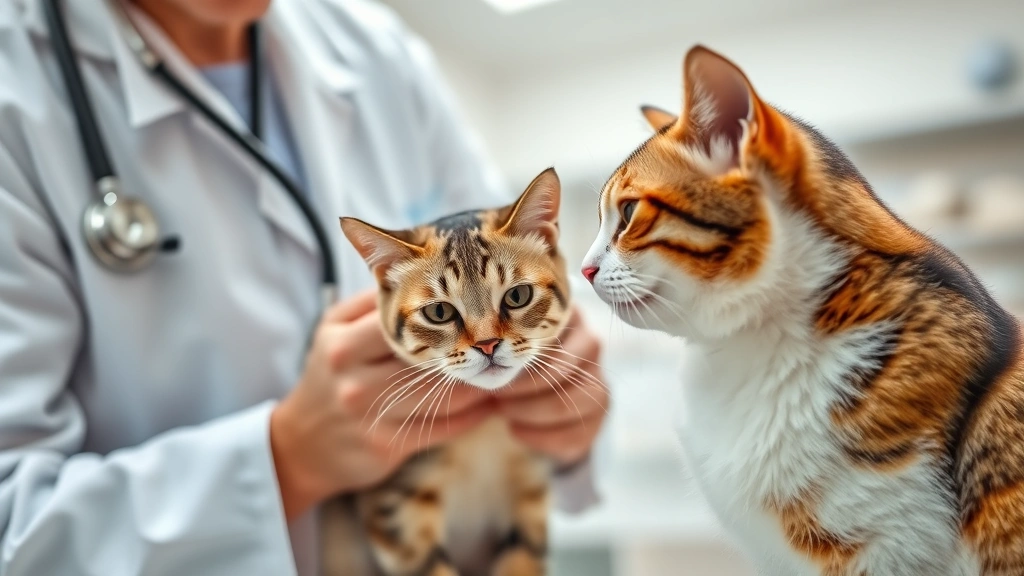
Your veterinarian will start with a thorough physical examination, listening to your cat’s heart and lungs with a stethoscope. They’ll check your cat’s temperature, gum color, and overall body condition. This initial assessment often reveals important clues.
Depending on what they find, your vet may recommend additional diagnostics. Blood work can check for infections, thyroid problems, or organ dysfunction. Chest X-rays help visualize the lungs and heart. An ultrasound provides detailed images of the heart and abdominal organs.
Some conditions require more specialized testing, like an electrocardiogram (ECG) for heart evaluation or a respiratory culture for infections. Your vet will explain which tests make sense based on your cat’s symptoms and physical exam findings.
Treatment Options for Cat Panting
Treatment depends entirely on the underlying cause. If your cat is overheated, cooling measures and rest are usually sufficient. Environmental management—keeping your home at a comfortable temperature and providing cool resting spots—prevents future episodes.
For anxiety-related panting, your vet might recommend calming supplements, pheromone diffusers, or behavioral strategies. Some cats benefit from anti-anxiety medication during stressful situations like vet visits or travel.
Respiratory infections often resolve with supportive care, though some require medication. Heart conditions may need long-term management with specific medications to support cardiac function. Asthma and allergies respond to environmental modifications and sometimes medications to reduce inflammation.
Hyperthyroidism, common in senior cats, has several treatment options ranging from medication to radioactive iodine therapy. Your vet will discuss what’s best for your cat’s age, health status, and lifestyle.
Prevention and Long-Term Care
Preventing panting starts with understanding your individual cat. Keep your home at a comfortable temperature, ideally between 70-75°F. Provide multiple cool resting areas, especially during warm months. Ensure your cat always has access to fresh, cool water.
Minimize stress by maintaining a consistent routine and creating a calm environment. Use pheromone diffusers if your cat is anxious. Keep vaccinations current to prevent respiratory infections.
For cats with chronic conditions like asthma or heart disease, follow your vet’s treatment plan consistently. Regular check-ups, especially for senior cats, catch problems early. Maintain a healthy weight—obesity stresses the heart and respiratory system.
If your cat has been diagnosed with nasal congestion in cats or other respiratory issues, humidity control helps. A humidifier in your cat’s favorite room can ease breathing difficulties.
When to Talk to Your Vet Online vs. In-Person
Telehealth veterinary visits are excellent for non-emergency concerns. If your cat has been mildly panting for a day or two without other alarming symptoms, an online consultation lets you get professional guidance quickly from home.
Your vet can assess your cat’s breathing, ask detailed questions about their history, and determine whether an in-person visit is necessary. This approach reduces stress for anxious cats and saves time for busy pet owners.
However, if your cat needs a physical examination, blood work, or imaging, an in-person visit is essential. Emergency situations always require immediate in-person or emergency clinic care.
Many vets, including online vet services for cat concerns, offer the flexibility to start with a telehealth consultation and escalate to in-person care if needed.
Frequently Asked Questions
Is it normal for cats to pant?
No, panting is not normal for healthy cats at rest. While cats may breathe heavily during play or heat, persistent panting usually indicates a problem worth investigating with your vet.
Can stress alone cause cat panting?
Yes, anxiety and fear can definitely trigger panting in cats. Once the stressor is removed and your cat calms down, panting typically stops within minutes to hours.
How do I know if my cat’s panting is an emergency?
Seek emergency care if your cat has blue-tinged gums, is gasping for air, won’t stop panting after cooling down, or shows signs of collapse or severe distress.
What’s the difference between cat panting and normal breathing?
Normal cat breathing is quiet, through the nose, at 20-30 breaths per minute while resting. Panting involves open-mouth breathing, visible chest movement, and usually faster rates.
Can I treat cat panting at home?
You can provide comfort measures like cooling and hydration, but you cannot diagnose or treat the underlying cause at home. Professional veterinary evaluation is necessary to determine what’s causing the panting.
What To Do Now
- Observe and document: Note when your cat pants, how long it lasts, and any other symptoms. Record the breathing rate while your cat rests.
- Create a cool environment: Ensure your cat has access to cool spaces, fresh water, and shade. Adjust your home temperature if possible.
- Schedule a vet appointment: Contact your veterinarian to describe the panting. If urgent signs are present, seek emergency care immediately.
- Gather medical history: Compile information about your cat’s age, previous health issues, current medications, and any recent changes in behavior or environment.
- Consider telehealth first: If your cat seems stable but you want professional guidance, start with a telehealth consultation to determine if in-person evaluation is needed.
Summary
When you notice your cat panting, taking it seriously and choosing to talk to vet about cat panting is exactly the right move. Panting in cats isn’t typical and often signals something your veterinarian should evaluate—whether that’s heat stress, anxiety, infection, or a more serious condition like heart disease.
The key is knowing the difference between urgent emergencies and non-emergency concerns that still deserve professional attention. By monitoring your cat closely, keeping detailed notes, and reaching out to your vet promptly, you’re doing everything right to protect your cat’s health.
Your cat depends on you to notice changes and advocate for their care. Whether through a quick telehealth chat or a comprehensive in-person exam, getting professional guidance gives you the answers and peace of mind you deserve. Trust your instincts—if something feels off, it’s worth asking your vet about it.
This article is for general education and is not a substitute for care from your own veterinarian. Learn about The Pet Vet and our editorial policy.