
Yes, you can absolutely talk to a vet about your dog not eating online, and many pet owners are discovering this is one of the fastest ways to get answers when their furry friend loses interest in food. A sudden change in appetite is one of the most worrying signs for any dog parent, and the good news is that you don’t have to wait days for an appointment or sit in a waiting room to get professional guidance.
Table of Contents
- Why Your Dog Might Not Be Eating
- Common Reasons Dogs Stop Eating
- How Online Vet Consultations Work for Appetite Loss
- When to Seek Immediate Help vs. Online Consultation
- Questions Your Vet Will Ask About Your Dog’s Appetite
- Benefits of Talking to a Vet Online About Dog Not Eating
- What Happens After Your Online Vet Consultation
- Tips for Encouraging Your Dog to Eat While You Wait for Vet Advice
- When Your Dog Not Eating Could Signal Serious Conditions
- FAQs About Online Vet Consultations for Dogs Not Eating
- What To Do Now
- Summary: Getting Help for Your Dog’s Appetite Loss
This article is for informational purposes only and is not a substitute for professional veterinary advice. Always consult a licensed veterinarian for diagnosis and treatment.
Why Your Dog Might Not Be Eating
When your dog turns down their favorite meal, it’s natural to feel concerned. Loss of appetite in dogs can stem from dozens of different causes, ranging from minor stress to more serious health conditions. Understanding what might be happening is the first step toward helping your pup feel better.
Some dogs stop eating due to simple reasons like a change in their food brand, eating something they shouldn’t have, or even just being pickier than usual. Other times, decreased appetite signals something that needs medical attention. Catching this early puts you in a great position to help.
Common Reasons Dogs Stop Eating
There are many reasons your dog may be experiencing reduced appetite. Here are some of the most common culprits:
- Dental problems: Tooth pain or gum disease can make eating uncomfortable
- Gastrointestinal upset: Your dog might be experiencing nausea, constipation, or other digestive troubles
- Stress or anxiety: Changes in environment, new pets, or loud noises can suppress appetite
- Medication side effects: Certain medications may reduce hunger
- Infections: Bacterial, viral, or parasitic infections often cause appetite loss
- Chronic conditions: Issues like kidney disease or diabetes can affect eating habits
- Food aversion: A bad experience with food or a sudden brand change
- Age-related changes: Senior dogs sometimes eat less as their metabolism slows
The variety of possible causes is exactly why talking to a vet about your dog not eating online can be so valuable—a professional can help narrow down what’s actually going on.
How Online Vet Consultations Work for Appetite Loss
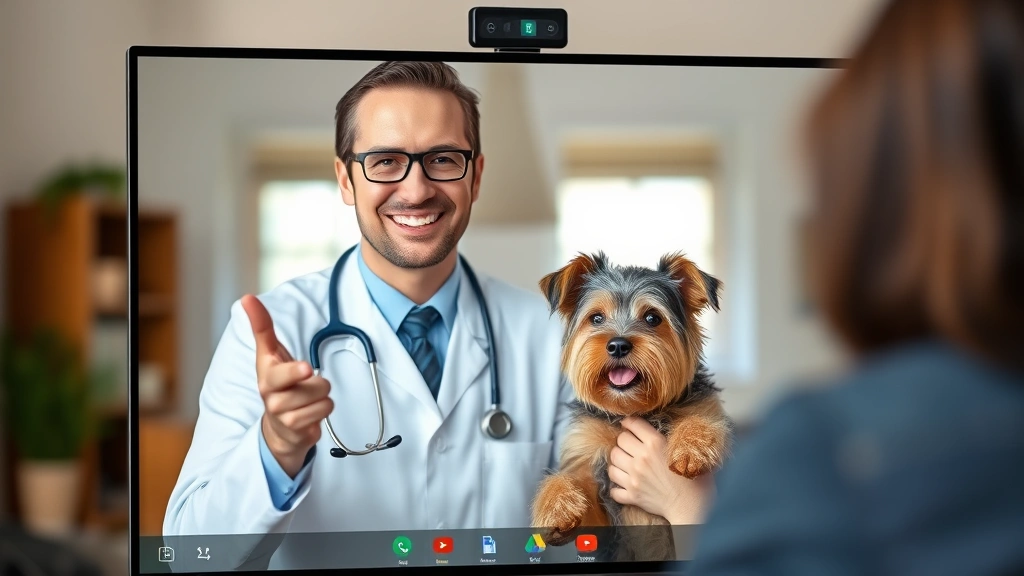
Online veterinary consultations have made it easier than ever to get expert advice without leaving home. Here’s what typically happens when you reach out to a vet about your dog’s appetite:
- You describe your dog’s symptoms and eating habits
- The vet asks follow-up questions about your dog’s behavior, energy level, and any other changes
- You may be asked to share photos or videos of your dog
- The vet provides initial guidance and may recommend next steps
- If needed, they can refer you to an in-person exam or emergency care
This process typically takes 15-30 minutes, and you get professional insight without the stress of a car ride or waiting room. If you are unsure whether your pet needs urgent care, a quick telehealth check-in can give you peace of mind—no appointment needed.
When to Seek Immediate Help vs. Online Consultation
Not every case of appetite loss requires emergency care, but some situations are more urgent than others. Knowing the difference helps you respond appropriately to your dog’s needs.
Seek immediate in-person or emergency care if your dog:
- Hasn’t eaten for more than 24 hours and is vomiting
- Shows signs of severe abdominal pain (hunched posture, whimpering)
- Is lethargic or unresponsive
- Has difficulty breathing or pale gums
- Has ingested something toxic
Online consultation is appropriate if your dog:
- Skipped a meal or two but seems otherwise normal
- Is eating less but still drinking water and playing
- Recently had a food or environmental change
- Has mild symptoms you want to monitor
When in doubt, an online check-in with a vet can help you determine whether your dog needs urgent care or if you can safely monitor them at home.
Questions Your Vet Will Ask About Your Dog’s Appetite
To give you the best guidance, your online vet will want detailed information about your dog’s eating habits and overall health. Being prepared with answers makes the consultation more productive.
Your vet will likely ask:
- How long has your dog been refusing food?
- Is your dog drinking water normally?
- Have there been any recent changes in diet, environment, or routine?
- What is your dog’s energy level and behavior like?
- Are there any other symptoms (vomiting, diarrhea, coughing)?
- Has your dog eaten anything unusual recently?
- Is your dog on any medications?
- When was your dog’s last bowel movement?
Having this information ready before your consultation helps your vet give you faster, more accurate guidance.
Benefits of Talking to a Vet Online About Dog Not Eating
Online veterinary consultations offer several advantages, especially when you’re dealing with a worried situation like your dog not eating.
Convenience: You can connect with a vet from your couch, without traveling or waiting in a clinic.
Speed: Many online consultations can be scheduled within hours, giving you answers quickly when you’re concerned.
Cost-effective: Telehealth visits are often less expensive than in-person appointments, making professional advice more accessible.
Reduced stress: Some anxious dogs become even more stressed at the vet’s office, so a home consultation can be less traumatic.
Documentation: You get a record of your consultation that you can reference or share with your regular vet if needed.
Peace of mind: Getting professional reassurance quickly can ease your worry during a stressful time.
What Happens After Your Online Vet Consultation
After talking to a vet about your dog not eating online, the next steps depend on what the vet learns about your dog’s situation. Your vet might recommend monitoring your dog at home, making dietary changes, or scheduling an in-person exam if they need to perform a physical assessment.
In some cases, your vet may suggest specific observations to track—like whether your dog’s appetite improves, if other symptoms develop, or how your dog responds to small amounts of food. They might also recommend bringing your dog in for bloodwork or other diagnostics if your dog’s appetite doesn’t improve within a few days.
Following your vet’s recommendations closely gives your dog the best chance of getting back to normal eating habits. If your dog has underlying gastrointestinal issues, your vet can guide you on dietary adjustments that may help.
Tips for Encouraging Your Dog to Eat While You Wait for Vet Advice
While you’re arranging to talk to a vet about your dog not eating online, there are gentle things you can try to encourage your pup to eat.
- Warm up the food: Slightly warming your dog’s food can make it more aromatic and appealing
- Try different textures: If your dog usually eats kibble, try a small amount of wet food or broth
- Remove distractions: Feed your dog in a quiet space away from other pets or noise
- Keep meals brief: Leave food down for 15-20 minutes, then remove it
- Stay calm: Dogs pick up on our anxiety—keep mealtimes relaxed and pressure-free
- Offer small amounts: Sometimes a dog will eat better with frequent small meals rather than one large bowl
These gentle approaches can help without forcing your dog to eat, which could worsen stress or underlying issues.
When Your Dog Not Eating Could Signal Serious Conditions
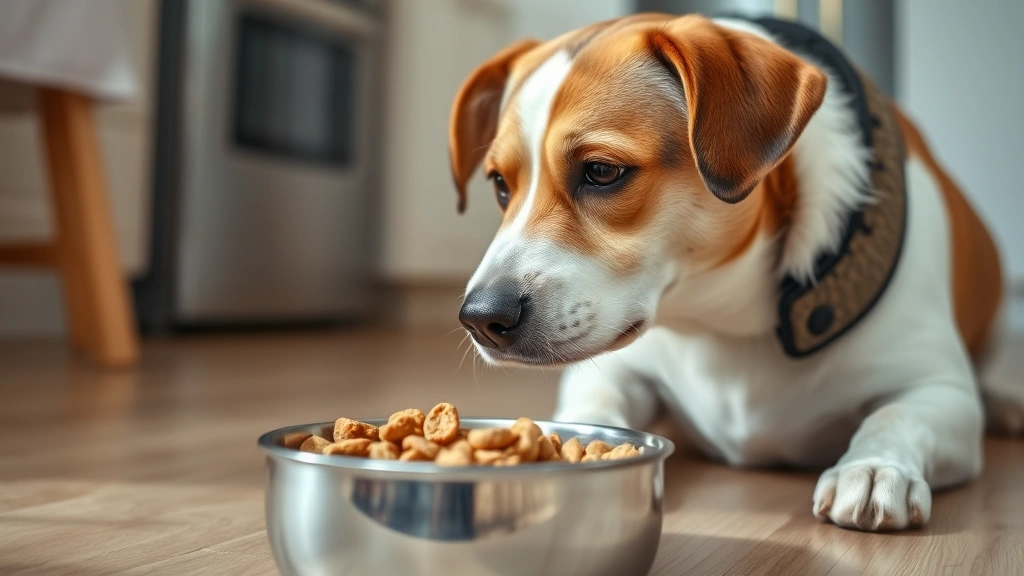
While many cases of appetite loss resolve quickly, sometimes a dog not eating is a sign of something more serious that needs prompt attention. Conditions like kidney disease, pancreatitis, or infections can all present with decreased appetite as an early warning sign.
This is why talking to a vet about your dog not eating online shouldn’t feel like you’re overreacting—you’re being proactive about your dog’s health. A vet can assess whether your dog’s symptoms suggest something that requires urgent investigation or whether it’s likely to resolve on its own.
If your dog is also showing signs of lethargy, you might want to explore resources on dog lethargy as well, since appetite loss and low energy often go together.
FAQs About Online Vet Consultations for Dogs Not Eating
Frequently Asked Questions
Can a vet diagnose my dog’s appetite loss through an online consultation?
An online vet can often identify likely causes and rule out emergencies through questions and observation, but a physical exam or bloodwork may be needed for a definitive diagnosis. They’ll let you know if an in-person visit is necessary.
How quickly can I get an online vet appointment if my dog isn’t eating?
Many telehealth platforms offer same-day or next-day appointments, and some have vets available within hours. Response times vary by service, but online consultations are typically faster than traditional vet clinics.
Will my regular vet be upset if I consult an online vet first?
Most veterinarians appreciate when pet owners seek professional guidance. You can share your online consultation notes with your regular vet, and they’ll have helpful context about your dog’s symptoms.
Is an online consultation enough, or will my dog need to see a vet in person?
It depends on what the online vet discovers. If your dog seems to have a minor issue and improves quickly, an online consultation might be all you need. If symptoms persist or seem serious, an in-person exam will likely be recommended.
What if my dog’s appetite doesn’t improve after an online consultation?
If your dog continues refusing food for more than a few days despite the vet’s recommendations, follow up with your vet or schedule an in-person appointment. Persistent appetite loss may require diagnostic testing.
What To Do Now
If your dog isn’t eating and you’re worried, here are the concrete steps to take right now:
- Document your observations: Note when your dog last ate, how much they refused, and any other symptoms you’ve noticed. This information will be invaluable when you talk to a vet.
- Schedule an online vet consultation: Reach out to a telehealth service like The Pet Vet to get professional guidance quickly without leaving home.
- Avoid making major diet changes: Stick with your dog’s regular food unless the vet recommends otherwise, as sudden changes can worsen appetite loss.
- Monitor your dog closely: Watch for any new symptoms like vomiting, diarrhea, or changes in energy level, and report these to your vet immediately.
- Follow your vet’s recommendations: Whether they suggest home monitoring or an in-person visit, following their guidance gives your dog the best chance of recovery.
Summary: Getting Help for Your Dog’s Appetite Loss
Yes, you can definitely talk to a vet about your dog not eating online, and doing so can give you peace of mind and professional guidance when you need it most. Online veterinary consultations are convenient, accessible, and often available quickly—making them an excellent option for worried pet owners.
Whether your dog’s appetite loss is minor or something more serious, a vet can help you understand what’s happening and what to do next. By reaching out for professional advice, you’re taking an important step toward getting your pup back to normal.
Don’t hesitate to seek help if your dog isn’t eating. Your concerns are valid, and veterinary professionals are here to support you and your furry family member through health challenges. If you’re also concerned about other symptoms like puppy diarrhea alongside appetite loss, an online vet can address multiple concerns in one consultation.
This article is for general education and is not a substitute for care from your own veterinarian. Learn about The Pet Vet and our editorial policy.