
Overview
This article guides pet owners through the critical process of administering medications based on their pet’s weight and proper timing schedules, emphasizing that accurate dosing prevents both ineffective treatment and harmful side effects. The guide provides practical steps for weighing pets correctly, coordinating medication with meals, creating schedules, and working with veterinarians to ensure safe and effective treatment for conditions ranging from short-term antibiotics to long-term therapies.
Table of Contents
- Understanding Weight-Based Medication Dosing
- Why Medication Timing Matters
- Weight Categories and Dosing Guidelines
- Common Medication Types and Their Timing
- Coordinating Medications with Meals
- Creating Your Medication Schedule
- What To Do Right Now
- Special Considerations for Different Pets
- Essential Safety Tips
- Working with Your Veterinarian
- Solving Common Medication Challenges
- Conclusion
- Frequently Asked Questions
If your pet has been prescribed medication and you are worried about getting it right, you are not alone. Many pet owners feel anxious about dosing schedules and timing — and that concern shows how much you care. Getting the dose and timing right matters, but with a little guidance, you can absolutely do this.
This article is for informational purposes only and is not a substitute for professional veterinary advice. Always consult a licensed veterinarian for diagnosis and treatment.
Weight-appropriate portion timing means giving your pet the right amount of medication at the right intervals. This helps the medication work as intended while reducing the risk of side effects. Whether you are managing a short course of antibiotics or a long-term condition, this guide will help you feel more confident every step of the way.
Understanding Weight-Based Medication Dosing
Your veterinarian does not guess when prescribing medication. They carefully calculate doses based on your pet’s body weight. This ensures your pet gets enough medication to be effective — without getting too much.
Consider the difference between a three-pound Chihuahua and a 150-pound Great Dane. What is safe for one could be harmful to the other. That is why accurate weight measurements matter so much.
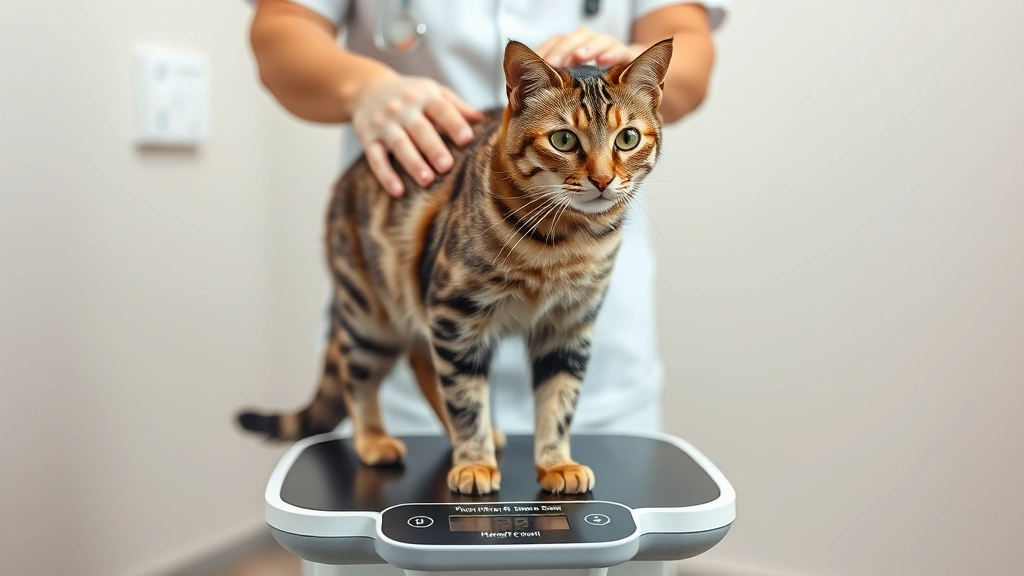
A common mistake is estimating your pet’s weight. A cat you think weighs ten pounds may actually weigh thirteen — and that difference could mean your pet is receiving significantly less medication than prescribed.
Here is what helps most:
- Get your pet weighed on a veterinary scale, not a home bathroom scale
- Schedule weight checks every three to six months for pets on long-term medications
- Weigh growing puppies and kittens more frequently — sometimes every few weeks
- Let your vet know if your pet has recently gained or lost weight
Why Medication Timing Matters
The timing of each dose is just as important as the amount. Every medication has a half-life — the time it takes for half the drug to leave your pet’s body. This is why your vet may say “every eight hours” or “every twelve hours.”
Consistent timing keeps medication levels steady in your pet’s system. If levels drop too low, the medication may stop working. If they climb too high, side effects could become more likely.
Giving doses at irregular times creates peaks and valleys in drug levels. This can lead to treatment not working as well — or unwanted side effects. Setting phone alarms for each dose is one of the simplest and most effective things you can do.
According to the American Veterinary Medical Association, consistent medication adherence significantly improves treatment outcomes in pets.
Weight Categories and Dosing Guidelines
Different size pets need different approaches to medication. Always follow your veterinarian’s specific instructions — the information below is for general context only.
Small Pets (Under 20 lbs)
This group includes most cats, toy breeds, and young puppies. Even small measurement errors can represent a large percentage of their total dose. Liquid medications or accurately split tablets are often used for this group.
Medium Pets (20–50 lbs)
Breeds like Beagles and Cocker Spaniels fall here. Doses are generally easier to measure accurately. Many medications come in formulations designed for this common weight range.
Large and Giant Pets (50 lbs and over)
Larger dogs may need multiple tablets or higher volumes of liquid medication. Some giant breeds may also process certain medications differently. Your vet will account for this when prescribing.
If your pet’s weight changes significantly — due to growth, illness, or a weight loss programme — their dose may need to be recalculated. Always check with your vet before making any changes.
Common Medication Types and Their Timing
Different types of medication have different timing needs. Here is a plain-language overview of the most common ones.
Antibiotics — Finish the Full Course
Antibiotics are among the most commonly prescribed pet medications. It is important to complete the full course, even if your pet seems better after a few days. Stopping early could allow the infection to return.
- Most antibiotics need consistent timing — every eight or twelve hours
- Set phone alarms to help you stay on schedule
- Never stop the course early without speaking to your vet
Pain Medications — Follow the Schedule Closely
Pain medications may be prescribed on a set schedule or given only when needed. Post-surgical pain or arthritis often requires regular dosing to stay ahead of discomfort.
Do not adjust pain medication timing without veterinary guidance. Both under-treating and over-treating pain can affect your pet’s wellbeing.
Chronic Condition Medications — Consistency Is Key
Medications for conditions such as thyroid disease, heart disease, or diabetes need the most careful timing. These medications often have little room for error.
- Thyroid medications are generally given at the same time each day, often before eating
- Heart medications are often given twice daily, spaced as evenly as possible
- Insulin for diabetic pets must be coordinated carefully with meals — your vet will guide you on the exact approach
Coordinating Medications with Meals
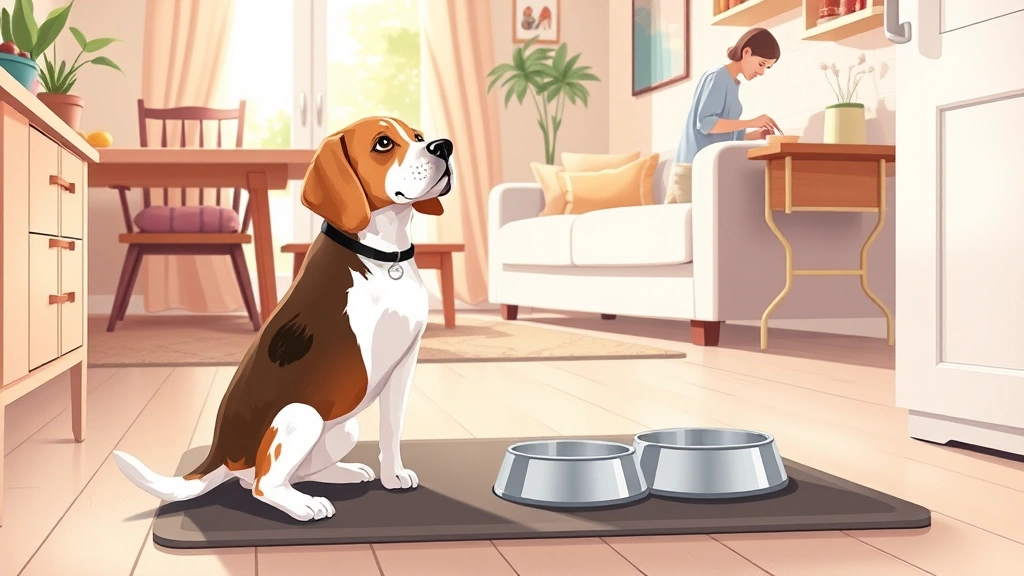
Whether your pet takes medication with food or without can make a real difference to how well it works. This varies depending on the specific drug.
Medications That Need Food
Some medications — such as certain anti-inflammatory drugs — can irritate the stomach lining. Giving them with a small amount of food helps. Even a spoonful of wet food or a few treats is usually enough.
Medications That Need an Empty Stomach
Some medications are not absorbed properly if food is present. Thyroid medications are a common example. They are typically given at least one hour before eating or several hours after a meal.
If given with food, the medication may pass through without being absorbed — making treatment much less effective.
Food affects medication absorption in a few key ways:
- It slows how quickly the stomach empties, delaying absorption
- It changes the stomach’s acidity, which affects how some drugs dissolve
- Certain nutrients can bind to medications and reduce how much is absorbed
When in doubt, ask your vet or pharmacist whether each medication should be given with or without food.
For more guidance on pet health and medication management, explore our comprehensive pet health articles.
Creating Your Medication Schedule
A clear routine makes medication management much less stressful. A little planning upfront saves a lot of worry later.
Start by listing every medication, its dose, and when it needs to be given. Then map those times onto your daily routine — choosing times when you are reliably home and available.
Helpful tools to keep you on track:
- Smartphone apps such as Med-E-Remind or Pet Minder that send dose reminders
- Phone calendar alerts labelled with the medication name
- A simple notebook or spreadsheet to log each dose as it is given
- A weekly pill organiser prepped in advance to avoid double-dosing or missed doses
- A visible wall chart if multiple family members share medication duties
If you miss a dose, here is the general guidance — though always check with your vet for critical medications:
- If you remember within a few hours, give the dose straight away
- If the next dose is coming up soon, skip the missed one and continue as normal
- Never give a double dose to make up for a missed one
- For insulin or seizure medications, contact your vet immediately for guidance
What To Do Right Now
If you have just been given a new prescription — or you are worried you may not be getting it quite right — here are five practical steps to take today.
- Write down every symptom and when it started. Note anything unusual you have noticed, including changes in appetite, energy, or behaviour. This information is valuable for your vet.
- Confirm your pet’s current weight. Call your vet clinic and ask if you can pop in for a quick weigh-in. Do not rely on estimates — accurate weight is the foundation of correct dosing.
- Read every medication label carefully. Check whether each medication should be given with food or without, and note the exact timing instructions. If anything is unclear, call your vet clinic to ask.
- Set a phone alarm for every dose. Label each alarm with the medication name so there is no confusion. If someone else in your household helps with medications, share the schedule with them now.
- Create a simple medication log. Use a notebook or a notes app to record each dose as it is given — including the date, time, and who gave it. This prevents accidental double-dosing and helps your vet track adherence.
It is completely normal to feel overwhelmed when your pet starts a new medication. Catching any concerns early and asking questions puts you in a great position to help your pet recover well.
If you are unsure whether your pet needs urgent care, a quick telehealth check-in can give you peace of mind — no appointment needed.
Special Considerations for Different Pets
Some pets need extra care when it comes to medication timing and dosing. Here is what to keep in mind for the most common groups.
Puppies and Kittens — Growing Fast
Young animals are still developing, and their organs process medications differently than adults. Some medications that are safe for adult pets may not be appropriate for very young ones.
- Weight checks may be needed every two to four weeks as they grow
- Doses may need to be increased regularly to keep up with their development
- Always confirm with your vet before giving any medication to a very young animal
Senior Pets — Slower Processing
Older pets may process medications more slowly as their liver and kidney function naturally changes with age. This can mean medications stay in the body longer than expected.
- Regular blood work helps your vet monitor organ function and adjust doses if needed
- Senior pets often take multiple medications, so monitoring for interactions is important
- Let your vet know about any new symptoms — they could be related to medication levels
Pets with Organ Disease — Extra Caution Needed
Pets with liver or kidney disease may need lower doses or longer intervals between doses. Some medications may not be suitable at all for pets with reduced organ function.
According to the FDA Center for Veterinary Medicine, pets with compromised organ function should receive regular monitoring to ensure medication levels remain safe and effective.
Essential Safety Tips
Getting the dose and timing right is important — but medication safety goes a little further than that. These guidelines help protect your pet from preventable problems.
Never Share Medications Between Pets
Even if two pets have similar symptoms, never give one pet another’s medication without explicit veterinary approval. Weight, age, and other health conditions all affect whether a drug is safe for a specific animal.
Keep Human Medications Away from Pets
Many medications that are safe for people are toxic to animals. Common pain relievers such as ibuprofen and paracetamol (acetaminophen) can cause serious harm to pets — particularly cats. Keep all human medications stored securely and out of reach.
Store Medications Correctly
- Most medications should be kept in a cool, dry place away from direct sunlight
- Some require refrigeration — always check the label
- Keep medications in their original labelled containers to avoid confusion
- Store all medications out of reach of children and pets
Know the Signs That Something May Be Wrong
Watch for these signs that could indicate a reaction or side effect:
- Vomiting or diarrhoea
- Loss of appetite or increased thirst
- Unusual tiredness or changes in behaviour
- Difficulty breathing or facial swelling
- Hives or skin reactions
If your pet shows any of these signs, contact your veterinarian promptly. For severe symptoms — such as difficulty breathing, collapse, or seizures — seek emergency veterinary care immediately.
For additional pet health guidance, visit our pet care resources.
Working with Your Veterinarian
A good relationship with your vet team makes medication management much easier. Do not hesitate to ask questions — that is exactly what they are there for.
When a new medication is prescribed, it helps to ask:
- What condition is this medication treating?
- How long will my pet need to take it?
- What improvements should I expect, and when?
- What side effects are possible?
- Should it be given with food or on an empty stomach?
If your pet refuses pills, vomits after medication, or the schedule does not fit your routine, tell your vet. There may be alternative formulations available — such as flavoured liquids, chewable versions, or transdermal gels applied to the skin.
Follow-up appointments and blood work are also important. Many medications need periodic monitoring to confirm they are working safely. Your vet will let you know what checks are needed and how often.
For more on different pet health topics, explore our complete category listings.
Solving Common Medication Challenges
Even with the best routine, medication administration can get tricky. Here are practical solutions to the most common problems.
Pets Who Refuse Pills
This is one of the most common challenges pet owners face. Try these approaches:
- Use pill pockets — soft treats designed to hide a tablet inside
- Coat the pill with a small amount of butter, cream cheese, or pet-safe peanut butter
- Hide the pill in a small amount of wet food, followed by more food as a reward
- Ask your vet about compounding pharmacies that can make medications into flavoured liquids or treats
Giving Liquid Medications
Liquid medications take a little practice. Here is a simple technique:
- Measure the dose carefully using the included syringe or dropper
- Tilt your pet’s head slightly upward — not too far back, to avoid choking
- Insert the syringe gently into the cheek pouch at the side of the mouth
- Dispense slowly in small amounts, pausing to let your pet swallow
- Follow with praise and a treat to build a positive association
Managing Medications While Travelling
- Bring more medication than you think you will need
- Keep medications in their original labelled containers
- Carry a written list of all medications, doses, and timing
- If crossing time zones, ask your vet in advance how to adjust the schedule
When Multiple Family Members Help
Shared care can lead to missed doses or accidental double-dosing. Prevent this by:
- Creating a visible chart showing who gives which medication and when
- Using a tick-off system — mark each dose immediately after giving it
- Keeping all medications in one central location
- Using a shared medication app so everyone can log doses in real time
Conclusion
Managing your pet’s medication schedule can feel daunting at first. But with the right tools and a clear routine, it becomes second nature.
Following your vet’s instructions precisely — including the timing — is one of the most important things you can do for your pet’s recovery. The schedules and doses your vet prescribes are based on careful calculation, not guesswork.
If something feels off, or you are not sure whether your pet is responding as expected, do not wait and worry. Reach out to your vet team. You are your pet’s best advocate, and asking questions is always the right call.
Your commitment to getting this right is a genuine act of love — and your pet is lucky to have someone who cares this much.
Frequently Asked Questions
How do I know if my pet’s medication dose may need to be adjusted?
If your pet gains or loses a significant amount of weight, contact your veterinarian about reviewing the current dose. Regular weight checks every three to six months help catch changes that could affect how much medication your pet needs.
What should I do if I miss giving my pet their medication?
If you remember within a few hours of the scheduled time, give the dose straight away. If the next dose is coming up soon, skip the missed one and continue as normal. Never give a double dose. For critical medications such as insulin or seizure drugs, contact your vet immediately for guidance.
Can I crush my pet’s pills and mix them with food?
Some tablets can be crushed, but others have special coatings that should not be broken — as this can affect how the medication is absorbed. Always check with your veterinarian or pharmacist before crushing any tablet.
How long does it take for pet medications to start working consistently?
This varies depending on the specific medication. Some drugs take several days to reach consistent levels in the body, while others may take longer. Your veterinarian can give you a realistic timeline for what to expect with your pet’s specific treatment.
Should I give my pet medication if they are vomiting?
If your pet vomits shortly after receiving a dose, contact your veterinarian for advice on whether to re-dose. If vomiting is ongoing, do not continue giving oral medications until you have spoken with your vet — your pet may need an alternative form of treatment.
This article is for general education and is not a substitute for care from your own veterinarian. Learn about The Pet Vet and our editorial policy.