
If your dog is experiencing diarrhea, you’re probably wondering what’s causing it and how to help them feel better—and that’s exactly why you should ask vet about dog diarrhea as soon as possible. Digestive upset is one of the most common reasons pet owners reach out to their veterinarian, and for good reason. While occasional loose stools might resolve on their own, persistent diarrhea can lead to dehydration, nutrient loss, and underlying health issues that need professional attention.
Table of Contents
- Why You Should Ask Your Vet About Dog Diarrhea Right Away
- Common Causes of Dog Diarrhea Your Vet Will Investigate
- Essential Treatment 1: Dietary Management and Bland Food Protocols
- Essential Treatment 2: Parasite Elimination and Prevention
- Essential Treatment 3: Probiotics and Digestive Enzymes
- Essential Treatment 4: Hydration Support and Electrolyte Balance
- Essential Treatment 5: Anti-Inflammatory Medications When Appropriate
- Essential Treatment 6: Antibiotics for Bacterial Infections
- Essential Treatment 7: Addressing Underlying Health Conditions
- Warning Signs: When Dog Diarrhea Becomes an Emergency
- How to Prepare for Your Vet Conversation About Dog Diarrhea
- What to Do Now: Action Steps for Managing Dog Diarrhea
- Frequently Asked Questions
- Summary: Taking Action on Dog Diarrhea
This article is for informational purposes only and is not a substitute for professional veterinary advice. Always consult a licensed veterinarian for diagnosis and treatment.
The good news? Most cases of dog diarrhea are manageable once you understand what’s happening and what your vet recommends. In this guide, we’ll walk you through the essential treatments that actually work, warning signs to watch for, and how to have a productive conversation with your veterinarian about your pup’s digestive health.
Why You Should Ask Your Vet About Dog Diarrhea Right Away
Your instinct to seek veterinary guidance is spot-on. While not every episode of loose stools signals a medical emergency, diarrhea can be your dog’s way of telling you something isn’t quite right. It could be something minor like a dietary indiscretion (eating something they shouldn’t have), or it could point to infections, parasites, food sensitivities, or more serious conditions.
The longer diarrhea persists, the greater the risk of dehydration and electrolyte imbalances. Young puppies, senior dogs, and those with compromised immune systems are especially vulnerable. By reaching out early, you’re giving your vet the best chance to identify the root cause and recommend targeted treatment.
Common Causes of Dog Diarrhea Your Vet Will Investigate
Before diving into treatments, your veterinarian will want to understand what’s triggering the diarrhea. Here are the most common culprits they’ll explore:
- Dietary changes or food sensitivities: A sudden switch in food or exposure to rich, fatty, or unfamiliar foods can upset your dog’s digestive system.
- Parasites: Intestinal parasites like roundworms, hookworms, and giardia are frequent causes, especially in puppies and dogs with outdoor access.
- Bacterial or viral infections: Pathogens can trigger acute diarrhea that may resolve with supportive care or medication.
- Food allergies or intolerances: Some dogs struggle to digest certain proteins or ingredients, leading to chronic digestive issues.
- Stress or anxiety: Emotional stress can affect gut motility and cause temporary diarrhea.
- Underlying diseases: Conditions like inflammatory bowel disease, pancreatitis, or thyroid problems may present with diarrhea as a symptom.
Your vet will ask detailed questions about your dog’s diet, recent activities, and the characteristics of the diarrhea—color, frequency, and whether there’s blood or mucus. This information is invaluable for diagnosis.
Essential Treatment 1: Dietary Management and Bland Food Protocols
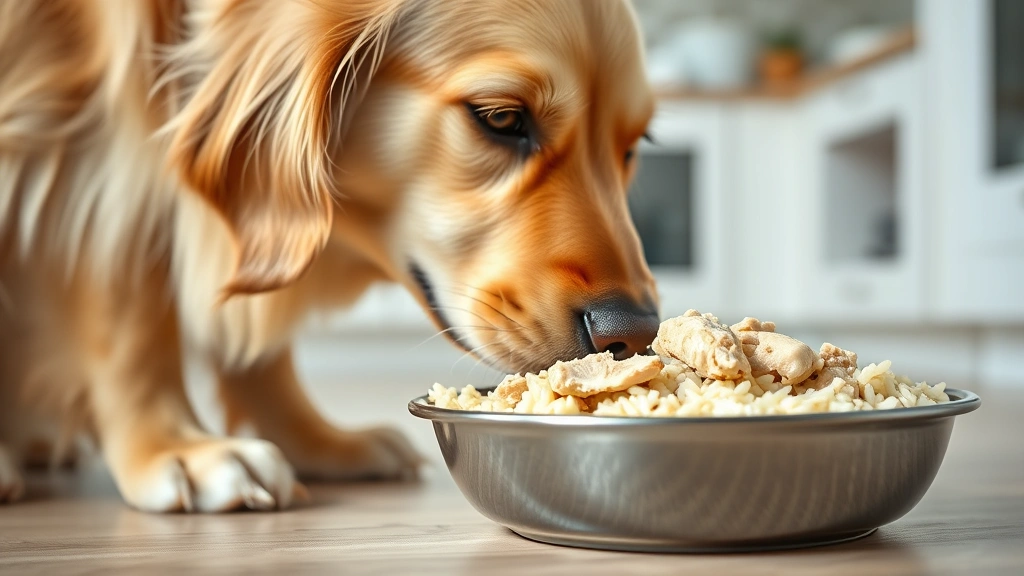
One of the first recommendations your vet may suggest is a temporary dietary adjustment. A bland diet gives your dog’s digestive system a chance to settle while still providing nutrition.
Common bland diet options include plain boiled chicken with white rice, plain pumpkin puree (not pie filling), or a prescription digestive care diet from your vet. These foods are easy to digest and less likely to irritate an inflamed gut. Your veterinarian will advise how long to continue the bland diet and when to gradually reintroduce regular food.
In some cases, your vet might recommend a hydrolyzed protein diet or novel protein formula if they suspect food sensitivities. These specialized diets break down proteins into smaller molecules that are less likely to trigger immune responses.
Essential Treatment 2: Parasite Elimination and Prevention
If your vet suspects parasites—which is common in dogs with diarrhea—they’ll recommend appropriate deworming or parasite treatment. This is why a fecal examination is often one of the first diagnostic steps.
Your vet will prescribe a dewormer tailored to the specific parasite identified, or a broad-spectrum option if multiple parasites are suspected. Following the prescribed treatment schedule exactly is crucial for complete elimination. After treatment, your vet may recommend a follow-up fecal test to confirm the parasites are gone.
Prevention is equally important. Discuss year-round parasite prevention options with your vet, especially if your dog spends time outdoors or in areas where parasites are common.
Essential Treatment 3: Probiotics and Digestive Enzymes
Probiotics are beneficial bacteria that support gut health and can help restore balance to your dog’s digestive system. Many veterinarians recommend adding a quality probiotic supplement during and after a diarrhea episode to promote recovery.
Digestive enzymes can also help your dog break down and absorb nutrients more effectively, especially if the diarrhea has disrupted normal digestive function. Your vet can recommend specific formulations designed for dogs and advise on dosing and duration.
These supplements work best when combined with other treatments and dietary adjustments, not as standalone solutions. Think of them as part of a comprehensive approach to restoring gut health.
Essential Treatment 4: Hydration Support and Electrolyte Balance
Diarrhea causes fluid loss, and dehydration can quickly become serious. Your vet will assess your dog’s hydration status and may recommend increased water intake or electrolyte supplements to maintain proper balance.
In mild cases, ensuring fresh water is always available and encouraging drinking is often enough. For more severe diarrhea, your vet might suggest bone broth (unsalted) or specialized electrolyte solutions designed for pets. In some situations, if dehydration is significant, your vet may recommend subcutaneous or intravenous fluid therapy.
Watch for signs of dehydration like dry gums, lethargy, or sunken eyes. Catching this early puts you in a great position to help your dog recover quickly.
Essential Treatment 5: Anti-Inflammatory Medications When Appropriate
If your dog’s diarrhea is caused by inflammation or certain infections, your vet may recommend anti-inflammatory medications. These can help reduce gut inflammation and ease symptoms while the underlying cause is being treated.
Your veterinarian will determine whether this is necessary based on the severity of symptoms, the suspected cause, and your dog’s overall health. They’ll discuss any potential side effects and monitoring requirements specific to your dog’s situation.
Essential Treatment 6: Antibiotics for Bacterial Infections
If your vet identifies or suspects a bacterial infection causing the diarrhea, they may prescribe antibiotics. It’s important to complete the full course as prescribed, even if your dog seems better before the medication runs out.
Your vet will choose an antibiotic appropriate for the suspected bacteria and your dog’s specific situation. They may also recommend probiotics during antibiotic treatment to help protect beneficial gut bacteria.
Essential Treatment 7: Addressing Underlying Health Conditions
Sometimes diarrhea is a symptom of a larger health issue like pancreatitis, thyroid disease, or inflammatory bowel disease. In these cases, treating the underlying condition is essential for resolving the digestive symptoms.
Your vet may recommend additional diagnostic tests like blood work, ultrasound, or specialized fecal tests to identify these conditions. Once diagnosed, targeted treatment of the primary condition typically improves or resolves the diarrhea.
For chronic diarrhea, your vet might suggest an elimination diet trial to identify food triggers or recommend long-term dietary management strategies.
Warning Signs: When Dog Diarrhea Becomes an Emergency
While most cases of dog diarrhea can be managed with veterinary guidance, some situations require urgent care. Know when to seek immediate attention:
- Severe lethargy or collapse
- Repeated vomiting along with diarrhea
- Bloody or black, tarry stools
- Signs of severe dehydration (dry gums, sunken eyes, no skin elasticity)
- Abdominal pain or distension
- Diarrhea lasting more than 48 hours despite home care
- High fever or other signs of systemic illness
If you notice any of these symptoms, don’t wait—contact your vet or an emergency clinic immediately. Understanding gastrointestinal emergency signs can help you recognize when professional care is urgent versus routine.
How to Prepare for Your Vet Conversation About Dog Diarrhea
When you ask vet about dog diarrhea, being prepared helps your veterinarian give you the best advice. Here’s what to have ready:
- Timeline: When did the diarrhea start? Has it been continuous or intermittent?
- Stool characteristics: Color, consistency, frequency, and presence of blood or mucus
- Diet history: What does your dog normally eat? Any recent changes or treats?
- Behavior: Is your dog acting normal otherwise? Any vomiting, lethargy, or loss of appetite?
- Exposure: Has your dog been around other sick animals, eaten something unusual, or had recent travel?
- Medical history: Previous digestive issues, allergies, or chronic conditions
If you’re unsure whether your pet needs urgent care, a quick telehealth check-in can give you peace of mind—no appointment needed. The Pet Vet’s online consultations make it easy to describe symptoms and get professional guidance from home.
What to Do Now: Action Steps for Managing Dog Diarrhea
- Schedule a veterinary appointment: Contact your vet today or use telehealth for a same-day consultation if diarrhea is new or worsening.
- Gather information: Note the timeline, stool appearance, dietary changes, and any other symptoms to share with your vet.
- Prepare a stool sample: Your vet will likely want a fresh fecal sample for parasite screening, so collect one if possible.
- Ensure hydration: Make fresh water easily accessible and monitor your dog’s drinking and urination.
- Hold off on new foods: Stick to your dog’s regular diet or switch to a bland option only if your vet recommends it.
Frequently Asked Questions
How long does it typically take for dog diarrhea to resolve?
Most cases improve within 24-48 hours with appropriate care, though some may take a week or longer depending on the cause. Your vet will give you a timeline based on the diagnosis.
Can I treat dog diarrhea at home without seeing a vet?
Mild, short-lived diarrhea may resolve with rest and bland food, but it’s best to consult your vet to rule out serious causes. Persistent diarrhea always warrants professional evaluation.
Is dog diarrhea contagious to other pets?
It depends on the cause. If diarrhea is from parasites or certain infections, it can be contagious. Your vet will advise on isolation or prevention measures if needed.
What should I feed my dog after diarrhea stops?
Gradually reintroduce your dog’s normal food over 5-7 days, mixing increasing amounts of regular food with the bland diet. Your vet will provide specific reintroduction instructions.
When should I worry about dog diarrhea in puppies?
Puppies are more vulnerable to dehydration and serious infections, so contact your vet promptly if a puppy has diarrhea lasting more than a few hours or shows other symptoms like lethargy or vomiting.
Summary: Taking Action on Dog Diarrhea
Dog diarrhea is uncomfortable for your pup and stressful for you, but the good news is that most cases respond well to proper veterinary care. By taking the step to ask vet about dog diarrhea, you’re already on the path to helping your dog feel better.
The seven essential treatments we’ve covered—dietary management, parasite elimination, probiotics, hydration support, anti-inflammatory care, antibiotics when needed, and addressing underlying conditions—represent the most effective approaches veterinarians use. Your vet will tailor these recommendations to your dog’s specific situation.
Don’t hesitate to reach out to your veterinarian with questions or concerns. Whether it’s a routine check-in or you need immediate guidance, professional veterinary care is the best investment in your dog’s health and comfort. Your dog’s digestive health is worth the conversation.
For more information on related digestive concerns, explore how to discuss digestive issues with your vet online or learn about foods that might trigger digestive upset.
This article is for general education and is not a substitute for care from your own veterinarian. Learn about The Pet Vet and our editorial policy.