
If your dog is drooling excessively, pawing at their mouth, or refusing meals, they may be experiencing mouth ulcers in dogs—a painful condition that leaves many pet owners worried and searching for answers. Seeing your furry companion in discomfort can be heartbreaking, but the good news is that with proper identification and care, most cases respond well to treatment.
Table of Contents
- What Are Mouth Ulcers in Dogs?
- Common Causes of Mouth Ulcers in Dogs
- Recognizing the Signs: When Your Dog May Have Oral Ulcers
- Treatment Option 1: Professional Dental Cleaning
- Treatment Option 2: Dietary Modifications and Soft Foods
- Treatment Option 3: Oral Rinses and Topical Care
- Treatment Option 4: Anti-Inflammatory Medications
- Treatment Option 5: Antimicrobial or Antifungal Therapy
- Treatment Option 6: Nutritional Support and Supplements
- Treatment Option 7: Managing Underlying Health Conditions
- Home Care Tips for Supporting Recovery
- When to Seek Urgent Veterinary Care
- Prevention: Keeping Your Dog’s Mouth Healthy
- The Role of Telehealth in Managing Mouth Ulcers
- Frequently Asked Questions
- What To Do Now
- Summary: Managing Mouth Ulcers in Dogs
This article is for informational purposes only and is not a substitute for professional veterinary advice. Always consult a licensed veterinarian for diagnosis and treatment.
What Are Mouth Ulcers in Dogs?
Mouth ulcers are open sores that develop inside your dog’s mouth—on the gums, tongue, cheeks, or lips. These painful lesions can make eating, drinking, and playing difficult for your pet. Unlike canker sores in humans, canine oral ulcers can stem from various underlying causes, ranging from minor irritations to more serious health conditions.
The severity varies widely. Some ulcers are small and superficial, while others can be deep and extensive. Early detection is your best friend here—catching this early puts you in a great position to help your dog feel better faster.
Common Causes of Mouth Ulcers in Dogs
Understanding what triggers mouth ulcers helps you prevent future occurrences. Several factors can contribute to their development:
- Dental disease: Tartar buildup, gum infections, and tooth decay create an environment where ulcers thrive.
- Trauma or injury: Sharp objects, aggressive chewing, or accidental cuts from toys or food can damage oral tissues.
- Chemical burns: Exposure to caustic substances, cleaning products, or certain plants can cause severe ulceration.
- Nutritional deficiencies: Lacking essential vitamins and minerals weakens the mouth’s protective tissues.
- Autoimmune conditions: Diseases like pemphigus or systemic lupus erythematosus may manifest as oral ulcers.
- Infections: Bacterial, fungal, or viral infections can lead to ulcer formation.
- Kidney disease: Uremic ulcers develop when kidney function declines, allowing toxins to accumulate.
- Allergies: Food sensitivities or environmental allergies sometimes trigger oral inflammation.
Recognizing the Signs: When Your Dog May Have Oral Ulcers
Dogs can’t tell us they’re hurting, so watch for behavioral changes. Your pup might drool more than usual, have bad breath, or avoid their favorite toys and treats. Some dogs become withdrawn or irritable when mouth pain strikes.
You might also notice:
- Difficulty chewing or dropping food while eating
- Swelling around the mouth or jaw
- Visible sores or red areas inside the mouth
- Pawing at the mouth repeatedly
- Reluctance to drink water
- Behavioral changes like decreased playfulness
If you spot these signs, don’t panic—many cases resolve beautifully with proper treatment.
Treatment Option 1: Professional Dental Cleaning
Your veterinarian may recommend a professional cleaning under anesthesia to remove tartar, plaque, and infected tissue. This thorough approach addresses the root cause rather than just the symptoms. During the procedure, your vet can also identify any underlying dental disease that contributed to ulcer formation.
After cleaning, your dog’s mouth environment improves significantly, allowing ulcers to heal faster. This is often the first step in comprehensive mouth ulcer treatment.
Treatment Option 2: Dietary Modifications and Soft Foods
Switching to soft, cool foods reduces irritation and makes eating comfortable. Many veterinarians recommend temporarily offering moistened kibble, wet food, or specially prepared meals. Some dogs benefit from low-fat dog recipes that are gentle on the digestive system while supporting healing.
Avoid foods that are hard, spicy, hot, or overly crunchy. Additionally, be mindful of foods that are poisonous to dogs, as some can worsen oral inflammation. Cold foods and broths can also provide comfort and encourage hydration.
Treatment Option 3: Oral Rinses and Topical Care
Gentle oral rinses with saline solution or prescribed antimicrobial rinses promote healing and prevent secondary infections. Your vet might recommend specific products designed for canine oral health. These rinses work by cleansing the ulcerated area and creating an environment conducive to tissue repair.

Some veterinarians suggest applying soothing gels or pastes directly to affected areas—always follow your vet’s specific instructions for application frequency and duration.
Treatment Option 4: Anti-Inflammatory Medications
Your veterinarian may prescribe anti-inflammatory medications to reduce pain and swelling. These medications help your dog feel more comfortable while the ulcers heal. Pain relief is crucial because it encourages your dog to eat and drink normally, supporting overall recovery.
Always follow your vet’s dosing instructions carefully, as they’ll tailor treatment to your dog’s specific needs and health status.
Treatment Option 5: Antimicrobial or Antifungal Therapy
If infection is present, your vet may prescribe antibiotics or antifungal medications. These medications target the specific organisms causing the ulcers, accelerating healing. Bacterial and fungal infections can complicate recovery, so addressing them promptly is essential.
Complete the full course of medication even if your dog appears better—stopping early can allow infections to return.
Treatment Option 6: Nutritional Support and Supplements
Supporting your dog’s immune system and tissue repair through proper nutrition speeds healing. Your veterinarian might recommend specific supplements or dietary adjustments to address underlying deficiencies. Vitamins like B-complex, zinc, and omega-3 fatty acids play important roles in oral health and wound healing.
Consider discussing a homemade renal diet with your vet if kidney disease is a contributing factor. Proper nutrition is a foundation for recovery.
Treatment Option 7: Managing Underlying Health Conditions
If your dog’s mouth ulcers stem from systemic diseases like kidney disease, diabetes, or autoimmune conditions, treating the underlying illness is paramount. Managing these conditions reduces inflammation and allows oral tissues to heal properly.
Your veterinarian will create a comprehensive treatment plan addressing both the ulcers and the root cause. This holistic approach prevents recurrence and improves your dog’s overall quality of life.
Home Care Tips for Supporting Recovery
Beyond professional treatment, you can support your dog’s healing at home with these evidence-based strategies:
- Maintain excellent oral hygiene: Gently brush your dog’s teeth with veterinary-approved toothpaste if tolerated.
- Provide fresh water: Ensure constant access to clean water to prevent dehydration and support healing.
- Offer cooling comfort: Cool (not frozen) water bowls or ice chips can soothe irritated tissues.
- Monitor eating: Watch to ensure your dog is eating enough despite mouth discomfort.
- Avoid irritants: Remove toys that could cause further trauma during the healing period.
- Keep follow-up appointments: Regular veterinary check-ins ensure healing is progressing as expected.
When to Seek Urgent Veterinary Care
While most mouth ulcers respond well to treatment, certain situations require immediate attention. Seek emergency care if your dog shows signs of severe difficulty breathing, inability to swallow, or signs of systemic infection like fever or lethargy.
Additionally, if ulcers don’t improve within 7-10 days of treatment or worsen despite care, contact your vet promptly. Rapid progression or spreading ulcers may indicate more serious underlying conditions requiring aggressive intervention.
Prevention: Keeping Your Dog’s Mouth Healthy
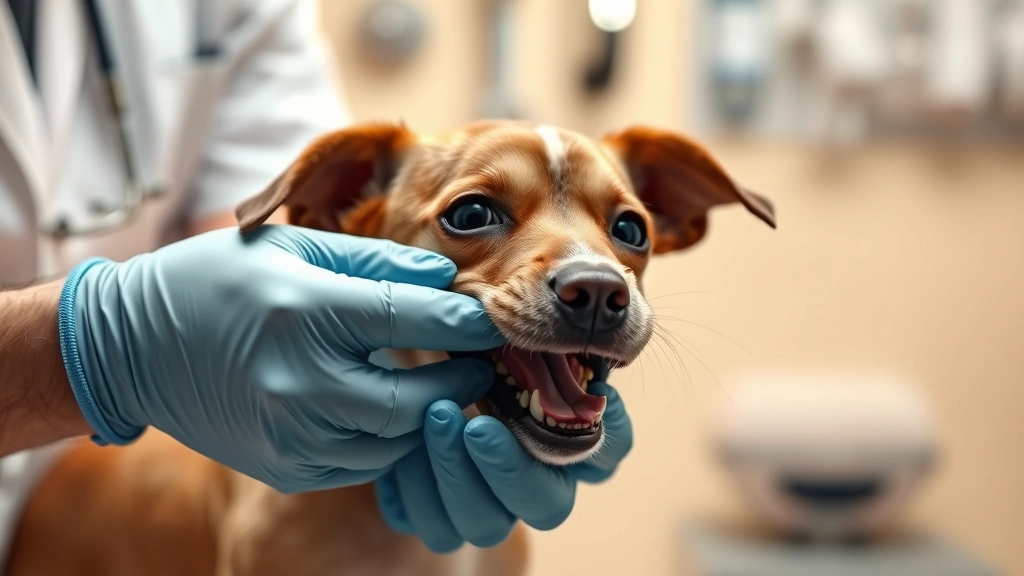
Preventing mouth ulcers is always easier than treating them. Regular dental care, including professional cleanings and daily tooth brushing, significantly reduces ulcer risk. Feed high-quality food and avoid foods dogs should avoid that could cause oral irritation or injury.
Regular veterinary check-ups catch early signs of dental disease before ulcers develop. Additionally, ensure your dog has safe toys and monitor chewing habits to prevent traumatic injuries.
The Role of Telehealth in Managing Mouth Ulcers
If you’re unsure whether your pet needs urgent care or want professional guidance before scheduling an in-person visit, a quick telehealth check-in can give you peace of mind—no appointment needed. The Pet Vet’s telehealth services allow you to describe symptoms, share photos, and receive expert veterinary input from home.
While some cases require in-person examination, telehealth is excellent for follow-up care, clarifying treatment instructions, or determining urgency levels.
Frequently Asked Questions
How long do mouth ulcers take to heal in dogs?
With proper treatment, most mouth ulcers heal within 1-3 weeks. More severe cases or those involving systemic disease may take longer. Your vet will provide a timeline based on your dog’s specific situation.
Are mouth ulcers contagious between dogs?
Most mouth ulcers aren’t contagious unless caused by infectious diseases like oral papillomatosis. Your vet can determine if your dog’s ulcers pose a transmission risk to other pets.
Can I treat my dog’s mouth ulcers at home without veterinary care?
Minor ulcers might improve with home care like soft food and oral rinses, but professional evaluation is recommended to identify the cause and prevent complications. Untreated ulcers can worsen or indicate serious underlying conditions.
What should I feed a dog with mouth ulcers?
Soft, cool foods like moistened kibble, wet food, or broth-based meals are ideal. Avoid hard, hot, spicy, or sharp foods that could irritate healing tissues further.
Can mouth ulcers in dogs be a sign of cancer?
While mouth ulcers are usually caused by dental disease, trauma, or infection, persistent ulcers could warrant investigation for other conditions. Your veterinarian can determine if further diagnostics are needed.
What To Do Now
- Schedule a veterinary appointment: Contact your vet to examine your dog’s mouth and determine the underlying cause of the ulcers.
- Document symptoms: Note when you first noticed signs, any behavioral changes, and take photos if safe to do so for your vet’s review.
- Switch to soft foods: Begin offering moistened kibble or wet food to reduce mouth pain during eating.
- Provide comfort: Ensure fresh water access and consider offering cool water bowls to soothe irritated tissues.
- Follow treatment instructions: Once your vet recommends treatment, follow all instructions carefully for optimal healing.
Summary: Managing Mouth Ulcers in Dogs
Mouth ulcers in dogs are painful but highly treatable when addressed promptly. Whether caused by dental disease, trauma, infection, or systemic conditions, professional veterinary care is essential for proper diagnosis and effective treatment. The seven proven treatment approaches—from professional dental cleaning to nutritional support—work together to relieve your dog’s discomfort and promote healing.
By recognizing early signs, seeking professional guidance, and providing supportive home care, you’re giving your dog the best chance for a full recovery. Remember, your veterinarian is your partner in your dog’s health journey. If you have concerns about whether your dog needs immediate care, don’t hesitate to reach out—whether through a telehealth consultation or an in-person visit. Your attentive care and quick action make all the difference in your beloved pet’s well-being.
This article is for general education and is not a substitute for care from your own veterinarian. Learn about The Pet Vet and our editorial policy.