
If you’ve noticed your puppy constantly licking their paws, it’s natural to wonder what’s going on—and whether you should ask vet about puppy licking paws as soon as possible. This behavior can range from harmless self-grooming to a sign that something needs attention, and understanding the difference is key to keeping your pup healthy and happy.
Table of Contents
- Why Is My Puppy Licking Their Paws So Much?
- Allergies: A Leading Cause of Paw Licking
- Parasites and Skin Infections
- Injuries, Splinters, and Foreign Objects
- Anxiety, Boredom, and Behavioral Factors
- Yeast and Bacterial Overgrowth Between the Toes
- Nutritional Deficiencies
- Pain or Systemic Issues
- When Should You Ask Vet About Puppy Licking Paws?
- 7 Solutions to Address Puppy Paw Licking
- What To Do Now
- Summary: Taking Action on Puppy Paw Licking
- Frequently Asked Questions
This article is for informational purposes only and is not a substitute for professional veterinary advice. Always consult a licensed veterinarian for diagnosis and treatment.
Paw licking is incredibly common in puppies, but excessive licking often signals an underlying issue. The good news? Most causes are manageable once you identify what’s triggering the behavior. Let’s explore the main reasons your puppy might be licking their paws and what you can do about it.
Why Is My Puppy Licking Their Paws So Much?
Puppies explore the world with their mouths, so some paw licking is completely normal. However, when licking becomes frequent, obsessive, or leaves the paw red and irritated, it’s time to investigate. Your puppy may be experiencing discomfort, dealing with an allergy, or responding to stress.
The key is distinguishing between occasional grooming and compulsive behavior. If your puppy pauses to lick their paws during play or after a walk, that’s usually fine. If they’re licking constantly throughout the day or focusing on one paw repeatedly, that warrants a closer look.
Allergies: A Leading Cause of Paw Licking
Allergies are one of the most common reasons puppies lick their paws excessively. Food allergies, environmental allergies, and contact allergies can all trigger this behavior. Puppies with allergies may also scratch their ears, rub their face, or develop red, inflamed skin.
Environmental allergens like pollen, dust mites, or mold can cause seasonal or year-round itching. Food allergies often develop gradually and may be linked to proteins like chicken, beef, or grains. If you suspect allergies, documenting when the licking worsens can help your vet identify the trigger.
Catching allergy-related paw licking early puts you in a great position to manage it with dietary changes or environmental modifications. Learning about the best diet for dogs with skin allergies can be a helpful first step toward relief.
Parasites and Skin Infections
Fleas, mites, and lice are tiny troublemakers that can cause intense itching and paw licking. Even if you don’t see parasites directly, their presence can trigger significant discomfort. Puppies are especially vulnerable because their immune systems are still developing.
Bacterial or fungal skin infections, including yeast overgrowth, can also cause localized itching on the paws. These infections often develop in warm, moist areas between the toes. If your puppy’s paws have a musty odor or appear reddish and swollen, infection may be the culprit.
Regular parasite prevention and good hygiene—like drying paws after wet weather—help prevent these issues. Your vet can recommend the right preventative products for your puppy’s age and weight.
Injuries, Splinters, and Foreign Objects
Sometimes a puppy licks their paws because something hurts. A small cut, splinter, thorn, or piece of glass lodged between the toes can cause localized licking and limping. After outdoor play, inspect your puppy’s paws carefully for any visible debris or injury.
Paw pad injuries can become infected if left untreated, so gentle cleaning and monitoring are important. If you notice swelling, discharge, or if your puppy refuses to put weight on a paw, contact your vet promptly.
Anxiety, Boredom, and Behavioral Factors
Puppies sometimes lick their paws as a self-soothing behavior when they’re anxious, bored, or stressed. This is similar to how humans might bite their nails. Changes in routine, separation from littermates, or new environments can trigger stress-related licking.
Lack of mental and physical stimulation is another common culprit. Puppies have lots of energy, and when that energy isn’t channeled into play, training, or exploration, they may develop repetitive behaviors. Increasing playtime, puzzle toys, and training sessions often helps reduce stress-related paw licking.
The good news is that addressing boredom and anxiety through enrichment and routine can make a real difference in your puppy’s behavior.
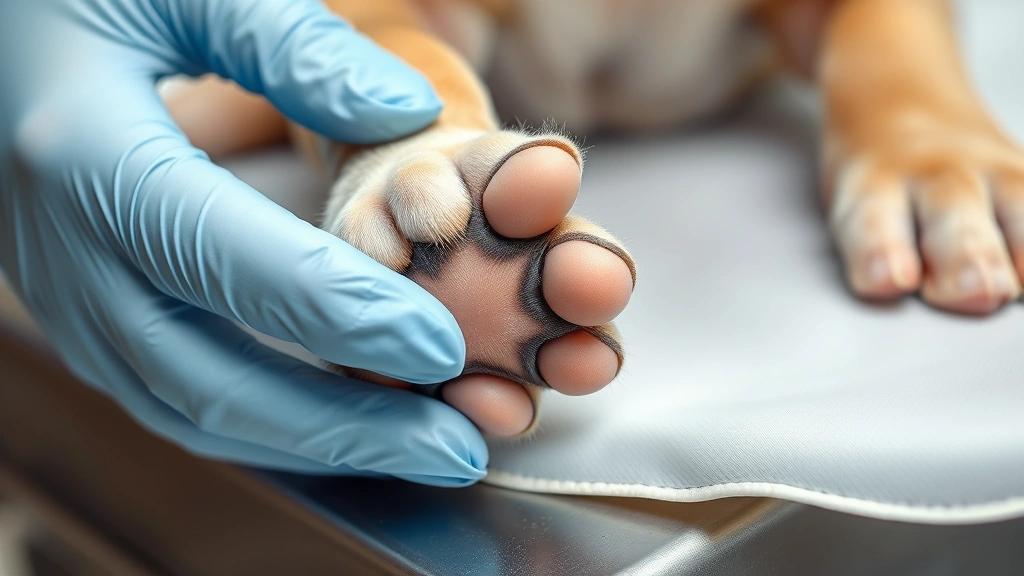
Yeast and Bacterial Overgrowth Between the Toes
The warm, moist environment between a puppy’s toes is a perfect breeding ground for yeast and bacteria. This is especially common in puppies with floppy ear structures or those who spend lots of time in wet conditions. You might notice a distinctive musty or corn-chip smell on their paws.
Yeast overgrowth often accompanies allergies or weakened immune function. It’s not contagious to humans, but it does cause significant itching. Regular paw cleaning and drying, along with veterinary treatment, can resolve the issue.
Nutritional Deficiencies
A poorly balanced diet lacking essential fatty acids, vitamins, or minerals can lead to dry, itchy skin and excessive paw licking. Puppies need specific nutrients to support healthy skin and coat development. High-quality puppy food formulated for their life stage is essential.
If you’re feeding homemade meals or a lower-quality commercial diet, nutritional gaps may be contributing to skin issues. Your vet can recommend appropriate supplements or diet changes to support skin health. Exploring natural remedies for dog skin allergies often includes nutritional support as a key component.
Pain or Systemic Issues
Sometimes paw licking indicates pain elsewhere in the body. Arthritis, joint issues, or neurological problems can cause puppies to focus on their paws. Additionally, hormonal imbalances or systemic infections may manifest as skin-related symptoms.
If your puppy is licking one paw more than others, limping, or showing signs of discomfort, pain is likely involved. Your vet may recommend imaging or bloodwork to rule out underlying health issues.
When Should You Ask Vet About Puppy Licking Paws?
You should schedule a vet appointment if your puppy’s paw licking is:
- Excessive or occurring multiple times per hour
- Focused on one paw consistently
- Accompanied by redness, swelling, or discharge
- Causing visible hair loss or skin damage
- Associated with limping or reluctance to walk
- Persistent for more than a few days
- Accompanied by other symptoms like ear scratching or facial rubbing
If you are unsure whether your pet needs urgent care, a quick telehealth check-in can give you peace of mind—no appointment needed. This is especially helpful for first-time puppy owners who want guidance without the stress of a clinic visit.
7 Solutions to Address Puppy Paw Licking
1. Get a Professional Diagnosis
Your vet will perform a physical exam, ask about your puppy’s history, and may recommend skin scrapings, fungal cultures, or allergy testing. Identifying the root cause is the first step toward an effective solution.
2. Implement Parasite Prevention
Use vet-recommended flea, tick, and mite prevention appropriate for your puppy’s age and weight. Consistent prevention stops parasites before they cause problems.
3. Adjust Diet and Nutrition
Switch to a high-quality puppy food formulated for skin health, or add omega-3 supplements if recommended by your vet. Proper nutrition supports immune function and skin integrity.
4. Keep Paws Clean and Dry
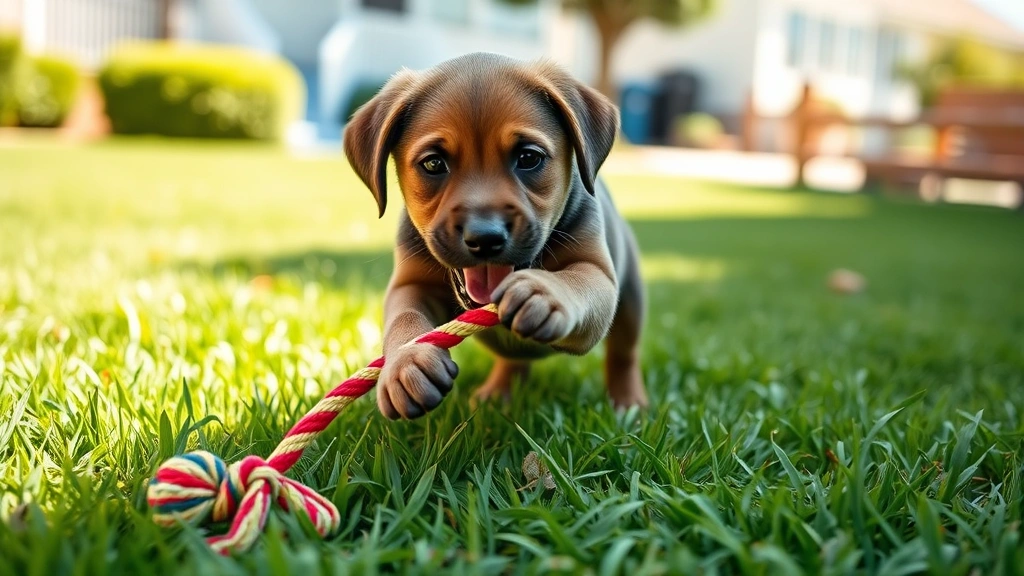
Wash your puppy’s paws after outdoor time, especially after playing in wet grass or mud. Dry thoroughly between the toes to prevent yeast and bacterial overgrowth.
5. Increase Mental and Physical Stimulation
Provide daily play, training sessions, and puzzle toys to combat boredom and anxiety. A tired puppy is less likely to develop compulsive behaviors.
6. Consider Anxiety Management
If stress is the culprit, create a calm environment, maintain consistent routines, and use calming techniques like gentle handling or background music. Some puppies benefit from training to redirect anxious energy.
7. Address Environmental Allergens
If environmental allergies are suspected, reduce exposure to pollen, dust, or mold by vacuuming regularly and using air filters. Wiping paws after outdoor time also helps.
What To Do Now
- Observe and document your puppy’s paw licking behavior—when it happens, how often, and whether it’s affecting specific paws or all four.
- Inspect your puppy’s paws for visible signs of irritation, parasites, splinters, or discharge.
- Schedule a vet appointment or book an online puppy vet consultation to discuss your observations and get professional guidance.
- In the meantime, keep paws clean and dry, and increase playtime and enrichment activities.
- Avoid self-treating with human products or unproven remedies—your vet can recommend safe, effective options.
Summary: Taking Action on Puppy Paw Licking
Puppy paw licking is a common concern, but it’s not something you should ignore. Whether the cause is allergies, parasites, injury, anxiety, or nutritional issues, identifying the underlying reason is essential. Most causes are highly manageable once diagnosed, and early intervention prevents complications.
Don’t hesitate to ask vet about puppy licking paws—that’s exactly what veterinarians are here for. With proper diagnosis and care, your puppy can get back to happy, healthy play without constant discomfort. The fact that you’re seeking answers shows you’re a caring pet owner, and your puppy is lucky to have someone paying close attention to their wellbeing.
Frequently Asked Questions
Is it normal for puppies to lick their paws?
Some paw licking is normal grooming behavior, but excessive or obsessive licking usually signals an issue like allergies, parasites, or stress that needs attention.
How can I tell if my puppy’s paw licking is a problem?
If the licking is frequent, focused on one paw, or causing redness and hair loss, it’s time to contact your vet. Occasional licking during or after play is typically fine.
Can puppy paw licking be caused by anxiety?
Yes, stress and boredom can trigger self-soothing paw licking. Increasing mental and physical stimulation often helps reduce this behavior.
What should I do if my puppy’s paws smell bad?
A musty or corn-chip smell usually indicates yeast or bacterial overgrowth. Contact your vet for treatment recommendations and keep paws clean and dry.
Do I need to see a vet in person, or can I get advice online?
Many cases can be assessed through a telehealth consultation, which offers convenience and quick answers. Your vet may recommend an in-person visit if hands-on examination is needed.
This article is for general education and is not a substitute for care from your own veterinarian. Learn about The Pet Vet and our editorial policy.