
If you’ve noticed your cat constantly licking their paws, it’s natural to wonder whether you should talk to vet about cat licking paws and what might actually be going on. This behavior can range from occasional grooming to obsessive licking that leaves your feline friend with raw, irritated skin—and it deserves your attention.
Table of Contents
- Why Your Cat Licks Their Paws: Common Causes
- Allergies and Skin Sensitivities
- Parasites: Fleas and Mites
- Bacterial and Fungal Infections
- Stress and Behavioral Factors
- When to Talk to Your Vet Right Away
- How to Talk to Your Vet Effectively
- The Benefits of Online Vet Consultations
- Five Essential Solutions to Try
- Creating a Comfortable Environment for Your Cat
- Frequently Asked Questions
- What To Do Now
- Summary
This article is for informational purposes only and is not a substitute for professional veterinary advice. Always consult a licensed veterinarian for diagnosis and treatment.
Why Your Cat Licks Their Paws: Common Causes
Cats groom themselves constantly, and paw licking is a normal part of their routine. However, excessive licking often signals that something is bothering your cat. Understanding the root cause is the first step toward helping them feel better.
The most common culprits behind paw licking include allergies, parasites, infections, and stress. Each of these requires a different approach, which is why talking to your vet is so important.
Allergies and Skin Sensitivities
Allergies are one of the leading reasons cats lick their paws excessively. Just like humans, cats can develop allergies to food, environmental factors, or contact irritants. When their skin becomes inflamed or itchy, paw licking becomes their way of finding relief.
Environmental allergies might include reactions to pollen, dust mites, or mold. Food allergies, on the other hand, develop when your cat’s digestive system reacts negatively to certain ingredients in their diet. If you suspect allergies, your vet can help identify the specific trigger through elimination diets or allergy testing.
Catching this early puts you in a great position to help your cat feel comfortable again.
Parasites: Fleas and Mites
Even indoor cats can pick up parasites, and these tiny invaders cause intense itching. Fleas are the most obvious suspect, but ear mites and other microscopic pests can also drive your cat to lick their paws obsessively.
One flea can cause an allergic reaction in sensitive cats, leading to disproportionate itching. Mites, while less visible, create similar frustration for your feline companion. A vet can examine your cat’s skin under magnification and recommend appropriate parasite prevention or treatment.
Bacterial and Fungal Infections
When your cat’s paws are warm, moist, and irritated from constant licking, they become a breeding ground for secondary infections. Bacterial infections like dermatitis or fungal issues such as ringworm can develop quickly.
These infections often create a cycle: the original irritation causes licking, the licking creates an open environment, and then infection sets in. Your vet can take a sample or culture to identify the exact organism and recommend targeted treatment to break this cycle.
Stress and Behavioral Factors
Cats are sensitive creatures, and emotional stress can manifest as physical behaviors. Changes in your home—a new pet, a move, or even a change in routine—can trigger anxiety-related paw licking.
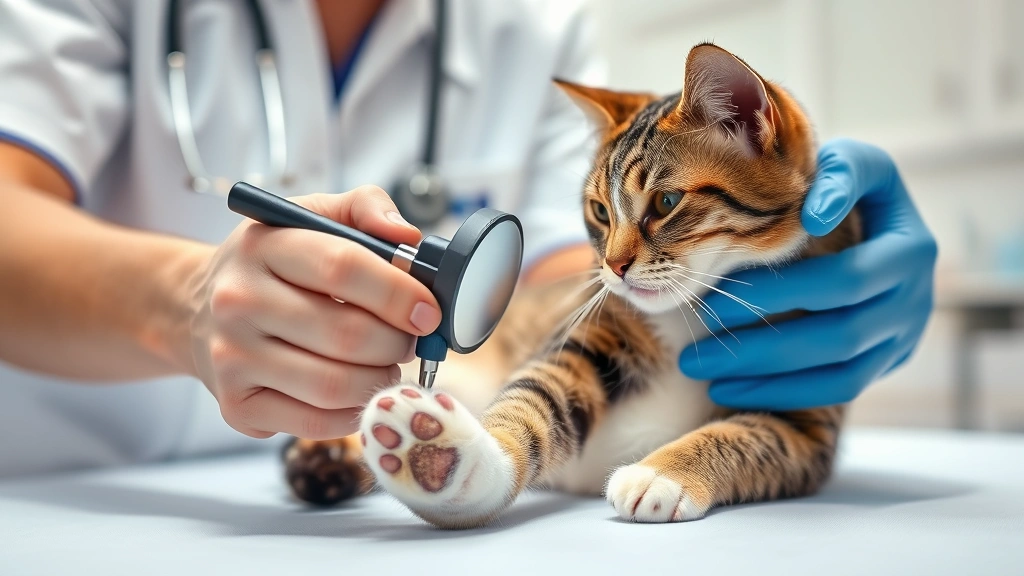
Some cats develop psychogenic alopecia (excessive grooming due to stress) when they feel overwhelmed. While behavioral causes require a different approach than medical ones, your vet can help you distinguish between the two and develop a calming strategy.
When to Talk to Your Vet Right Away
Certain signs indicate you should reach out to your veterinarian sooner rather than later. If your cat’s paws are red, swollen, bleeding, or have an odor, these are red flags that warrant prompt attention.
Additionally, if the licking is accompanied by hair loss, scabs, or if your cat seems to be in pain when walking, schedule a vet visit. Catching these symptoms early prevents complications and helps your cat recover faster.
You’re doing the right thing by paying attention to these changes.
How to Talk to Your Vet Effectively
When you reach out to your vet, having clear information helps them diagnose the issue more quickly. Note when the licking started, whether it’s seasonal, and if anything changed in your cat’s environment or diet recently.
Describe the appearance of your cat’s paws—are they red, swollen, or do they have discharge? Does your cat lick only one paw or all four? Is the licking worse at certain times of day? These details paint a clearer picture for your veterinarian.
Consider taking photos or a short video to show your vet. This visual documentation can be incredibly helpful during your consultation.
The Benefits of Online Vet Consultations
If you’re unsure whether your pet needs urgent care, a quick telehealth check-in can give you peace of mind—no appointment needed. Online vet for cat licking paws consultations allow you to connect with a licensed veterinarian from your home, making it easier to get professional guidance when you need it.
Many cat owners find telehealth especially convenient for behavioral concerns or initial assessments. You can share photos or videos directly with your vet, and they can advise whether an in-person exam is necessary. Additionally, talking to a vet about cat itching online removes barriers like travel time and scheduling conflicts.
Five Essential Solutions to Try
Once you’ve consulted with your vet and identified the cause, here are five solutions that often help:
- Parasite Prevention: Consistent flea and tick prevention is foundational. Your vet can recommend the best option for your cat’s age and health status.
- Dietary Adjustments: If food allergies are suspected, your vet may recommend a limited-ingredient or hypoallergenic diet to identify triggers.
- Environmental Management: Reduce stress by maintaining a stable routine, providing hiding spaces, and using calming products like pheromone diffusers.
- Topical Treatments: Medicated sprays or creams can soothe irritated skin and prevent secondary infections while healing occurs.
- Regular Monitoring: Keep track of your cat’s progress and report changes to your vet. This helps them adjust treatment if needed.
Creating a Comfortable Environment for Your Cat
Beyond medical interventions, your home environment plays a role in your cat’s comfort. Ensure your cat has access to cool, shaded areas where they can rest without overheating, as warmth can intensify itching.
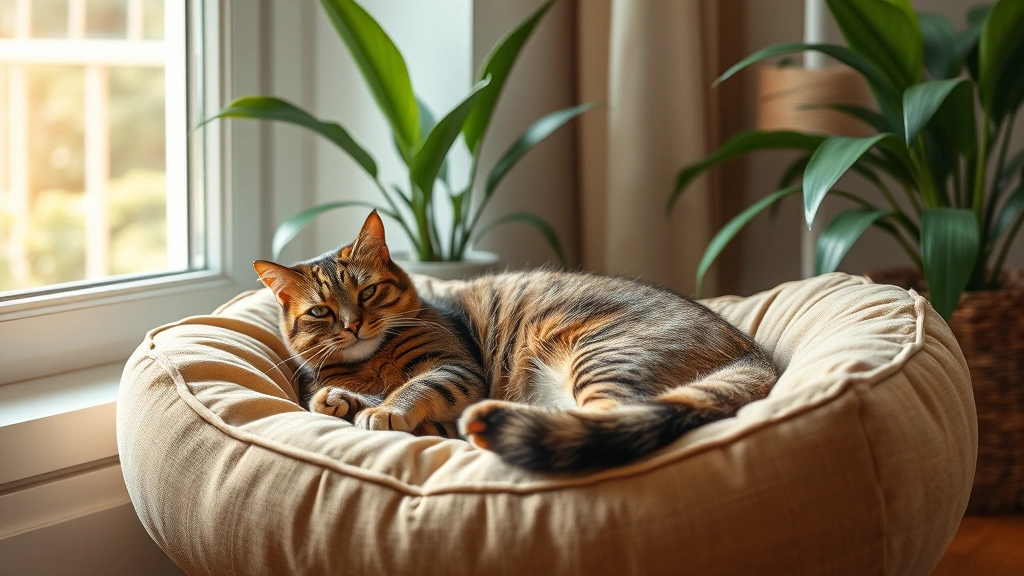
Maintain consistent humidity levels, as dry air can irritate skin. Provide multiple litter boxes and water bowls to reduce stress in multi-cat households. Clean bedding regularly and use hypoallergenic, fragrance-free detergents to minimize irritants.
These environmental tweaks complement your vet’s recommended treatment and support faster recovery.
Frequently Asked Questions
Is it normal for cats to lick their paws?
Yes, light paw licking is normal grooming behavior. However, excessive licking—especially if it leaves raw spots or causes hair loss—warrants a vet visit to rule out underlying issues.
How long does it take to resolve paw licking?
Recovery time depends on the underlying cause. Parasitic issues may improve within days of treatment, while allergies might take weeks to resolve as you identify and eliminate triggers.
Can I use home remedies instead of seeing a vet?
While some home remedies like oatmeal baths may provide temporary relief, they don’t address the root cause. A vet diagnosis is essential to ensure proper treatment and prevent complications.
What if my cat won’t stop licking despite treatment?
If licking persists after initial treatment, your vet may recommend additional testing or a different approach. Some cases require ongoing management or behavioral intervention.
Should I use an Elizabethan collar on my cat?
An E-collar can prevent further damage while healing occurs, but it’s typically a temporary measure. Your vet will advise whether this is appropriate for your cat’s specific situation.
What To Do Now
- Observe and document your cat’s paw-licking behavior, noting frequency, which paws are affected, and any visible changes to the skin.
- Schedule a consultation with your veterinarian or talk to a vet about kitten licking paws online if you prefer telehealth convenience.
- Prepare a list of questions and details about your cat’s environment, diet, and any recent changes to share with your vet.
- Once you receive a diagnosis, follow your vet’s treatment recommendations consistently and monitor your cat’s progress.
- Set a follow-up appointment to ensure the treatment is working and adjust the plan if needed.
Summary
Excessive paw licking in cats is rarely something to ignore, but it’s also usually very treatable once you identify the cause. Whether it’s allergies, parasites, infection, or stress, the key is to talk to vet about cat licking paws early and gather as much information as possible about your cat’s behavior and environment.
Your veterinarian is your best partner in solving this puzzle. With modern telehealth options like talking to a vet about cat behavior problems online, getting professional guidance has never been more accessible. Take action today, stay consistent with treatment, and you’ll likely see your cat return to comfortable, happy grooming habits soon.
Remember, paying attention to these small changes is exactly what responsible pet ownership looks like. Your cat is lucky to have someone who cares enough to investigate.
This article is for general education and is not a substitute for care from your own veterinarian. Learn about The Pet Vet and our editorial policy.