
If your kitten is acting out—biting during playtime, scratching furniture relentlessly, or displaying aggressive behavior—you’re not alone in feeling frustrated and worried. Learning when and how to talk to a vet about kitten behavior problems can transform your relationship with your new pet and set the foundation for a well-adjusted adult cat.
Table of Contents
- Why Kitten Behavior Problems Shouldn’t Be Ignored
- Common Kitten Behavior Issues Worth Discussing With Your Vet
- Medical Causes Behind Behavioral Changes
- How to Prepare for Your Vet Conversation
- Understanding Your Kitten’s Age and Development Stage
- Environmental and Behavioral Solutions Your Vet May Recommend
- When to Consider Professional Behavior Support
- The Role of Socialization in Preventing Behavior Problems
- Telehealth Options for Kitten Behavior Consultations
- Creating a Behavior Modification Plan Together
- Frequently Asked Questions
- What To Do Now
- Summary: Taking Action on Kitten Behavior Problems
This article is for informational purposes only and is not a substitute for professional veterinary advice. Always consult a licensed veterinarian for diagnosis and treatment.
Why Kitten Behavior Problems Shouldn’t Be Ignored
Kittens are bundles of energy, curiosity, and mischief. But there’s a crucial difference between normal kitten antics and behavior that signals an underlying problem. Early intervention is your best tool—catching issues now prevents them from becoming entrenched habits that are much harder to break later.

Many behavior problems in kittens stem from medical causes, environmental stress, or improper socialization. A veterinarian can rule out health issues and guide you toward the right solutions. This proactive approach puts you in a great position to help your kitten thrive.
Common Kitten Behavior Issues Worth Discussing With Your Vet
Before you schedule a consultation, it helps to understand what behaviors warrant professional attention. Not every quirky kitten moment needs a vet visit, but persistent patterns do.

- Excessive biting or scratching: Playful nips are normal, but drawing blood or targeting specific people repeatedly suggests something deeper.
- Destructive scratching: Scratching furniture is expected, but if your kitten ignores scratching posts entirely, behavior modification may be needed.
- Inappropriate elimination: Litter box avoidance or accidents outside the box often signal medical issues or anxiety.
- Excessive aggression: Hissing, swatting, or pouncing that seems out of proportion to play indicates stress or fear.
- Extreme fear or hiding: Some shyness is normal, but constant hiding and refusal to engage may point to socialization gaps or health concerns.
- Hyperactivity or lethargy: Sudden changes in energy levels can reflect medical problems or behavioral issues.
- Compulsive behaviors: Repetitive actions like over-grooming, tail chasing, or wall-staring warrant professional evaluation.
Medical Causes Behind Behavioral Changes
Here’s something many pet owners overlook: kitten behavior problems often have a medical root. Pain, hormonal imbalances, neurological issues, or infections can all manifest as behavioral changes. This is why asking your vet about kitten behavior problems is so important—they can identify what’s really going on.
Parasites, thyroid disorders, and even dental pain can trigger aggression or inappropriate elimination. A thorough veterinary exam, possibly including bloodwork or imaging, helps rule out these medical culprits before focusing solely on behavior modification.

How to Prepare for Your Vet Conversation
When you decide to talk to your vet about kitten behavior problems, coming prepared makes the appointment far more productive. Your veterinarian needs detailed information to give you the best guidance.
Keep a behavior log for one to two weeks before your appointment. Note when the behavior occurs, what triggers it, how long it lasts, and how your kitten responds. Include details like:

- Time of day and what your kitten was doing beforehand
- Environmental factors (new people, loud noises, changes in routine)
- Your kitten’s body language and vocalizations
- How you or others responded to the behavior
- Any recent changes in diet, litter, or living situation
Bring this log to your appointment. It gives your vet concrete data and helps them identify patterns you might have missed.
Understanding Your Kitten’s Age and Development Stage
Age matters enormously when evaluating kitten behavior. A three-week-old kitten’s rough play is developmentally appropriate; the same behavior in a six-month-old kitten may signal a problem. Your vet will consider your kitten’s age and developmental stage when assessing concerns.

Kittens go through distinct developmental windows. Early socialization (between two and nine weeks) is critical for shaping adult behavior. If your kitten missed this window, behavior modification takes longer but is absolutely possible. Your vet can recommend age-appropriate strategies tailored to where your kitten is developmentally.
Environmental and Behavioral Solutions Your Vet May Recommend
Once your vet rules out medical issues, they’ll likely suggest environmental modifications and behavior strategies. These solutions address root causes rather than just symptoms. Talking to a vet about cat behavior problems online can also provide convenient access to these recommendations.

Environmental enrichment is often the game-changer. Kittens need mental stimulation, physical outlets, and appropriate play targets. Your vet may suggest:
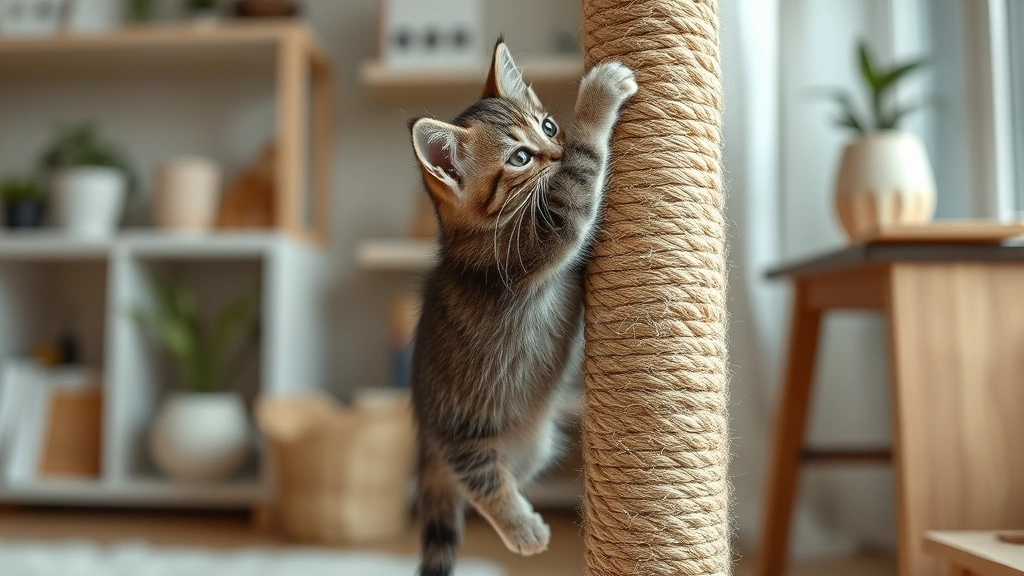
- Multiple scratching posts in high-traffic areas
- Interactive toys that mimic prey behavior
- Vertical spaces like cat trees for climbing and surveying
- Puzzle feeders to engage hunting instincts
- Scheduled play sessions at consistent times
- Window perches for visual stimulation
Redirecting behavior is another cornerstone strategy. When your kitten bites or scratches inappropriately, calmly redirect them to an acceptable target. Consistency is essential—everyone in your household must respond the same way.
When to Consider Professional Behavior Support
Some kitten behavior problems benefit from specialized help beyond a standard vet visit. Your veterinarian may refer you to a certified animal behaviorist or feline behavior specialist. These professionals have advanced training in modifying complex behaviors.
If your kitten displays severe aggression, extreme anxiety, or compulsive behaviors that don’t respond to basic modifications, a behavior specialist can create a customized plan. They work alongside your vet to address both medical and behavioral components. This collaborative approach yields the best outcomes for challenging cases.

The Role of Socialization in Preventing Behavior Problems
Prevention is always easier than correction. Proper socialization during your kitten’s critical developmental window sets the stage for good behavior throughout their life. If you’re adopting a very young kitten, your vet can guide you through socialization best practices.
Exposing your kitten to different people, environments, sounds, and experiences in a positive way builds confidence and reduces fear-based behaviors. Your vet can advise on safe socialization strategies, especially regarding exposure to other animals and outdoor environments.

Telehealth Options for Kitten Behavior Consultations
If scheduling an in-person appointment feels overwhelming, know that many behavior discussions can happen via telehealth. You can talk to a vet about cat behavior problems online, which offers flexibility and convenience without sacrificing quality advice.
Telehealth works especially well for initial consultations where your vet gathers information and provides guidance. Your vet can observe your kitten’s behavior on video, ask detailed questions about your home environment, and recommend solutions. If a physical exam is needed, they can advise you to schedule an in-person visit. If you’re unsure whether your pet needs urgent care, a quick telehealth check-in can give you peace of mind—no appointment needed.

Creating a Behavior Modification Plan Together
The best behavior plans are collaborative. Your vet will explain what they’ve found, discuss possible causes, and work with you to develop realistic strategies. This isn’t a one-size-fits-all process—your vet considers your lifestyle, your kitten’s personality, and your household dynamics.
A solid plan includes clear goals, specific action steps, a timeline for improvement, and follow-up appointments to assess progress. Your vet should explain why each recommendation matters and how it addresses the underlying issue. Understanding the “why” helps you stay committed to the plan.
Frequently Asked Questions
At what age should I talk to my vet about kitten behavior problems?
As soon as you notice a behavior that concerns you, bring it up at your next vet visit or schedule a consultation. Early intervention is more effective than waiting, and your vet can rule out medical causes quickly.
Could my kitten’s behavior problem be a sign of illness?
Absolutely. Behavioral changes often signal underlying medical issues like pain, infections, or metabolic disorders. This is why a vet evaluation is the essential first step before assuming it’s purely a behavior issue.
How long does it take to fix kitten behavior problems?
Timeline varies based on the problem’s severity and cause. Some issues improve within weeks with environmental changes; others take several months of consistent effort. Your vet will give you realistic expectations.
Can I fix kitten behavior problems on my own without a vet?
While some minor issues respond to basic environmental adjustments, professional guidance prevents you from missing medical causes and helps you avoid reinforcing unwanted behaviors accidentally. A vet consultation is a worthwhile investment.
Is it ever too late to address kitten behavior problems?
No. Cats of any age can learn new behaviors and adjust to changes, though younger kittens typically respond faster. Starting now—whenever “now” is—puts your kitten on the path to improvement.
What To Do Now
- Schedule a vet appointment or telehealth consultation within the next week. Bring specific examples of the behavior that concerns you and any recent changes in your kitten’s routine or environment.
- Start a behavior log if you haven’t already. Document when the problem occurs, what happens before and after, and any patterns you notice. This information is gold for your vet.
- Assess your kitten’s environment for enrichment opportunities. Add scratching posts, interactive toys, and vertical spaces. These changes often improve behavior even before your vet visit.
- Review your response to the behavior. Are you accidentally rewarding unwanted actions with attention? Discuss with your vet how to respond consistently and effectively.
- Follow your vet’s recommendations consistently. Behavior change requires patience and consistency from everyone in your household. Set reminders if needed to stay on track with the plan.
Summary: Taking Action on Kitten Behavior Problems
Kitten behavior problems can feel daunting, but you have effective solutions at your fingertips. The key is recognizing that when to talk to your vet about kitten behavior problems is now—not after months of struggling alone. Your veterinarian is your partner in understanding what’s driving the behavior and creating a realistic plan to address it.
Start by documenting the behavior, ruling out medical causes through a vet evaluation, and implementing environmental enrichment. Many kitten behavior issues improve dramatically once you understand their root cause and apply targeted strategies. You’re already on the right path by seeking information and considering professional guidance.
Your kitten isn’t trying to be difficult; they’re communicating something through their behavior. With your vet’s expertise and your commitment to the process, you can transform those frustrating moments into a strong, trusting bond. Reaching out for help isn’t a sign of failure—it’s the smartest thing you can do for your kitten’s future.
This article is for general education and is not a substitute for care from your own veterinarian. Learn about The Pet Vet and our editorial policy.