
If you’ve noticed your puppy scratching at their ears, shaking their head constantly, or showing signs of discomfort, it’s time to talk to vet about puppy ear infection. Ear infections in puppies are surprisingly common and can cause real distress if left untreated, but the good news is that catching them early makes treatment straightforward and effective.
Table of Contents
- Why Puppy Ear Infections Happen So Often
- Signs Your Puppy May Be Experiencing an Ear Infection
- When to Talk to Your Vet About Puppy Ear Infection
- What Your Vet Will Do During an Ear Infection Exam
- Treatment Options for Puppy Ear Infections
- Prevention: How to Keep Your Puppy’s Ears Healthy
- Breed-Specific Ear Infection Risk
- Should You Consider Telehealth for Ear Infection Concerns?
- Related Puppy Health Concerns
- What To Do Now
- Frequently Asked Questions
- Summary: Taking Action on Puppy Ear Infections
This article is for informational purposes only and is not a substitute for professional veterinary advice. Always consult a licensed veterinarian for diagnosis and treatment.
Why Puppy Ear Infections Happen So Often
Puppies are naturally curious and love to explore, which means their ears are constantly exposed to dirt, moisture, and potential irritants. Their ear canals are also still developing, making them more vulnerable to bacterial and yeast infections.
Common causes include water trapped in the ear after swimming or bathing, ear mites (especially in young puppies), allergies, or excessive ear wax buildup. Some breeds with floppy ears—like Cocker Spaniels, Basset Hounds, and Labrador Retrievers—are at higher risk because their ear shape limits air circulation.
The warm, moist environment inside a puppy’s ear canal is the perfect breeding ground for bacteria and yeast. This is why prevention and early detection are so important.
Signs Your Puppy May Be Experiencing an Ear Infection
Your puppy can’t tell you what’s wrong, so watch for these telltale signs that something isn’t right:
- Frequent scratching, pawing, or rubbing at the ears
- Head shaking or tilting to one side
- Red, swollen, or inflamed ear flaps
- Discharge from the ear (yellow, brown, or bloody)
- Unpleasant odor coming from the ear canal
- Sensitivity when you touch their ears or head
- Loss of balance or coordination (in severe cases)
- Behavioral changes like increased irritability or anxiety
Catching these signs early puts you in a great position to help your puppy feel better quickly. Don’t wait if you notice multiple symptoms—your vet will appreciate you reaching out sooner rather than later.
When to Talk to Your Vet About Puppy Ear Infection
You don’t need to panic at the first sign of ear scratching, but you should schedule a vet visit if symptoms persist for more than a day or two. If your puppy is in obvious pain, has discharge, or shows signs of hearing loss, contact your veterinarian right away.
If you are unsure whether your pet needs urgent care, a quick telehealth check-in can give you peace of mind—no appointment needed. Many vets, including those on virtual dog vet appointment platforms, can assess your puppy’s symptoms within hours and recommend next steps.
Don’t try to self-diagnose or treat the infection at home without professional guidance. What looks like an ear infection might be something else entirely, and incorrect treatment can make things worse.
What Your Vet Will Do During an Ear Infection Exam
When you talk to vet about puppy ear infection, here’s what to expect during the appointment:
Your vet will use an otoscope—a small handheld tool with a light—to look deep inside your puppy’s ear canal. This allows them to see the extent of inflammation, check for discharge, and rule out a ruptured eardrum.
They may also take a sample of any discharge to examine under a microscope. This helps identify whether the infection is bacterial, yeast-based, or caused by ear mites. Knowing the exact cause is crucial for choosing the right treatment.
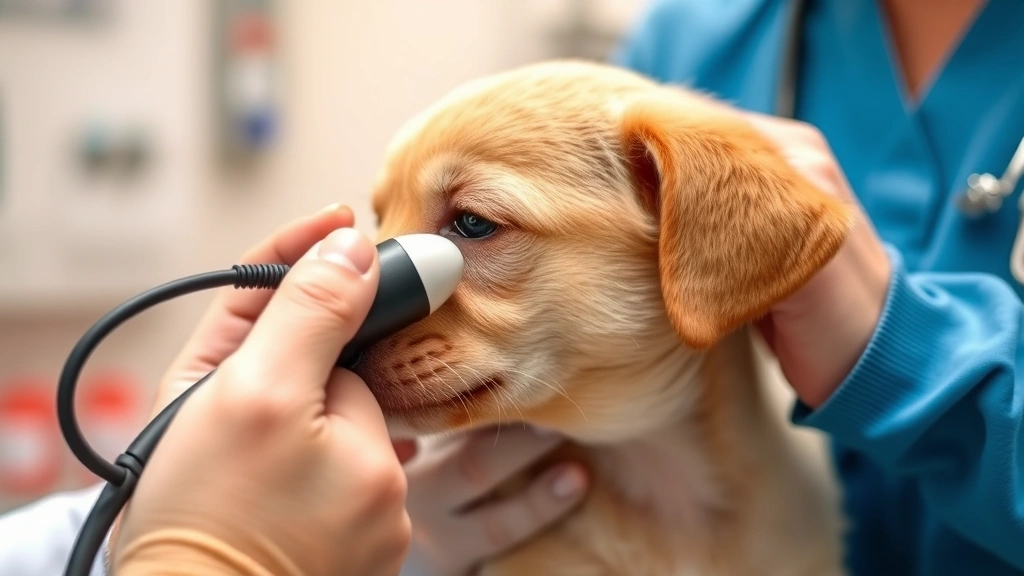
Your vet might ask about your puppy’s recent activities, bathing habits, diet, and any allergies you’ve noticed. This information helps them understand what triggered the infection and how to prevent it from happening again.
Treatment Options for Puppy Ear Infections
Treatment depends entirely on what’s causing the infection. Your vet may recommend ear cleaning, topical medications, oral medications, or a combination approach.
For bacterial infections, your vet may prescribe antibiotic ear drops or oral antibiotics. Yeast infections typically respond well to antifungal treatments. Ear mite infections require specific parasite-killing medications.
Many puppies start feeling better within 48–72 hours of starting treatment. However, it’s critical to complete the full course of medication, even if your puppy seems fine. Stopping early can lead to the infection returning or becoming resistant to treatment.
Your vet will also give you instructions on how to clean your puppy’s ears at home and may recommend follow-up appointments to ensure the infection is fully cleared.
Prevention: How to Keep Your Puppy’s Ears Healthy
Prevention is always easier than treatment. Here are practical steps to keep your puppy’s ears in top shape:
- Keep ears dry: After bathing or swimming, gently dry your puppy’s ears with a soft cloth. You can also use a drying solution recommended by your vet.
- Regular cleaning: Ask your vet how often to clean your puppy’s ears. Most puppies benefit from weekly or bi-weekly gentle cleaning with a vet-approved solution.
- Check for debris: Inspect your puppy’s ears regularly for dirt, wax buildup, or discharge. Early detection prevents small issues from becoming infections.
- Trim excess hair: If your puppy has hair inside their ear canal, your vet may recommend trimming it to improve air circulation.
- Address allergies: If your puppy has food or environmental allergies, work with your vet to manage them. Allergies are a common underlying cause of recurring ear infections.
Consistency with these habits can dramatically reduce the chances of future ear infections and keep your puppy comfortable.
Breed-Specific Ear Infection Risk
Certain breeds are more prone to ear infections due to their ear shape and structure. Floppy-eared breeds like Cocker Spaniels, Poodles, and Golden Retrievers need extra attention to ear health.
If your puppy is one of these breeds, discuss a preventive ear care routine with your vet during your first wellness visit. A proactive approach can save you and your puppy from discomfort down the road.
Even short-eared breeds can develop infections, so don’t assume your puppy is risk-free. Regular ear checks are a good habit for all dog owners.
Should You Consider Telehealth for Ear Infection Concerns?
Telehealth veterinary services like urgent vet consultation options are perfect for initial assessments of ear infection symptoms. A vet can review photos, ask detailed questions, and help you decide if an in-person exam is needed right away or if you can wait for a regular appointment.
Telehealth is especially helpful if you’re a first-time puppy owner and aren’t sure whether what you’re seeing warrants a vet visit. Many owners find it reassuring to get professional guidance quickly without the stress of traveling to a clinic.

However, some ear infections do require hands-on examination and sample collection, so your vet may still recommend an in-person visit. Think of telehealth as a helpful first step, not a replacement for comprehensive care when needed.
Related Puppy Health Concerns
Ear infections don’t happen in isolation. If your puppy is experiencing ear problems, they may also be dealing with other health issues. For example, if your puppy isn’t eating or is vomiting, these could be signs of systemic illness that’s also affecting their ears.
If you’re concerned about multiple symptoms, consider a comprehensive vet consultation. You can talk to a vet about puppy not eating online or discuss puppy vomiting concerns online to address multiple health questions at once.
Similarly, if you have multiple pets, check out our guide on talking to a vet about kitten ear infection to ensure all your furry family members stay healthy.
What To Do Now
If you suspect your puppy has an ear infection, here’s your action plan:
- Observe and document: Note when you first noticed symptoms, what they look like, and how severe they seem. Take photos of any visible discharge or redness if possible.
- Schedule a vet appointment: Contact your veterinarian or use a telehealth platform to get your puppy evaluated. Don’t delay—early treatment prevents complications.
- Avoid home remedies: Resist the urge to put drops, oils, or solutions in your puppy’s ear without vet approval. Wrong treatments can worsen the infection.
- Keep ears clean and dry: Gently wipe away any visible discharge with a clean cloth, but don’t insert anything into the ear canal.
- Follow treatment instructions precisely: Once your vet diagnoses the infection, follow their treatment plan exactly. Complete the full course even if your puppy improves quickly.
Frequently Asked Questions
Can I treat my puppy’s ear infection at home?
You shouldn’t attempt to treat an ear infection without veterinary diagnosis and guidance. Incorrect treatment can worsen the infection or damage the ear canal. Always consult your vet first.
How long does it take for a puppy ear infection to clear up?
Most ear infections show improvement within 48–72 hours of starting treatment, but the full course typically lasts 7–14 days. Your vet will let you know when the infection is completely resolved.
Are puppy ear infections contagious to other pets?
Bacterial and yeast infections are not typically contagious, but ear mites can spread to other animals. If your puppy has mites, keep them separated from other pets until treatment is complete.
Why does my puppy keep getting ear infections?
Recurring infections often indicate an underlying issue like allergies, water exposure, or breed predisposition. Your vet can help identify the root cause and recommend preventive strategies.
Is a puppy ear infection an emergency?
Most ear infections aren’t life-threatening, but they’re painful and need prompt treatment. If your puppy shows severe pain, loss of balance, or signs of systemic illness, seek urgent care immediately.
Summary: Taking Action on Puppy Ear Infections
Ear infections are one of the most common health issues in puppies, but they’re also highly treatable when caught early. By staying alert to the signs—scratching, head shaking, discharge, and odor—you can get your puppy the help they need quickly.
When you talk to vet about puppy ear infection, you’re taking an important step toward your puppy’s comfort and long-term ear health. Don’t hesitate to reach out to your veterinarian or use telehealth services if you’re unsure. Your vet is there to help, and addressing ear infections promptly prevents complications and keeps your puppy happy.
Remember: a proactive approach to ear care—regular cleaning, keeping ears dry, and addressing allergies—can prevent most infections from happening in the first place. Your puppy depends on you to notice when something’s wrong and act quickly. You’ve got this!
This article is for general education and is not a substitute for care from your own veterinarian. Learn about The Pet Vet and our editorial policy.