
Recognizing dog cancer emergency signs early could mean the difference between catching a treatable condition and facing a much more serious situation. If you’ve noticed something off about your dog lately—unusual lumps, changes in appetite, or persistent lethargy—you’re right to pay attention, and this guide will help you understand what to look for.
Table of Contents
- Understanding Cancer in Dogs
- Sign #1: Unexplained Lumps or Bumps
- Sign #2: Loss of Appetite or Difficulty Eating
- Sign #3: Persistent Vomiting or Diarrhea
- Sign #4: Lethargy and Unusual Fatigue
- Sign #5: Difficulty Breathing or Persistent Coughing
- Sign #6: Changes in Bathroom Habits
- Sign #7: Swelling or Discharge
- When to Seek Immediate Emergency Care
- The Importance of Early Detection
- What to Do Now: Action Steps
- Understanding the Diagnostic Process
- Treatment Options and Prognosis
- Supporting Your Dog Through Treatment
- Frequently Asked Questions
- Summary: Key Takeaways
This article is for informational purposes only and is not a substitute for professional veterinary advice. Always consult a licensed veterinarian for diagnosis and treatment.
Understanding Cancer in Dogs
Cancer is unfortunately common in dogs, especially as they age. Unlike in humans, canine cancer can develop quickly and spread silently before obvious symptoms appear. The good news? Many cancers are treatable when caught early, and some dogs go into remission with proper care.
The key is knowing what changes warrant immediate veterinary attention. Some symptoms might seem minor on their own, but when combined, they paint a clearer picture of what your dog might be experiencing.
Sign #1: Unexplained Lumps or Bumps
One of the most recognizable dog cancer emergency signs is the appearance of new lumps or bumps under the skin or on the body. These can vary in size, texture, and location.
Not every lump is cancer—dogs can develop benign cysts, fatty tumors, or warts—but any new growth deserves professional evaluation. Catching this early puts you in a great position to help your dog get the care they need.
- Check your dog’s body regularly during grooming or petting sessions
- Note the size, location, and whether lumps feel firm or soft
- Watch for lumps that grow rapidly or change appearance
- Don’t wait—schedule a vet visit if you find anything unusual
Sign #2: Loss of Appetite or Difficulty Eating
When a dog suddenly loses interest in food or struggles to eat, it’s a red flag. Cancer can affect the mouth, throat, digestive system, or overall metabolism, making eating painful or unappetizing.
Your dog might push food around the bowl, drool excessively, or only eat soft foods. Some dogs may eat less but seem interested, while others reject meals entirely. Either way, unexplained appetite loss lasting more than a day or two needs veterinary attention.
This symptom is particularly concerning because it leads to weight loss and weakness, making treatment more challenging.
Sign #3: Persistent Vomiting or Diarrhea
Occasional digestive upset is normal, but persistent vomiting or diarrhea—especially lasting more than a few days—could indicate internal cancer or other serious conditions. Some cancers affect the gastrointestinal tract directly, while others cause systemic inflammation.
Pay attention to the frequency and consistency. Blood in vomit or stool is always concerning and warrants immediate veterinary evaluation. Catching this early gives your vet the best chance to identify the underlying cause.
Sign #4: Lethargy and Unusual Fatigue
Dogs with cancer often experience profound tiredness that goes beyond normal aging. Your once-active companion might struggle to get up, show no interest in walks or play, or sleep excessively.
Cancer is metabolically taxing on the body, and your dog’s energy reserves deplete quickly. If your dog seems unusually tired for more than a few days, especially combined with other symptoms, it’s time for a veterinary check-up. Ask your vet about lethargy to rule out other conditions as well.
Sign #5: Difficulty Breathing or Persistent Coughing
Coughing or labored breathing can indicate lung cancer or cancer that has spread to the chest. Some dogs develop a dry, hacking cough that doesn’t improve, while others seem to struggle for breath, especially during activity.

Respiratory symptoms are particularly urgent because they affect your dog’s oxygen intake. If your dog is coughing regularly or breathing seems difficult, seek veterinary care promptly. This could also relate to heart disease, making professional diagnosis essential.
Sign #6: Changes in Bathroom Habits
Cancer affecting the bladder, kidneys, or intestines often causes changes in urination or defecation patterns. Your dog might need to go out more frequently, strain to urinate or defecate, or have accidents in the house.
Some dogs develop incontinence or produce smaller amounts of urine. Blood in urine or stool is always concerning. These symptoms can overlap with conditions like urinary tract infections, but they all require veterinary evaluation.
Sign #7: Swelling or Discharge
Visible swelling in the face, legs, or abdomen could indicate cancer or fluid accumulation related to tumors. Similarly, unusual discharge from the nose, mouth, ears, or genital area warrants immediate attention.
Some cancers cause bleeding or discharge as the tumor grows or ulcerates. These symptoms are particularly concerning and suggest your dog needs urgent veterinary care.
When to Seek Immediate Emergency Care
Certain situations require emergency veterinary attention, not just a routine appointment:
- Severe difficulty breathing – Your dog is gasping, wheezing, or seems unable to catch their breath
- Collapse or unresponsiveness – Your dog faints, becomes unresponsive, or can’t stand
- Severe bleeding – Blood in vomit, stool, or from the mouth in significant amounts
- Acute abdominal pain – Your dog cries out, has a distended belly, or can’t get comfortable
- Seizures – Uncontrolled muscle movements or loss of consciousness
If your dog shows any of these signs, head to an emergency veterinary clinic immediately. Don’t wait for a regular appointment.
The Importance of Early Detection
Early detection truly is a game-changer with canine cancer. Tumors caught before they spread are often more treatable, and your dog may have more treatment options available. Some early-stage cancers respond well to surgery alone, while others benefit from chemotherapy, radiation, or combination approaches.
Regular vet checkups become increasingly important as dogs age. Your veterinarian can perform physical exams, recommend screening tests, and catch subtle changes you might miss at home.
What to Do Now: Action Steps
If you’re concerned about your dog showing any of these dog cancer emergency signs, here’s what to do:
- Schedule a veterinary appointment – Contact your regular vet or an emergency clinic if symptoms are severe. Don’t delay if you notice multiple signs.
- Document the symptoms – Write down when symptoms started, how often they occur, and any patterns you’ve noticed. This information helps your vet significantly.
- Get a telehealth consultation if needed – If you’re unsure whether your pet needs urgent care, a quick telehealth check-in can give you peace of mind and guidance on next steps—no appointment needed. Our online vet chat is available when you need answers fast.
- Prepare questions for your vet – Ask about diagnostic options like ultrasound, X-rays, or biopsies. Understanding the diagnostic process helps you feel more in control.
- Don’t panic, but act quickly – Your calm demeanor helps your dog stay calm too. Trust your instincts—if something feels wrong, it probably warrants professional evaluation.
Understanding the Diagnostic Process
When you bring your dog to the vet with suspected cancer symptoms, expect a thorough evaluation. Your vet will perform a physical exam, ask detailed questions about your dog’s history, and likely recommend diagnostic tests.
These might include blood work, urinalysis, X-rays, ultrasound, or even biopsies. While waiting for results can feel stressful, these tests help your vet determine exactly what’s happening and the best treatment approach. Having a clear diagnosis puts you in the best position to help your dog.
Treatment Options and Prognosis
Cancer treatment in dogs varies widely depending on the type, stage, and location of the tumor. Some dogs respond beautifully to surgery, others to chemotherapy, and some benefit from radiation or combination therapy.
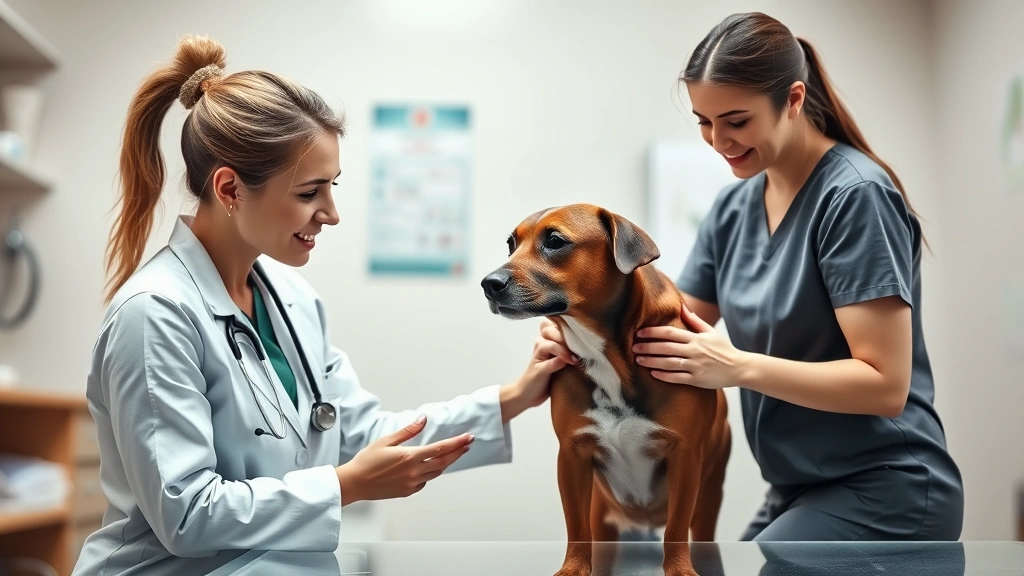
Modern veterinary oncology has made tremendous advances. Many dogs achieve good quality of life during treatment, and some go into remission. Your vet can discuss realistic expectations and help you make informed decisions about your dog’s care.
The prognosis varies greatly—some cancers are highly treatable, while others are more challenging. Early detection genuinely improves outcomes across the board.
Supporting Your Dog Through Treatment
If your dog is diagnosed with cancer, your role as a supportive caregiver becomes crucial. Keep your dog comfortable, maintain their appetite as best you can, and provide emotional support through treatment.
Many dogs handle chemotherapy better than people expect, experiencing fewer side effects than humans typically do. Your vet will guide you on what to expect and how to manage any side effects that do occur.
Frequently Asked Questions
Can I detect cancer at home before seeing a vet?
You can notice changes like lumps, appetite loss, or behavioral shifts at home, but only a vet can diagnose cancer through physical exam and diagnostic testing. Trust your instincts and seek professional evaluation if you notice multiple concerning signs.
Are all lumps on dogs cancerous?
No—many lumps are benign fatty tumors, cysts, or warts. However, any new lump warrants veterinary evaluation to determine what it is and whether treatment is needed.
How quickly does dog cancer progress?
Progression varies dramatically depending on cancer type and individual factors. Some cancers grow slowly over months, while others progress rapidly. This is why early detection and professional monitoring matter so much.
Is chemotherapy painful for dogs?
Dogs typically tolerate chemotherapy better than humans do, with fewer side effects. Your vet will monitor your dog closely and adjust treatment if side effects occur, prioritizing comfort and quality of life.
What’s the average lifespan for a dog with cancer?
Lifespan depends entirely on cancer type, stage at diagnosis, and treatment response. Some dogs live months, others years after diagnosis. Your vet can provide more specific estimates based on your dog’s situation.
Summary: Key Takeaways
Recognizing dog cancer emergency signs empowers you to act quickly and give your dog the best chance at treatment success. Watch for unexplained lumps, appetite loss, persistent vomiting or diarrhea, unusual fatigue, breathing difficulties, bathroom changes, and swelling or discharge.
Trust your instincts—you know your dog best. If something feels wrong, schedule a vet visit. Early detection transforms outcomes. Whether your dog needs emergency care or a routine checkup, professional evaluation is the critical first step.
Your dog depends on you to advocate for their health. By staying vigilant and acting promptly when you notice concerning signs, you’re giving them the gift of early intervention and the best possible care. If you need quick guidance, get vet advice right now through our telehealth platform—because peace of mind matters when your pet’s health is on the line.
This article is for general education and is not a substitute for care from your own veterinarian. Learn about The Pet Vet and our editorial policy.