
If you’ve noticed changes in your dog’s health after vaccination, you’re understandably concerned—and you’re not alone. Many pet owners worry about dog cancer after vaccination, especially after hearing stories online or from well-meaning friends. The good news? We’re going to separate fact from fear and give you the information you need to keep your best friend healthy.
Table of Contents
- Understanding the Connection: Vaccines and Cancer Risk
- What Is Injection-Site Sarcoma?
- Risk Factors That Increase Your Dog’s Vulnerability
- Signs Your Dog May Be Experiencing Post-Vaccination Changes
- When to Be Concerned: Lumps, Bumps, and Abnormal Symptoms
- Prevention Strategies: Protecting Your Dog Without Skipping Vaccines
- The Role of Your Veterinarian in Vaccination Safety
- Monitoring Your Dog: What to Track After Vaccination
- Addressing Common Fears: What the Research Actually Shows
- When Your Dog Needs Additional Cancer Screening
- Frequently Asked Questions
- What To Do Now
- Summary: Balancing Protection and Peace of Mind
This article is for informational purposes only and is not a substitute for professional veterinary advice. Always consult a licensed veterinarian for diagnosis and treatment.
Understanding the Connection: Vaccines and Cancer Risk
Let’s start with the science. The relationship between vaccinations and cancer in dogs is one of the most researched topics in veterinary medicine, and the evidence is reassuring. While some vaccines can theoretically be associated with a rare condition called injection-site sarcoma, the actual risk is extremely low—somewhere between 1 in 1,000 to 1 in 10,000 vaccinations.
Modern vaccines are highly regulated and tested extensively before approval. Veterinarians and manufacturers continuously monitor safety data, and the benefits of protecting your dog from life-threatening diseases far outweigh the minimal risks.
What Is Injection-Site Sarcoma?
Injection-site sarcoma (ISS) is a type of tumor that can develop at the location where a vaccine or injection was administered. It’s a legitimate concern, but it’s also rare and manageable when caught early. This condition typically appears weeks to months after an injection, though it can take years to develop.
The tumor develops from the fibrous tissue at the injection site and may appear as a firm lump or swelling. Catching this early puts you in a great position to help your dog get appropriate treatment. Most injection-site sarcomas are treatable, especially if discovered before they grow large.
Risk Factors That Increase Your Dog’s Vulnerability
Not all dogs have the same risk level. Certain factors can make some dogs more susceptible to developing injection-site sarcoma:
- Breed predisposition: Certain breeds, including Siamese cats and some dog breeds, show slightly higher rates, though the difference is modest
- Age at vaccination: Dogs vaccinated at younger ages may have slightly different immune responses
- Vaccine type: Killed (inactivated) vaccines carry a lower risk than live vaccines, though both are generally safe
- Injection frequency: Dogs receiving multiple injections in the same location have marginally higher risk
- Individual immune response: Some dogs’ immune systems may react more strongly to vaccine ingredients
Understanding these factors helps you work with your veterinarian to create the safest vaccination plan for your individual dog.
Signs Your Dog May Be Experiencing Post-Vaccination Changes
Most dogs experience mild, temporary reactions to vaccines—these are normal and resolve within days. However, knowing what to watch for helps you catch anything unusual early.
Common, temporary reactions include:
- Mild lethargy or fatigue for 24-48 hours
- Reduced appetite
- Low-grade fever
- Mild swelling at the injection site
- Slight lameness or soreness
These typically resolve without treatment. However, if your dog is experiencing persistent lethargy or unusual behavior weeks after vaccination, it’s worth mentioning to your vet.
When to Be Concerned: Lumps, Bumps, and Abnormal Symptoms
While most post-vaccination reactions are harmless, certain signs warrant veterinary attention. A firm lump at the injection site that persists beyond a few weeks, grows over time, or causes your dog discomfort could indicate injection-site sarcoma. Similarly, if your dog develops unusual neurological symptoms or behavioral changes after vaccination, professional evaluation is important.
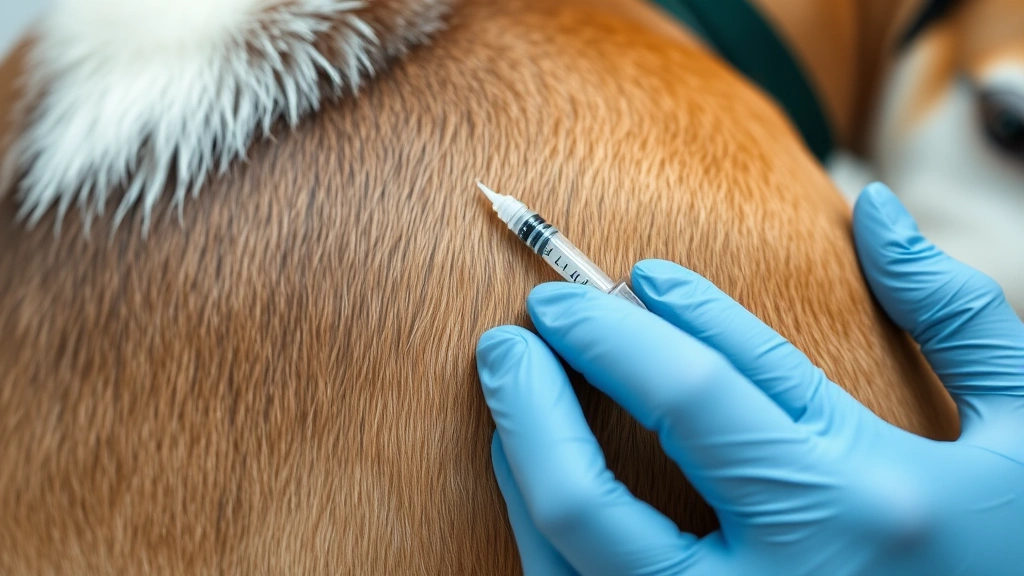
You might also notice sudden onset neurological changes or signs that seem unrelated to the injection site. Don’t dismiss these—they deserve professional assessment. Your veterinarian can determine whether these changes are related to vaccination or something else entirely.
Prevention Strategies: Protecting Your Dog Without Skipping Vaccines
The key to preventing vaccine-related cancer is smart, individualized vaccination planning—not avoiding vaccines altogether. Unvaccinated dogs face far greater risks from preventable diseases like rabies, distemper, and parvovirus.
Work with your veterinarian to:
- Follow a tailored vaccination schedule: Not all dogs need the same vaccines at the same frequency. Your vet can recommend a protocol based on your dog’s age, lifestyle, health status, and local disease prevalence
- Space out injections: Requesting that vaccines be given in different locations on the body reduces localized immune reactions
- Monitor injection sites: After each vaccination, gently check the area regularly and note any changes
- Consider titer testing: Blood tests can measure immunity levels, potentially reducing unnecessary booster vaccines for some dogs
- Document everything: Keep detailed records of vaccination dates, locations, and any reactions—this helps your vet identify patterns
These proactive steps give your dog the protection they need while minimizing unnecessary risk.
The Role of Your Veterinarian in Vaccination Safety
Your veterinarian is your partner in keeping your dog safe. A good vet will discuss your dog’s individual risk factors, explain the benefits and risks of each vaccine, and help you make informed decisions. They’ll also perform thorough pre-vaccination health checks and monitor your dog after vaccines.
If you have concerns about vaccination safety or notice changes in your dog’s health, speaking with your vet promptly is important. If you are unsure whether your pet needs urgent care, a quick telehealth check-in can give you peace of mind — no appointment needed.
Monitoring Your Dog: What to Track After Vaccination
Being vigilant doesn’t mean being anxious—it means being informed and observant. After your dog receives a vaccination, keep a simple log of any changes you notice over the following weeks and months.
Track these observations:
- Injection site appearance (size, firmness, color, hair loss)
- Energy levels and appetite
- Any lumps or bumps elsewhere on the body
- Behavioral changes or mood shifts
- Mobility or gait changes
- Digestive or urinary changes
Most of these will be completely normal, but documenting them helps you and your vet identify any genuine concerns quickly. Early detection of any issues dramatically improves treatment outcomes.
Addressing Common Fears: What the Research Actually Shows
Online communities and social media can amplify vaccine concerns, sometimes presenting anecdotal stories as scientific fact. Here’s what rigorous research actually demonstrates: the incidence of injection-site sarcoma has remained relatively stable even as vaccination protocols have evolved, suggesting other factors beyond vaccines may play a role.
Additionally, the diseases vaccines prevent—rabies, distemper, parvovirus—cause far more cancer and death in unvaccinated populations than vaccines ever could. The American Veterinary Medical Association (AVMA) and the Veterinary Cancer Society both affirm that vaccines are safe and essential for dogs.
This doesn’t mean dismissing your concerns—it means directing them productively. If you’re worried, talk to your vet, not just online forums.
When Your Dog Needs Additional Cancer Screening
If your dog develops a lump at an injection site or shows other concerning signs, your veterinarian may recommend diagnostic testing. This could include physical examination, imaging, or biopsy. These tests help determine whether a growth is benign or requires treatment.
Don’t panic if your vet recommends further evaluation—this is actually a positive step. Early diagnosis and treatment of any condition, including injection-site sarcoma, significantly improves prognosis. Many dogs with ISS that are caught early respond well to surgical removal and other treatments.
Frequently Asked Questions
Can vaccines cause cancer in dogs?
While a very rare condition called injection-site sarcoma can theoretically develop after vaccination, the risk is extremely low (1 in 1,000 to 1 in 10,000 vaccinations). The diseases vaccines prevent pose far greater health risks than vaccines themselves.
How long after vaccination can cancer develop?
If injection-site sarcoma develops, it typically appears weeks to months after vaccination, though it can take years. This is why monitoring your dog’s injection sites over time is important.
Should I stop vaccinating my dog because of cancer risk?
No—the risks from unvaccinated dogs contracting deadly diseases far outweigh the minimal cancer risk from vaccines. Instead, work with your vet on a tailored vaccination plan that addresses your dog’s individual needs.
What should I do if I find a lump at my dog’s vaccination site?
Contact your veterinarian for evaluation. Most lumps are harmless, but professional assessment is important to rule out injection-site sarcoma or other conditions.
Can I request vaccines be given in different locations?
Yes—most veterinarians are happy to space out injections to different body areas if you request it. This is a reasonable precaution that reduces localized immune reactions.
What To Do Now
- Schedule a conversation with your veterinarian about your dog’s individual vaccination needs and any concerns you have. Bring a list of questions so you feel confident in the plan.
- Request a vaccination protocol tailored to your dog rather than following a one-size-fits-all schedule. Ask about spacing injections to different locations.
- Start monitoring your dog’s injection sites after each vaccination by gently checking them weekly and noting any changes in size, firmness, or appearance.
- Keep detailed vaccination records including dates, vaccine types, injection locations, and any reactions—this helps your vet identify patterns over time.
- If you notice a persistent lump, unusual behavior, or concerning symptoms, contact your vet promptly or use telehealth for a quick assessment if you’re unsure whether urgent care is needed.
Summary: Balancing Protection and Peace of Mind
The concern about dog cancer after vaccination comes from a place of love—you want to protect your dog. The truth is, the best protection comes from informed decision-making with your veterinarian, not from avoiding vaccines altogether. Modern vaccines are safe, well-monitored, and essential for preventing life-threatening diseases.
Yes, rare complications can occur, but your vigilance in monitoring your dog, working with a trusted vet, and staying informed puts you in the best possible position to catch and address any issues early. Your dog is lucky to have an owner who cares this much about their health. Keep that care focused on regular vet check-ups, individualized vaccination planning, and open communication with your veterinary team.
You’ve got this, and your dog has you—that’s the best foundation for a long, healthy life together.
This article is for general education and is not a substitute for care from your own veterinarian. Learn about The Pet Vet and our editorial policy.