
Discovering that your senior dog may be experiencing dog cancer in senior pets is one of the most difficult conversations you’ll have with your veterinarian. The fear, the uncertainty, the questions about quality of life—it all hits at once. But here’s what we want you to know: you’re not alone, and there are real, evidence-based treatment options available that can help extend and improve your dog’s remaining time with you.
Table of Contents
- Understanding Cancer in Senior Dogs
- Why Medication Matters for Canine Cancer Treatment
- 1. Chemotherapy Medications: The Traditional Approach
- 2. Tyrosine Kinase Inhibitors: Targeted Therapy
- 3. Nonsteroidal Anti-Inflammatory Drugs (NSAIDs)
- 4. Immunotherapy Medications: Boosting the Immune System
- 5. Steroids: Managing Inflammation and Immune Response
- 6. Pain Management and Palliative Care Medications
- 7. Supportive Care Medications
- Creating Your Senior Dog’s Cancer Treatment Plan
- Managing Side Effects at Home
- When to Seek Urgent Care
- Quality of Life Considerations for Senior Dogs with Cancer
- Complementary Resources for Senior Dog Health
- Summary: Hope and Next Steps
- Frequently Asked Questions
- What To Do Now
This article is for informational purposes only and is not a substitute for professional veterinary advice. Always consult a licensed veterinarian for diagnosis and treatment.
Understanding Cancer in Senior Dogs
Cancer is unfortunately common in older dogs. As dogs age, their cells become more susceptible to malignant changes, and the immune system’s ability to fight abnormal cell growth naturally declines. Senior dogs—typically those over 7 years old—have a significantly higher cancer risk than younger dogs.

The good news? Modern veterinary medicine has made tremendous strides. Many cancers that were once considered a death sentence can now be managed with medication, surgery, chemotherapy, or a combination approach. Your veterinarian will work with you to create a personalized treatment plan based on your dog’s specific diagnosis, age, overall health, and your family’s goals.
Why Medication Matters for Canine Cancer Treatment
Medications play a crucial role in cancer management for senior dogs. Unlike surgery, which removes tumors, or radiation, which targets specific areas, systemic medications work throughout your dog’s body to slow cancer progression, reduce tumor size, and manage pain and inflammation.

The right medication can help your senior dog maintain quality of life, stay comfortable, and spend more precious time with your family. Let’s explore seven medication categories your veterinarian might discuss with you.
1. Chemotherapy Medications: The Traditional Approach
Chemotherapy drugs work by targeting rapidly dividing cancer cells. Common chemotherapy medications for dogs include doxorubicin, carboplatin, and cyclophosphamide. These drugs are designed to be more toxic to cancer cells than to healthy cells, though side effects can occur.

Many pet owners worry that chemotherapy will make their dog feel terrible. Interestingly, dogs typically tolerate chemotherapy better than humans do, with fewer and less severe side effects. Your veterinarian will monitor your dog closely throughout treatment to ensure comfort and adjust the plan as needed. Catching cancer early puts you in a great position to benefit from these proven therapies.
2. Tyrosine Kinase Inhibitors: Targeted Therapy
Tyrosine kinase inhibitors (TKIs) like toceranib phosphate represent a newer, more targeted approach to cancer treatment. These medications block specific proteins that cancer cells need to grow and spread, making them particularly effective for certain tumor types.

The advantage of TKIs is that they often have fewer side effects than traditional chemotherapy because they’re more selective about which cells they target. They’re especially useful for managing mast cell tumors and other cancers in senior dogs when surgery isn’t an option.
3. Nonsteroidal Anti-Inflammatory Drugs (NSAIDs)
NSAIDs like carprofen and meloxicam serve an important role in cancer care for senior pets. While they don’t directly kill cancer cells, they reduce inflammation and pain—two major factors that affect your dog’s quality of life and comfort.

Chronic pain from tumors can make your senior dog withdrawn and less able to enjoy daily activities. NSAIDs help keep your dog mobile, comfortable, and engaged with family. Your veterinarian will monitor liver and kidney function since senior dogs need careful NSAID management.
4. Immunotherapy Medications: Boosting the Immune System
Immunotherapy works differently than traditional chemotherapy. Instead of directly attacking cancer cells, these medications help your dog’s own immune system recognize and fight cancer more effectively. Some immunotherapy options include interferon and certain monoclonal antibodies.
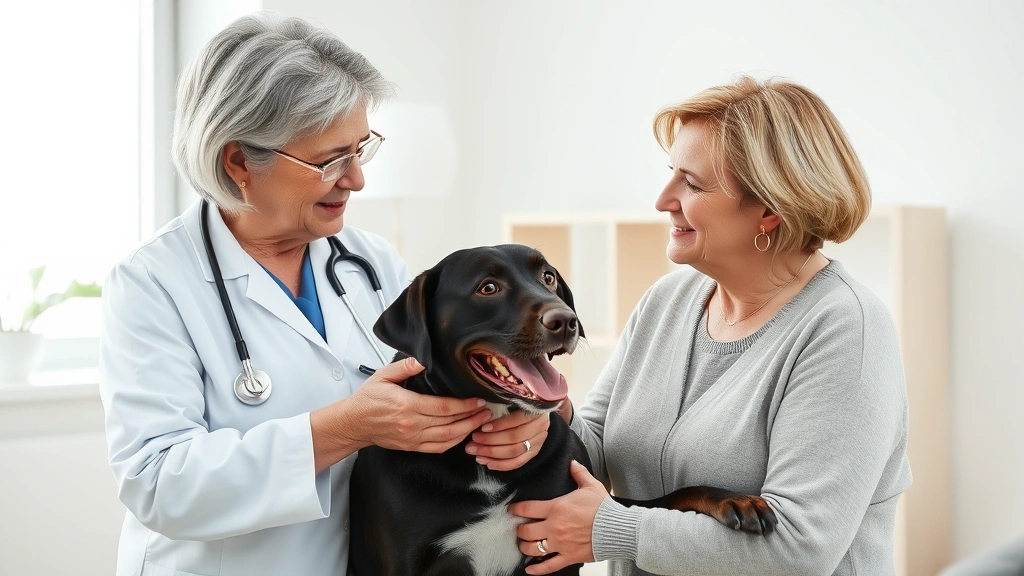
This approach is particularly promising for senior dogs because it often has fewer side effects than chemotherapy. By essentially “waking up” your dog’s immune system to the threat of cancer, immunotherapy can slow progression and improve survival times. Your vet can discuss whether immunotherapy is appropriate for your dog’s specific cancer type.
5. Steroids: Managing Inflammation and Immune Response
Corticosteroids like prednisone are commonly used in cancer management for senior dogs, particularly for lymphoma and other blood-related cancers. These medications reduce inflammation, manage immune responses, and can help shrink tumors in some cases.
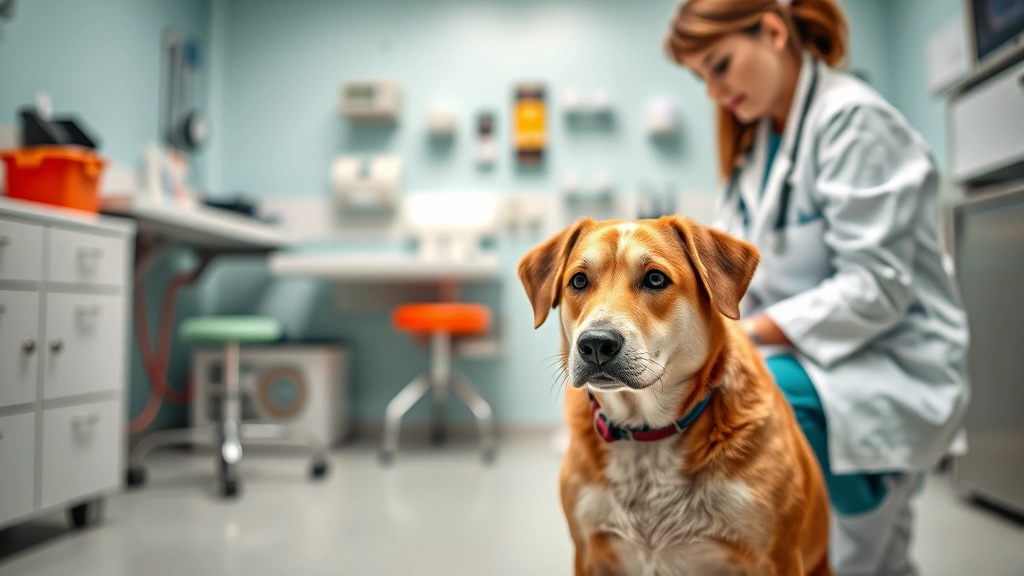
Steroids must be used carefully in senior dogs due to potential side effects with long-term use, but when used strategically as part of a treatment protocol, they can significantly improve comfort and extend survival time. Your veterinarian will use the lowest effective dose for the shortest necessary duration.
6. Pain Management and Palliative Care Medications
Beyond NSAIDs, your senior dog may benefit from other pain management options. Opioid medications, gabapentin for nerve pain, and other analgesics help ensure your dog remains comfortable throughout treatment and beyond.

Palliative care—focused on comfort rather than cure—is an essential part of managing cancer in senior pets. This might include anti-nausea medications, appetite stimulants, and supplements that support overall wellness. The goal is maintaining your dog’s quality of life and dignity throughout their journey.
7. Supportive Care Medications
Cancer and cancer treatments can affect your senior dog’s appetite, digestion, and overall wellness. Supportive medications address these secondary effects. Anti-nausea drugs, probiotics, and digestive enzymes help your dog maintain nutrition and comfort.

Additionally, supplements like omega-3 fatty acids, antioxidants, and other nutraceuticals may support immune function and overall health during treatment. Always discuss supplements with your veterinarian, as some may interact with cancer medications.
Creating Your Senior Dog’s Cancer Treatment Plan
Every dog’s cancer is unique. Your veterinarian will consider:

- The specific type and stage of cancer
- Your dog’s age and overall health status
- Kidney and liver function (critical for senior dogs)
- Your dog’s current medications and any health conditions
- Your family’s goals—extending life, maintaining quality of life, or palliative care
- Financial considerations and treatment timeline
This personalized approach ensures your senior dog receives the most appropriate and effective treatment possible. Don’t hesitate to ask your veterinarian questions about expected outcomes, side effects, and how to monitor your dog at home.
Managing Side Effects at Home
While many senior dogs tolerate cancer medications well, some side effects may occur. Common ones include mild nausea, decreased appetite, or temporary lethargy. Here’s how to support your dog:

- Keep your veterinarian informed of any changes in behavior, appetite, or energy levels
- Offer smaller, more frequent meals if appetite decreases
- Ensure fresh water is always available
- Maintain a comfortable, quiet resting space
- Continue gentle exercise as tolerated to maintain muscle mass and mental stimulation
- Monitor for any signs of infection or unusual symptoms
Your veterinarian may adjust medications or add supportive treatments if side effects become problematic. Open communication is key to keeping your senior dog as comfortable as possible.
When to Seek Urgent Care
While most cancer medications are well-tolerated, some situations require immediate veterinary attention. Contact your vet or seek emergency care if your senior dog experiences:

- Severe vomiting or inability to keep food down
- Difficulty breathing or persistent coughing
- Collapse or loss of consciousness
- Severe bleeding or bloody discharge
- Signs of pain that don’t respond to medication
- Sudden behavioral changes or confusion
If you’re unsure whether your pet needs urgent care, a quick telehealth check-in can give you peace of mind—no appointment needed. The Pet Vet is available to help you navigate these difficult decisions.
Quality of Life Considerations for Senior Dogs with Cancer
Treatment decisions should always prioritize your dog’s quality of life. Ask yourself: Is my dog eating and drinking? Does he or she seem to enjoy activities? Is pain well-controlled? Can my dog spend time with family members?
Some families choose aggressive treatment to extend life. Others prioritize comfort care and cherish the time they have. There’s no “right” answer—only what’s right for your family and your dog. Your veterinarian can help you navigate these deeply personal decisions with compassion and honesty.
Many senior dogs with cancer continue to have good quality of life for months or even years with appropriate medication management. The key is staying informed, maintaining close communication with your veterinary team, and adjusting your approach as your dog’s needs change.
Complementary Resources for Senior Dog Health
Managing cancer in a senior dog often involves addressing other age-related health concerns. You might find these resources helpful: understanding changes in geriatric dog sleep patterns, learning about nutrition for dogs with liver disease, and managing skin allergies in senior pets. These conditions often occur alongside cancer and require coordinated care.
Summary: Hope and Next Steps
A cancer diagnosis in your senior dog is serious, but it’s not the end of your story together. Modern veterinary medicine offers seven categories of medications and treatment approaches that can help manage cancer, extend life, and maintain quality of life. From chemotherapy to immunotherapy to palliative care, your veterinarian has tools to help.
The most important thing you can do right now is have an open, honest conversation with your veterinarian about your dog’s diagnosis, prognosis, and treatment options. Together, you’ll create a plan that aligns with your family’s values and your dog’s needs.
Frequently Asked Questions
Will chemotherapy make my senior dog feel sick?
Dogs generally tolerate chemotherapy much better than humans, with fewer and less severe side effects. Your veterinarian will monitor closely and adjust treatment if needed to maintain your dog’s comfort and quality of life.
How long can a senior dog live with cancer?
Survival time varies greatly depending on cancer type, stage, age, and treatment chosen. Some dogs live months, others years. Your veterinarian can provide more specific estimates based on your dog’s diagnosis.
Are there side effects I should watch for at home?
Common mild side effects include decreased appetite, mild nausea, or temporary lethargy. Contact your vet if your dog experiences severe vomiting, difficulty breathing, or behavioral changes.
Can I give my dog supplements alongside cancer medication?
Some supplements may be beneficial, but others can interact with cancer medications. Always discuss any supplements, herbs, or dietary changes with your veterinarian before starting them.
What if I can’t afford extensive cancer treatment?
Talk openly with your veterinarian about your budget. There are often multiple treatment options at different price points, and palliative care focused on comfort is always available and can be very meaningful.
What To Do Now
- Schedule a consultation with your veterinarian to discuss your senior dog’s cancer diagnosis, get a clear understanding of the cancer type and stage, and explore all available treatment options tailored to your dog’s specific situation.
- Ask specific questions about medication options mentioned in this article, including expected benefits, potential side effects, treatment timeline, and how success will be measured for your dog.
- Create a comfort care plan at home that includes pain management, nutrition support, and quality-of-life monitoring, so you can recognize any changes and communicate them to your veterinary team.
- Discuss your goals and values with your family and veterinarian—whether you’re prioritizing life extension, comfort, or a balance of both—so treatment decisions align with what matters most to you.
- Stay connected with your vet between appointments by reporting changes in appetite, energy, or behavior, and don’t hesitate to reach out if you have questions or concerns about your dog’s response to treatment.
This article is for general education and is not a substitute for care from your own veterinarian. Learn about The Pet Vet and our editorial policy.